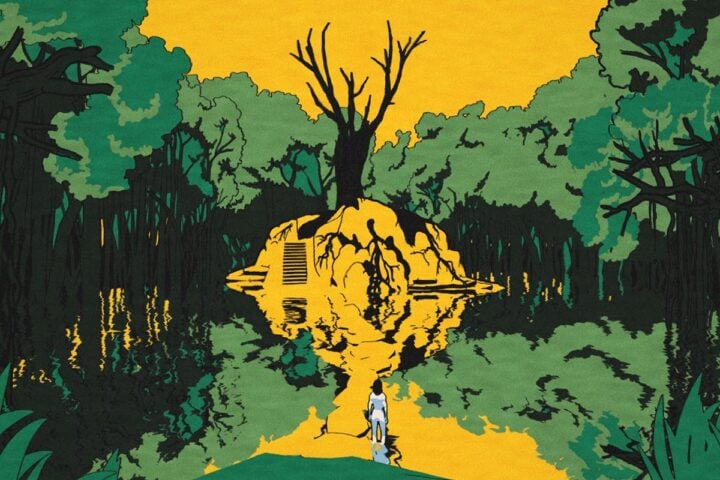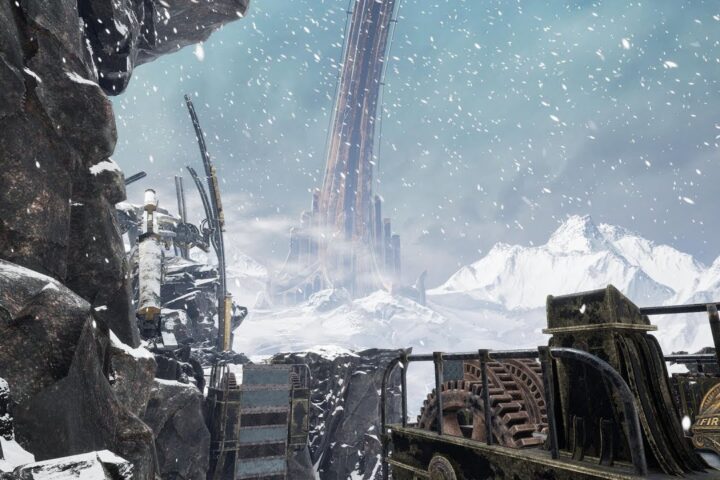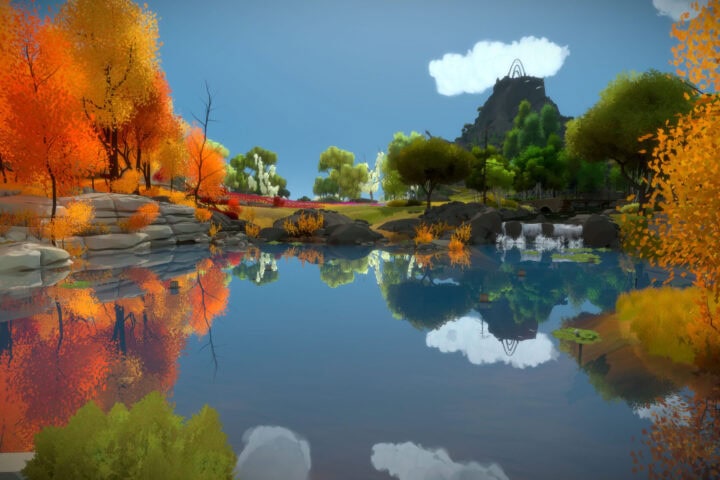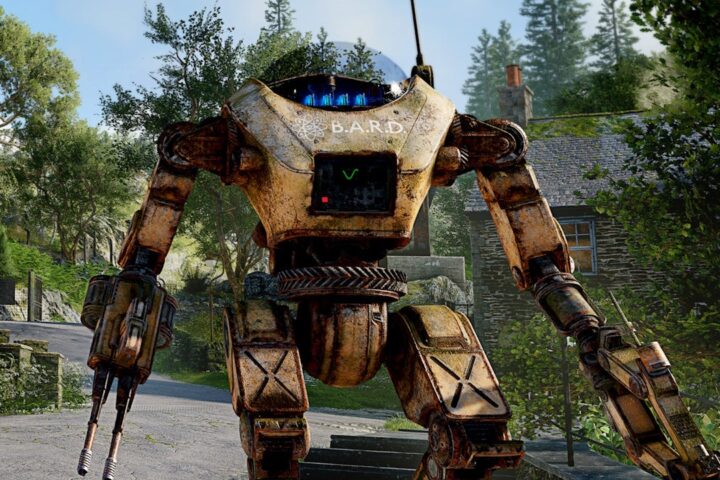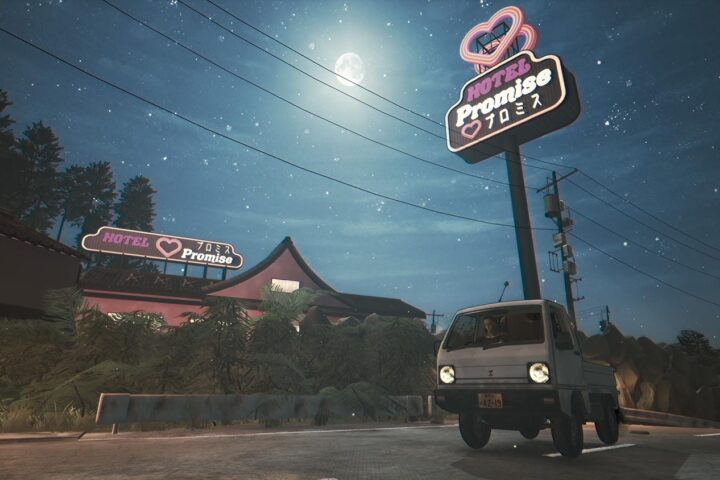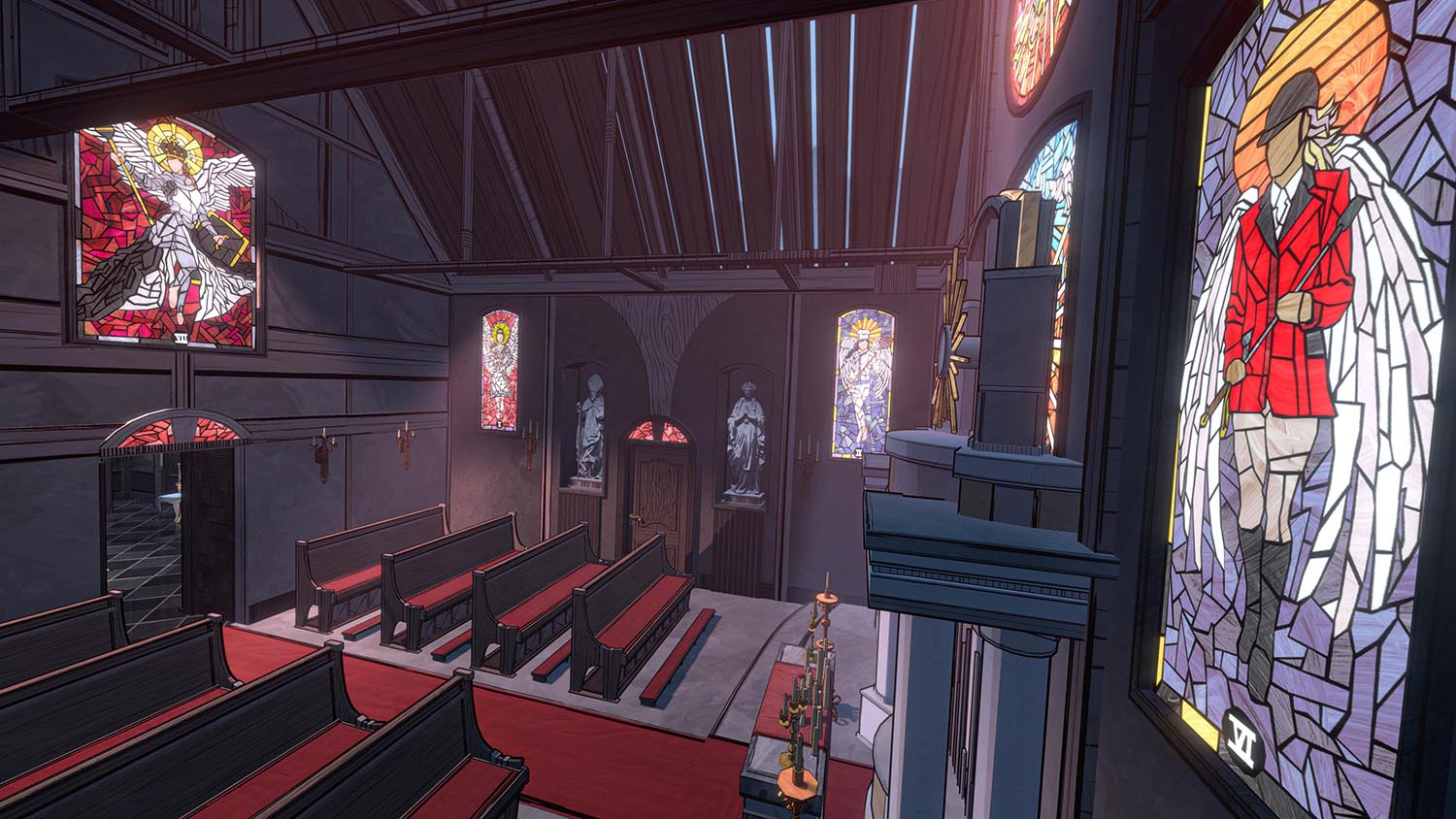
I’d tell you the specific date on which Blue Prince begins, but there’s a reason that indie developer Dogubomb’s game simply labels the start of your journey as Day 1. Inside a house that rebuilds itself each day, figuring out things like when everything is exactly taking place, where you actually are, what the hell is going on, and who are all the former employees referred to in the letters, emails, and memos strewn around the grounds is the point, pleasure, and privilege of this brilliant first-person architectural puzzler.
The only thing the game outright spells out for you at the start is that the protagonist stands to inherit his great-uncle’s property if he can reach the Mount Holly estate’s mysterious 46th room—despite there only being 45 rooms in the blueprints. This objective is a play on that of Christopher Manson’s 1985 illustrated puzzle book Maze, and it’s no surprise that director Tonda Ros dedicates the game to Manson. But while Maze’s print limitations forced each page to follow a fixed path, Blue Prince’s digital architecture creates an ever-changing labyrinth. Players don’t just have to solve the maze, they also have to build it.
Blue Prince also plays out, at least visually and somewhat mechanically, like a cross between the room-drafting and ability manipulation of the Betrayal Legacy board game and the intense first-person puzzle-solving of Myst. Each time you open a door, you’ll choose one of three blueprints semi-randomly pulled from the overall set of possible rooms (the “draft pool”). For the remainder of that day, so long as you have enough movement tokens left to reach it, you’ll have access to that room and any memos, items, afflictions, mechanisms, or puzzles within it.
At first, it’s enough simply to try and map out a path between the two fixed points on your five-by-nine blueprints, the Entrance Hall (C1) where you begin and the ostensible finish line of the Antechamber eight rows beyond it. But there’s a reason this is the one task the game doesn’t keep a secret, as there’s so, so much more to Blue Prince than that initial goal.
The layers to Blue Prince’s roguelite design are what keep the game so captivating, with each new discovery giving you a new context in which to view previous areas. Rooms that seemed straightforward reveal new clues, while others may be permanently altered by your actions elsewhere. Even the two most common puzzles, a mathematical dartboard and a logic-based “some of these statements are a lie” game, get more complex each time you solve them.
The estate may be called Mount Holly, but it never allows you to rest on your laurels. Blue Prince’s architecture doesn’t just offer multiple routes through the house or multiple hints to its puzzles. It also provides multiple objectives, each one equally satisfying. I’ve never jumped back into a game post-credits as with Blue Prince, eager to see the latest changes within its world.
There are occasional frustrations, like when you’re flush with items but can’t draft or afford a workshop in which to combine them, or when you’ve got plenty of currency but not enough steps, keys, or gems left to make use of them. But while that might prevent you from progressing in one direction, it’s rare to spend a day in which you don’t come across at least one new discovery, and knowing how to make the most of the dead-end rooms you draft along the way is a big part of the game. Accidentally at first, then more deliberately, you start to get a sense of how not just items but rooms synergize with one another and their overall position in the house.
Perhaps the highest praise that can be bestowed upon Blue Prince, and a validation of the near-decade that Ros has spent working on it, is the way in which the game successfully inspires players to follow the advice of the protagonist’s great-uncle: “Abandon the path and go where you want it to lead.” In the end, that’s not Room 46, but rather deeper into a game that you will want to make your new home, or at least a full-on obsession.
This game was reviewed with a code provided by Raw Fury PR.
Since 2001, we've brought you uncompromising, candid takes on the world of film, music, television, video games, theater, and more. Independently owned and operated publications like Slant have been hit hard in recent years, but we’re committed to keeping our content free and accessible—meaning no paywalls or fees.
If you like what we do, please consider subscribing to our Patreon or making a donation.