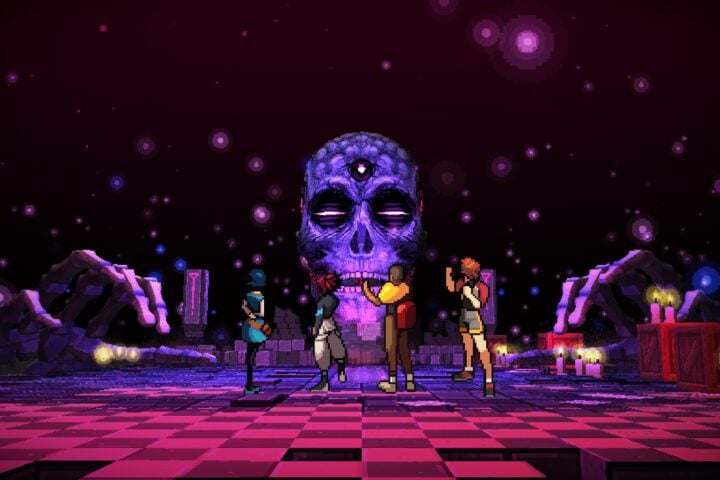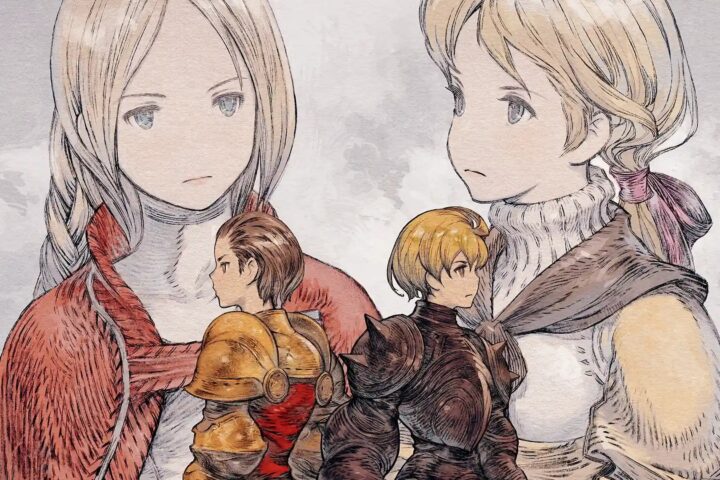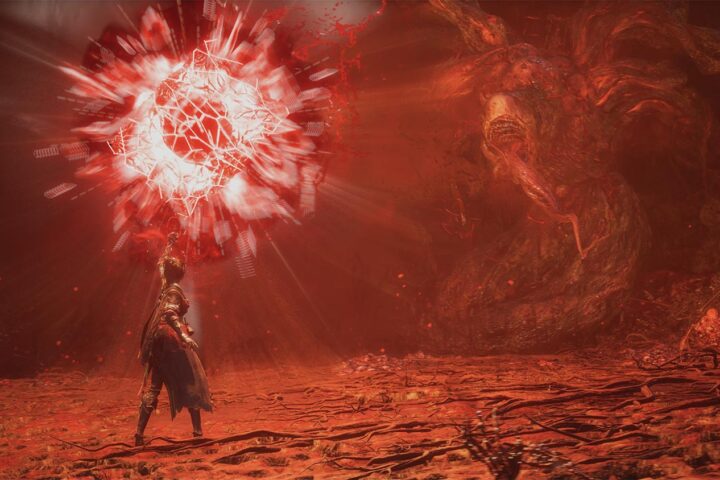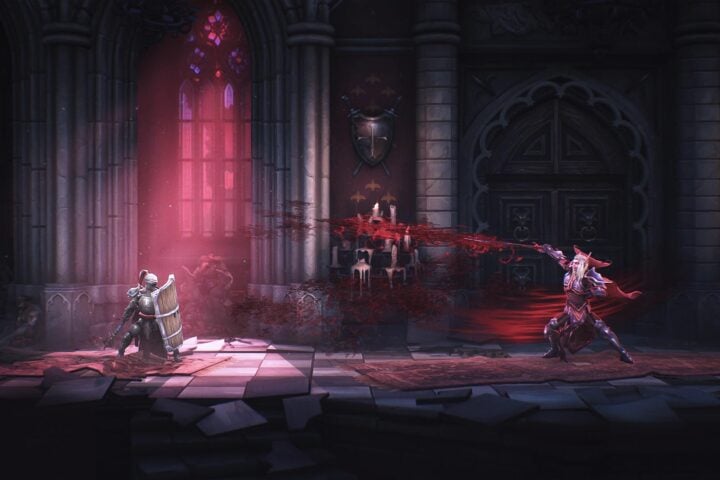
In Clair Obscur: Expedition 33, players start out in Belle Epoque Paris, where the Art Nouveau architecture is bathed in warm, fading sunlight. But something is very wrong here. The Paris of Sandfall Interactive’s video game is strangely frozen mid-apocalypse, the debris of an extinction level event in progress floating in mid-air. Our main protagonist, Gustave, and his sister start using magic to careen across rooftops in order meet with his beautiful ex-partner, Sophie, and the pair are seemingly on the verge of reconciling during a citywide celebration full of music and roses. Except that’s not what the day actually is.
People are leaving their personal belongings in the street for others to claim. Families are huddled together. Gustave and his love are less wistful than solemn. And then you find out why, in an elegiac sequence where a giant, seemingly feral woman, the Paintress, crawls up to a monolith on the horizon over the ocean and paints the number 33 on it, after which everyone older than 33 vanishes into ashes and flower petals, including Sophie.
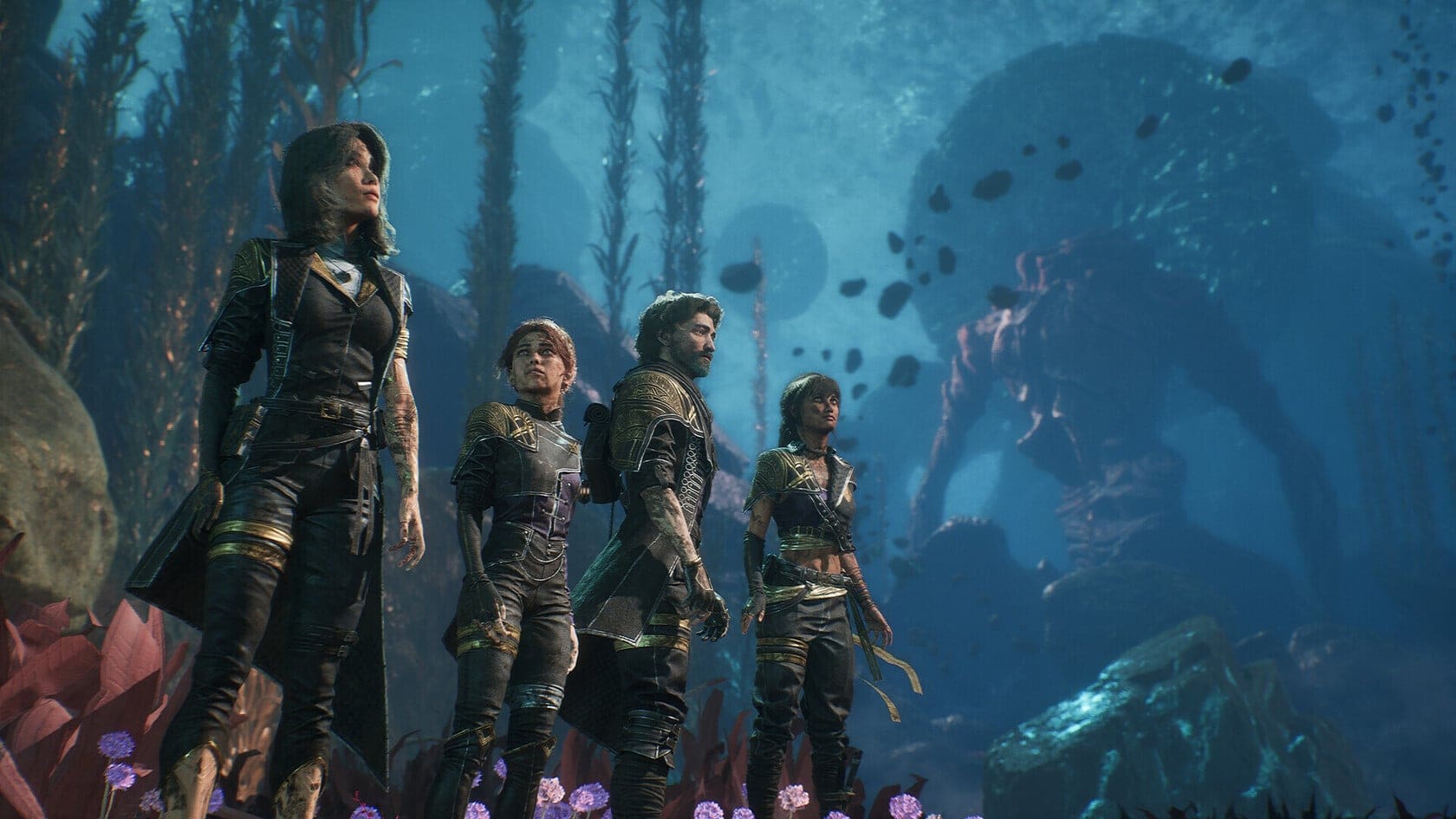
As it turns out, the titular Expedition 33 is the latest scientific endeavor that the people of Paris have commissioned to find out why this phenomenon has been occurring for over 30 years. And it involves sending a paltry dozen scientists and soldiers toward the Paintress on a likely one-way trip. It’s a powerful, bleak hook to hang an RPG on, but there’s such a marked difference in how Clair Obscur handles its subject matter compared to its contemporaries. It’d be easy to say it’s a stereotypically French point of view—there’s a strong current of gallows camaraderie and ennui running throughout the game—but even then, that doesn’t quite cover it.
Having lived so long under the threat of a short lifespan, there’s more of an unspoken edict among our heroes and their people that those doomed to die should rage against the dying of the light by living as meaningfully as possible, including giving up one’s final year taking on an expedition. Desperation, regret, and sadness are all woven into the script but so is the defiant joy that drags the characters kicking and screaming away from the nihilism lurking around every corner. Especially given the horrifying note that Gustave’s expedition starts off with, the fact that there’s joy on display here is miraculous, and his entire party is well aware of it.

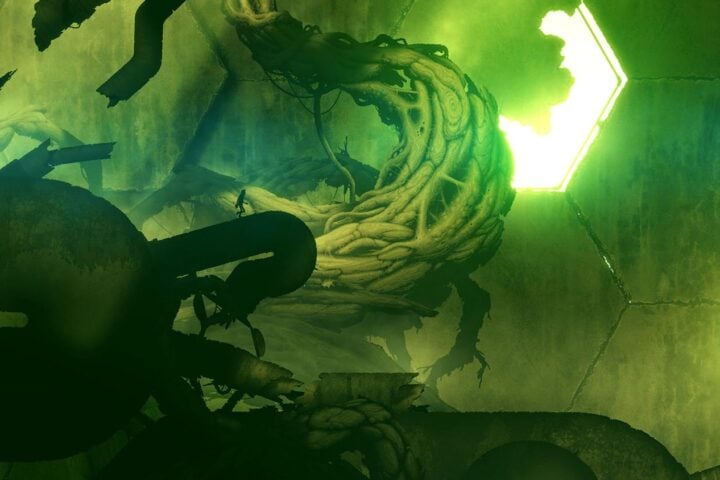
That’s especially poignant once they reach the Paintress’s domain, where life is no longer playing by normal rules. Every environment is a kaleidoscopic clash of biomes—lush, inviting, lived in. Here, an otherworldly purple underwater minefield is breathable, and home to a golden Art Deco mansion. The game’s closest analogue in a visual medium is Annihilation, and while the threat here isn’t quite as alien as the Shimmer in Alex Garland’s film, it’s easy to identify it as such, given the absurdist chimeras that make up most of the game’s bestiary.
Appropriately, you deal with enemies using a kinetic system of turn-based mechanics that comes across like a chimera. The game leans into a twisted and fused riff on the traditional Japanese style of turn-based combat. Elements of Final Fantasy, Dark Souls, Persona, Lost Odyssey, and a slew of others all intermingle to create a strategic mélange where extensive forethought is needed to maximize and minimize each turn’s damage and elemental exploits.
The character menu isn’t quite as elegant as the combat. Players will be constantly swapping between assigned and earned abilities, and the tiny and subtle iconography for each type of perk, what they do, and who it’s assigned to can get a little clunky. Still, the way Clair Obscur’s various mechanical ideas fit together is exhilarating, to the point where you’ll find yourself running around looking for fights not very long into the game. And it helps that the level design is laid out in such a way where getting lost looking for new experiences nearly always has rewards. There’s a friction between wandering off the beaten path and wanting to get our heroes to press forward, and it’s not as easy to get back on track without a keen sense of direction.
During Clair Obscur’s battles, something occurs that sums up the whole game. At the end of a fight, once you’ve earned your XP and currency and such, the words “We Continue,” a short paraphrase of a mantra our heroes cling onto like grim death throughout their journey, ushers you out of combat. Even in the Dadaist dreamscape that they find themselves in, this crew of survivors still create new bonds, indulge their curiosities, and give voice to their pains. This is what it means for them to continue—that life, and this game by proxy, will continue to present the unexpected, and that it very much is worth enduring to experience it.
This game was reviewed with code provided by Tinsley PR.
Since 2001, we've brought you uncompromising, candid takes on the world of film, music, television, video games, theater, and more. Independently owned and operated publications like Slant have been hit hard in recent years, but we’re committed to keeping our content free and accessible—meaning no paywalls or fees.
If you like what we do, please consider subscribing to our Patreon or making a donation.