The series is an uneasy, sometimes nauseating, and often fascinating examination of our current moment.


Niv M. Sultan is a writer based in New York. His writing has appeared in the Los Angeles Review of Books, The Drift, Public Books, and other publications.
The series is an uneasy, sometimes nauseating, and often fascinating examination of our current moment.

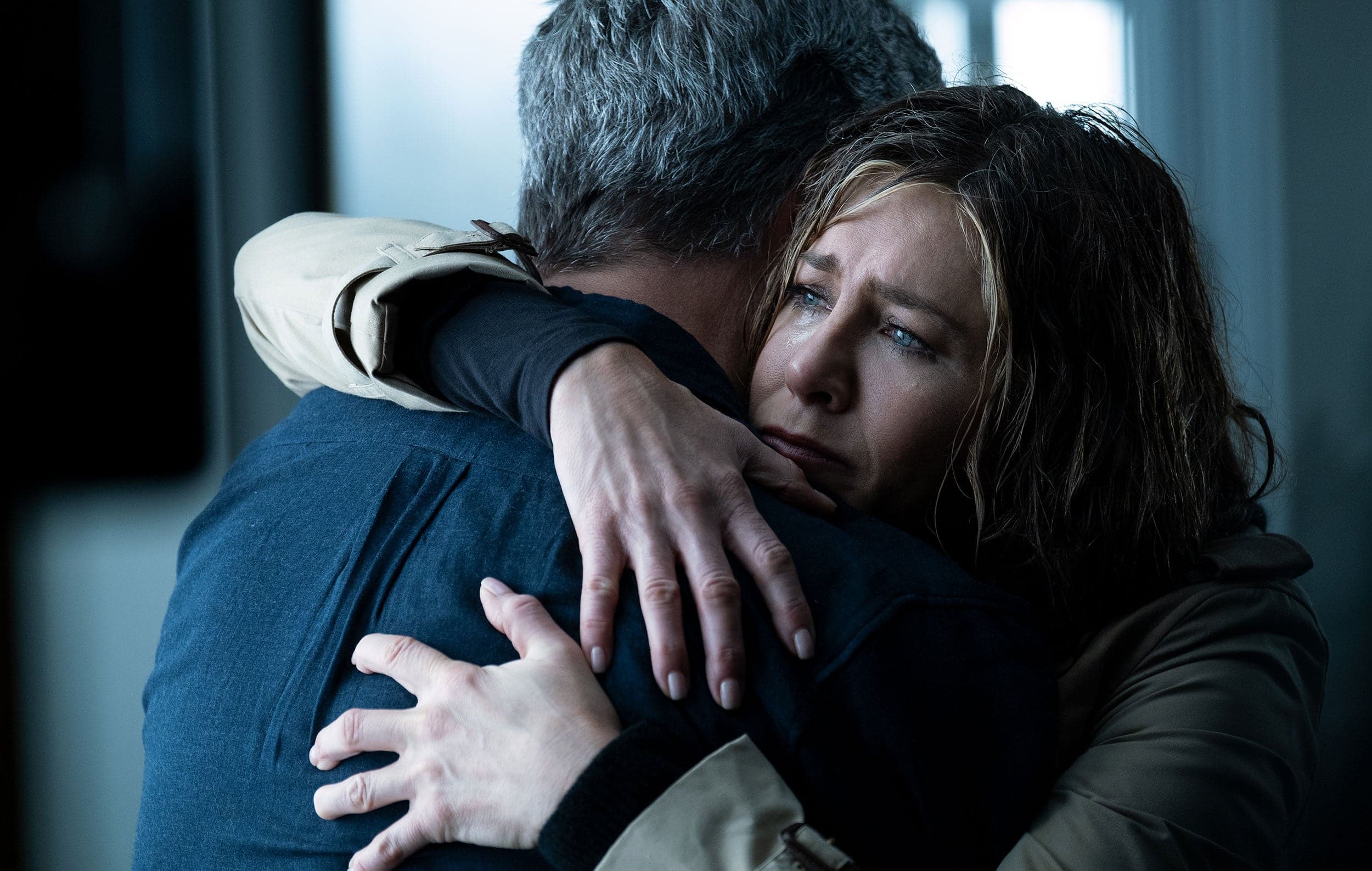
Insipid comedy aside, the Netflix series offers evocative reflections on the premature death of a generation’s childhood.
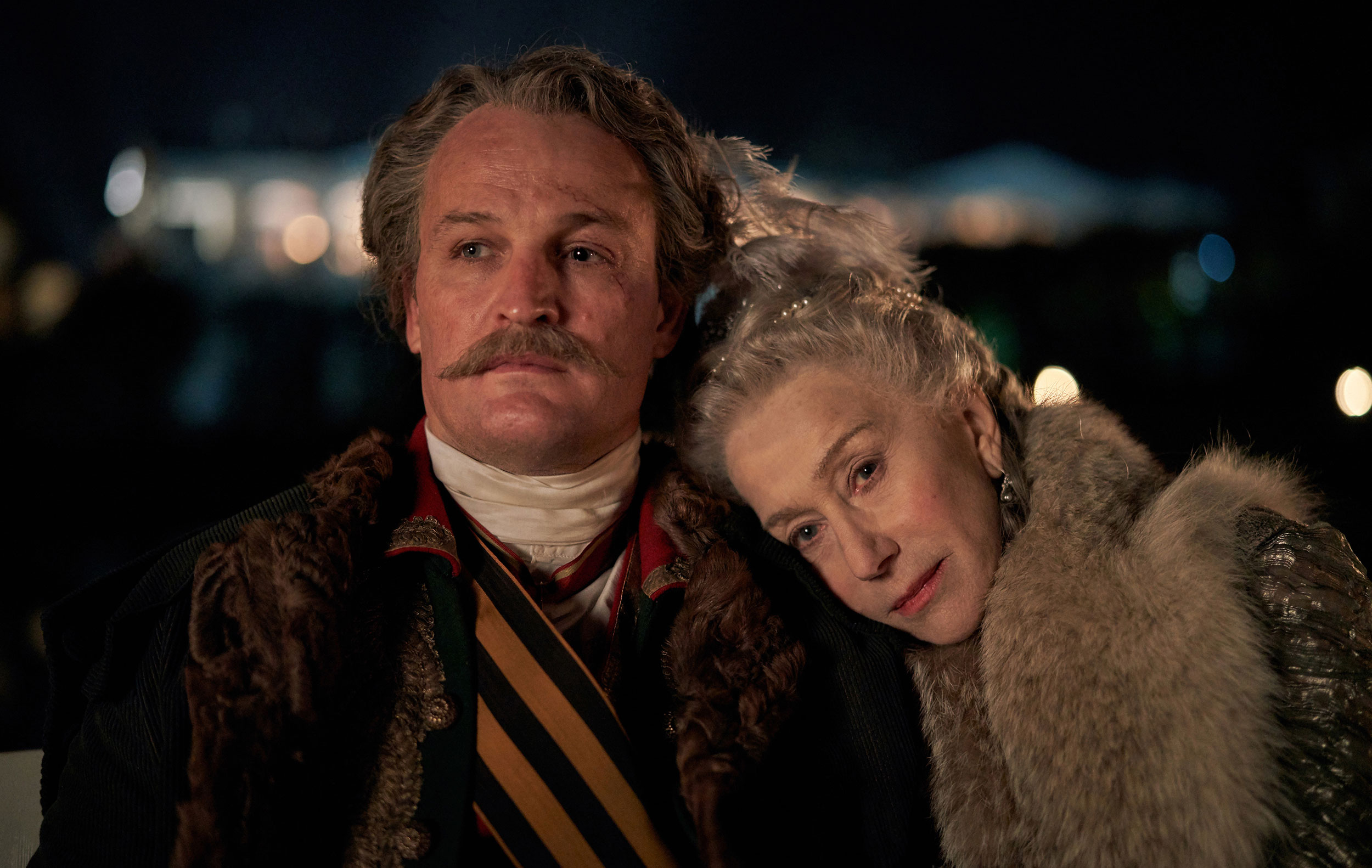
While the miniseries is mesmerizing to take in, beneath its aesthetic splendor lie vast, unplumbed depths.
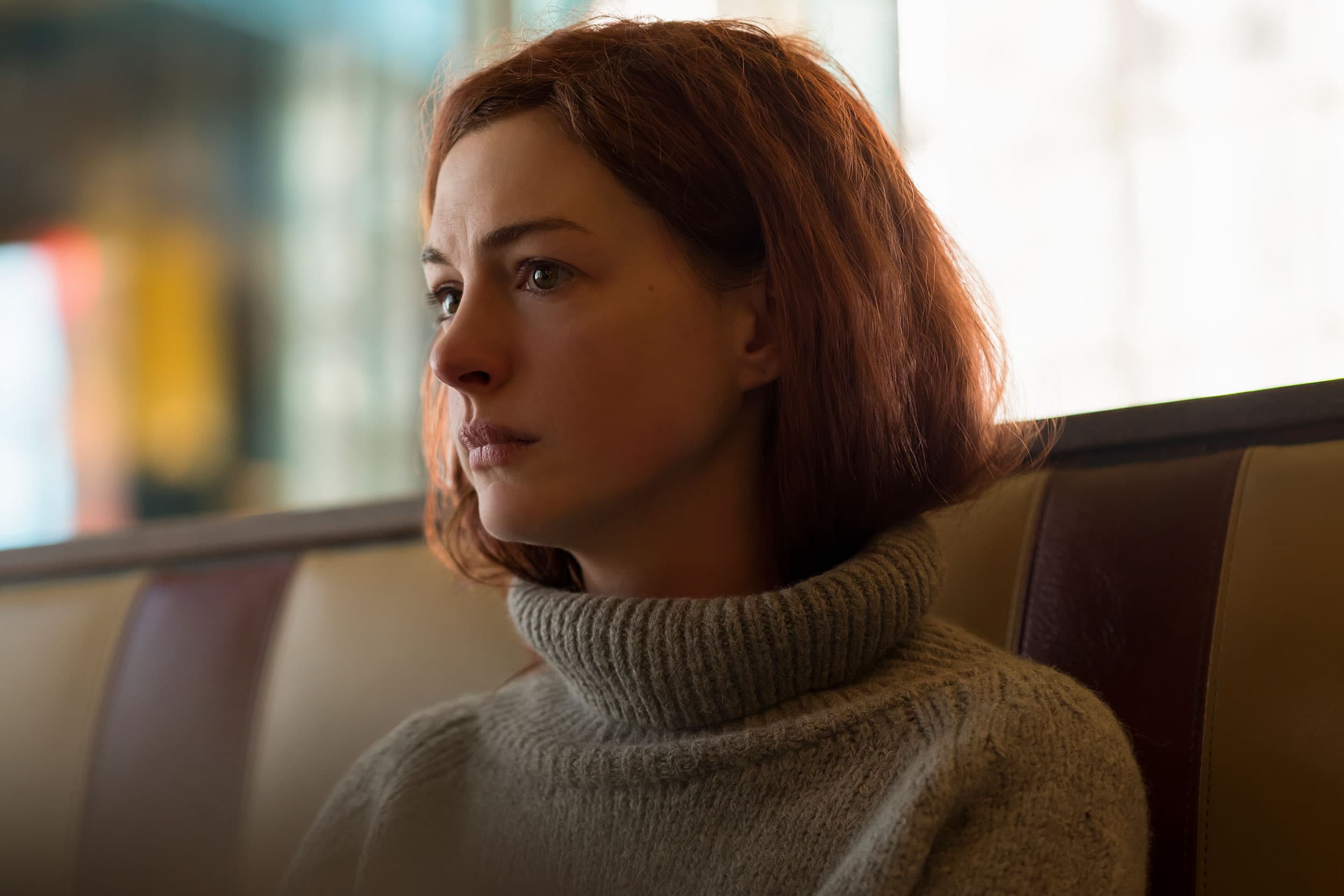
The show’s fundamental goal isn’t to present love that’s unique to the current moment, but to expose the universality of its stories.
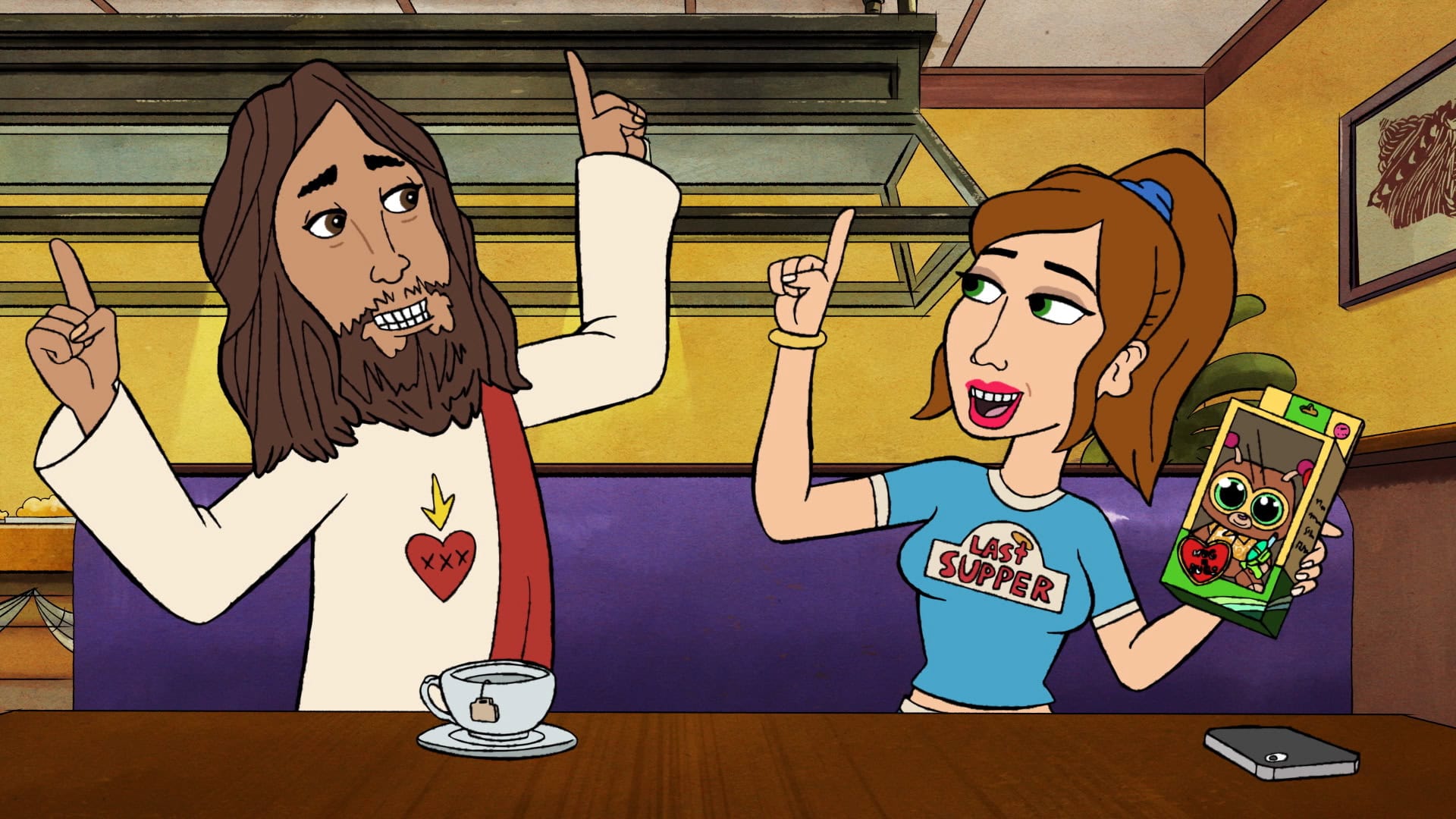
You can feel Fox’s new animated series figuring itself out in its first episode.

The series feels like a vehicle built merely to convey the information dug up by its progenitors.
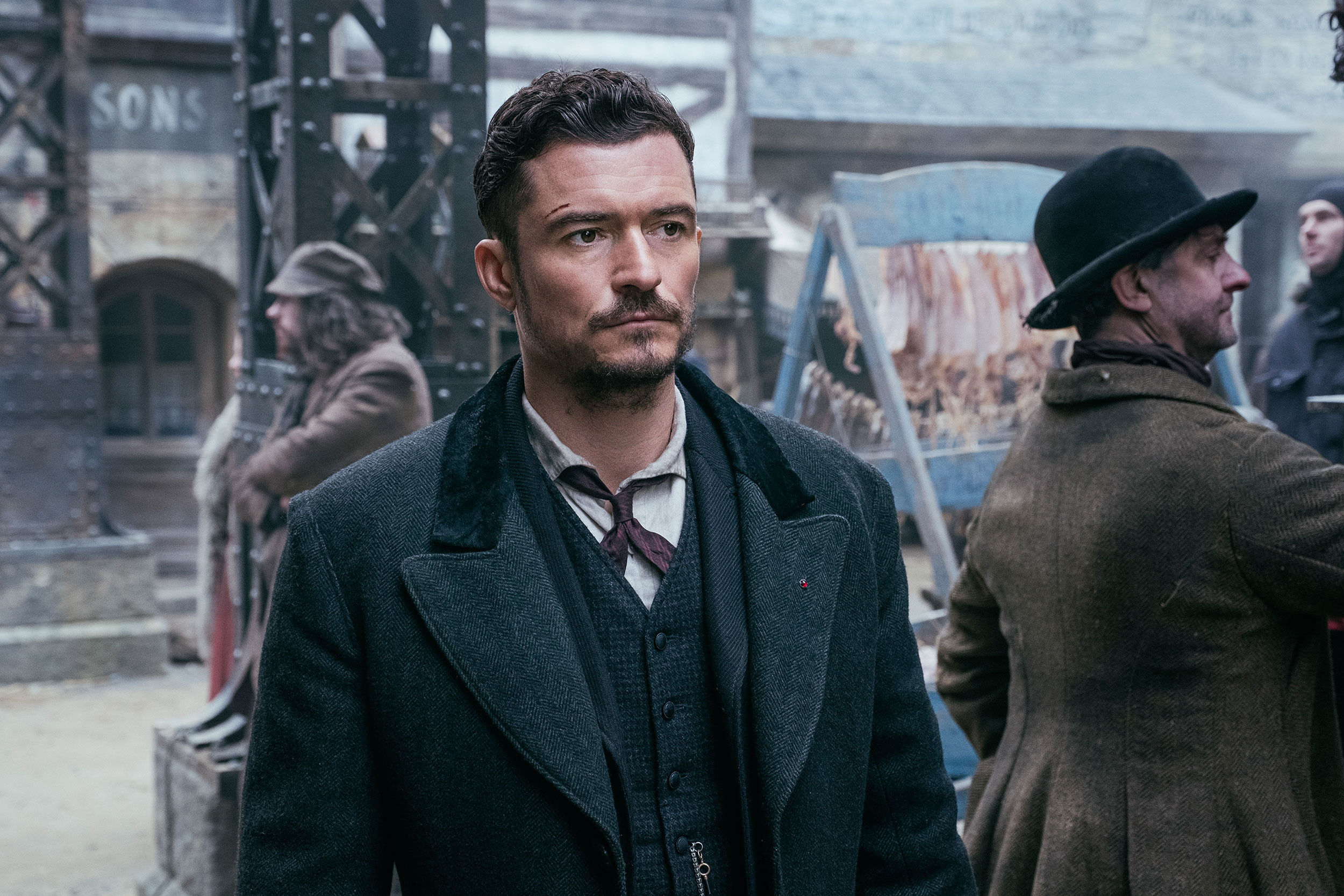
The series is a genre patchwork whose individual elements fail to coalesce into a coherent whole.
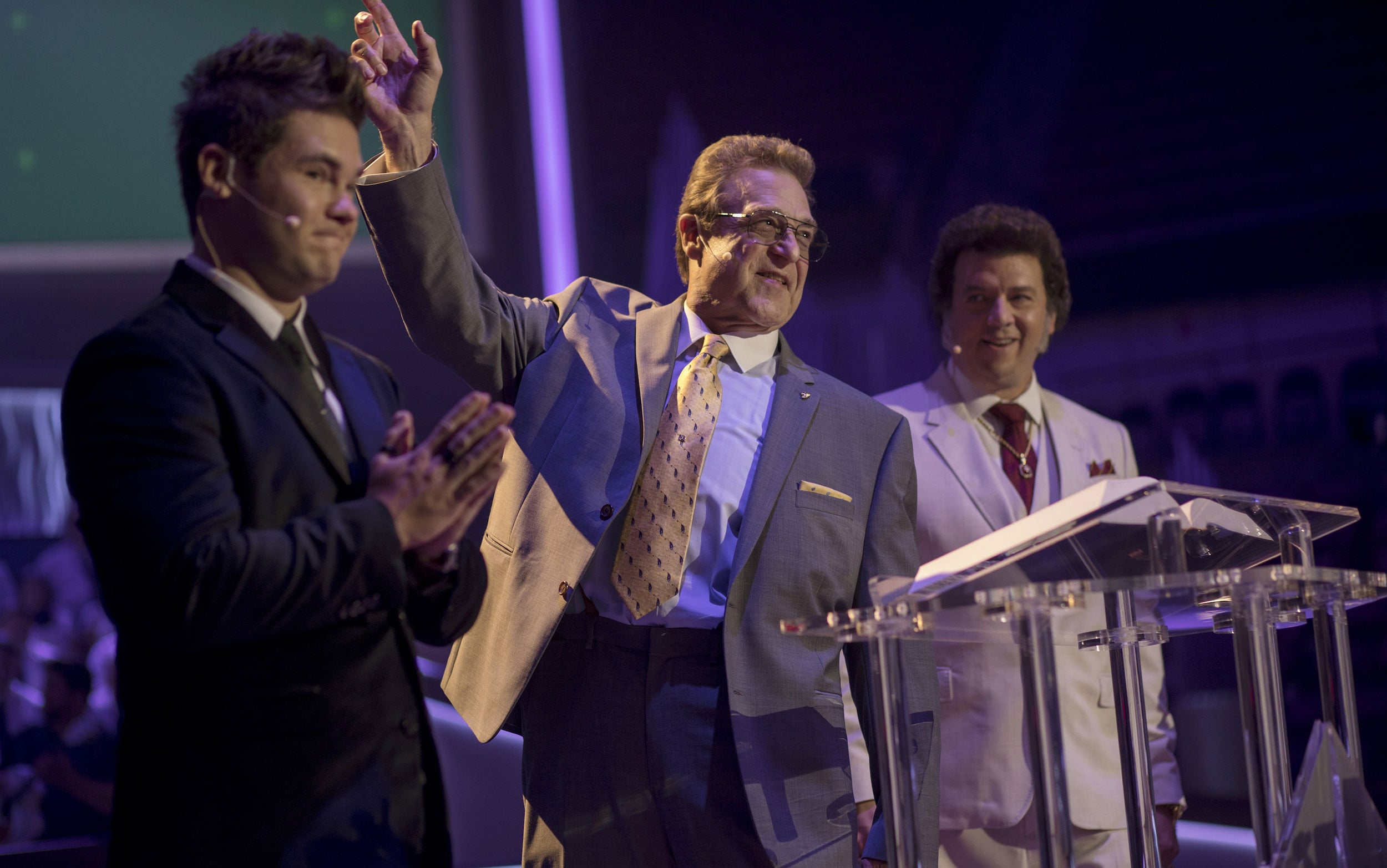
The series is a compelling and humanizing study of its characters, the faith they profess, and the world they strive to proselytize.
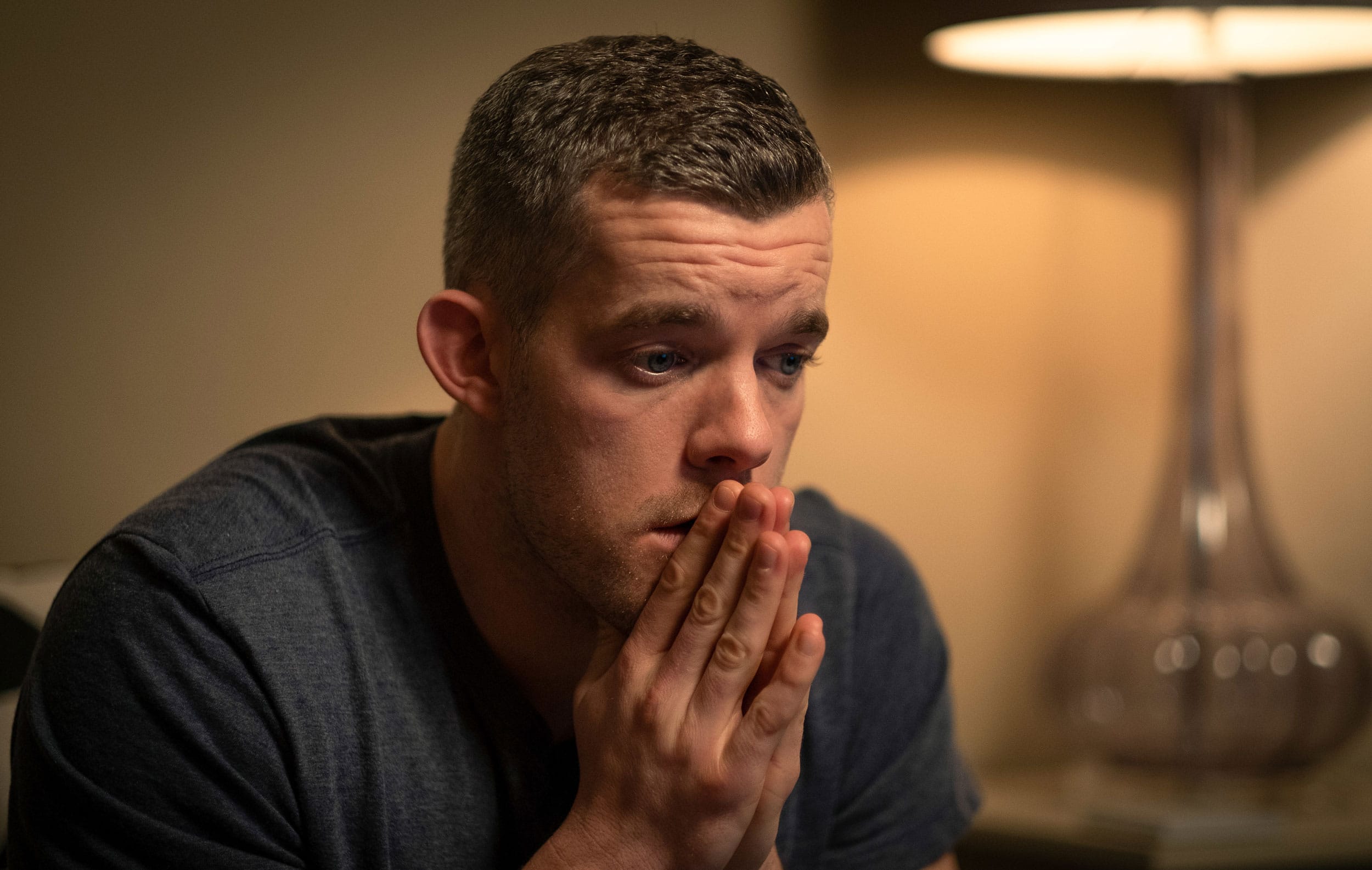
The series manages to pile on the cataclysms without taking pleasure in the pain of its characters.

The series works best when it focuses on intimate, human moments rather than on broad social critiques.

Hulu’s adaptation of Joseph Heller’s novel invites our laughter, contemplation, and shock in equal measure.
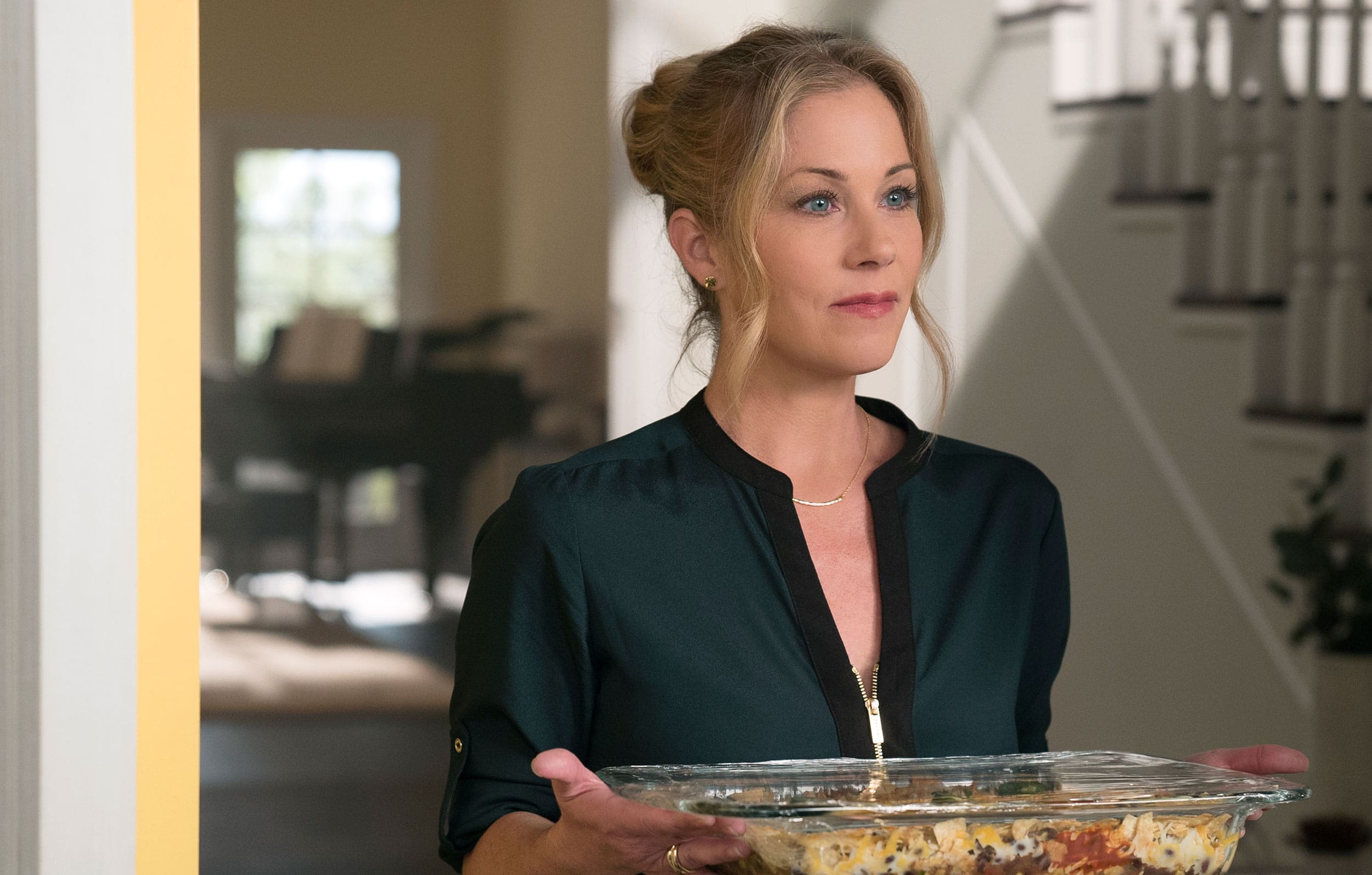
The series is at its strongest when using dissonance to reorient our understanding of loss.
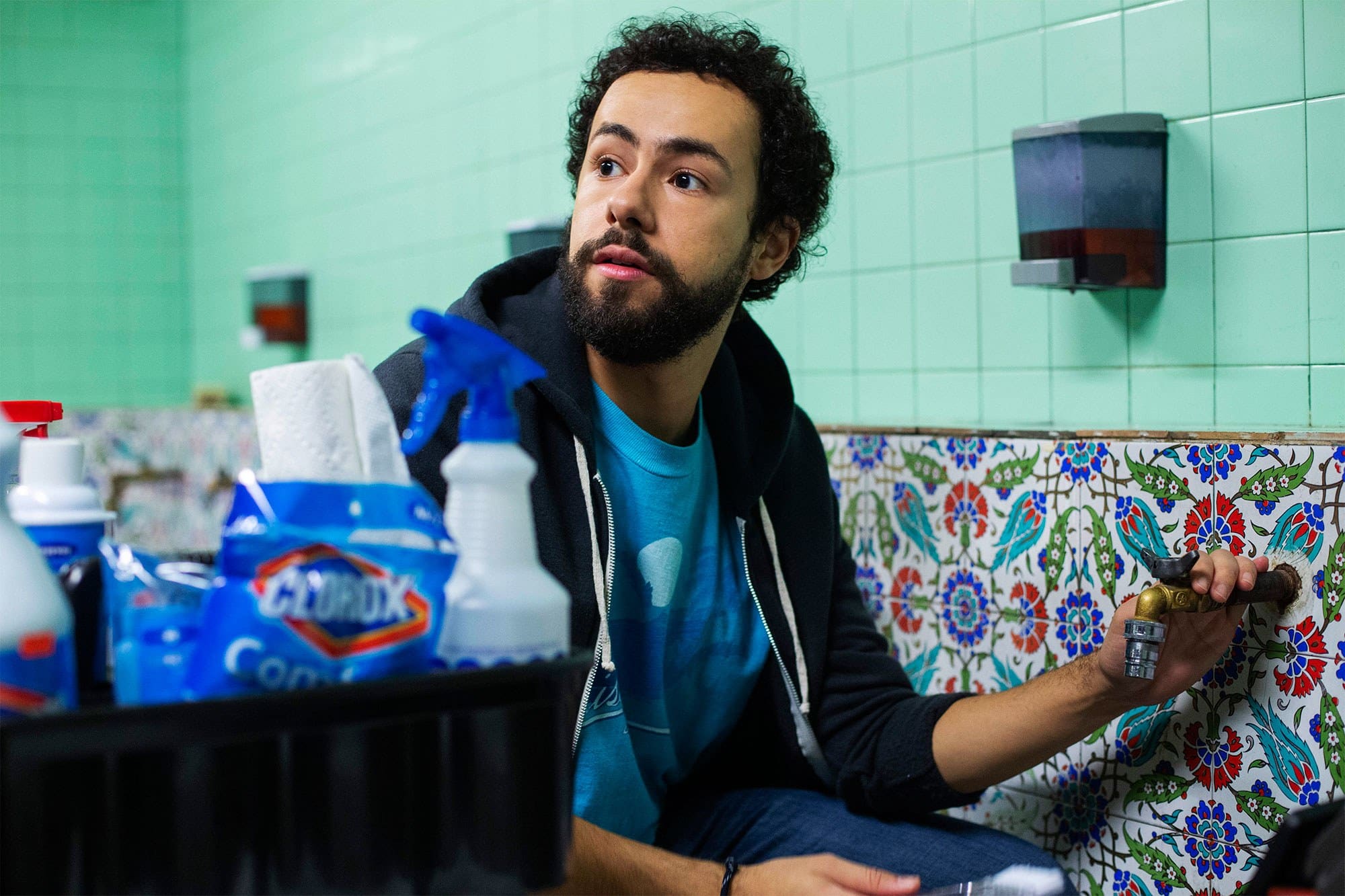
The series derives its soulfulness from the myths that Ramy, his family, and his friends tell themselves and those around them.

Netflix’s latest horror offering only rarely assumes a form greater than its individual elements and references.