Pathologic 3’s great achievement is its reexamination of the series from a new perspective.
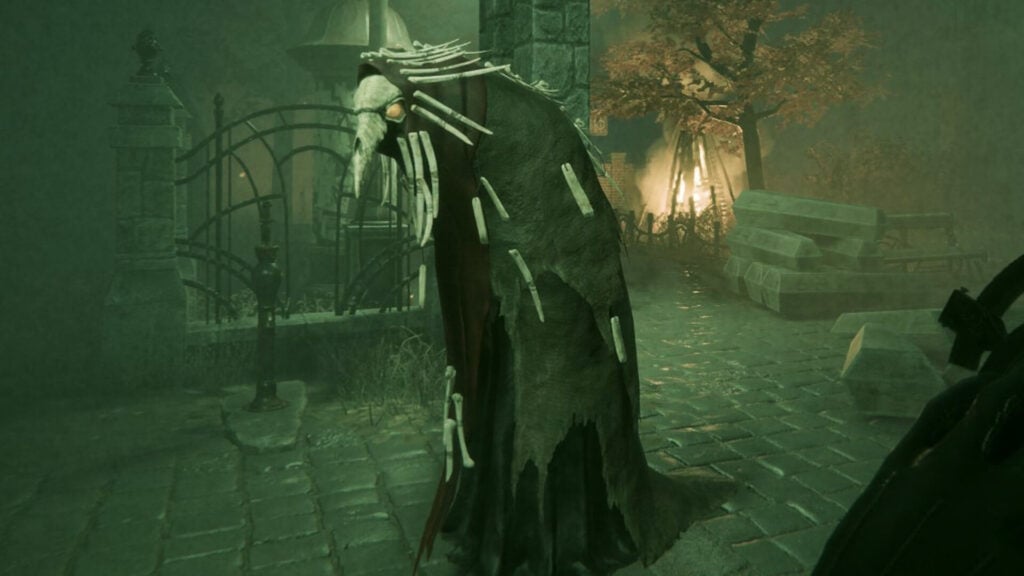

Pathologic 3’s great achievement is its reexamination of the series from a new perspective.

It’s a return to classical form, casting off the more fashionable dressings of the “reboot” and the “update.”
Yourcharacter’s phrasebank is so small that you’ll already be sick of his one-liners within the first hour.
Plodding through the lessons can be a bit tiresome, especially when you consider the fact that you must progress through them in order before new ones are unlocked.

The characters and their moves you mimic might make you feel like an idiot, but isn’t that what dancing is?

Players will certainly think twice before running around like a headless chicken, given the sinister surroundings and the numerous traps waiting for them around each corner or closed door.

It moves away from that novel experience of emulating a guitar and inches ever closer to feeling like a video game.

At first, the ease of pulling off Top Gun-esque maneuvers is exhilarating, but as you get deeper into the game, the whole experience starts to feel shallow.
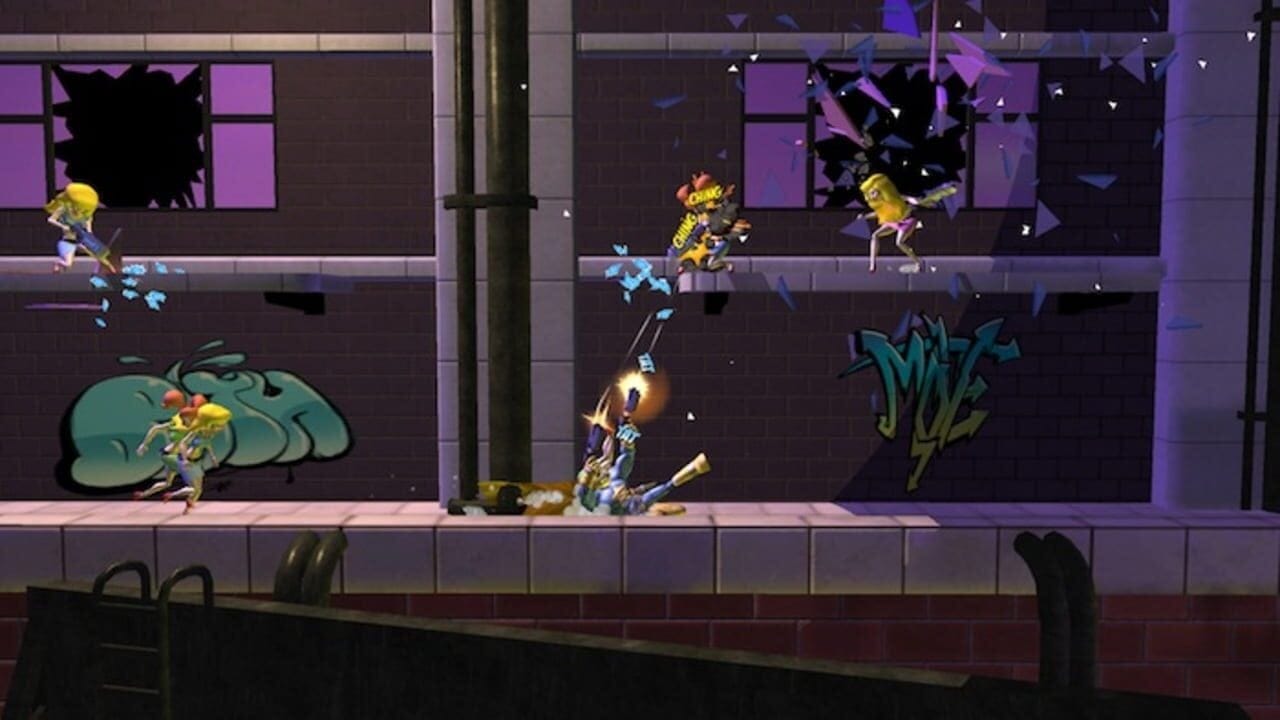
The erratic aiming assist and too-close camera makes many of the levels harder than they should be.
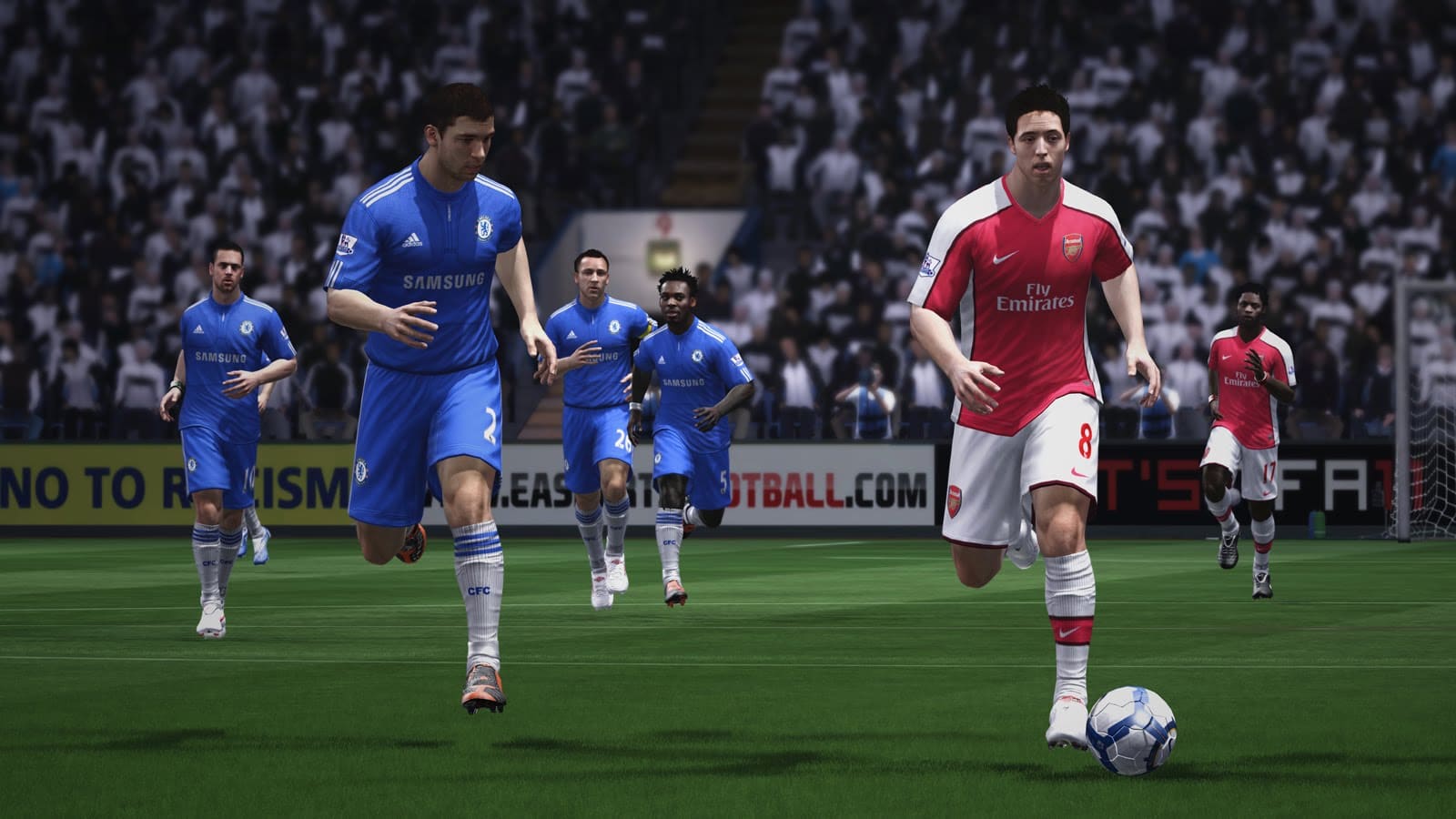
Labour or Conservative? Pepsi or Coke? Blur or Oasis?
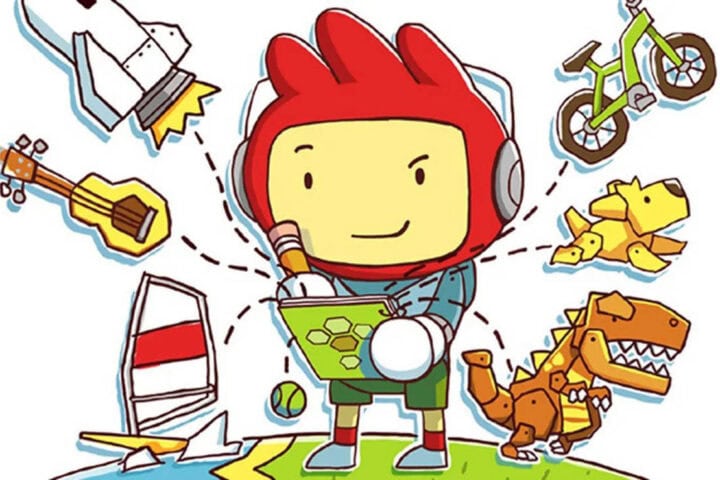
An improvement over the first game is the tightened controls, and the ability to control your character with the D-pad.

That Medal of Honor feigns reality but delivers only standard video-game combat makes it no more reductive, misleading, and insensitive to the wartime experience than its legion of genre brethren.
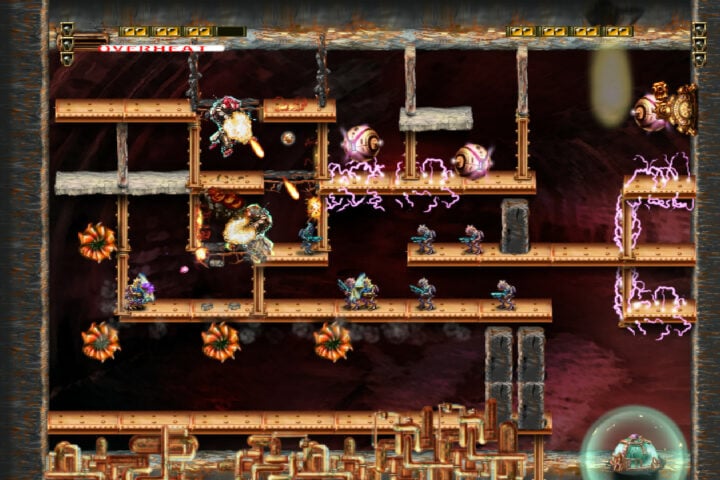
The game is a pretty basic 2-D shooter, but with each level confined to a single room rather than sprawling through a side-scrolling level.
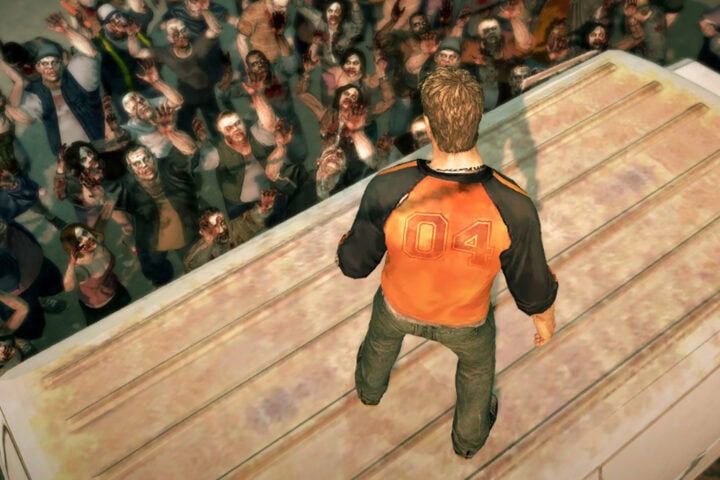
As the fall and winter months barrel down upon us, so does the cavalcade of retail video game releases.

Hydrophobia works hard at making water move like water—surging forward, leveling out gradually, and moving back and forth based on the velocity with which it emerged.
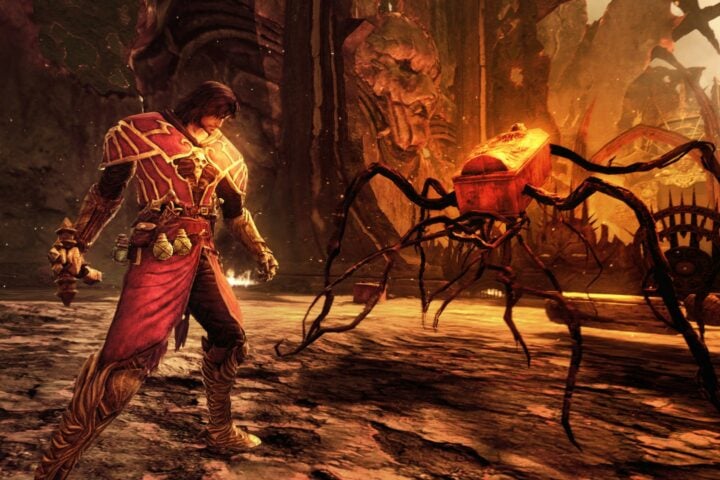
Though it’s little more than your standard gothic fantasy yarn, it proves engrossing enough, and is wrapped up with a cunning plot twist at the death.
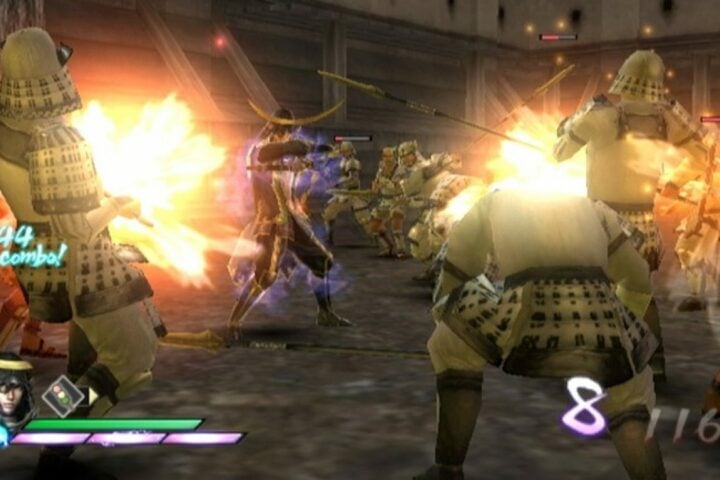
Throw in annoyingly distracting voice acting and bad camerawork and you’ve got a game with a cool premise but frustrating execution.

What initially starts as a traditional RTS quickly evolves into a tactical mind game making players on both sides question various incidents on the battlefield.
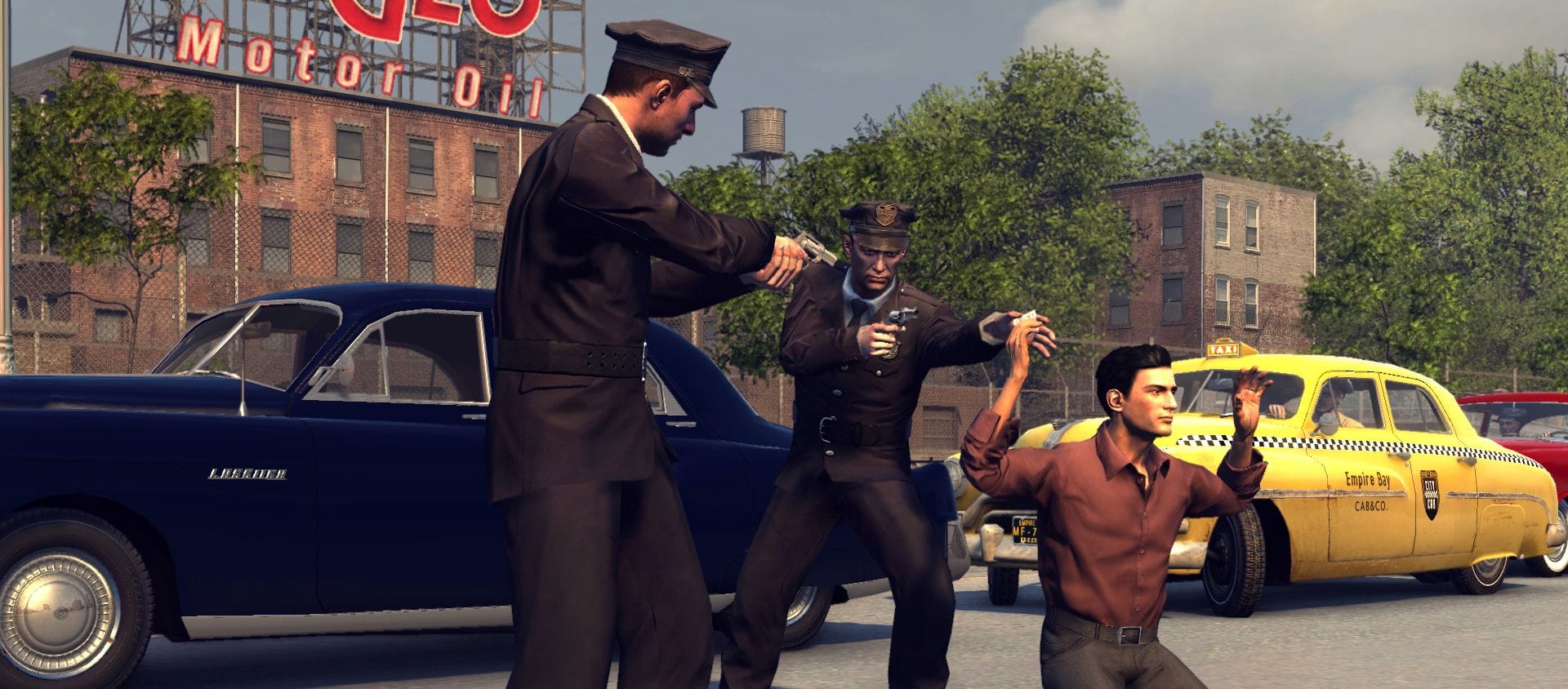
Mafia II is overloaded with such chores, which put a far greater premium on commuting toward choppy pre-rendered cinematic sequences than it does on letting you wreak inventive havoc.

The Drowned City isn’t for the fair-weather player.
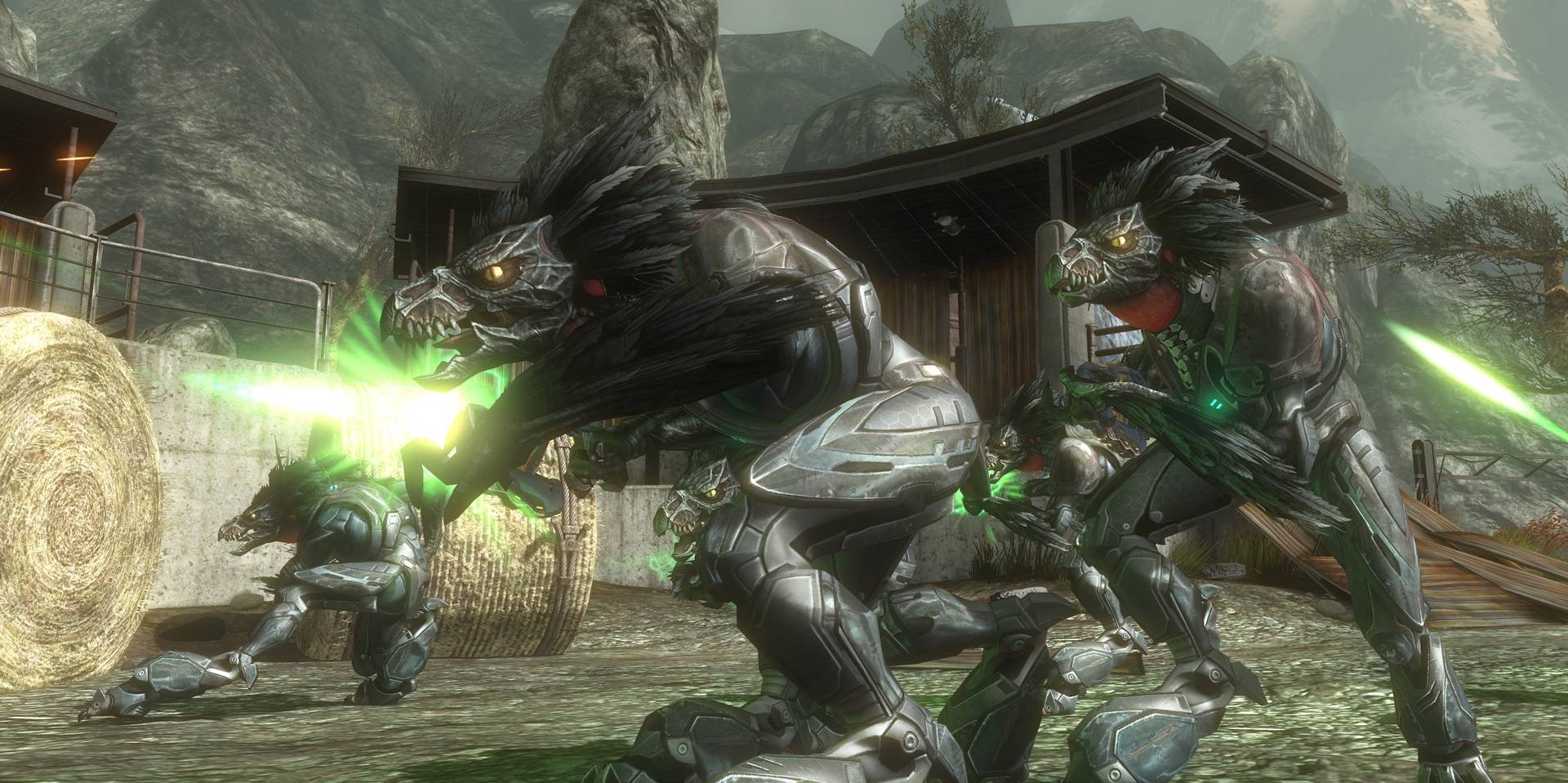
It remains fundamentally about proceeding straight to the next skirmish, killing every enemy in sight, and then escaping to a checkpoint so an ignorable, if attractive, cutscene can begin.