Renata Pinheiro’s film boasts the pleasures of shlock while sacrificing none of its philosophical rigor.


William Repass’s poetry and fiction have appeared in Bennington Review, Denver Quarterly, Fiction International, Bending Genres, and elsewhere. For links to his published writing, click here.
Renata Pinheiro’s film boasts the pleasures of shlock while sacrificing none of its philosophical rigor.

The push and pull between gradual buildup and apocalyptic rupture allows the film to infiltrate the mind and recalibrate our sensitivity to time.

Throughout Paolo Sorrentino’s film, the line between miracle and cosmic prank, even tragedy, is rendered indistinguishable.
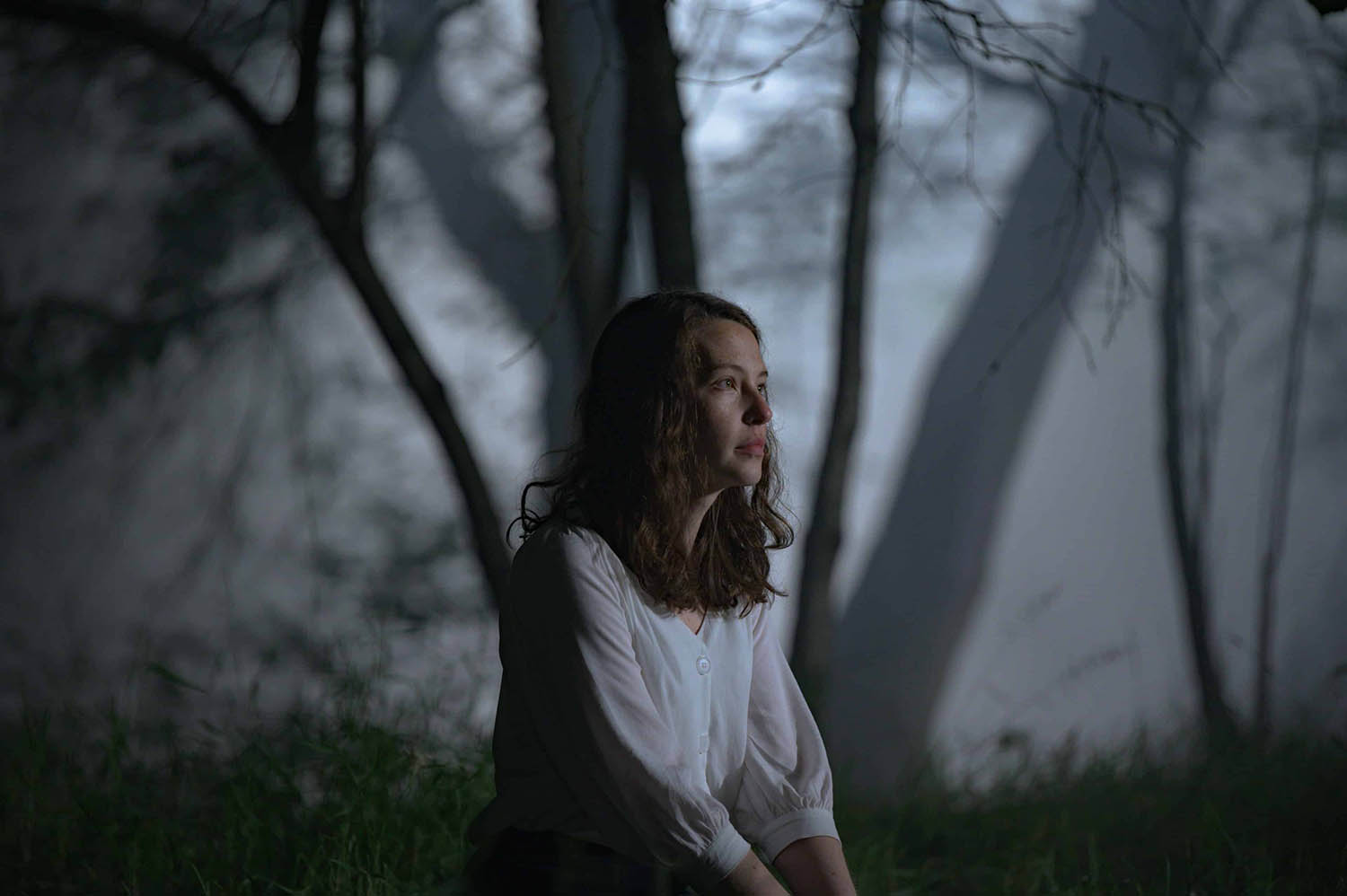
The film’s violent set pieces are imaginative, but as symbolic comeuppances for the victims’ sins they can feel forced, even moralizing.

Uppercase Print metatextually insists that we not be taken in by new, more sophisticated methods of obfuscation.

Understandably fixated on empowerment, Blerta Basholli glosses over stickier issues which might complicate her main character’s heroism.

Manic, maximalist, and bristling with postmodern bells and whistles, Labyrinth of Cinema is exactly what its title suggests.

Luzzu retains the structure of a neorealist film, as well as its themes of class and desperation.

Surge’s camerawork may leave viewers feeling like they just stepped off of a merry-go-round.

Memory House makes no secret of its disgust for neocolonialism, capitalism, or fascism.

The film’s disarming romcom sensibilities are an unlikely yet fitting vehicle for timely ruminations on AI.

The film raises pertinent questions about Mexico’s mixed cultural heritage and the contested representation of reality.
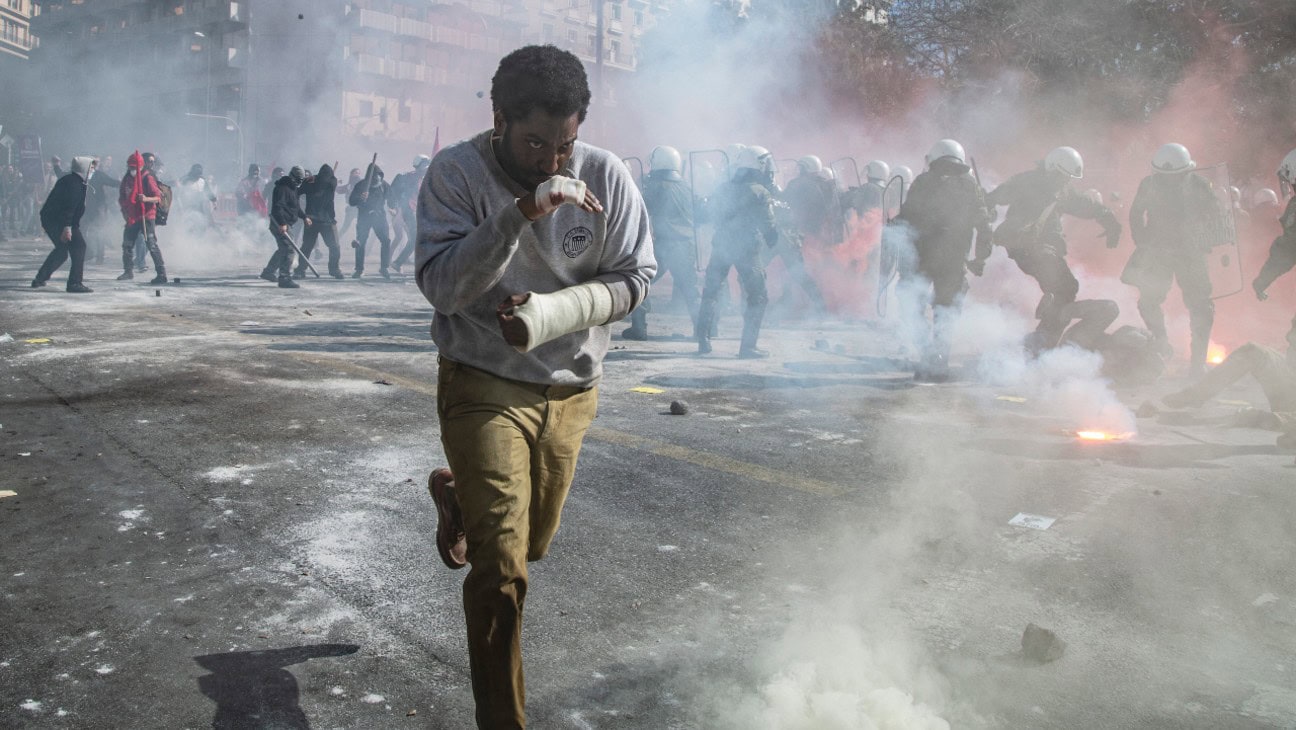
It’s thanks to a kind of tug of war between background and foreground that Beckett succeeds as a piece of entertainment.

Mariam Ghani’s documentary spurs audiences to consider the politics that underlies any artistic activity.

With Never Gonna Snow Again, Małgorzata Szumowska presents a charm against both apocalyptic despair and willful ignorance.

Settlers allows for weighty themes to play out inside a cramped domestic setting, wary of easy answers or moral platitudes.

Throughout the film, Agnieszka Holland makes clear that she isn’t interested in easily digestible pop-psychology nuggets.

The film accomplishes a restoration of sorts, allowing us to see how historical objects can confer meaning on a new context.

Jonathan Cuartas’s film vividly diagnoses a sickness of insularity endemic to middle-class America.
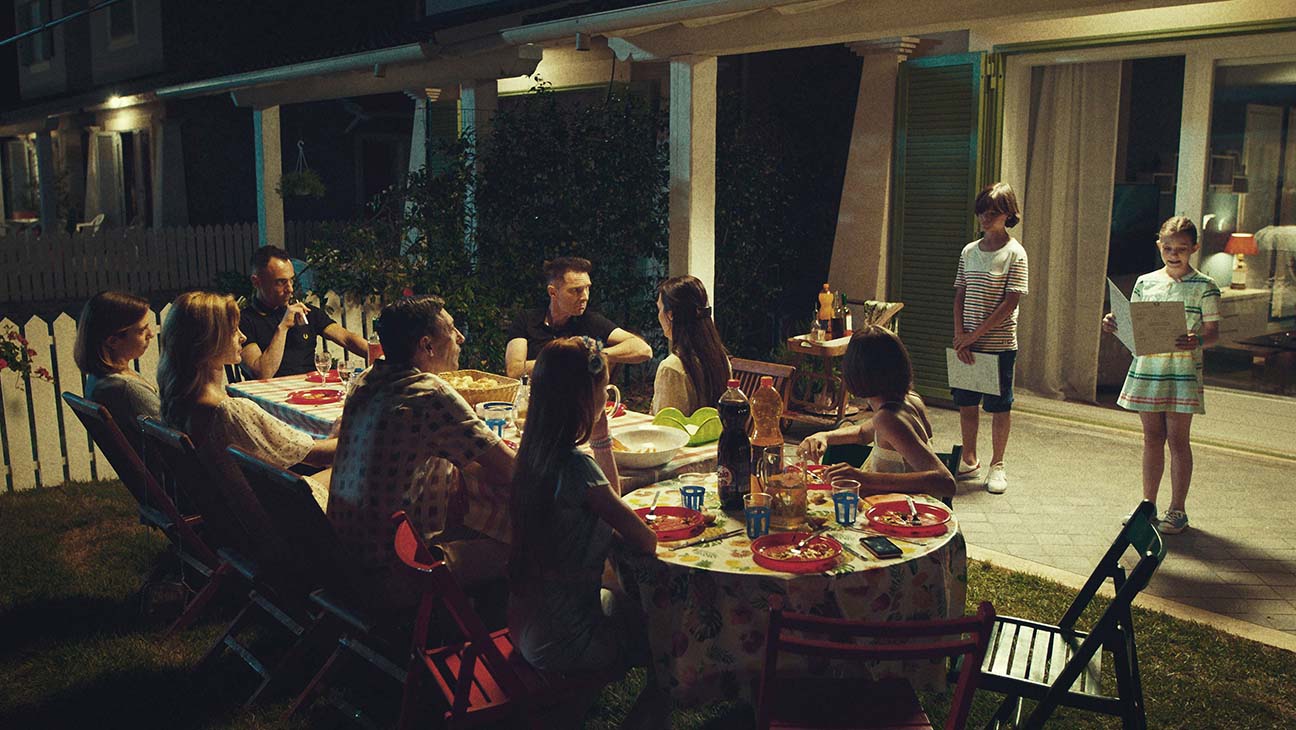
In Bad Tales, impending adulthood isn’t treated as a loss of innocence, but something more akin to congenital illness.