The most striking image in Emmanuel Osei-Kuffour Jr.’s debut feature, Black Box, is a slow, hypnotic zoom into a black cross set against a white field, until the center of the cross takes up the entire frame. The shot ends in total blackness, recalling Kazimir Malevich’s iconic painting Black Square, with its overtones of nullification and depersonalization. Later, this image returns, inverted, within the virtual space of the eponymous Black Box. This time, it’s a white cross on a black background, and the image conjures a certain symbol of white supremacy in a film that, composed entirely of black characters coming to terms with trauma, can be read as an allegory for diasporic amnesia.
The technology at the heart of Black Box’s mundane dystopia is a slight extrapolation of the digital apparatus that already mediates every facet of our lives: a device that functions as the mental version of the flight recorders used to determine the cause of airplane crashes. Amid the film’s horror sci-fi trappings, Osei-Kuffour Jr. smuggles in a rumination on how virtuality infiltrates the deepest regions of our subconscious to reprogram the inner workings of the self. At one point, a character aptly refers to the Black Box as “digital voodoo.”
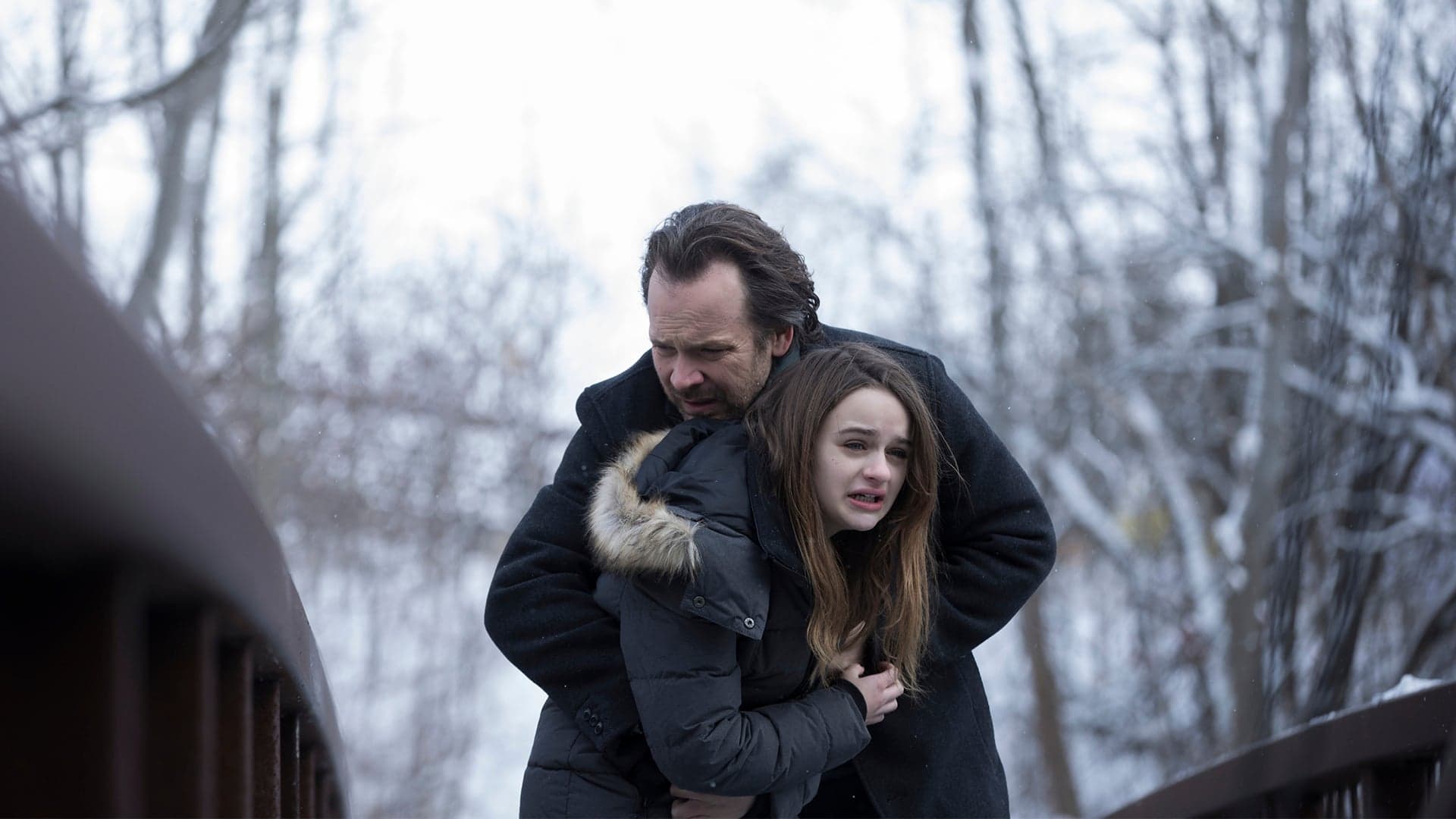
The narrative situates us sometime after the incident that afflicts Nolan (Mamoudou Athie), a professional photographer, with amnesia. The opening scenes are suitably estranging, as we’re made to identify with a character for whom all context is withheld by his own mind. His daughter, Ava (Amanda Christine), behaves as if she were an adult woman in the body of a 10-year-old, and it’s some time before we gather that her mother, Rachel, was killed in the car accident that Nolan survived, forcing Ava to take on the role of her father’s caretaker. Although Nolan strives to regain his memories and, by extension, his past self, flashes of a tormented personality that Ava cannot recognize hint that he’s forever changed.
The precariousness of his economic situation forces him to resort to an experimental study developed by Dr. Lillian Brooks (Phylicia Rashad), who connects his brain to the Black Box, a digital hypnosis aid that allows him to virtually inhabit memories—memories that, as it turns out, may not be his own. Nolan is a zombie in the original Haitian sense, resurrected from brain death to carry out the whims of a witch doctor in a white lab coat. Through him, Osei-Kuffour Jr. is asking us to contemplate how memories of our own lived experiences get mixed in with those of artificial experiences we consume daily through media informed in large part by economic anxiety and unconscious white supremacy. That a piece of digital entertainment released by Amazon Studios raises such questions is, yes, a distressing irony.
Osei-Kuffour Jr. doesn’t rely on CGI except to emphasize the artifice of the Black Box device. The most horror trope-y aspect of the film, a spidery man who haunts Nolan’s buried memories, is effected by spine-crawling sound design and a professional contortionist (Troy James). The real horror lies in Nolan’s inability to distinctly remember the faces of those closest to him, a condition known as prosopagnosia or face blindness. Stylistically, Black Box distinguishes itself with shots of prefabricated apartments and eerily inoffensive hospital corridors. The film’s near future, like the present, is a mind-numbing labyrinth, not a brutalist hellscape. While the acting fails on occasion to entirely convince, and the themes retreat into the background as the plot goes into overdrive in the film’s second half, Black Box remains notable for its nuanced psychosociological horror.
Since 2001, we've brought you uncompromising, candid takes on the world of film, music, television, video games, theater, and more. Independently owned and operated publications like Slant have been hit hard in recent years, but we’re committed to keeping our content free and accessible—meaning no paywalls or fees.
If you like what we do, please consider subscribing to our Patreon or making a donation.