Criterion’s release of Time affirms its place among the essential docs of its era.


Pat Brown teaches Film Studies and American Studies in Germany. His writing on film and media has appeared in various scholarly journals and critical anthologies.
Criterion’s release of Time affirms its place among the essential docs of its era.

It’s at a certain point toward the finale that this Scream becomes almost as drearily repetitious as the reboot culture that it skewers.

The film can be mesmerizing, but its philosophizing lapses into clichés about the distractions and decadence of modern society.
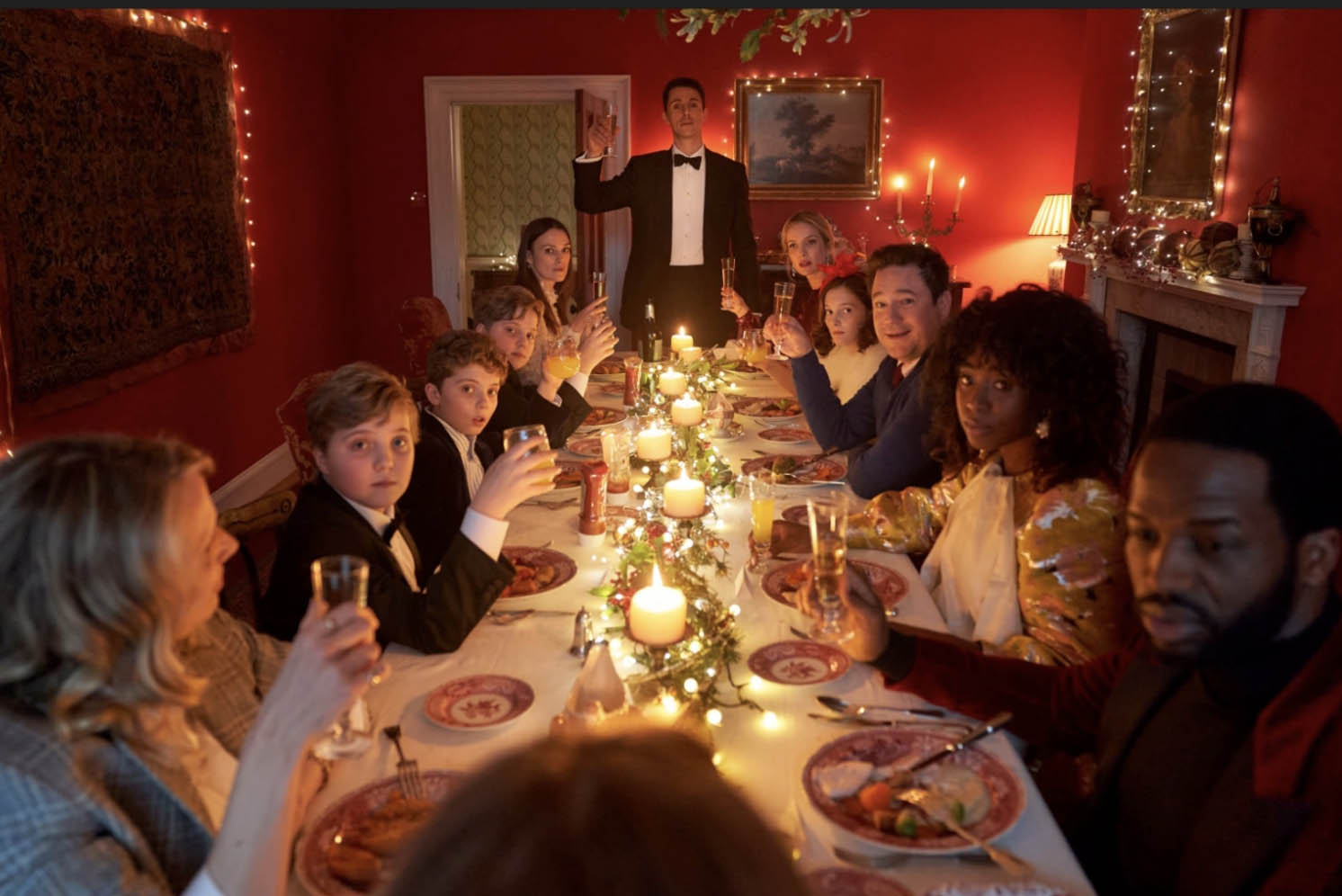
The film misplaces the root of our current existential dilemma, then covers it with tepid droll comedy and clunky melodrama.
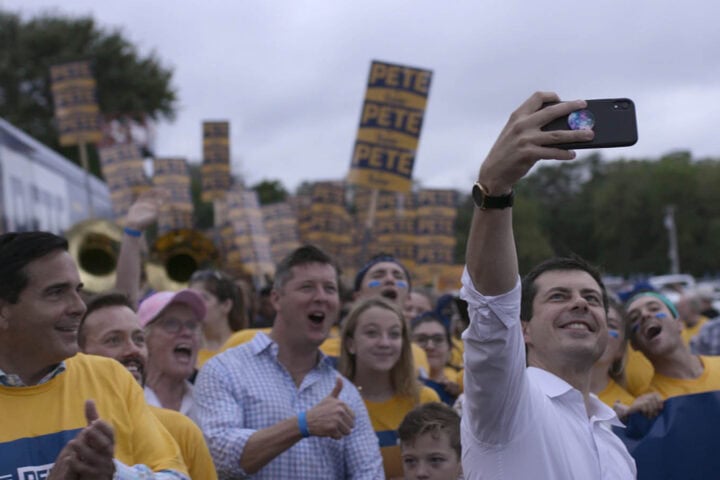
The film’s approach is completely subsumed by the importance of the Mayor Pete persona as the means and ends of the candidacy.

Matthias Schweighöfer never imbues the act of turning the dial on a combination lock with tension, intrigue, or variation.

Juho Kuosmanen’s film interestingly thrives off of an ironic juxtaposition of character and environment.

Merciless but affecting, Vortex suggests that one respite from the loneliness of life lived in the shadow of death is the realm of dreams.

The film is serious in its reflection on whether there’s a spirit world that persists beneath the façades of urban modernity.

The film may be the prime example of how to restore fun, significance, and even a little bit of sex to a well-worn genre.

Blue Bayou is a timely but tediously overwrought drama about a nakedly racist part of America’s immigration crisis.

With his first time since The Florida Project, Sean Baker reveals another slice of our American capitalist underbelly.

Titane wildly expands on Ducournau’s idiosyncratic interest in the collision of flesh-rending violence and familial reconfiguration.

Asghar Farhadi’s film slyly reveals itself to be more than a political parable about the cascading injustices of the debtor’s prison.
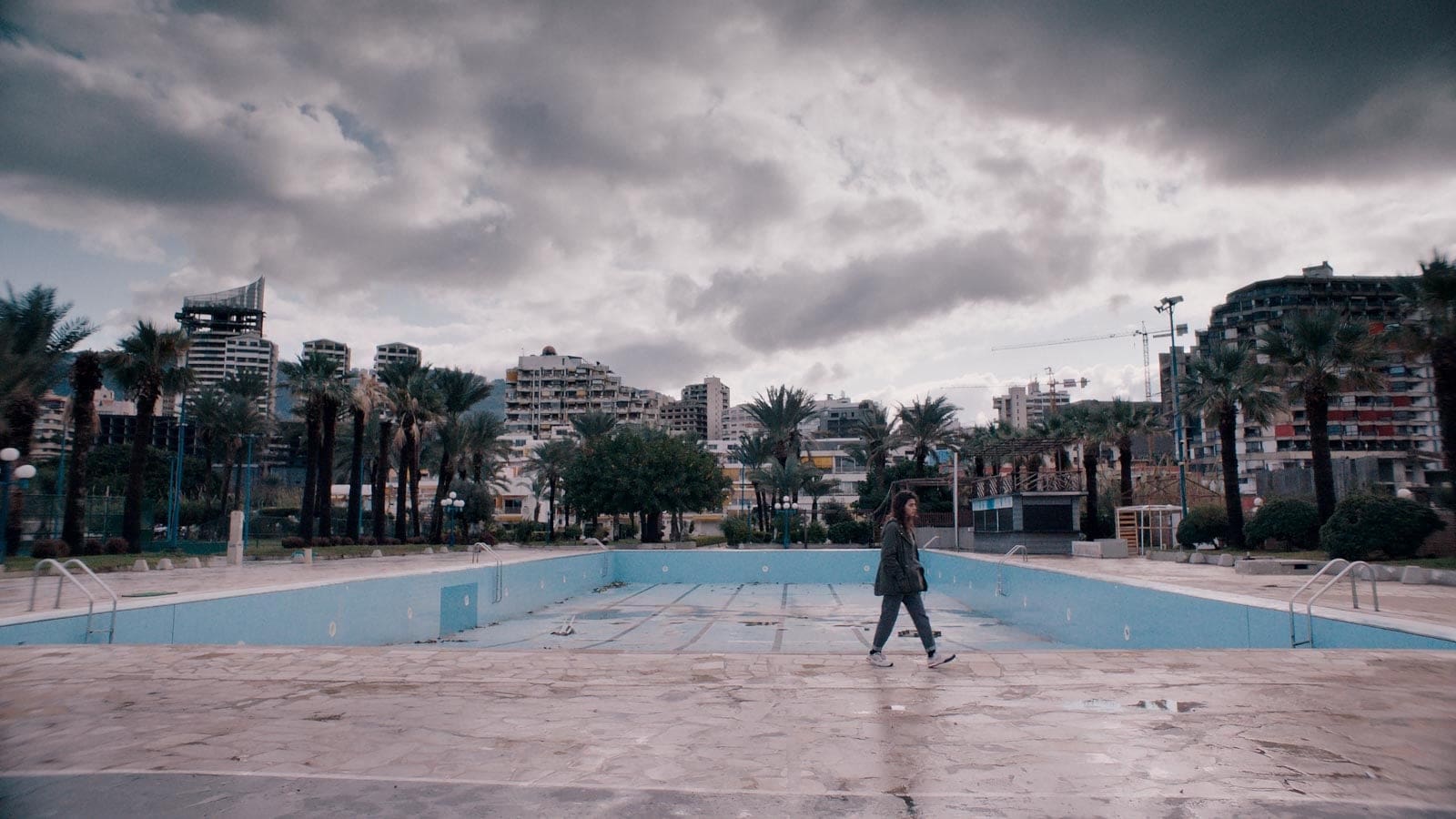
The film’s mournfully beautiful portrait of Beirut is motivated by a story that’s sometimes needlessly impenetrable.
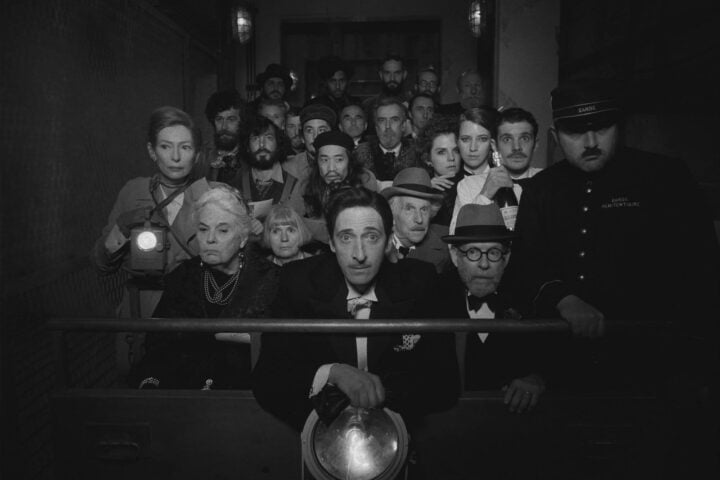
Wes Anderson’s film is an often wondrous exercise in complex narration and visual composition.

Vincent Le Port’s grim morality tale depicts a society caught between differing norms of discipline, punishment, and sex.

The film never sacrifices its ambiguity as it brings various threads about ghosts, relationships, art, and gender to a head.

Flag Day is little more than a near-two-hour montage of tear-streaked faces melodramatically shouting at each other.
The film doesn’t trust us to recognize the legitimacy of the other’s being without filtering it solely through the lens of the ruling class.