The dichotomy represented by Jonathan and John is too clean for the film’s exploration of a divided psyche to ever feel particularly complex.


Pat Brown teaches Film Studies and American Studies in Germany. His writing on film and media has appeared in various scholarly journals and critical anthologies.
The dichotomy represented by Jonathan and John is too clean for the film’s exploration of a divided psyche to ever feel particularly complex.

Claude Lanzmann’s film reminds us that the past isn’t an object behind us but a presence that’s always with us.

Director and co-writer Hannah Fidell never finds the right mix of meaningful parable and sophomoric romp.

Margarethe von Trotta’s documentary reminds us of the reasons for Bergman’s continued influence on cinema today.

In the end, there’s little payoff for all the repetitive series of evocative visions and mute stares.

The film’s slow reveal of its fantastical elements, which evoke the erratic, dreamlike strangeness of folk tales, makes them all the more unsettling.

Antonio Méndez Esparza crafts a revealing portrait of life as lived under a regime of race and class oppression.
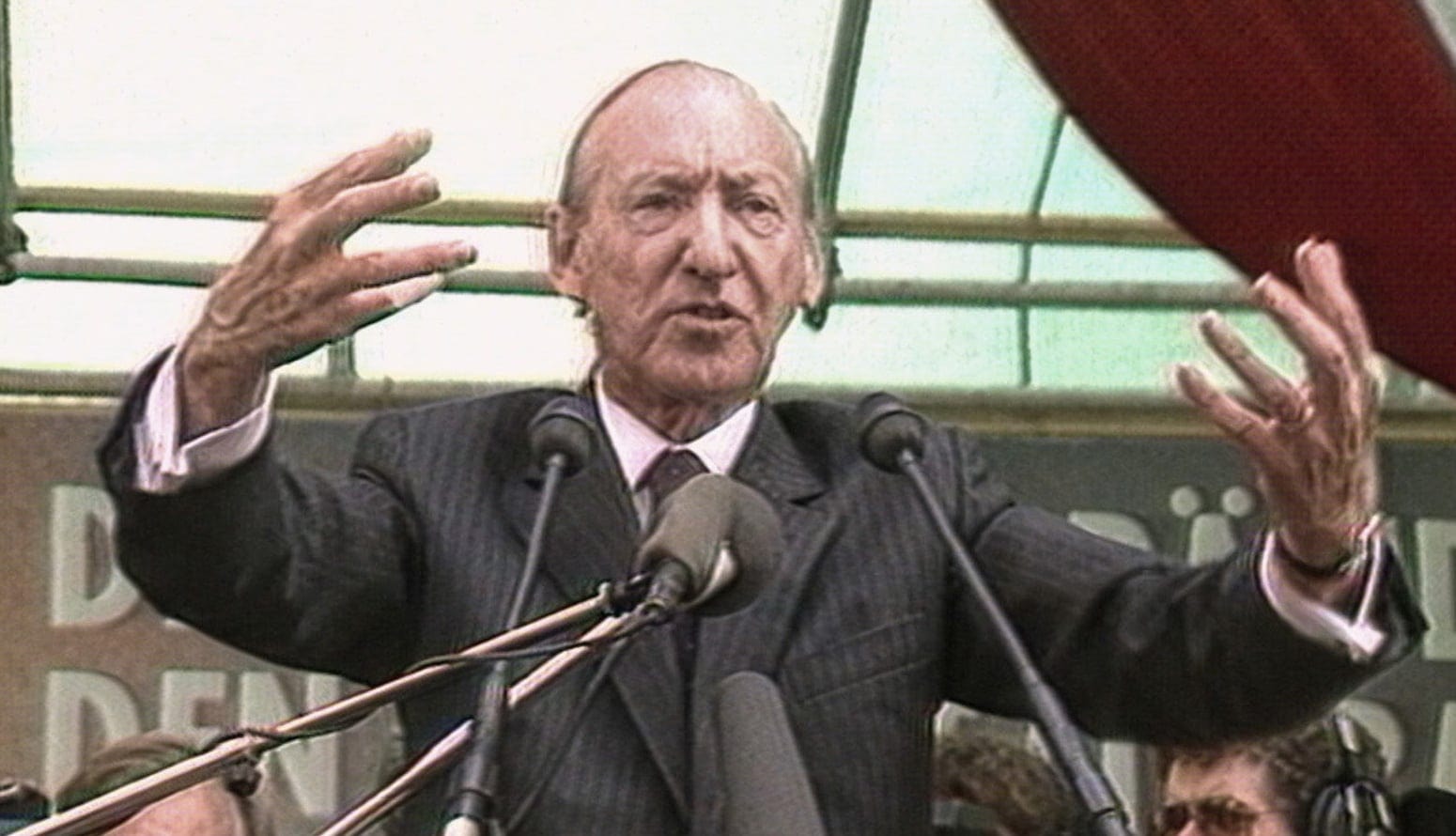
The film gradually builds outrage at the subterranean persistence of fascism in postwar politics.

The bulk of MFKZ is composed of chases and shoot-outs that drive the plot forward at a plodding pace.
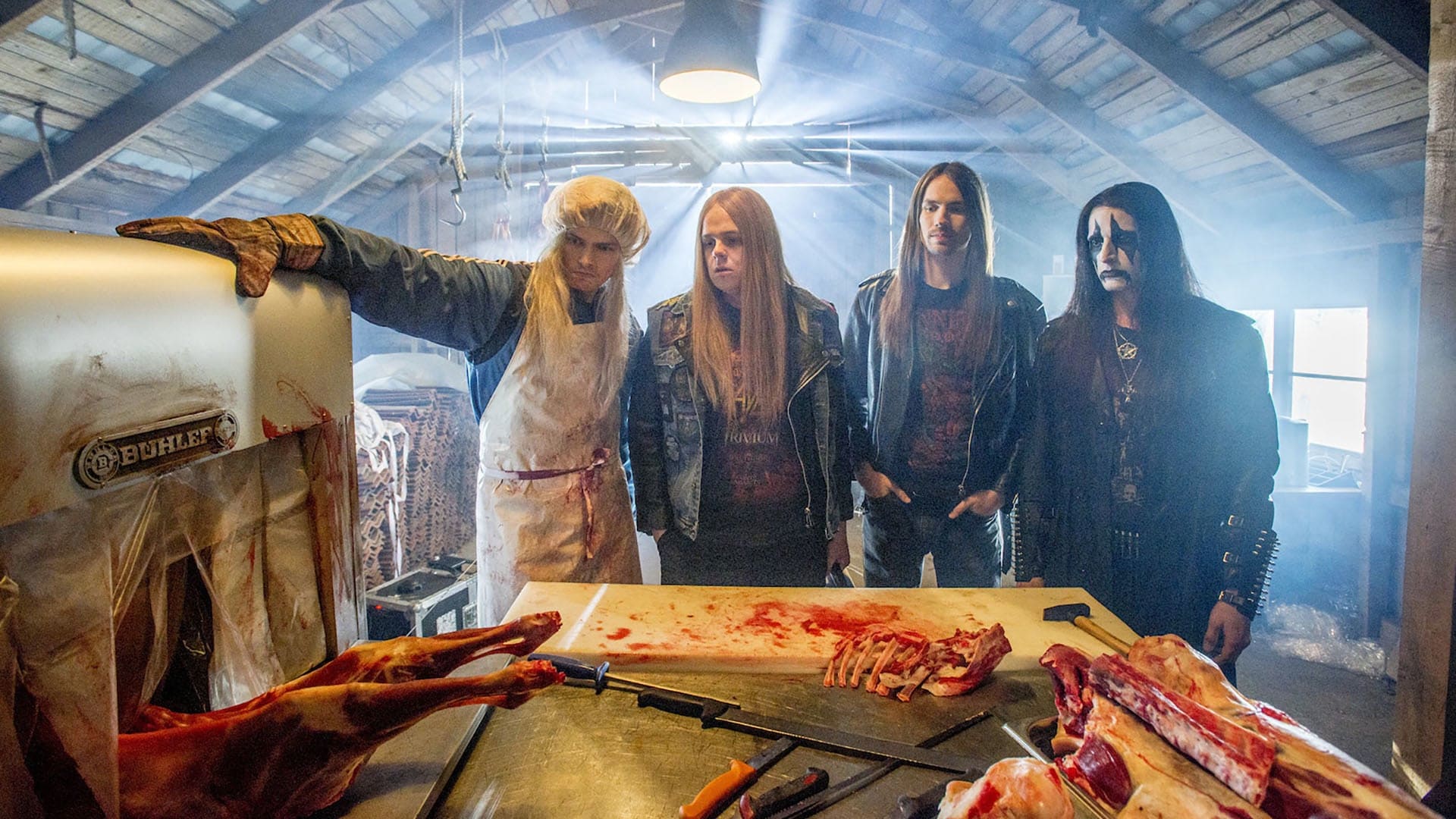
The film suggests that metal, as a rebellious lifestyle, can be an outlet for the marginalized and unfulfilled.

Over the Limit is composed of minutely observed moments that Marta Prus has assembled into an affecting narrative.

Its success is due to the way it relies on Radner’s often elegant words to relay her experience of female stardom.

Like the film, Dave Bautista’s Knox is a copy of a copy, shorn of the details that distinguish a true original.

The film underlines the absurdity of a terrible situation without demeaning those who have been harmed by it.

The way Destination Wedding uses misanthropy to augment screwball tropes ends up being its undoing.

The film cannot fully repress its almost erotic longing for the unfettered violence of the terrorist.
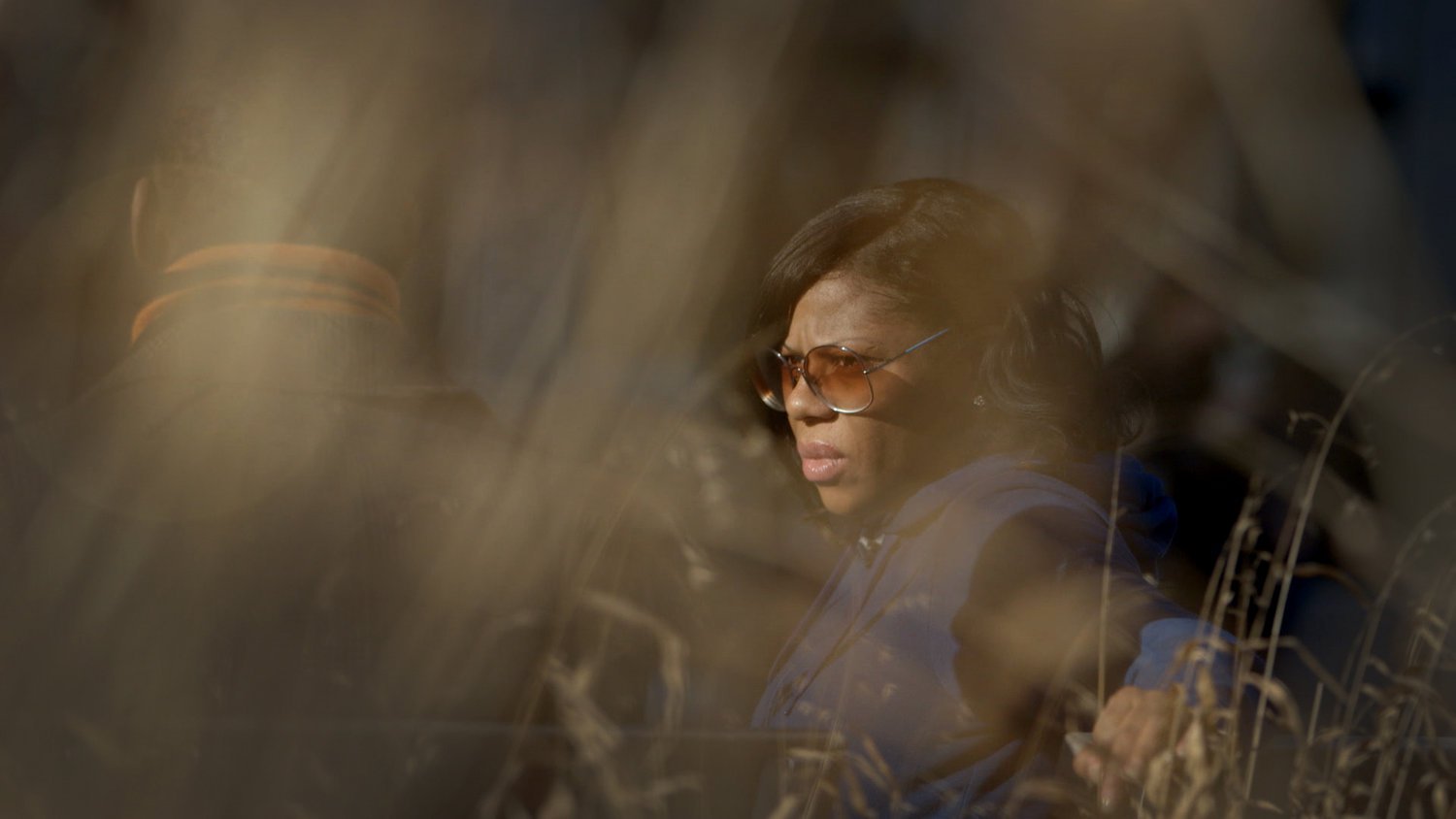
The film is a vivid illustration of how racism is perpetrated through the structure of nominally egalitarian institutions.

It’s clear-eyed about its young characters, even if the drama it constructs around them tends toward the superficial.

The film is less concerned with placing Gauguin in his historical context than it is with his emotional tribulations.

Like the film’s multilayered, symbolic cakes, Tim Kalkhof’s performance avoids over-simplification.