There’s a good chance that a female filmmaker will walk away with the Golden Bear for the second year in a row.


Pat Brown teaches Film Studies and American Studies in Germany. His writing on film and media has appeared in various scholarly journals and critical anthologies.
There’s a good chance that a female filmmaker will walk away with the Golden Bear for the second year in a row.
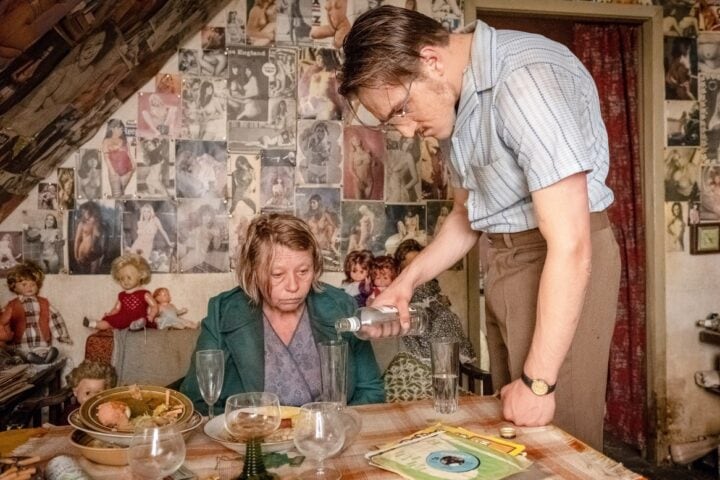
The film’s murder sequences far outlast the onset of disgust, and their intentional ugliness begins to feel hollow.
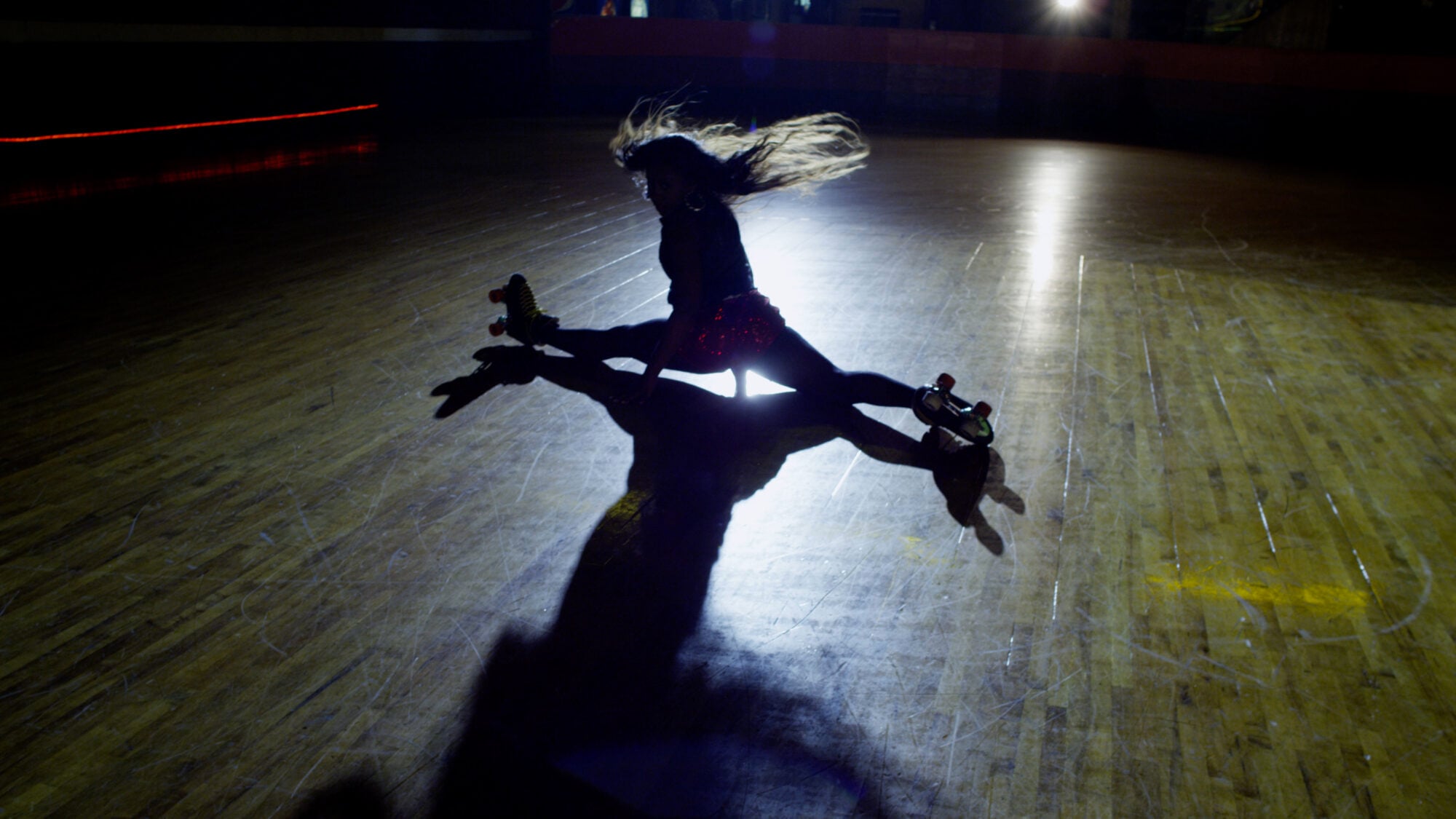
The documentary brings to the foreground a fascinating and, moreover, beautiful culture lurking in the background of other stories.
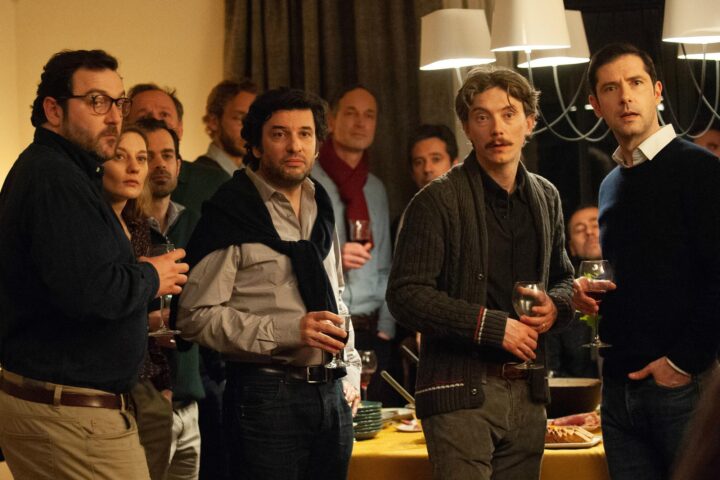
Throughout, François Ozon assiduously avoids sensationalism, compiling the story with an almost journalistic sobriety.

The film’s repetitive and lifeless dialogue robs otherwise charismatic performers of distinguishing characteristics.
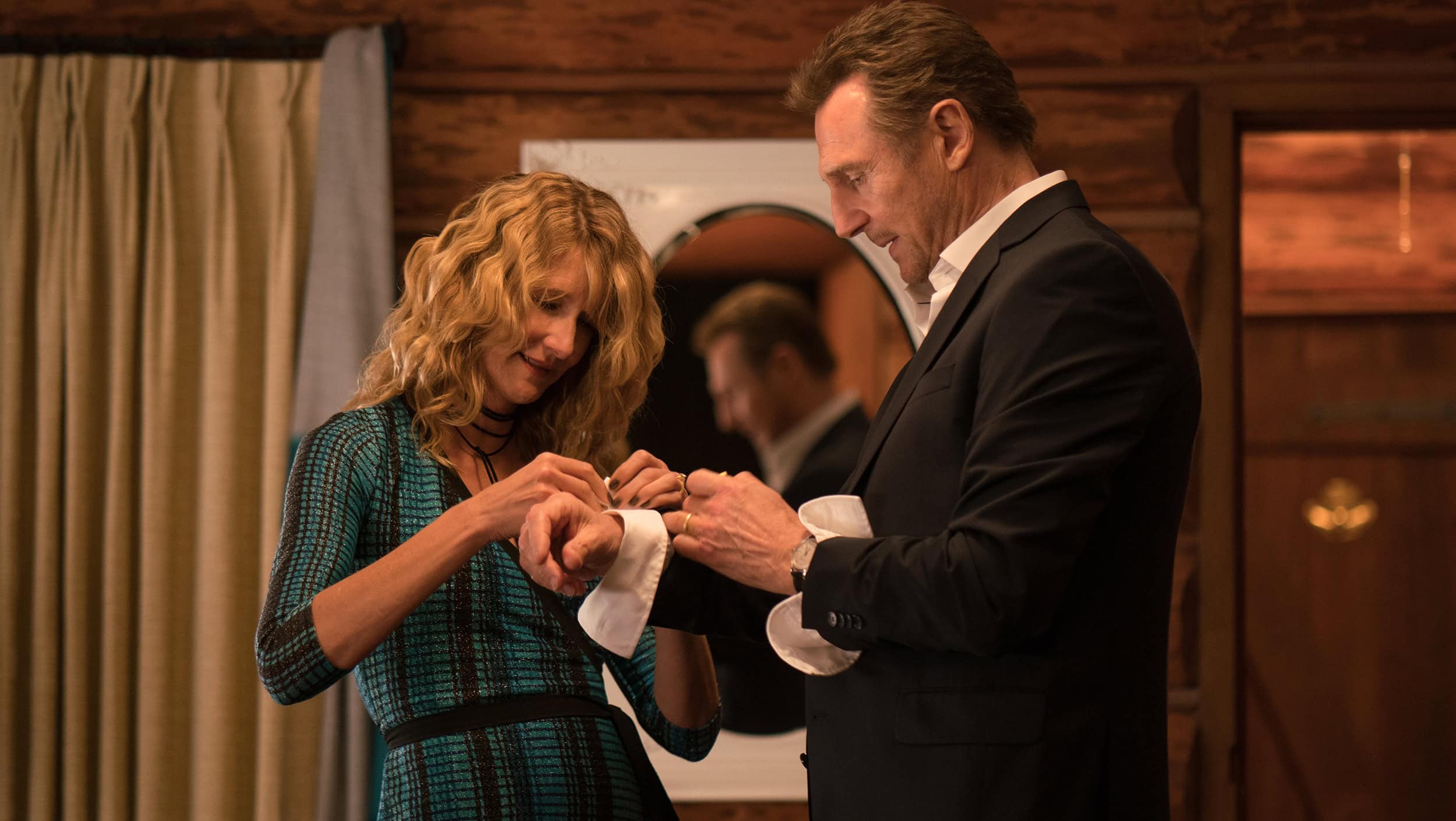
It’s the way the film’s humor specifically subverts its genre’s expected emotional valences that makes it so effective.
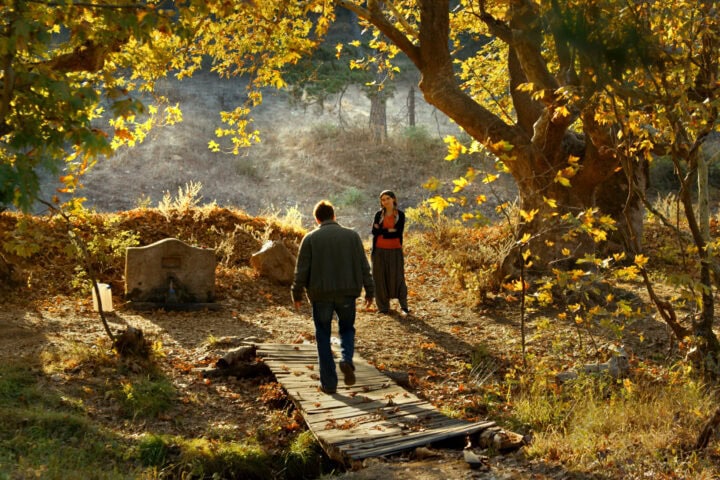
Nuri Bilge Ceylan’s film takes a leisurely approach to narrative that’s both intensely dialogical and transfixingly visual.
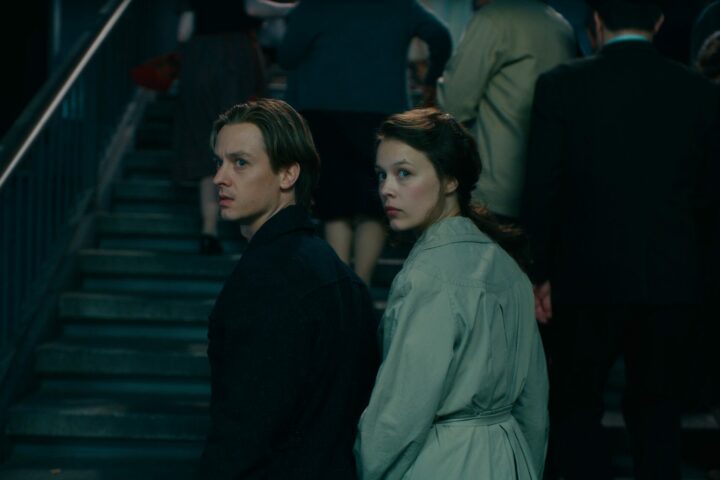
Florian Henckel von Donnersmarck’s film prioritizes the sentimental over the true, the tidy moral over the messy reality.
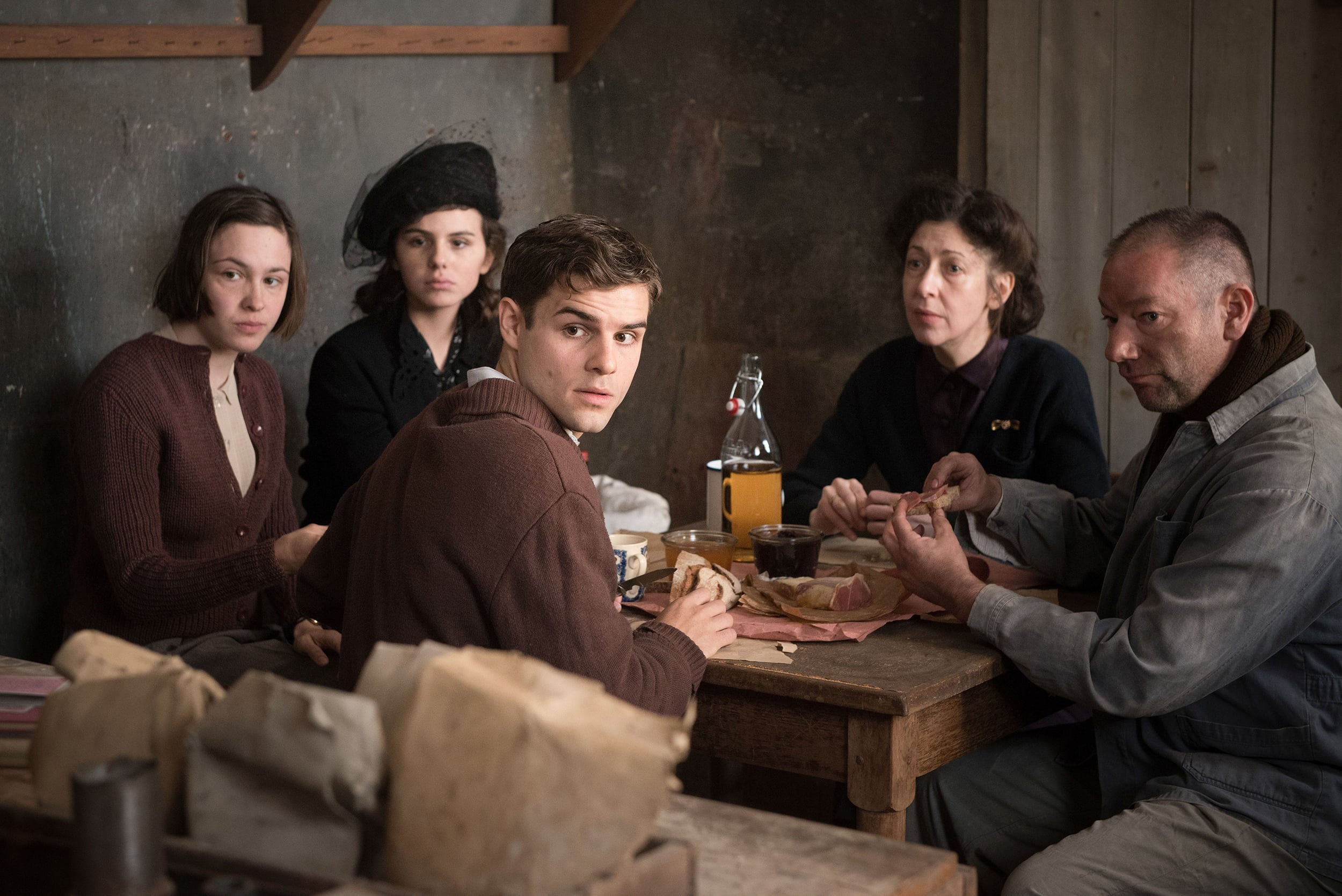
The film doesn’t bring to light otherwise unexplored aspects of the experience or memory of persecution and genocide.

Ana Brun’s performance as Chela anchors our attention where Marcelo Martinessi’s understated visuals might otherwise lose it.

Writer-director Adina Pintilie’s Touch Me Not depicts sexuality with unaccustomed frankness.

Whatever assemblage of parts make up an individual viewer’s experience of Bandersnatch, it represents the best and worst of Black Mirror.
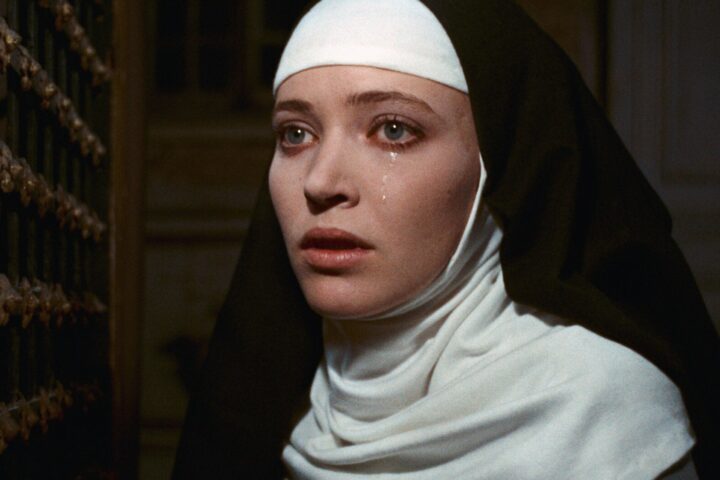
Neither La Religieuse nor its main character is ultimately able to see a way out of alienated individualism.

Bumblebee exudes some of the tediousness of a reformed sinner who decries hedonism, trying hard to convince us that it now believes in something.

Often divertingly colorful and busy to a fault, Aquaman seems to dare us to mock the world of comics’ most risible superhero.
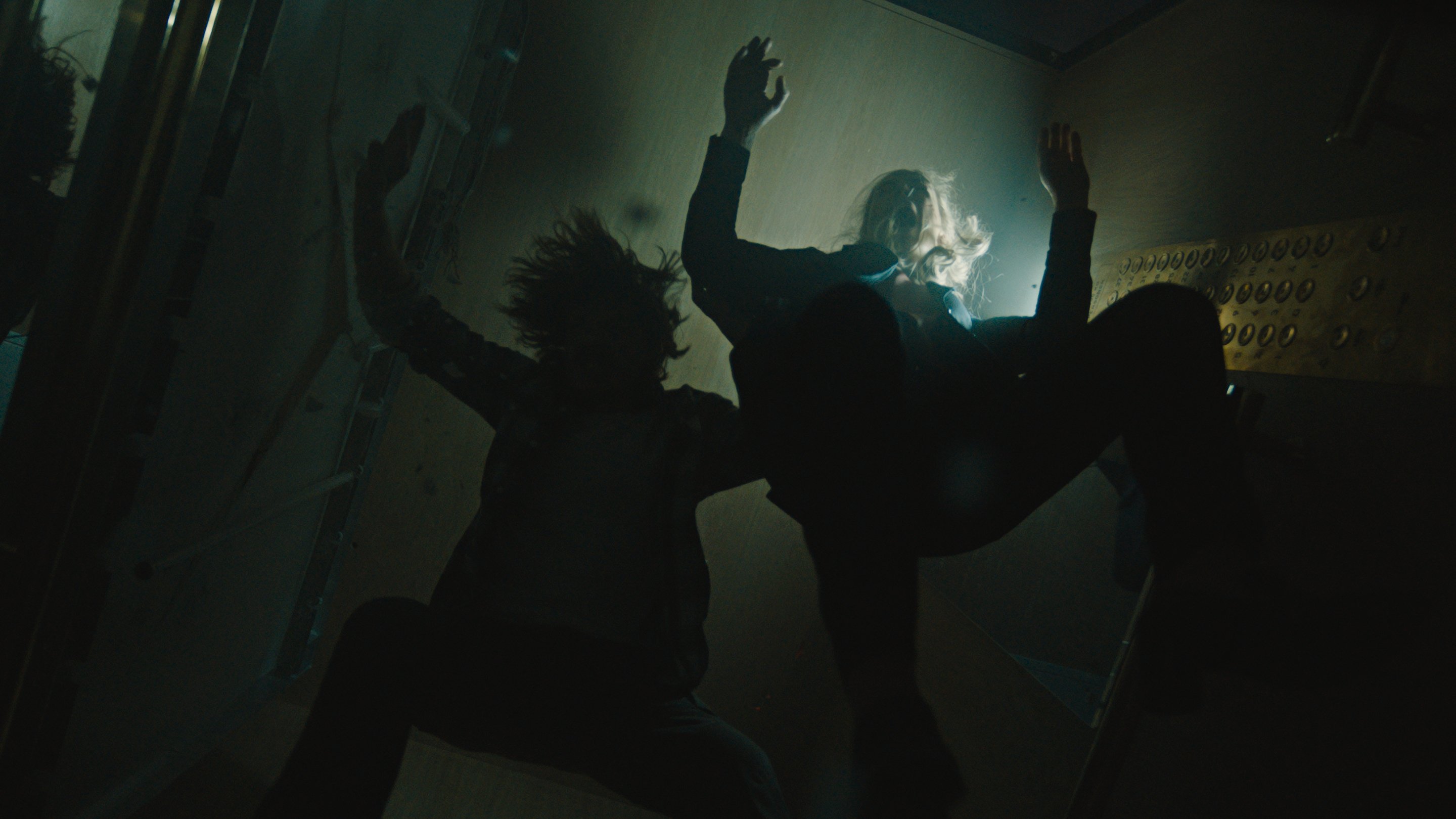
The film’s drawn-out boy-who-cried-wolf arc creates little opportunity for the main character to develop.

Ater a while, the film’s didactic drama begins to grate, its treacly emotions feeling increasingly unearned.
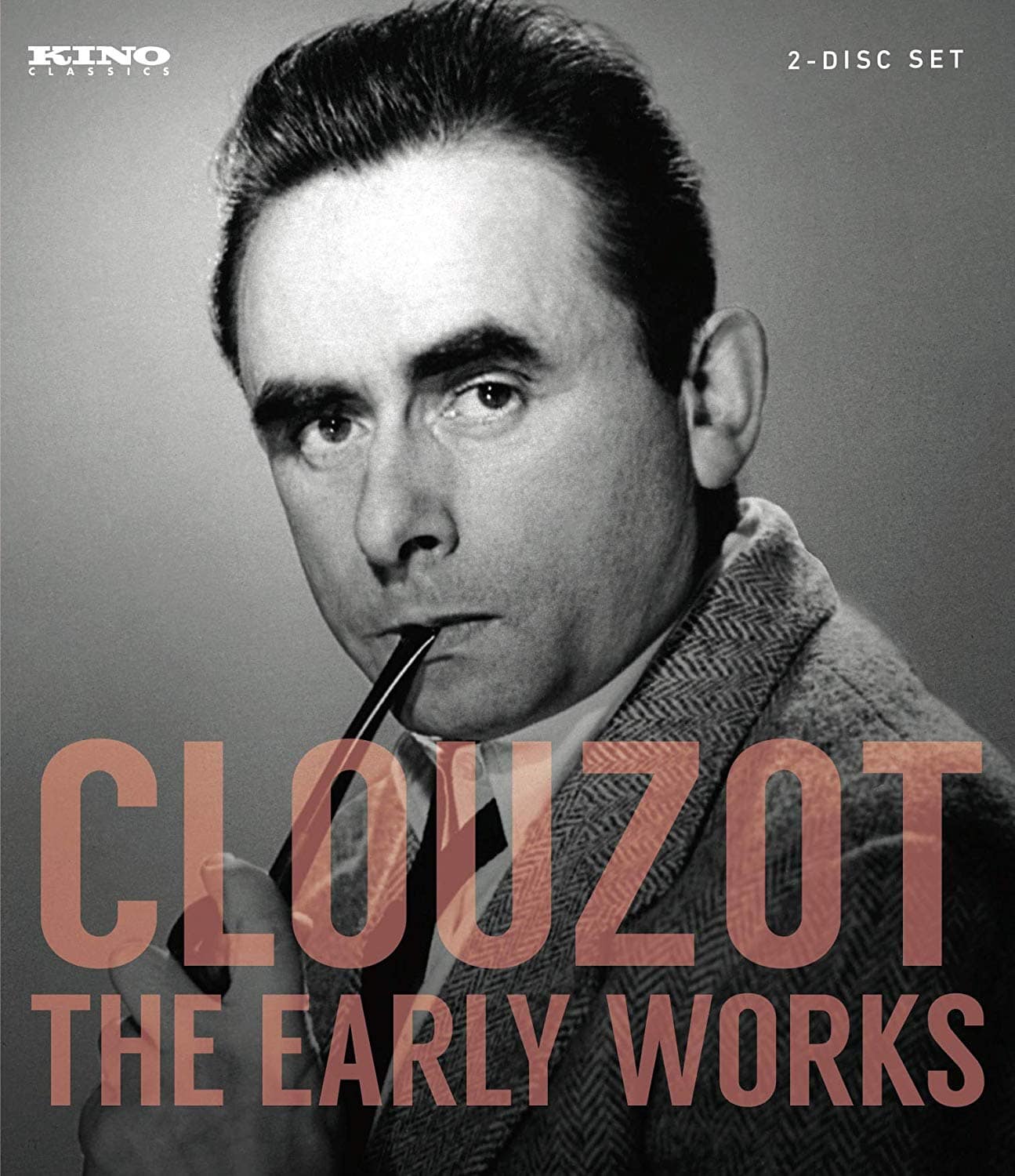
The films collected here are valuable as artifacts of French film history, but their audio-visual presentations are less than spectacular.

The fabric of the fantasy world depicted in Mirai lacks the cohesion of the film’s central theme about appreciating one’s place in a family tree.

Despite convincing performances, the film is hampered by its stylistic and moral conventionality.