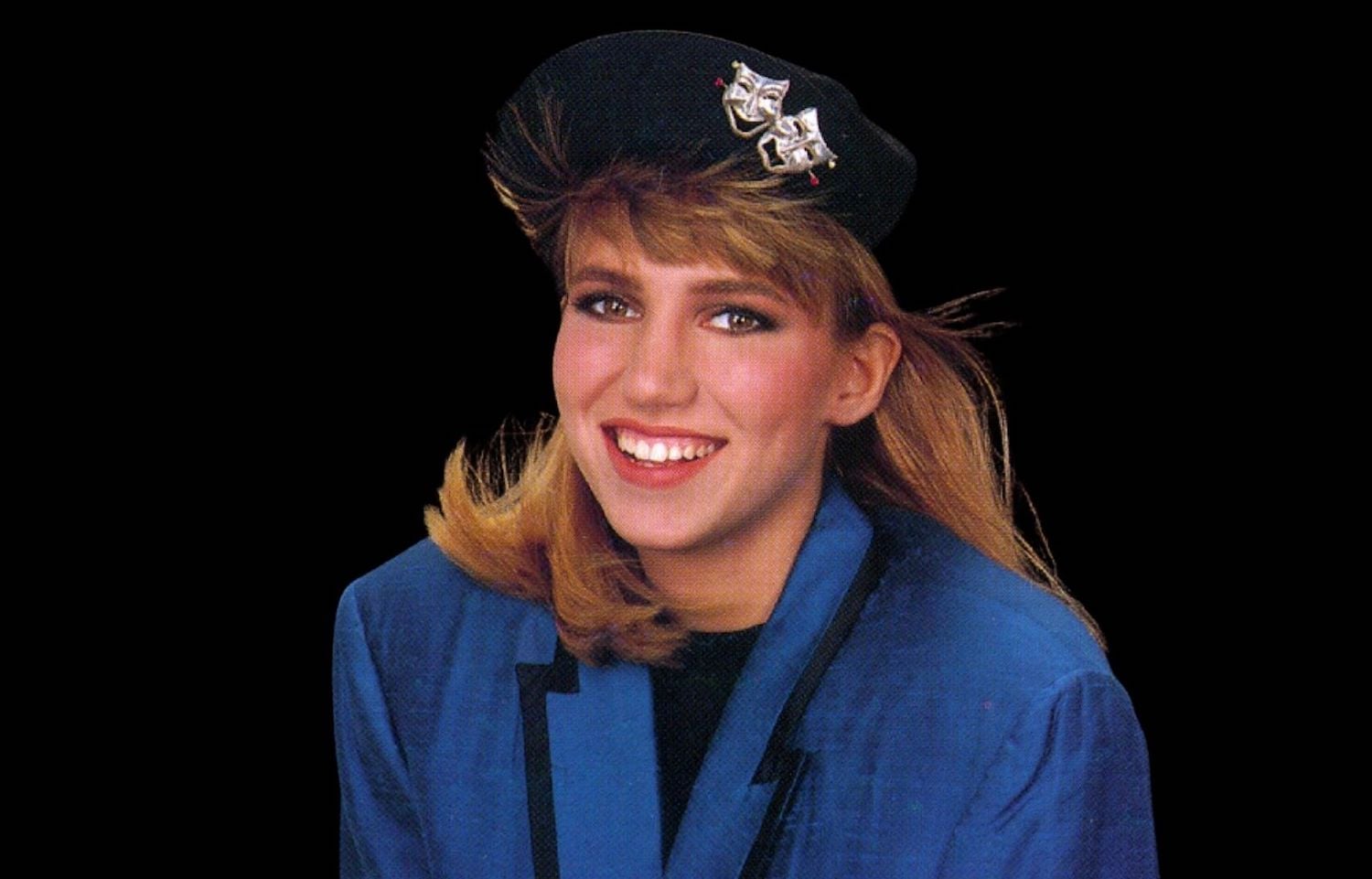
In 1991, when Debbie Gibson’s underrated third album, Anything Is Possible, stalled at #41 on the charts, the New York Times printed a full-page obituary for her relatively brief career titled “The Perils and Perishability of a Teen Idol.” In just a few short years, Gibson had gone from America’s sweetheart—anointed the youngest artist to write, produce, and perform a #1 hit—to being declared a pop casualty by the nation’s newspaper of record.
Only two years earlier, the Long Island teen had scored her biggest hit, “Lost in Your Eyes,” the lead single from her sophomore effort, Electric Youth. The album is arguably the weakest of Gibson’s four Atlantic releases, largely eschewing the sleek dance-pop and of-the-moment freestyle and hi-NRG stylings of 1987’s Out of the Blue in favor of ostensibly more mature piano ballads and Motown-lite, which zapped her music of the exuberance that made her debut so charming.
The sole exception was the title track, a peppy call to arms for “the next generation,” released as Electric Youth’s second single in the summer of 1989. Before Beck’s “Loser” and Ben Stiller’s Reality Bites defined Generation X as a bunch of disaffected slackers, “Electric Youth” dispatched a completely un-cynical, preemptive defense of America’s now-neglected “middle child.” Looking back at the song, though, what stands out most is producer Fred Zarr’s bonkers musical arrangement—a frenetic mix of faux horns, “Planet Rock”-inspired lasers, spooky sci-fi synths, and squealing electric guitars—and its even more batshit-crazy music video.

The clip, co-directed by Gibson (seen awkwardly wielding a giant prop camera throughout), finds the singer leading a troupe of young dancers dressed in floral prints, acid-washed denim, and vests—lots and lots of vests. The group assembles in front of what appears to be Castle Grayskull and proceeds to blow through the entire canon of ’80s dance moves, from the cabbage patch to the running man to what can only be described as an early fusion of the Macarena and voguing.
Halfway through, the video inexplicably cuts to shots of Gibson performing in concert, old men in Kangol hats dancing near a wooded area, and a pedestrian signal (recklessly!) urging Debbie to “RUN.” During the track’s instrumental break, the band is seen floating across the screen before the clip cuts to both a shot of Gibson giddily crumbling a piece of paper—her former manager’s contract, perhaps?—and a random photo of Michael Jordan. And just when you think it couldn’t get any damn weirder, a fortuneteller summons Deb’s face in a crystal ball, portending that the future is “electric.”
Despite the video’s copious blue laser beams and unnecessary foliage, “Electric Youth” was nominated for Best Art Direction at the MTV Video Music Awards, sensibly losing out to Madonna’s iconic “Express Yourself,” which was directed by David Fincher. (Notably, a few shots of Gibson striking a pose in silhouette recall similar set pieces from Fincher’s distinctive videos for Paula Abdul and Jody Watley from earlier that year.)
“Electric Youth” spawned a perfume of the same name, hawked to mallrats across the country, but the single just missed the Top 10 and would be Gibson’s last major hit. Since then, the boomers have poisoned both the planet and politics, millennials have self-medicated on social media and ’80s nostalgia, and Gen-Xers are sitting on the front porch, popping CBD gummies, and quietly watching it all burn. Electric, indeed.
Since 2001, we've brought you uncompromising, candid takes on the world of film, music, television, video games, theater, and more. Independently owned and operated publications like Slant have been hit hard in recent years, but we’re committed to keeping our content free and accessible—meaning no paywalls or fees.
If you like what we do, please consider subscribing to our Patreon or making a donation.