Sade can wait as long as she likes between albums and there will always be an audience waiting.


Sal Cinquemani is the co-founder and co-editor of Slant Magazine. His writing has appeared in Rolling Stone, Billboard, The Village Voice, and others. He is also an award-winning screenwriter/director and festival programmer.
Sade can wait as long as she likes between albums and there will always be an audience waiting.

Martin’s second English-language album can be divided into two relatively equal parts: the English part and the good part.
The album brims with a revolutionary undercurrent.

Listening to Production gives one a more complete sense of Madonna’s talent for recruiting the next big thing.

Gung Ho is Smith’s flawed yet admirable attempt to keep it spinning in the age of change.

The Smashing Pumpkins’s final major label release is at once sad and strangely prophetic.

To Badu, music equals inspiration.
The special limited edition is a double-disc set that includes one disc of studio material and a bonus disc of live and previously unreleased tracks.
Her voice, viewed by some as one of the best of our time, is the album’s centerpiece and it rarely leaves the spotlight.

Jennifer Lopez is a child of the ’80s.

Much like Moby, Fatboy Slim continues to prove that techno can have soul and that it’s a legitimate subgenre of rock.
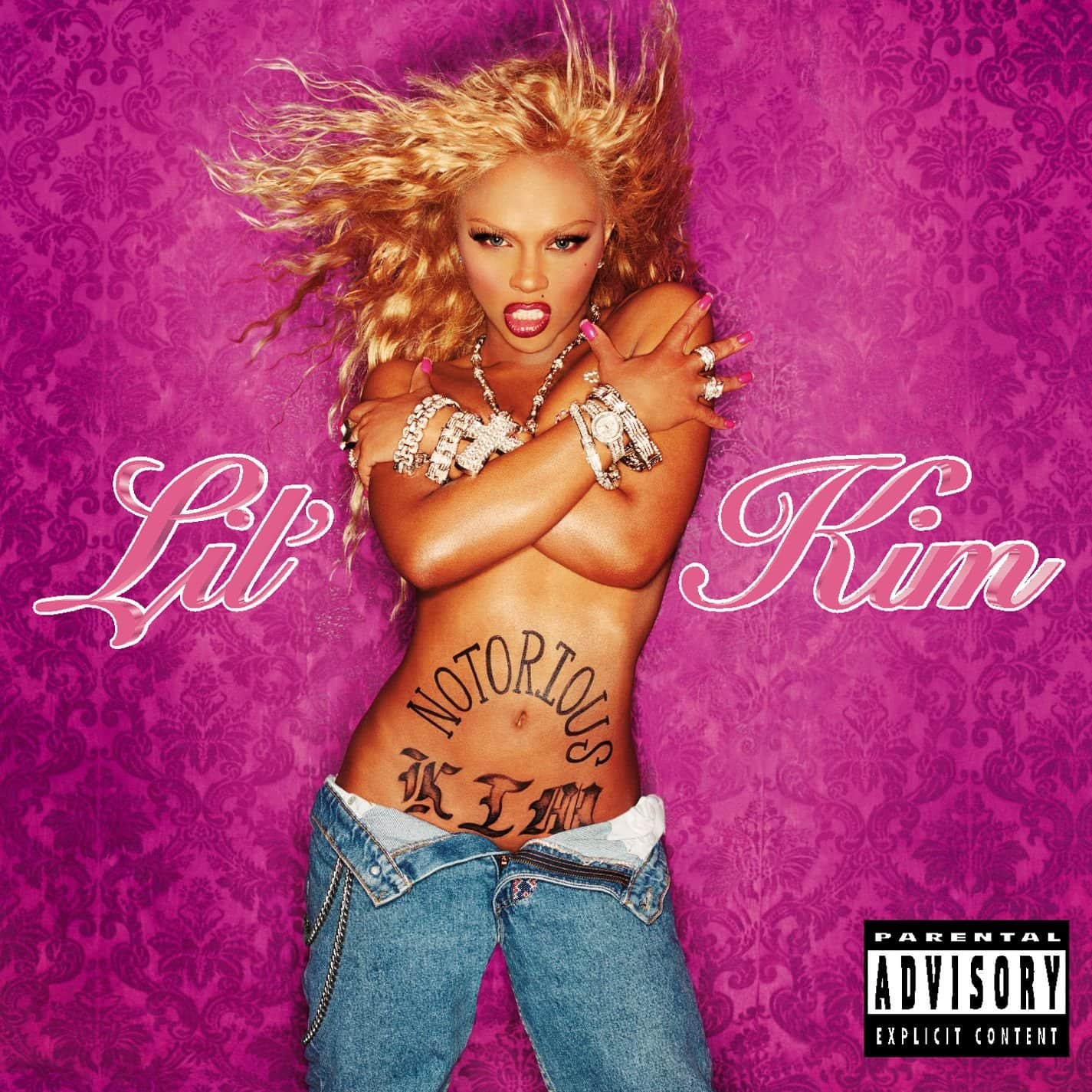
With her new album, Lil’ Kim finds new and inventive ways to demand oral pleasure from her men.
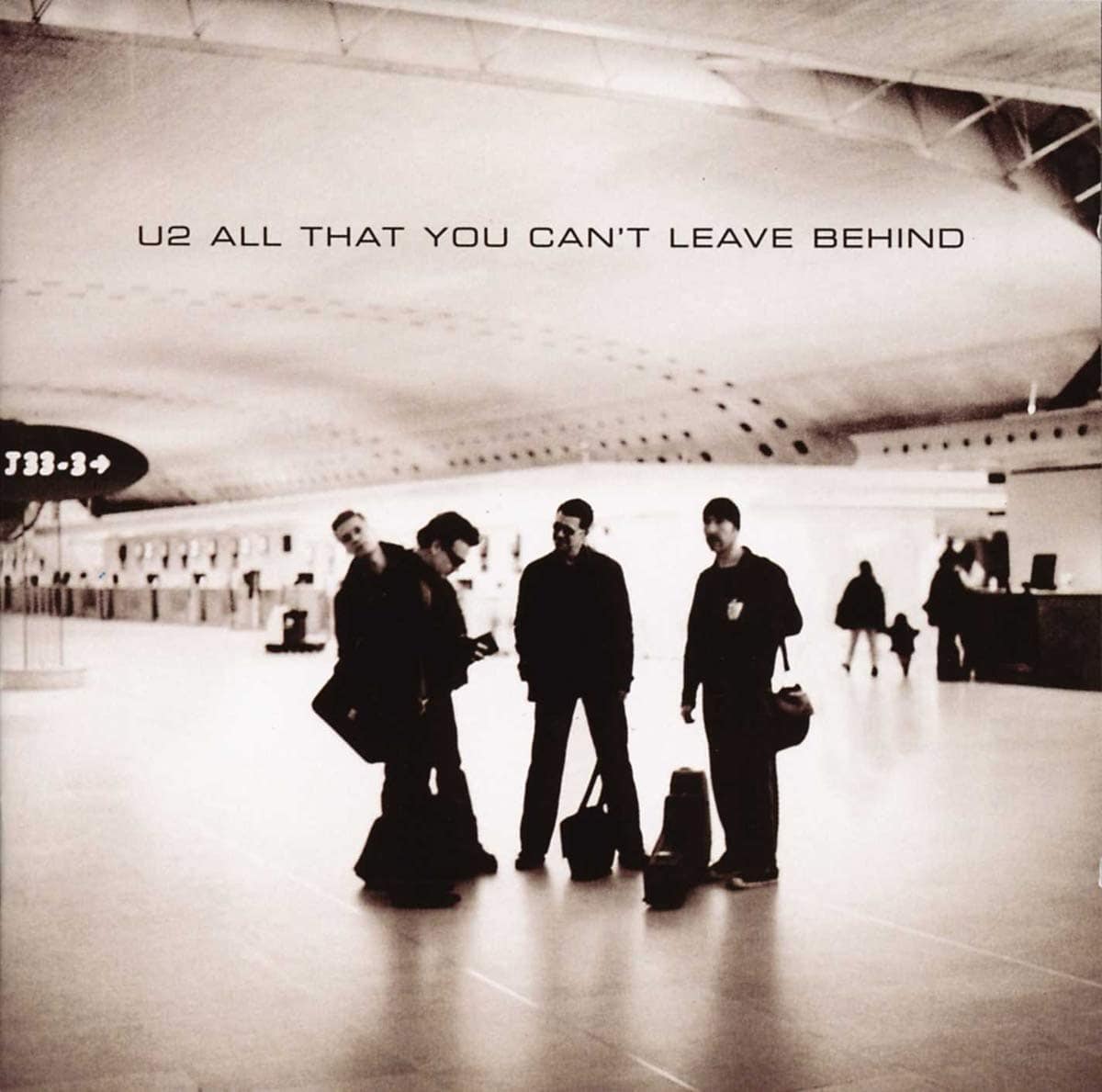
U2 wants a hit…bad.
While Tosca’s Opera was sexy and decadent, Suzuki is enlightened and even chaste by comparison.

More than a few songs here would fit nicely nestled between tracks on Homogenic.
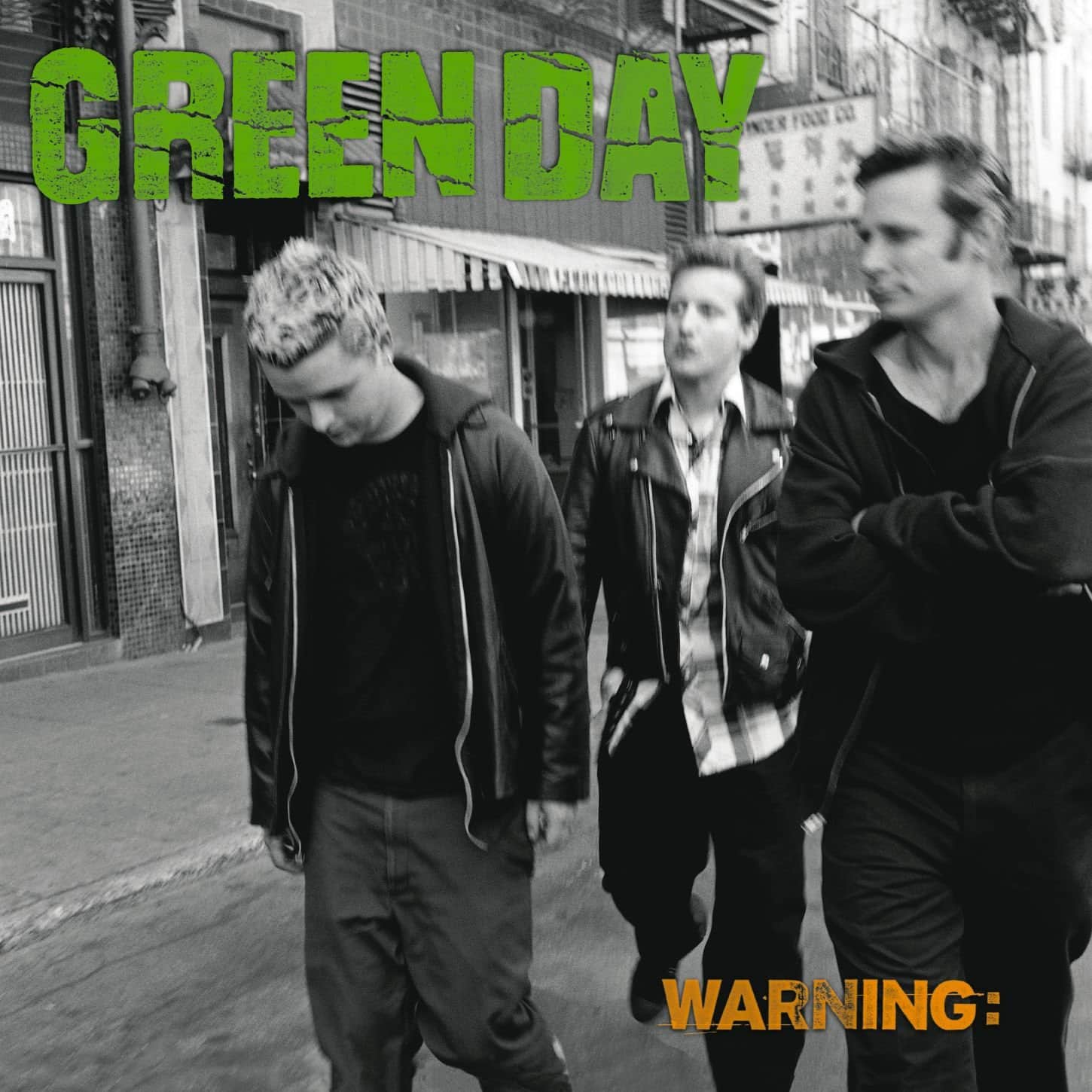
Warning misses some of the youthful vigor of Dookie and the exciting rebellion that punk once brought to the mainstream.
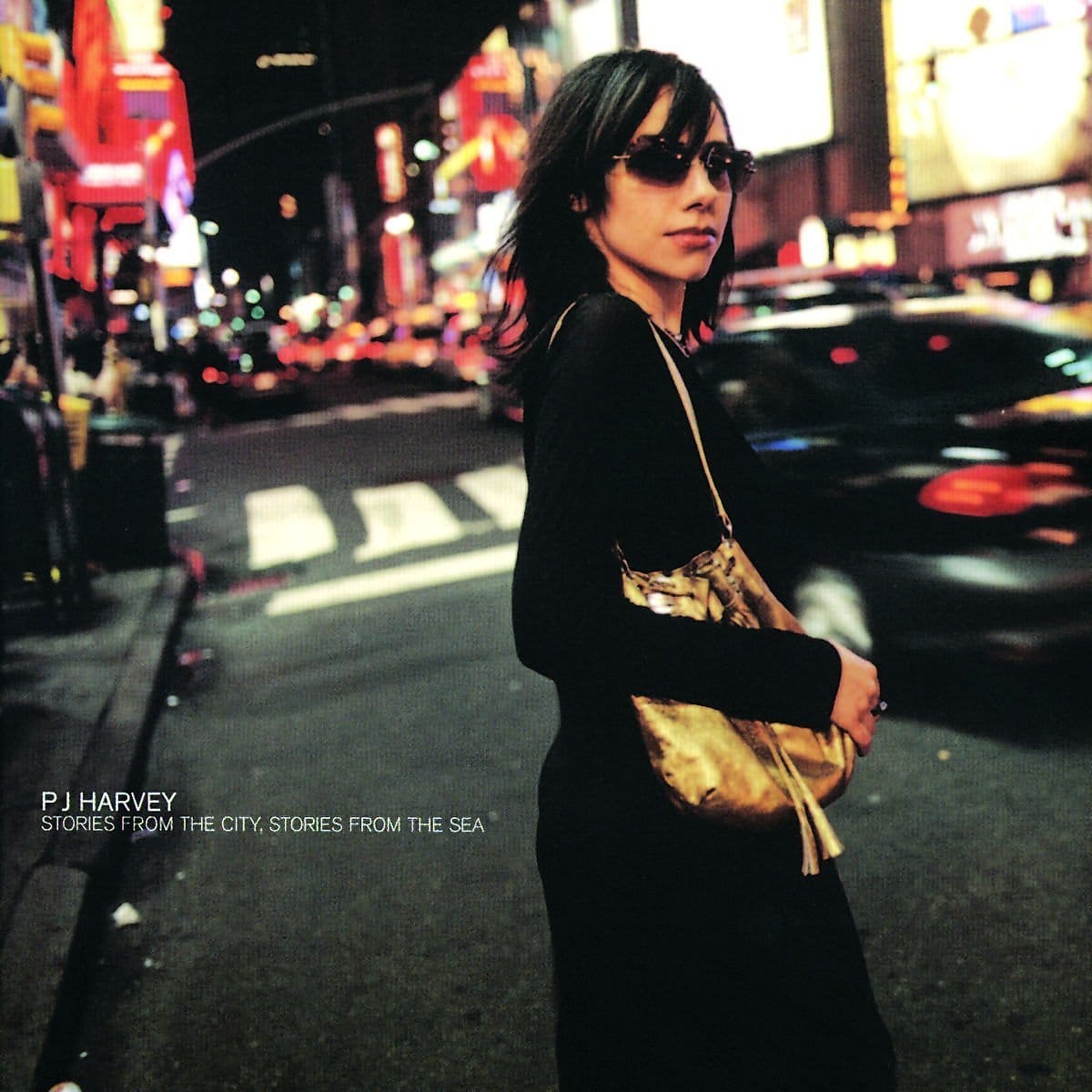
Harvey seems to have set out to purposely make a New York album, and its flaw is in its all-too-obvious intention.
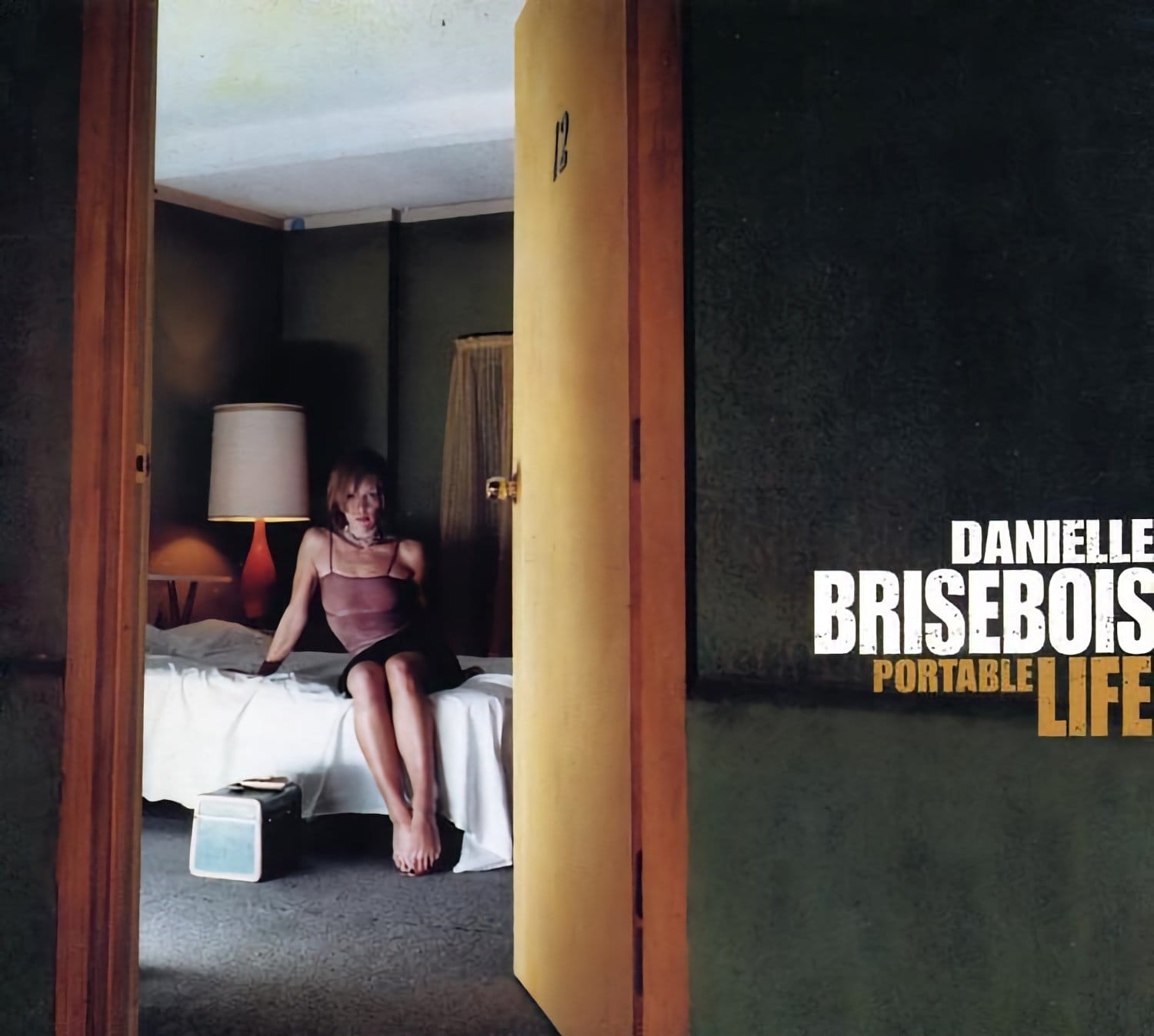
Brisebois’s voice is distinctive and timeless, light enough for pop radio but strong enough for a good wail.
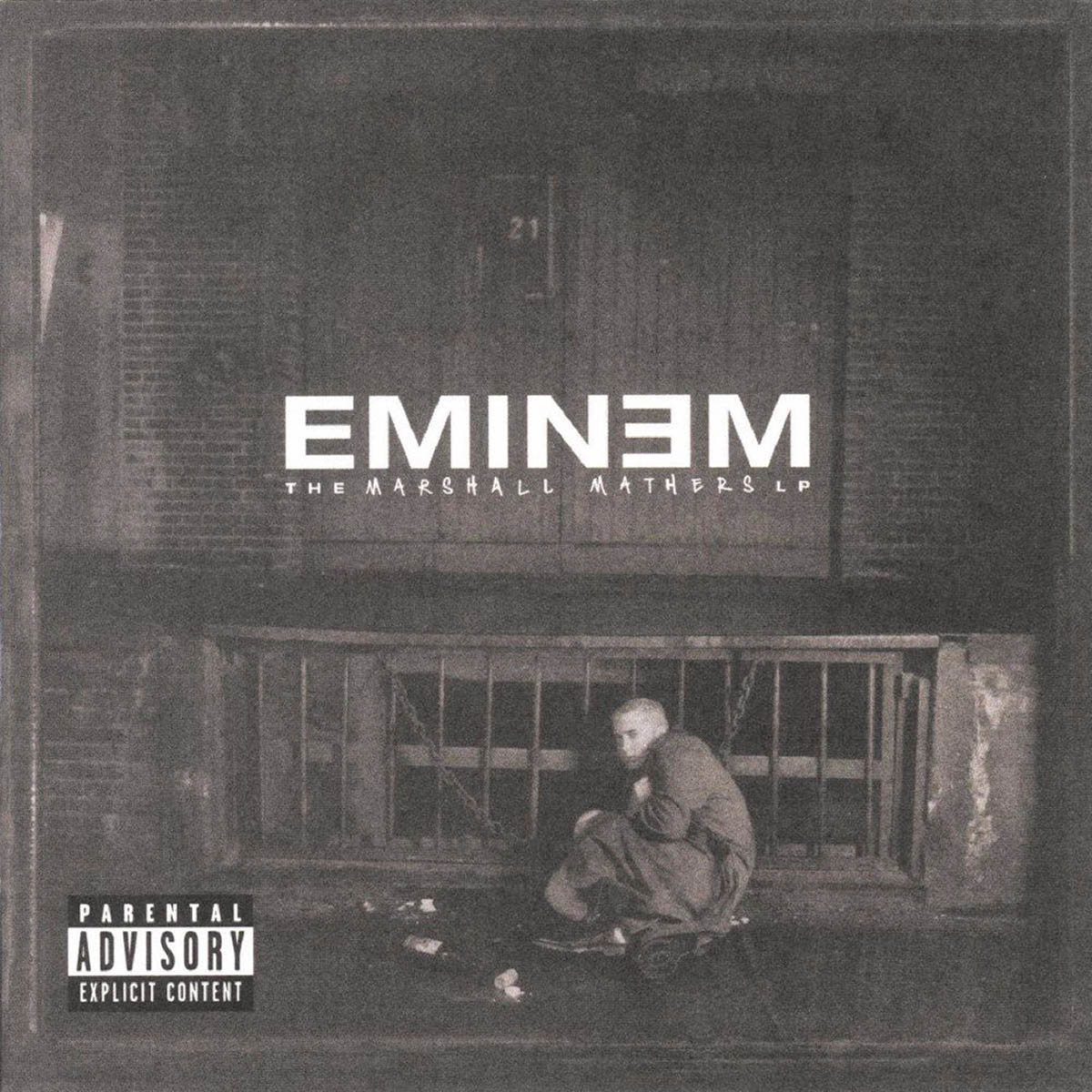
The songs here seem to be the result of a severely maladjusted individual rather than an intentional satirist.
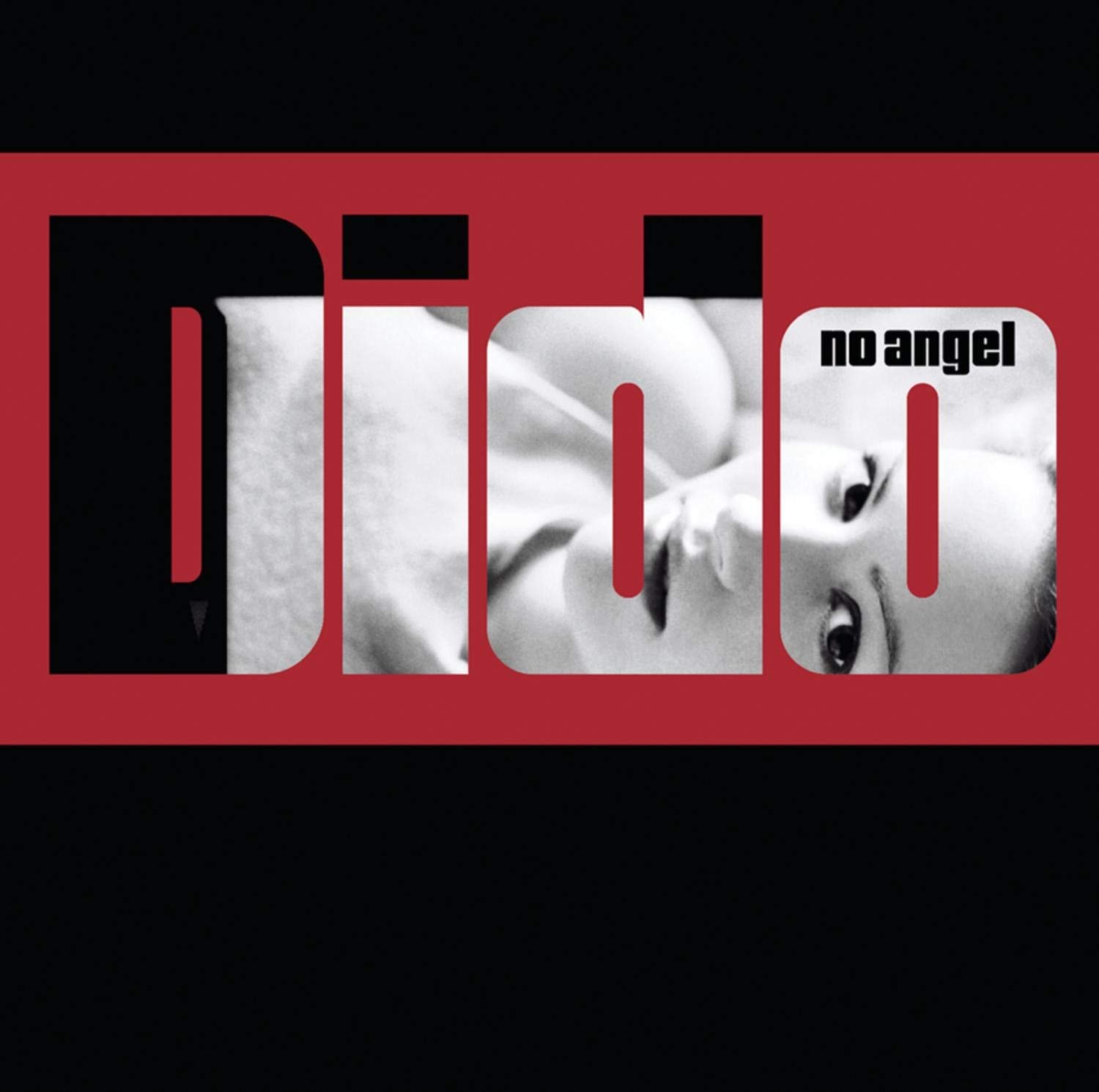
No Angel is a sleepy response to the torture of lost love, its folky pop quietly accented with elements of electronica.