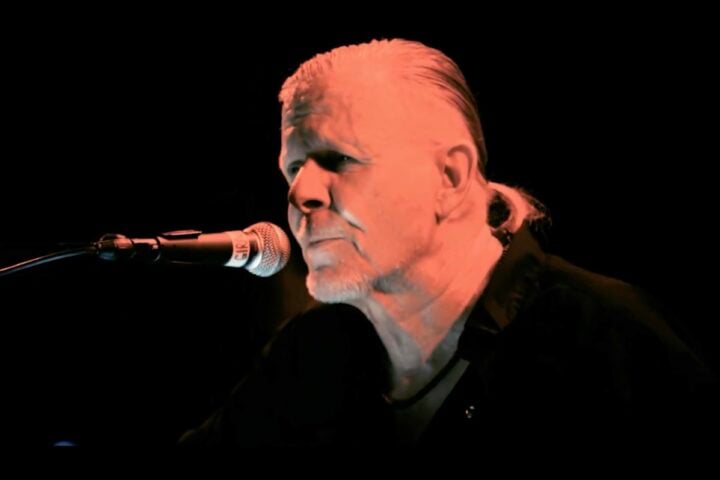
The ethos of Black Midi’s sound is practiced chaos. The London band’s 2019 debut, Schlagenheim, used cathartic starts and stops and an onslaught of guitars and drums to amplify vivid character sketches and genre explorations. Their sophomore effort, Cavalcade, seeks less to inundate us with noise—though there’s definitely still some noise—than capture a mood of dissatisfaction and malcontent. It’s an atmosphere-focused album that attempts to express the nastier side of being alive.
The result is evocative but not necessarily satisfying, though it’s hard to imagine that’s what singer-guitarists Geordie Greep and Cameron Picton and drummer Morgan Simpson were aiming for. The lurching opening track, “John L,” which describes a vaguely biblical orator whose followers turn on him, boasts a section that’s intentionally off-key and off-rhythm, playing behind the beat and letting the guitars and violin squeal. Similarly, on songs like “Diamond Stuff” and “Dethroned,” the tension is ever-mounting, even as the band is given to disorienting non sequiturs and constant switch-ups in time signature and intensity.
It’s not pleasant, but it also ably reflects the lyrics’ obsessions with personal failures. On “Marlene Dietrich,” Greep sings of “relentlessly trying to untie our knots, of rivers and roads that defy all sense,” a predicament that the music captures with interlocking, twisty guitar parts that sound like they’re trying to work something out only to keep getting lost. Similarly, “Chrondromalacia Patella” features the line “incessant, repulsive, backtracking hypotheses,” another rather perfect encapsulation of the band’s music, as the riffs often double back on themselves, disintegrating from repetitive, knotty structures into free falls of, to quote another song on the album, “infernal din.” When teased out, every observation is a clever dart that registers a relatable emotional frustration to which the music gives seething life.
No matter how maddening and challenging Cavalcade can be, the songwriting and musicianship on display is impressive. There’s not a cheap rhyme or pat cliché to be found among the (sometimes unintelligible) lyrics. The sonics, frequently atonal and almost bereft of melody, play with negative space more than on Schlagenheim, letting the lonely drift of the string section or Kaidi Akkinibi’s saxophone make their mark in near-isolation.
But Black Midi’s move toward a less assaultive approach, along with their tendency to go down lyrical rabbit holes, can make these songs feel unfocused; the back-to-back “Slow” and “Diamond Stuff” wind their way into digressions that are beautiful but patience-testing. This is despite the fact that Cavalcade was reportedly more formally constructed and not as based in jam sessions as the band’s debut. Not quite punishing enough to be punk or metal, yet not groove-based enough to succeed as jam rock or freak-folk, the album restlessly ports between intimations of these modes, refusing to land on one thing for very long.
“Ascending Forth,” Cavalcade’s staggering, nearly 10-minute closer, goes a way toward bringing it all together, uniting the album’s themes and discursive sonic palette. The song follows the travails of Mark/Markus, a writer or composer who’s creatively blocked. Once he does access inspiration, he’s roundly mocked for it and “unanimously condemned.” It’s a bitter note of conclusive, personal, and artistic defeat that Black Midi stages with operatic fervor, rendering the album a true ode to displeasure that embodies the sensation a little too well.
Since 2001, we've brought you uncompromising, candid takes on the world of film, music, television, video games, theater, and more. Independently owned and operated publications like Slant have been hit hard in recent years, but we’re committed to keeping our content free and accessible—meaning no paywalls or fees.
If you like what we do, please consider subscribing to our Patreon or making a donation.