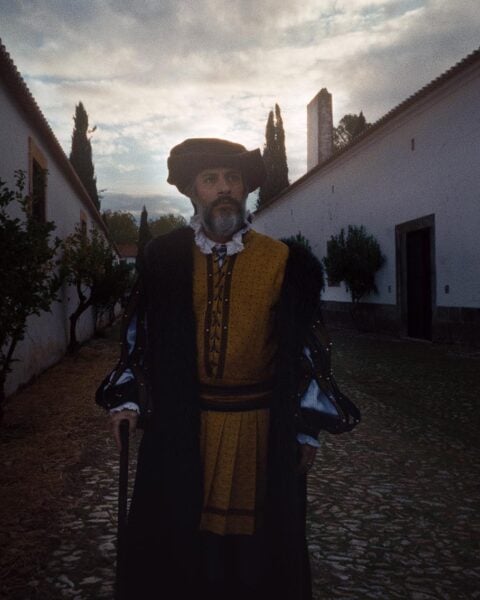
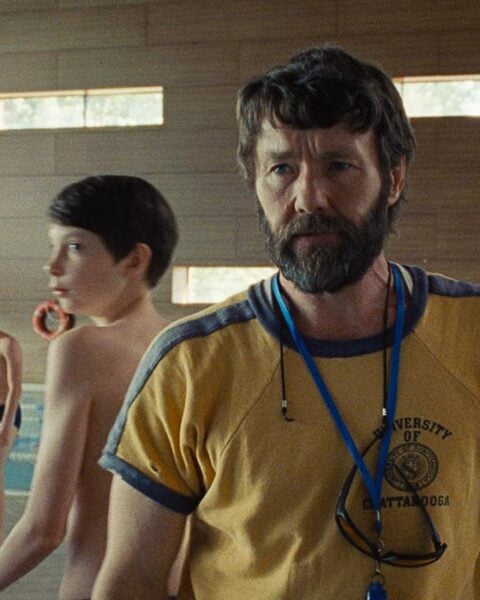
Birney discusses where he sees connective tissue between cinema and video games.
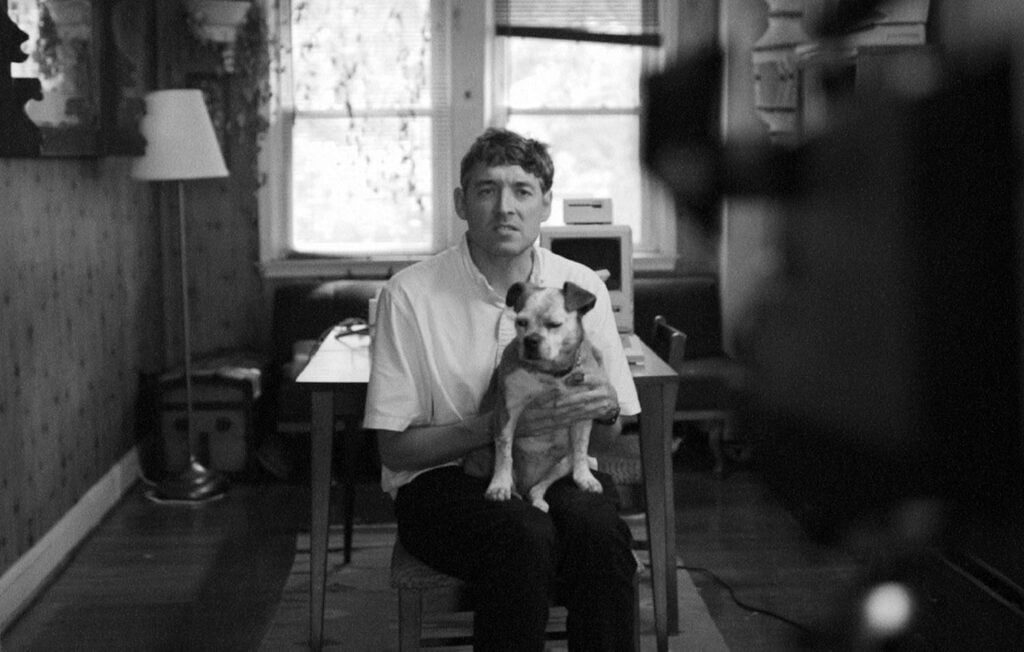

Birney discusses where he sees connective tissue between cinema and video games.
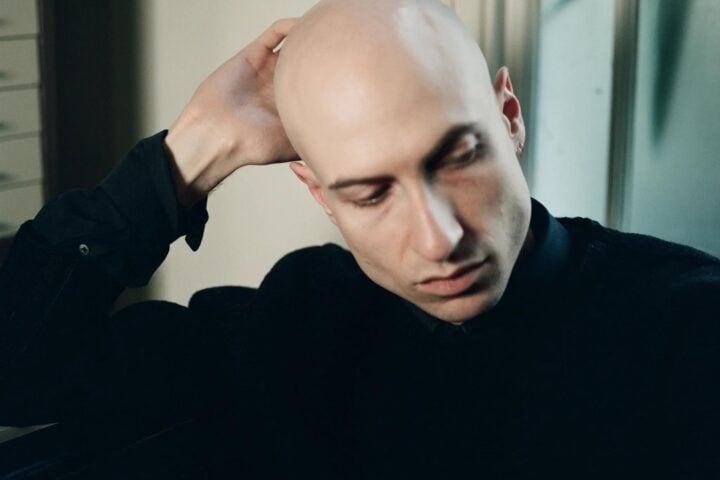
Blumberg discusses developing the film’s main musical themes, his collaborators, and more.
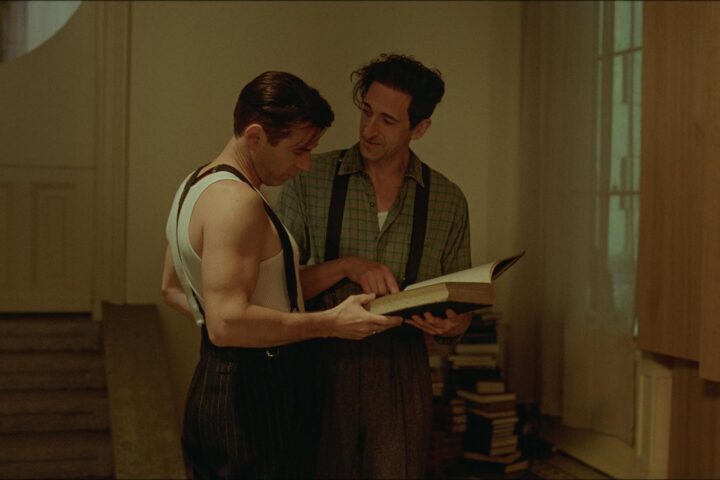
Nivola discusses where he saw connections to his own life in Brady Corbet’s film.
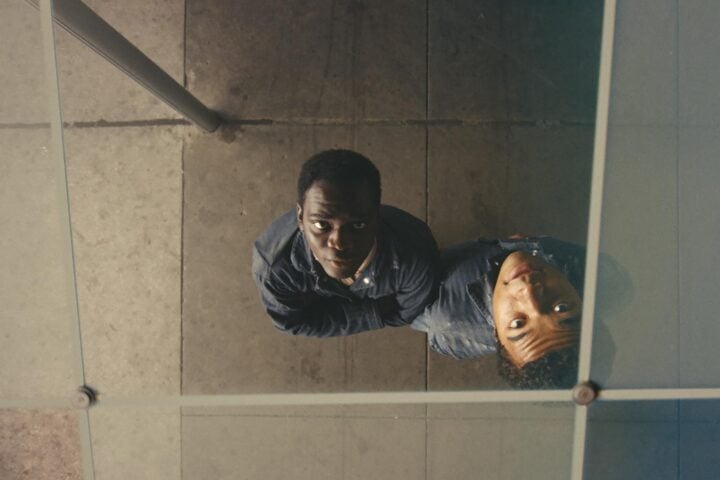
Ross discusses how he and his collaborators pushed forward the idea of point of view.
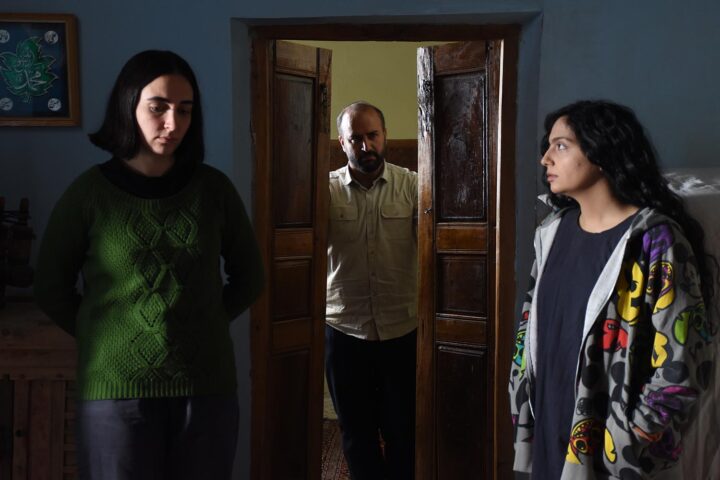
Rasoulof discusses his resolve to keep telling stories in the wake of his multiple imprisonments.
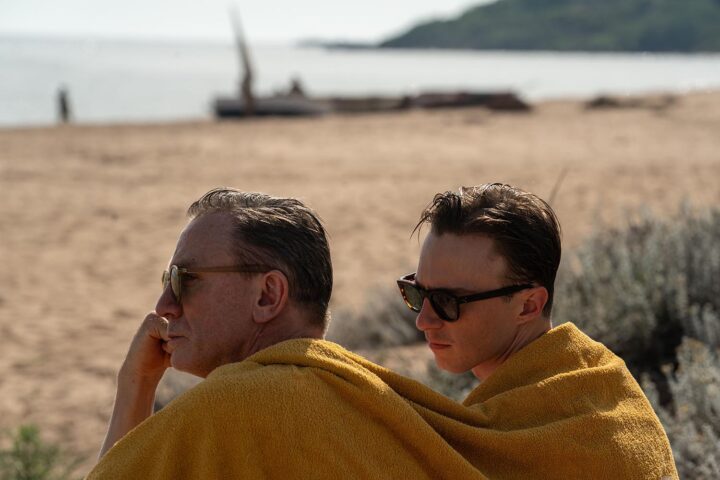
Kuritzkes discusses his collaboration with Guadagnino on Queer and Challengers.
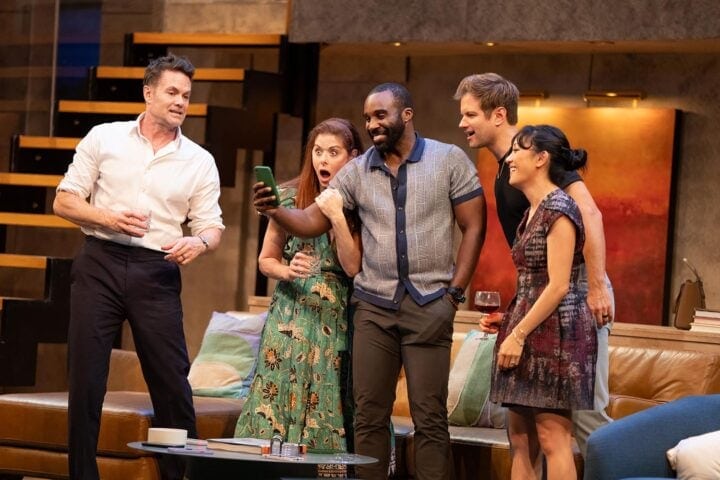
O’Hara discusses encouraging complicity between the audience and the production.
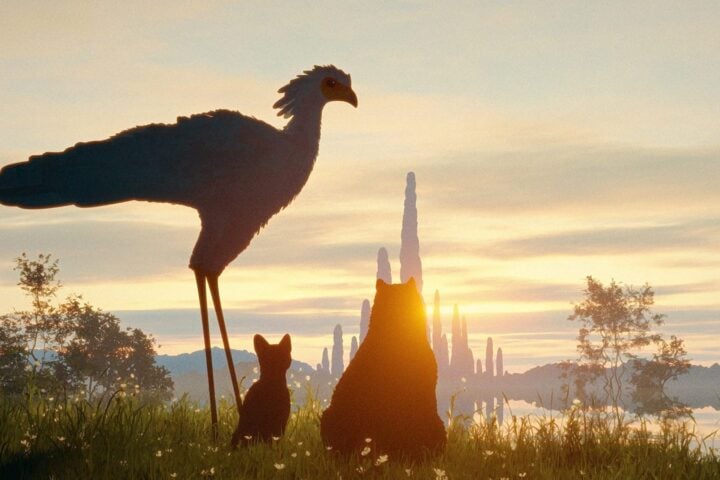
Zilbalodis discusses what he hopes people will make of the film’s ambiguities.
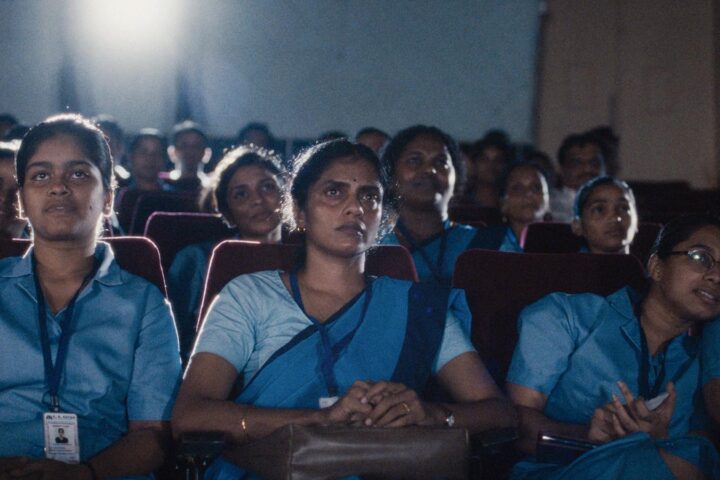
Kapadia discusses her influences, her exploration of language, and more.
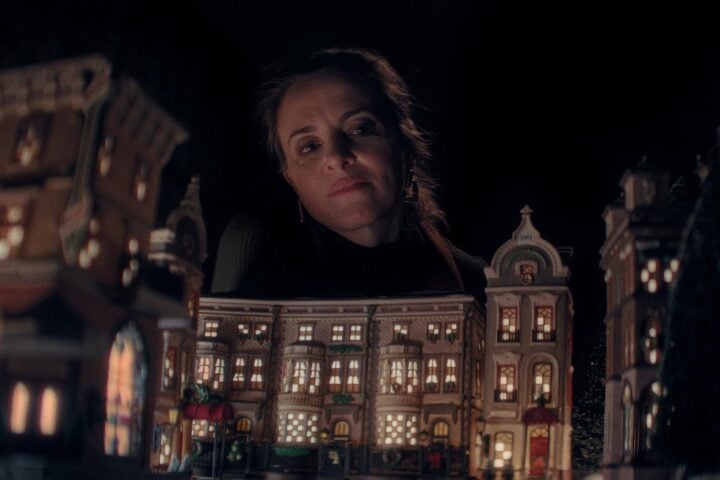
Taormina discusses how “sonder” informs the shape and texture of his work.
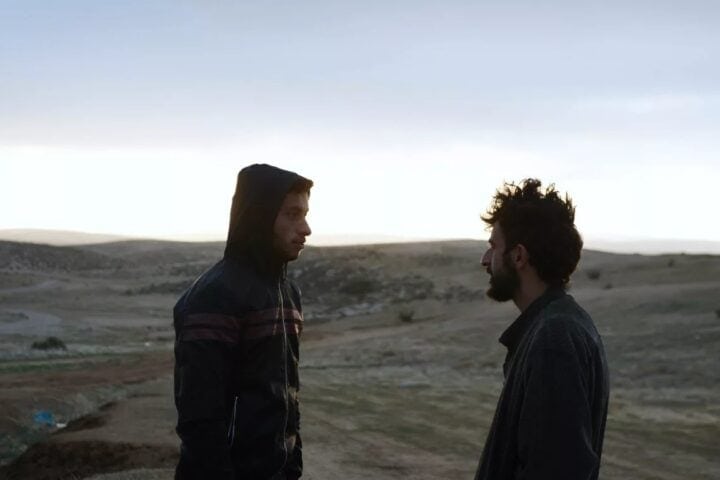
The filmmakers discuss what making the documentary taught them about the nature of power.
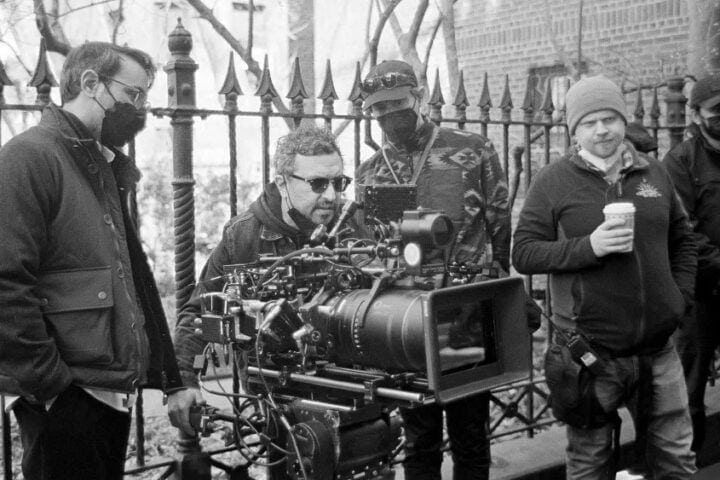
Ruizpalacios discusses the immigrant experience, working in kitchens, and his own dreams.
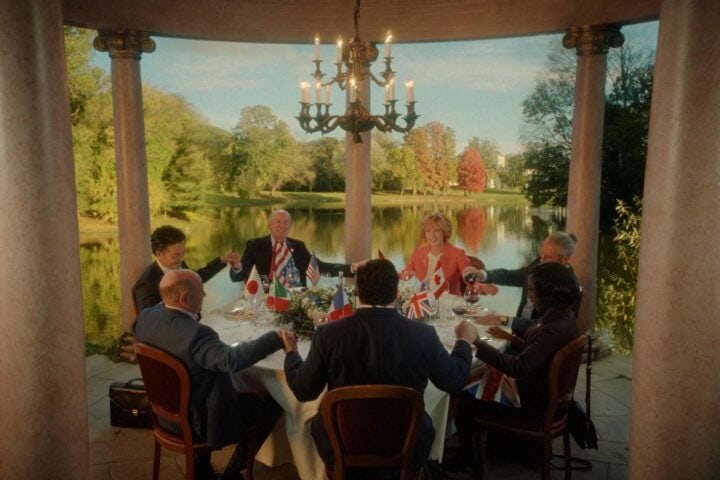
The trio discuss how their Canadian identity informed their view of international relations.

Madison and Baker discuss how youth and love shape the eponymous character’s trajectory.

Plante discusses whether online culture encourages people to hide themselves in society.
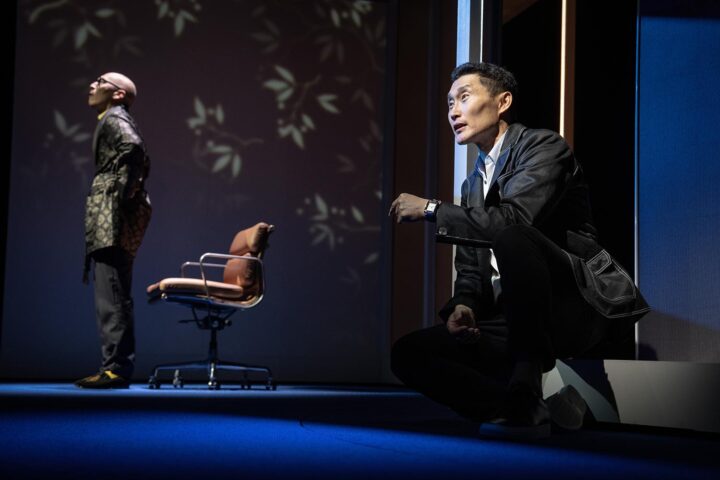
Hwang discusses his expectations for the autobiographical play now that it’s on Broadway.
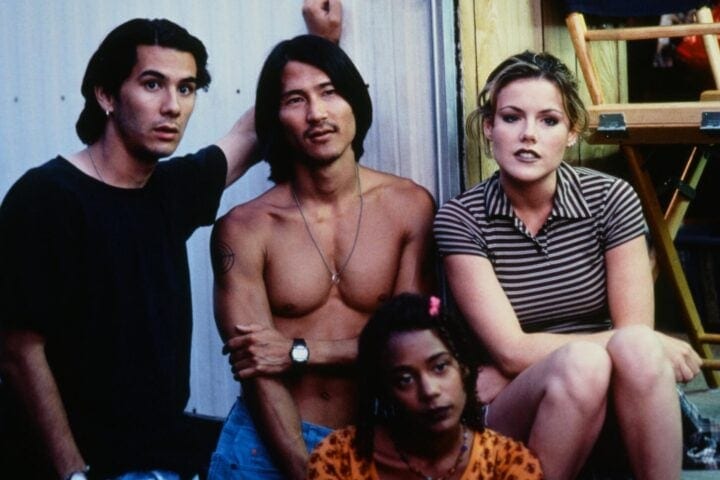
Araki discusses how society has and hasn’t caught up with his incendiary trilogy of films.
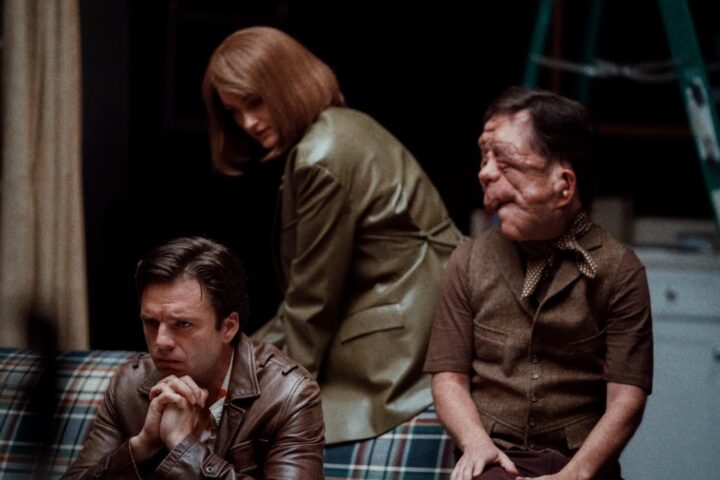
The actors discuss their physical and philosophical approaches to the self-reflexive tale.

Wilson discusses the influence of Kore-eda’s After Life, the film’s mirroring structure, and more.
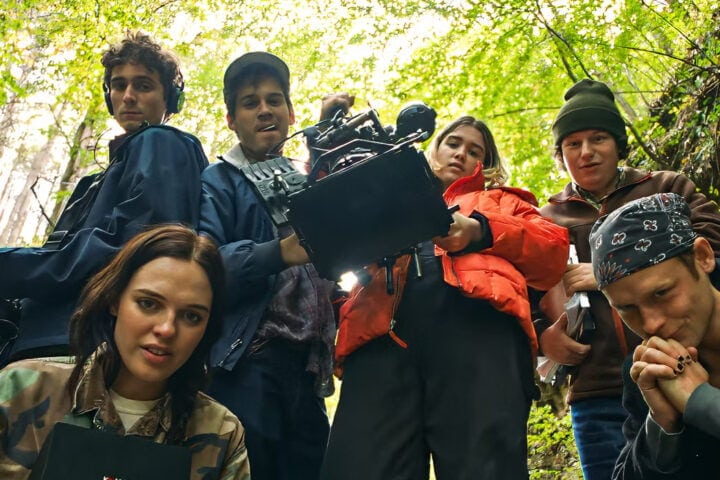
Anger and Young discuss their symbiotic partnership on the set of the meta film.
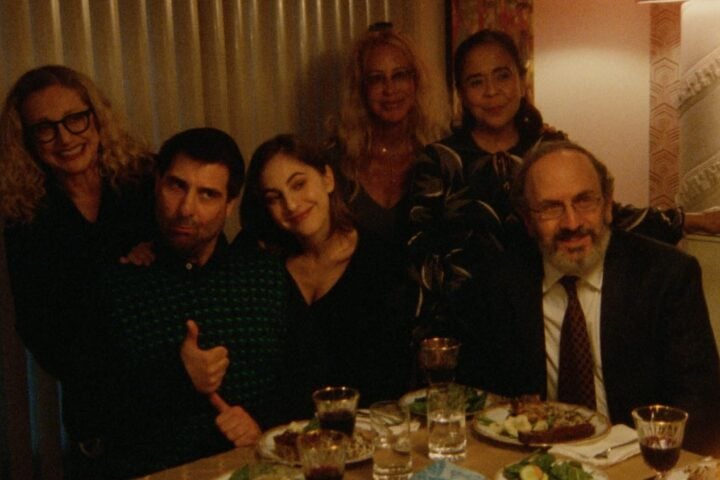
Silver and his two stars discuss their endlessly rewarding collaborative process.