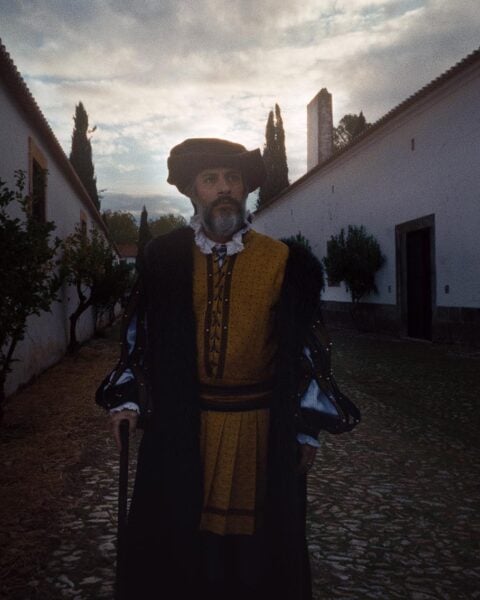
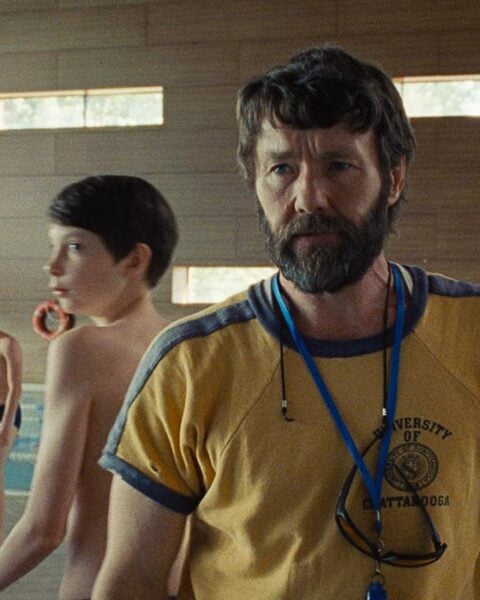
Birney discusses where he sees connective tissue between cinema and video games.
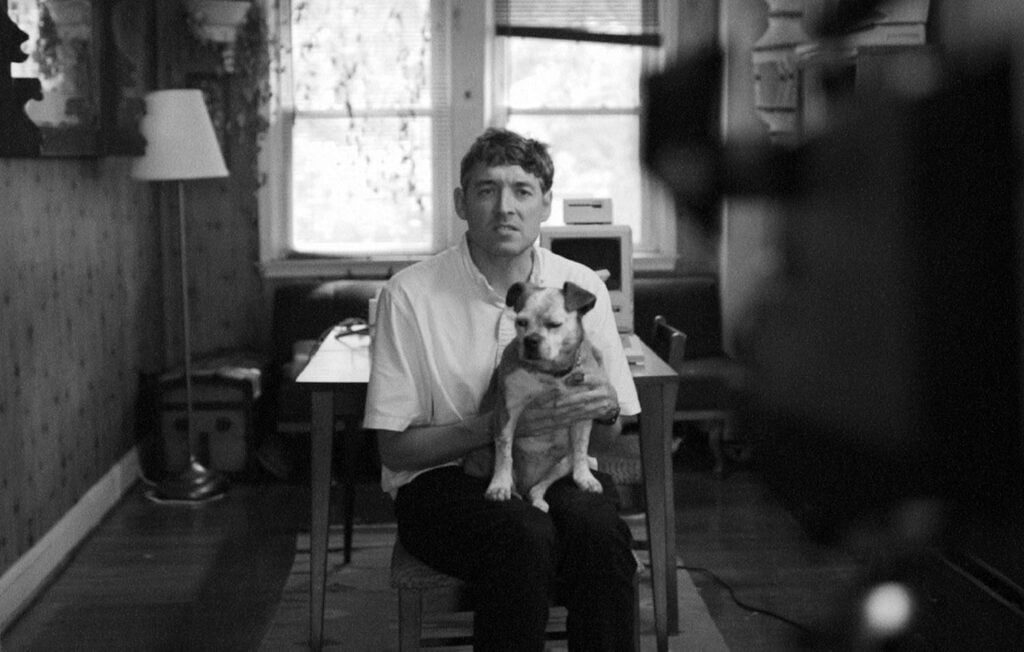

Birney discusses where he sees connective tissue between cinema and video games.
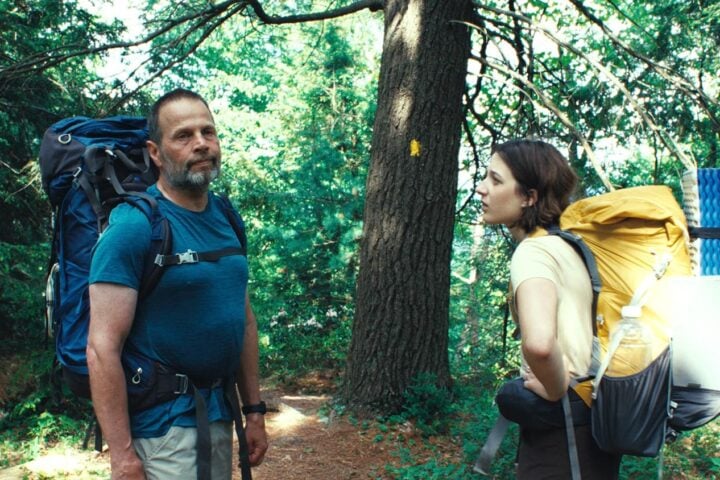
Donaldson discusses her choice to let her main character sit in silence for so long.

Wang discusses what the Sundance Directors’ Lab taught him about the film’s toughest scene.

The pair discuss Michael Powell and Emeric Pressburger’s desire to make films for the world.

Perkins and Monroe discuss working with Nicolas Cage, the film’s influences, and more.

Franz and Fiala discuss how their main character’s struggles relate to the present world.

Breillat discusses image-making and intimacy, scandal and subversion, denial and desire.

Drucker discusses how she handled Breillat’s precise and often “tyrannical” directing style.

Gershon discusses what makes the film such an enduring and endearing queer cinema classic.

Margolin and Squibb discuss the film’s stunts, working with Richard Roundtree, and more.

Potente and Tykwer discuss why the film is like a playground for audiences.

Nash discusses where he drew inspiration for cross-pollinating styles for his debut feature.

Linklater discusses whether people’s identities can change with enough will power.

The brothers discuss the film’s roots, giving the actors secrets at the start of each day, and more.

The play examines the provenance of a photo album from Auschwitz.

Hamaguchi discusses the evolution of his approach to dialogue and camera movement.

Mac discusses experience of starring in Sarah Ruhl’s show and the projects waiting in the wings.

The filmmaker brothers discuss how Bigfoot straddles the human and the animal world.

Loach discusses the connection between form and content throughout his body of work.

Bonello discusses The Beast and Coma, his understanding of time and the self, and more.

McKay discusses the connections between his two latest performances.