Redmayne discusses everything from calibrating his physicality in rehearsals to cultivating his imagination on a barren set.



Marshall Shaffer’s interviews, reviews, and other commentary also appear regularly in Slashfilm, Decider, and Little White Lies.
Redmayne discusses everything from calibrating his physicality in rehearsals to cultivating his imagination on a barren set.

Our talk ranged from the personal to the political, her singular work to the cinema at large.

Our conversation led us into discussion about how far Mr. Rogers’s philosophy can extend into today’s world.

Greenfield discusses how the film relates to her body of work and the warnings Americans ought to heed from it.

Onah and Harrison discuss their approach to creating the film’s central character and how they navigated his many dualities.

The filmmaker discusses how she wants viewers to feel like they’re paratrooping into her characters’ lives.

It’s been a whirlwind for Reynor to process the wide swath of reactions sparked by his character in the film.

Fails and Talbot live and breathe their city, even as its dominant tech industry is wiping away its offbeat majesty.

Harron’s background as a journalist and critic was apparent as we discussed her latest film.

The director and actor discuss how the film’s main character progressed from Denis’s imagination to Pattinson’s realization.

Leigh discusses the seemingly counterintuitive process of making a period film more contemporarily relevant by fully embracing the past.

Jenkins discusses his artistic inspirations, how he’s developed his cinematic voice, and more.

Rohrwacher discusses why she needed to make this film at this moment.

Kore-eda Hirokazu discusses what motivated him to make his Palme d’Or-winning triumph.
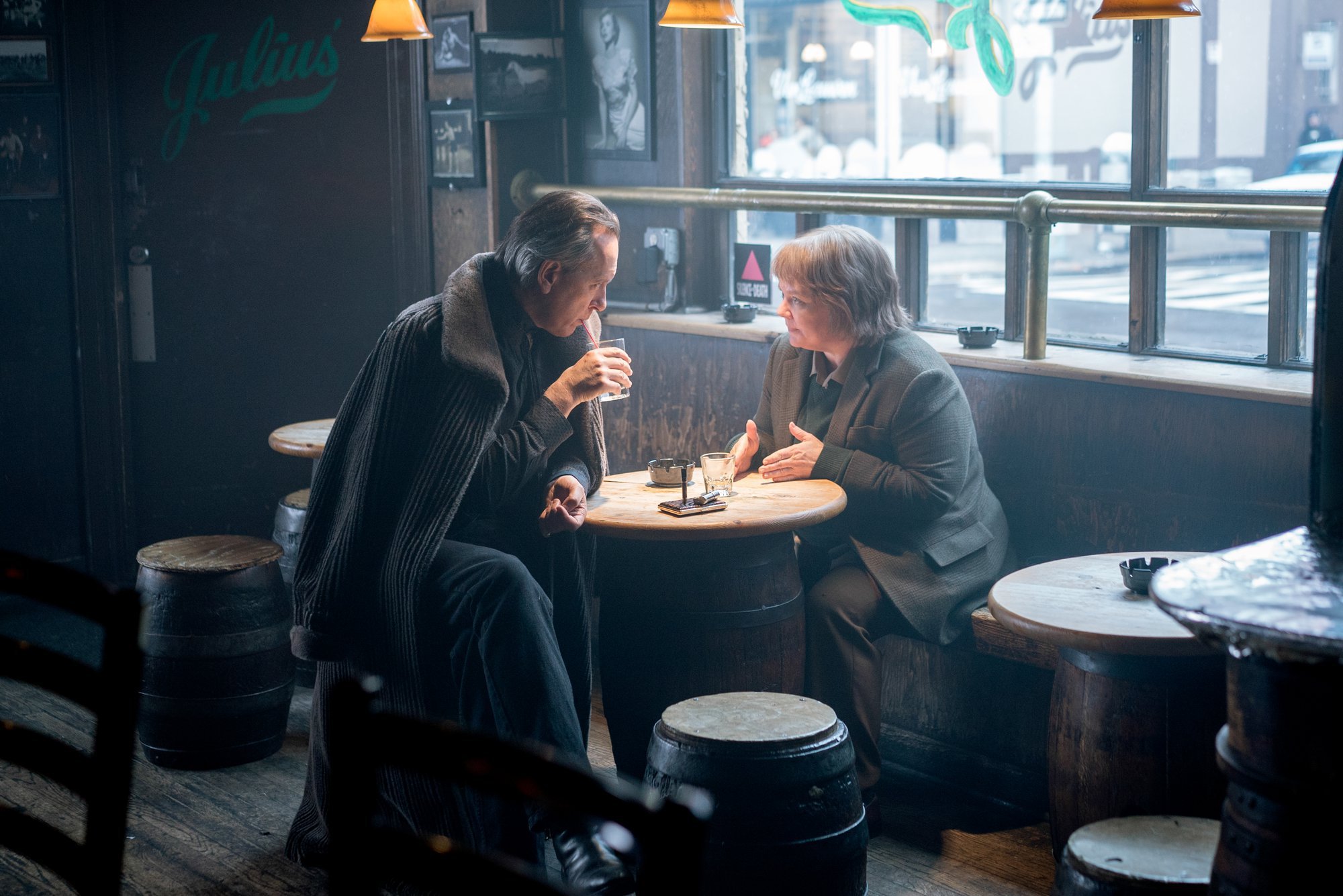
Grant discusses portraying persons who have good and bad in them.

McCarthy discusses how her process changed to play a real person.

Audiard discusses his alterations to the source novel, as well as his on-the-fly shooting style.

The actor and comedian discusses the similarity of his process across genres.
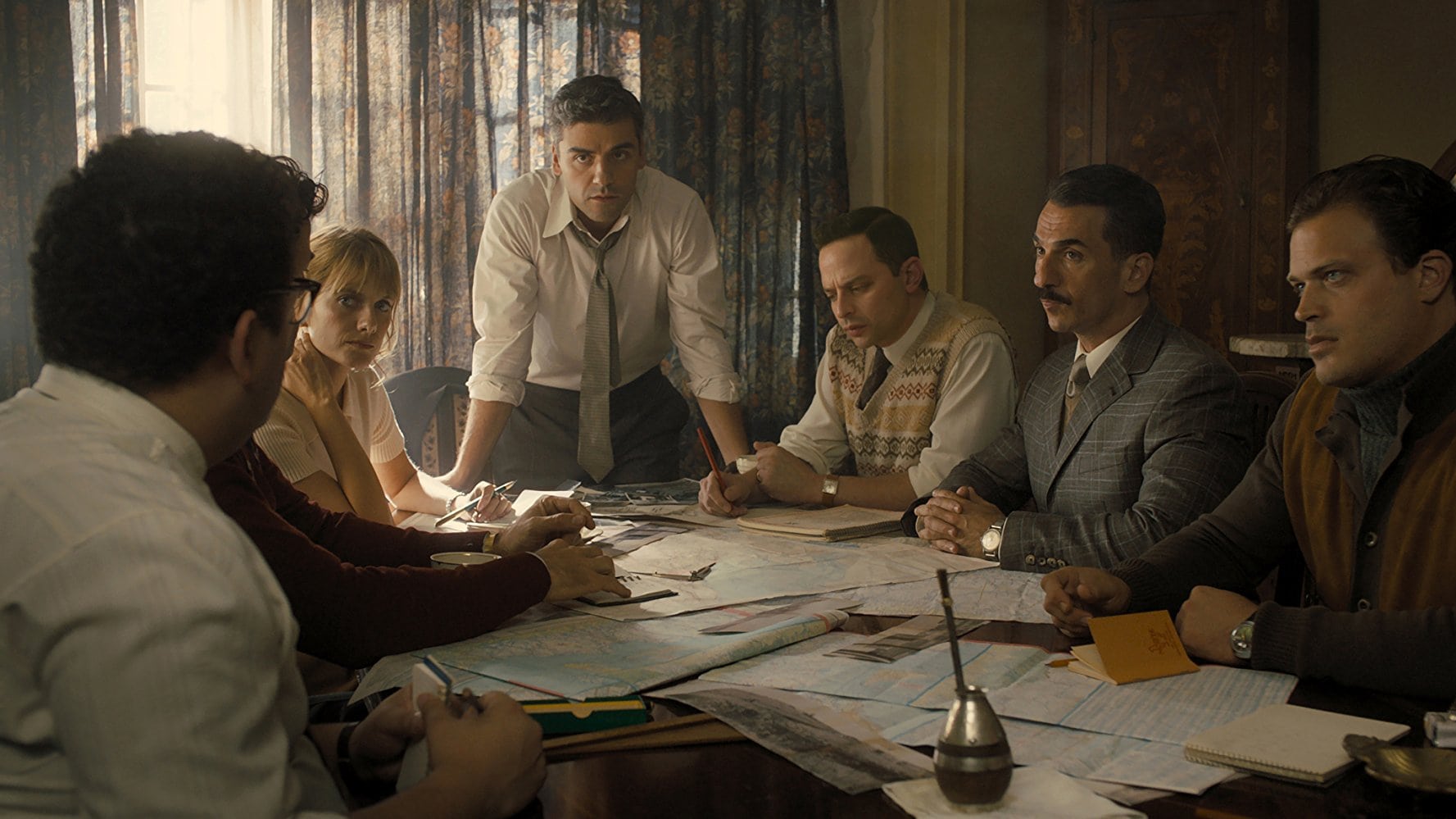
The film never manages to reconcile the enormity of the Holocaust with how ordinary a bureaucrat Eichmann was.

The director discusses how his film functions in the larger conversation of queer cinema.