Winocour discusses the sensory-based aesthetics of her new film.



Steve Macfarlane is a film curator and writer from Seattle, Washington. His writing has appeared in BOMB, Cinema Scope, Hyperallergic, The Brooklyn Rail, and other publications.
Winocour discusses the sensory-based aesthetics of her new film.
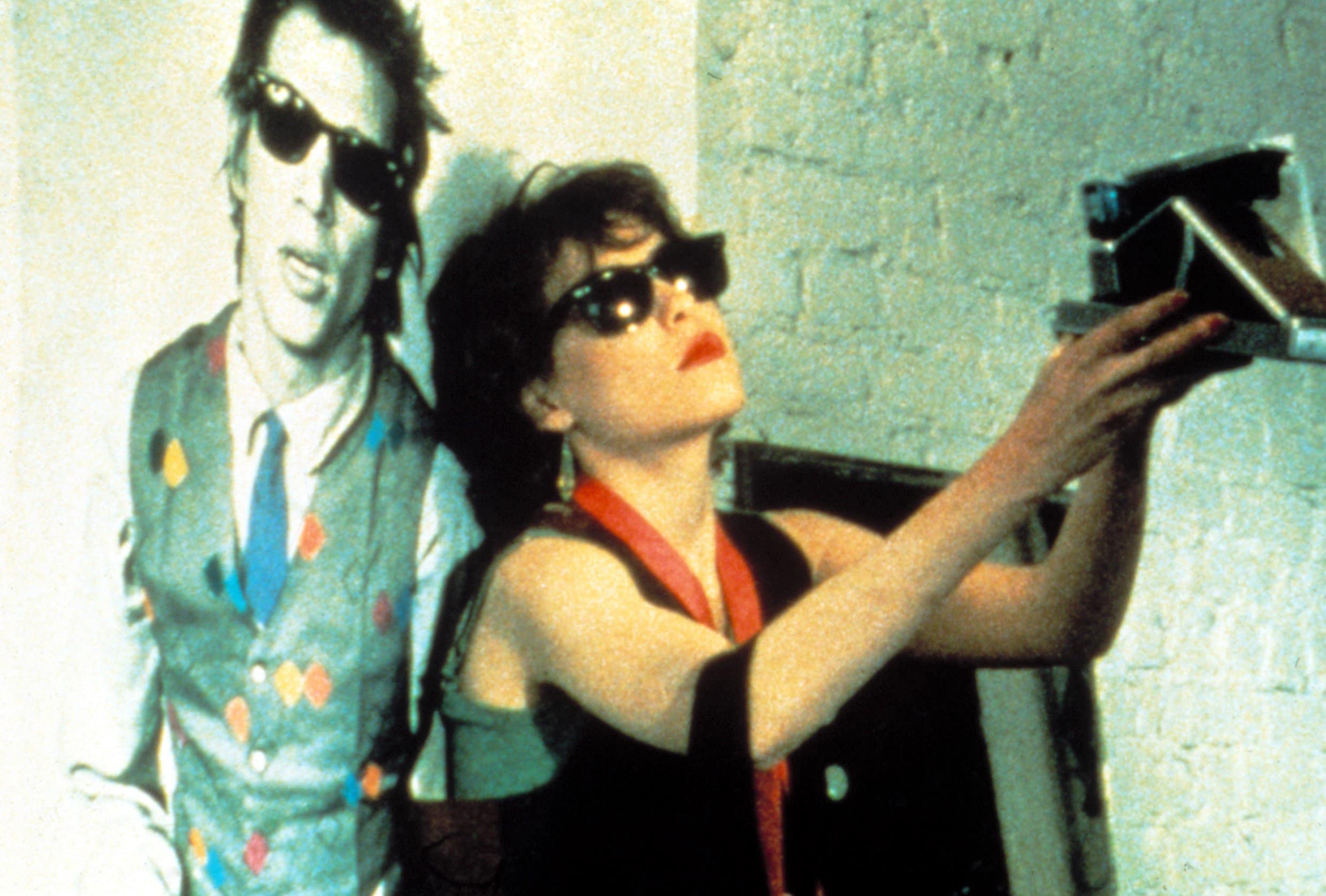
It’s as unsparing a sketch of twentysomething life in New York City as American independent cinema has yet offered.
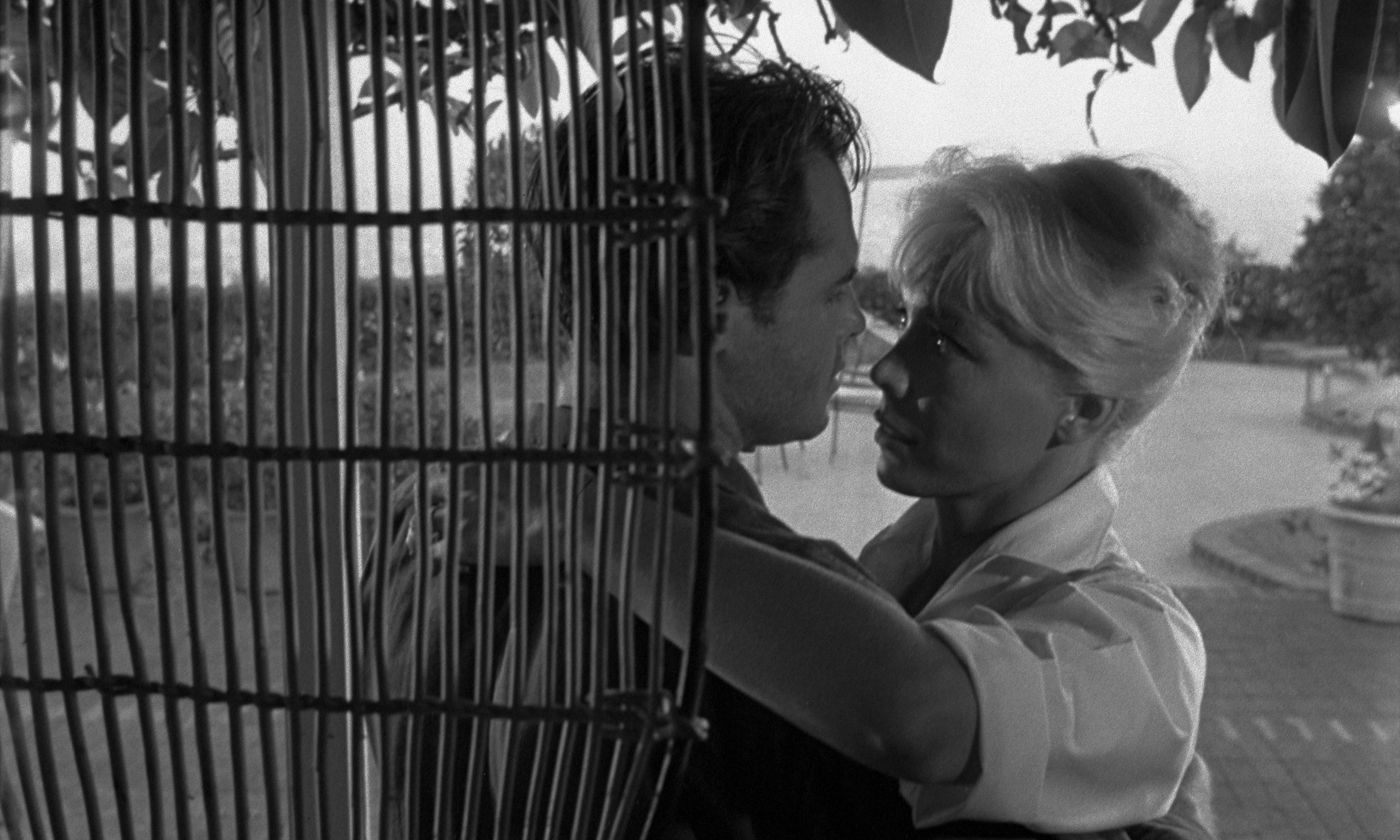
Due to the nature of the film’s rediscovery, aligning it to its more renowned contemporaries is inevitable.
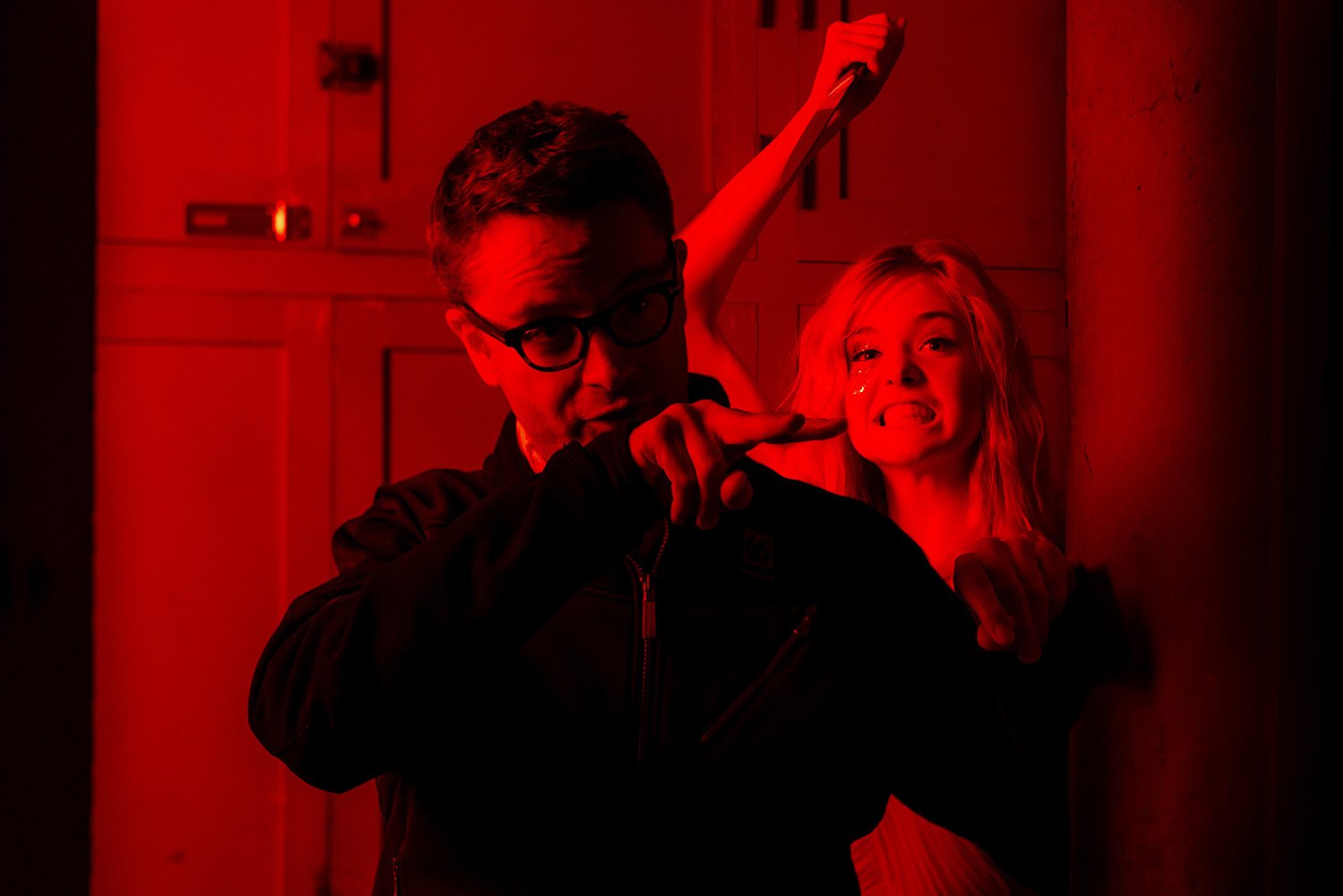
The Danish wunderkind minced few words about how much he enjoys working within his comfort zone.

What intrigues, if in a lurid sort of way, is the film’s fudging of projected viewer desires with its characters’.
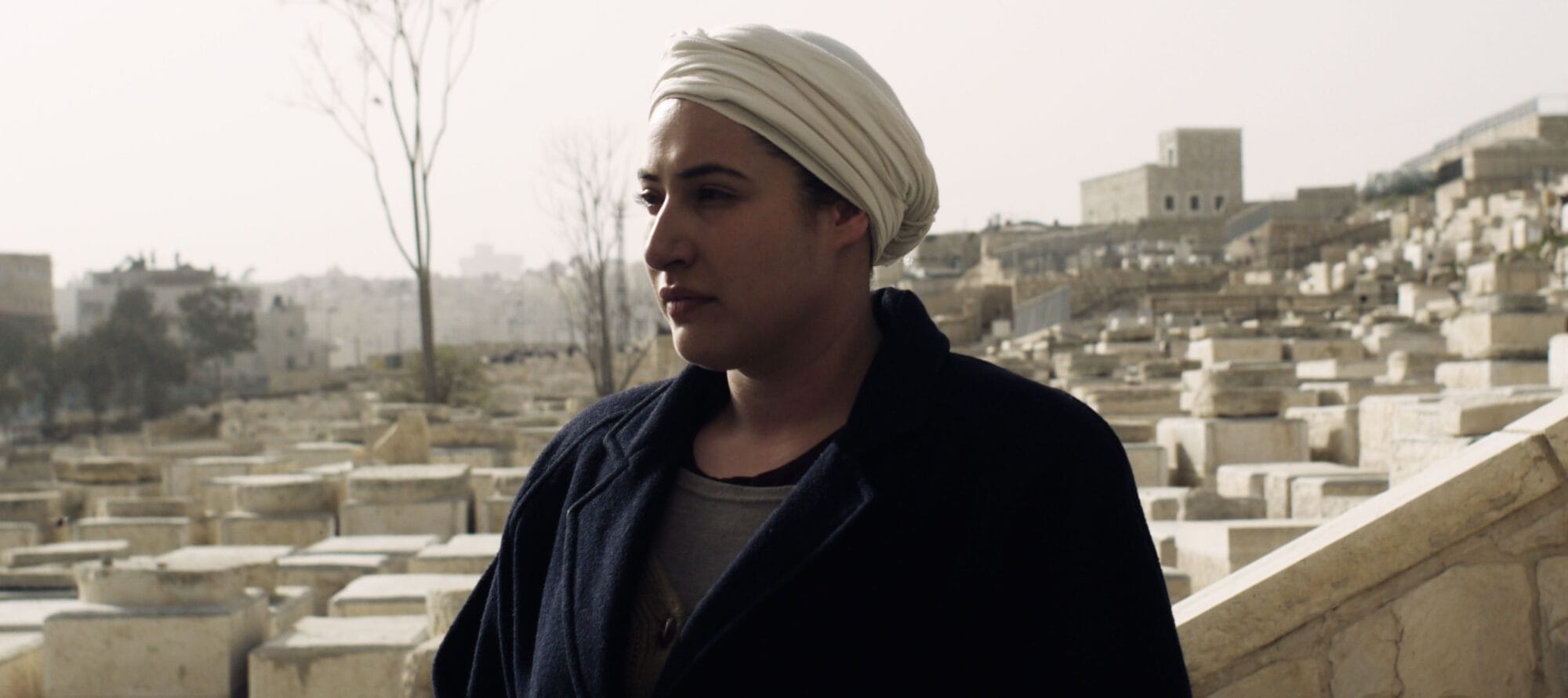
Only a viewer’s patience will dictate how much of Yaelle Kayam’s film feels like never-ending setup.

Tamer El Said’s film interrogates middle-class privilege in a time of crisis as a series of either-ors.

Ciro Guerra’s excesses in arthouse symmetry tend to arrive in the service of a just and angry correctivism.
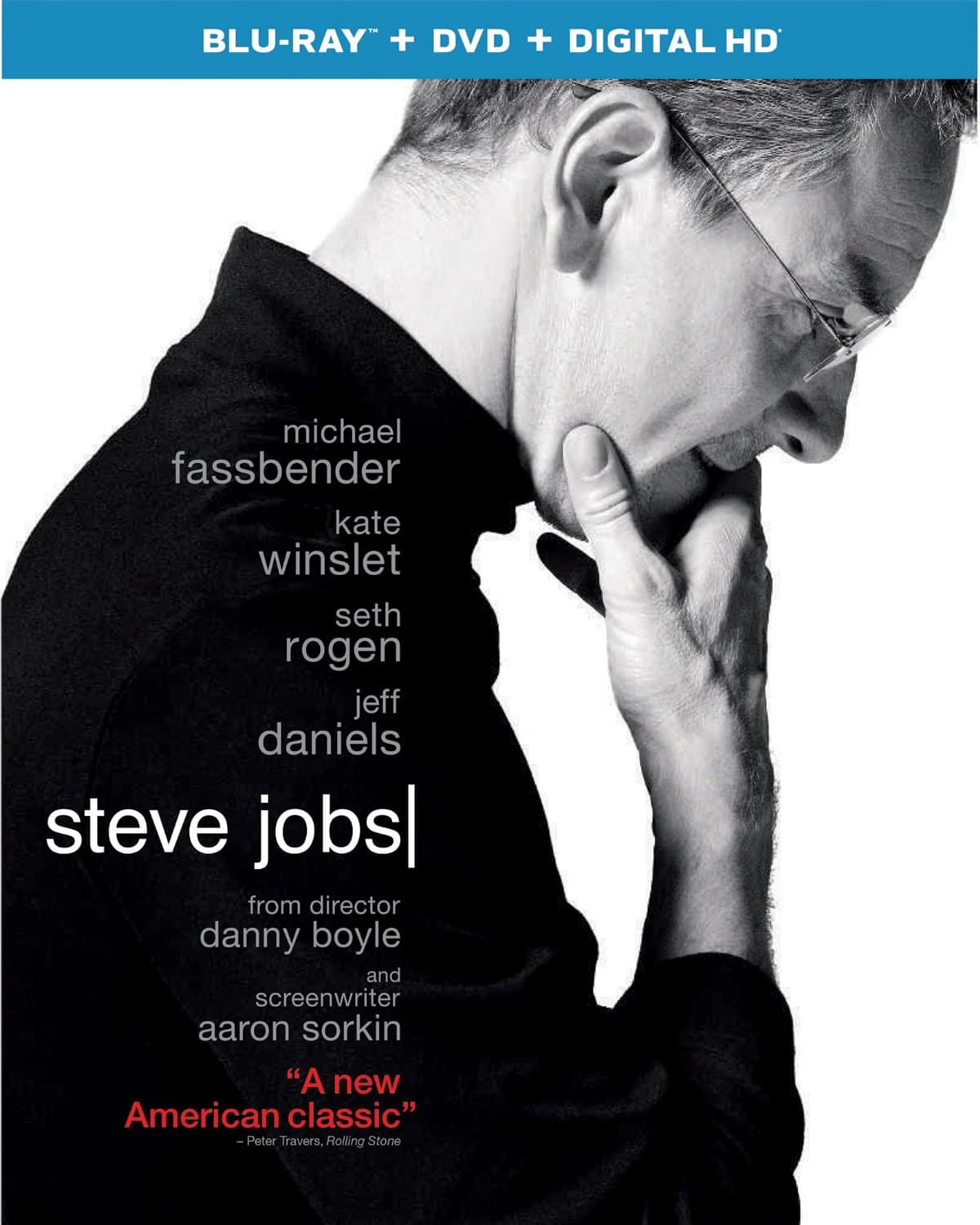
Universal’s electric Blu-ray treatment for Steve Jobs could go mouse to mouse with any Hollywood studio disc from the past year.
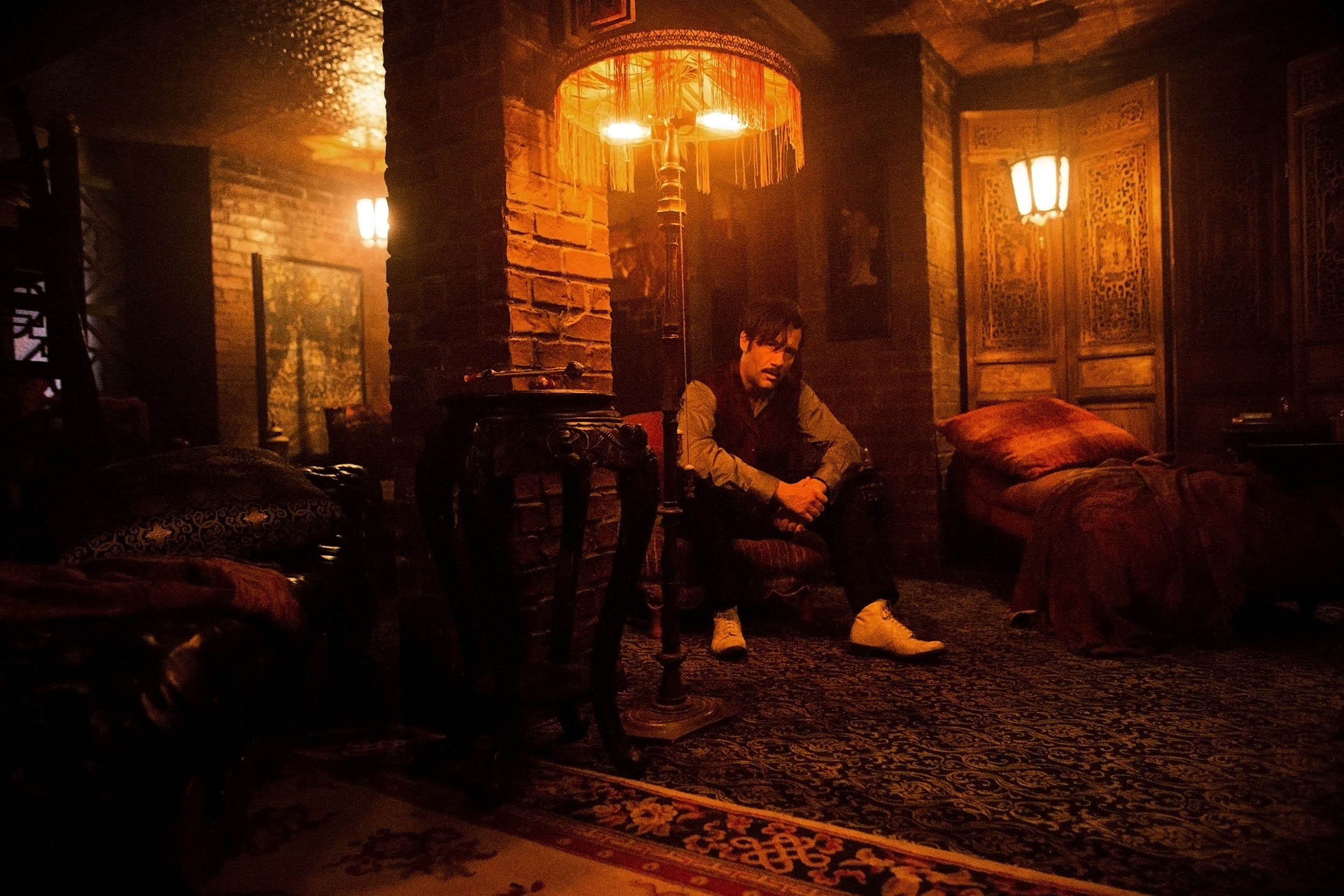
The chickens of gilded-era capitalism come to roost in as many configurations as are possible.

Just how soap-operatic are Soderbergh and writers Jack Amiel and Michael Begler willing to go?
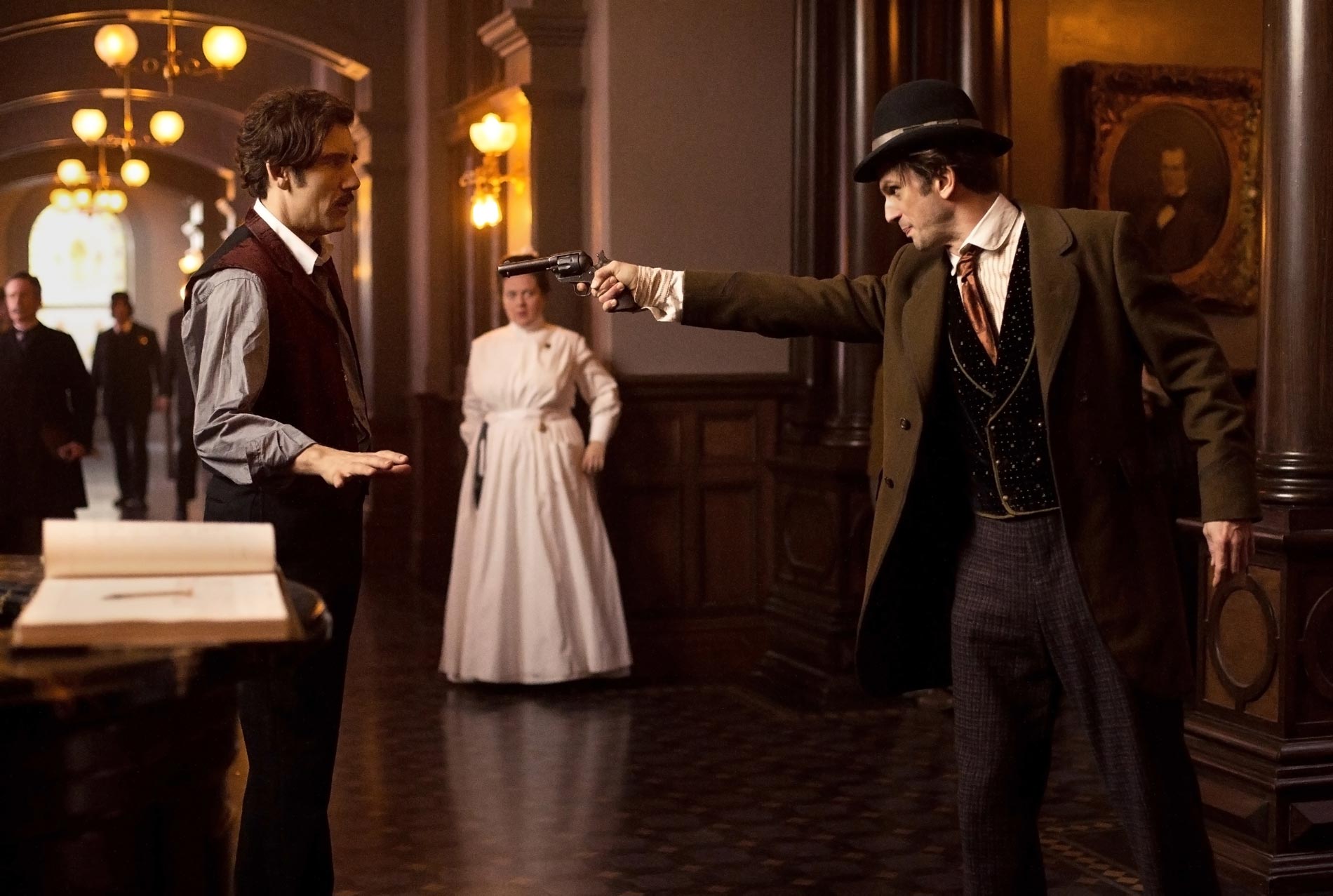
This episode sees its characters ground up especially in the gears of their own patriarchal systems.
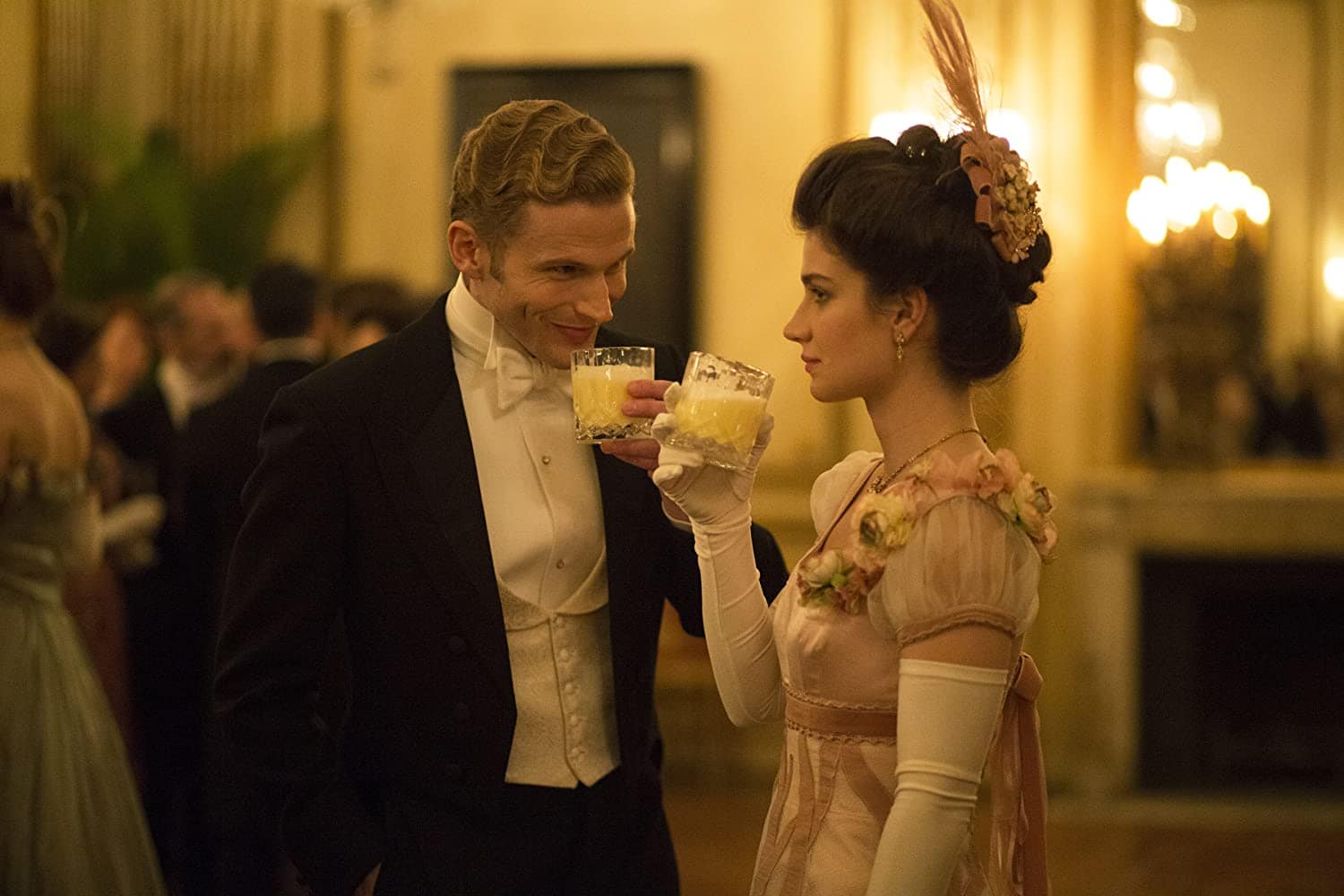
Visually, the episode’s centerpiece is the Knick’s much-alluded-to charity ball, played at once as a sprawling comedy of manners and a jawdropping pictorial spectacle.

The Knick’s second season has seen Soderbergh turn his camera on different strains of pedagogy afforded by the turn-of-the-century milieu.
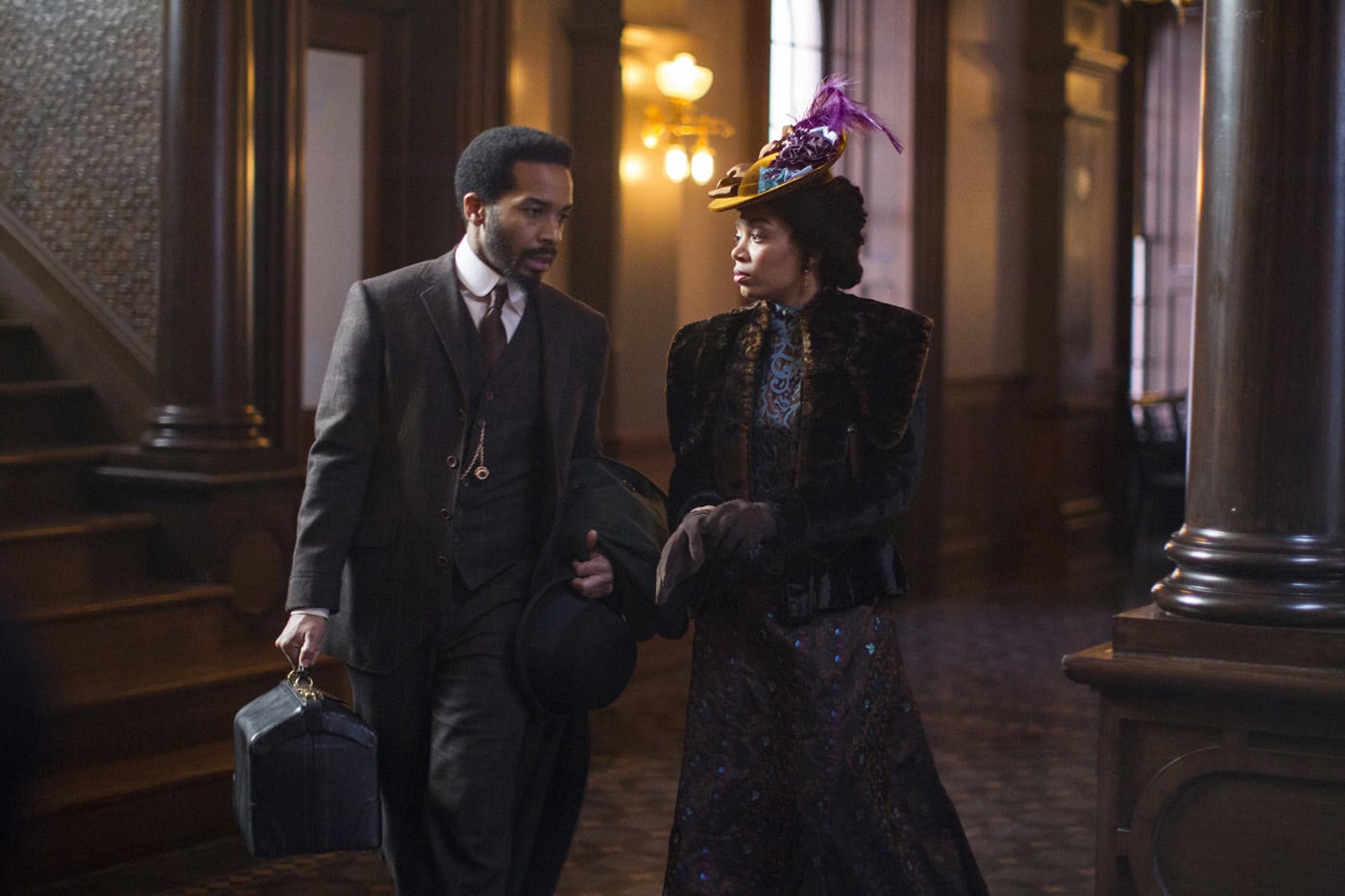
Steven Soderbergh’s camera seamlessly stitches the hospital’s constituent parts together in what appears to be real time.

“Wonderful Surprises” is so over-stacked as to make each scene work purely as exposition.
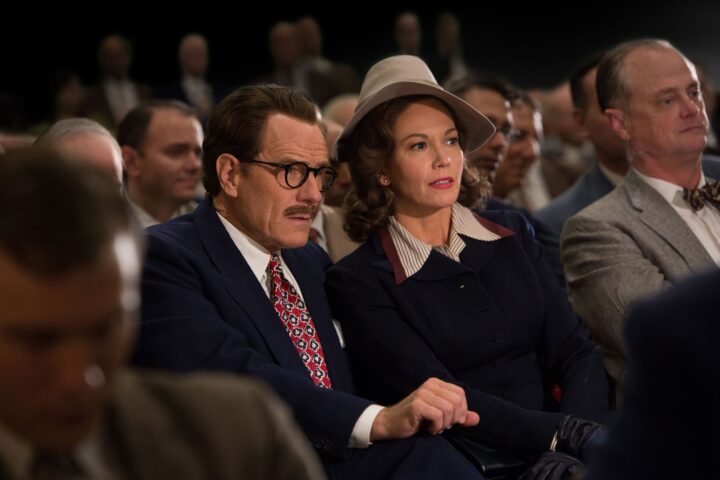
By keeping Dalton Trumbo on the straight and narrow, the film saps his story of much of its power.

A clear effort is being made by Jack Amiel, Michael Begler, and Steven Soderbergh to make the new season as dense as possible.
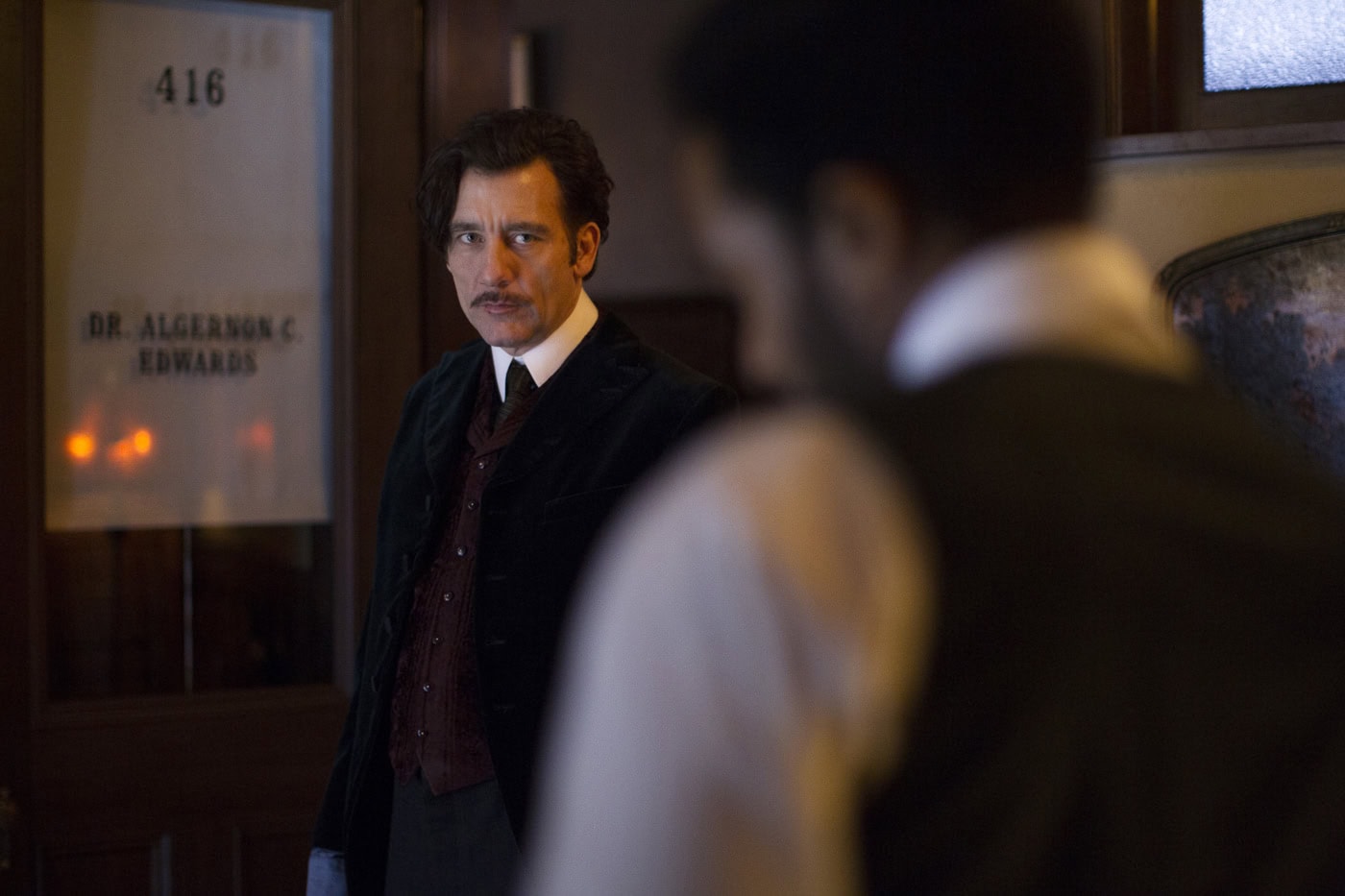
The Knick is such a well-constructed series that the characters’ dialogue can’t help but reveal one prejudice thrown at the expense of another
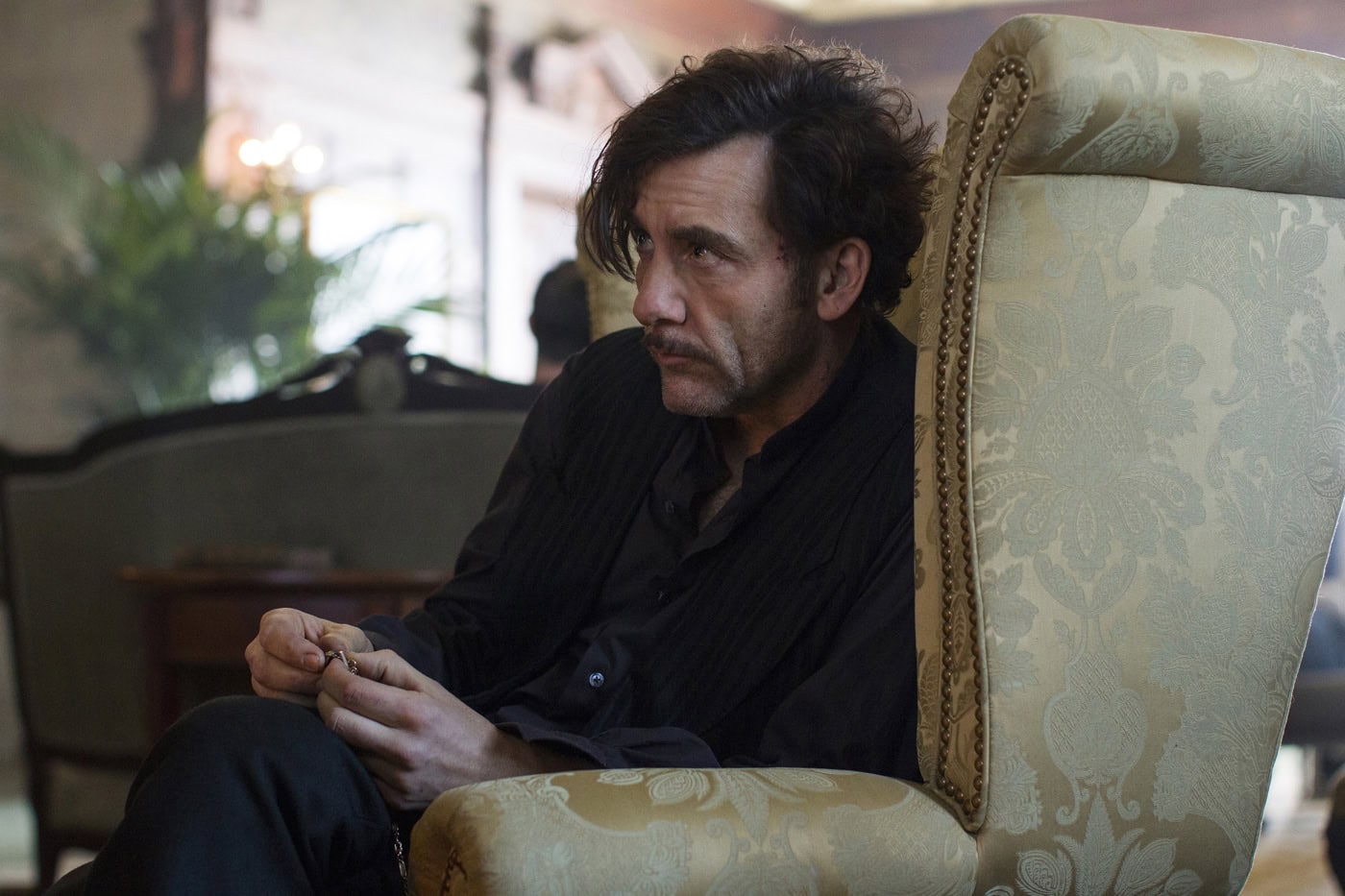
It’s hard to avoid feeling like the same issues of dramatic proportion and temporal flow that dogged the first season remain.