The longer things drag out, All I See Is You becomes every bit as amorphous as its protagonist’s vision.


Derek Smith's writing has appeared in Tiny Mix Tapes, Apollo Guide, and Cinematic Reflections.
The longer things drag out, All I See Is You becomes every bit as amorphous as its protagonist’s vision.

Joseph Kosinski’s Only the Brave displays a kinship to Howard Hawks’s hard-nosed, old-fashioned pragmatism.
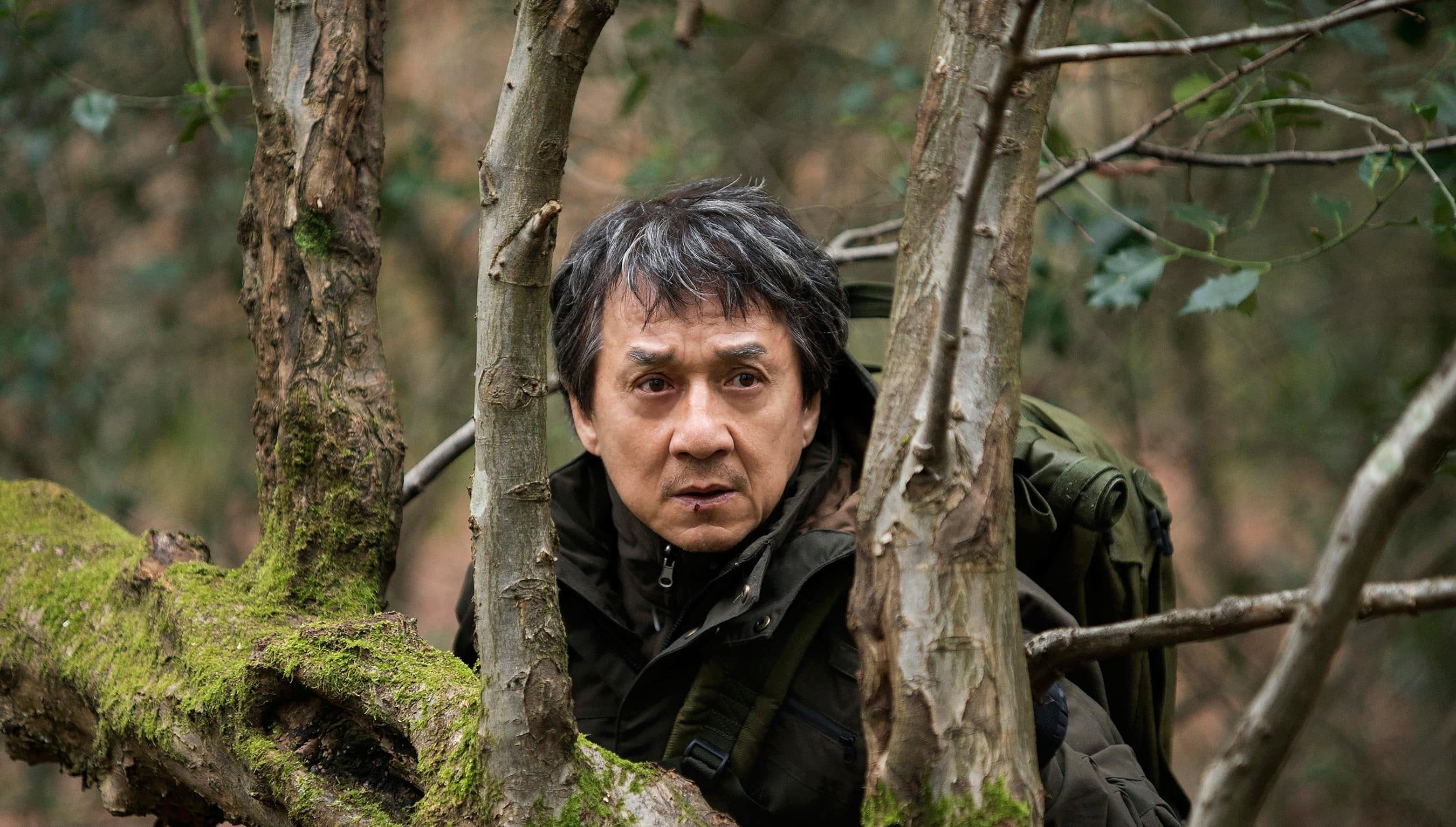
Even overlooking its account of an inexplicable political resurgence, it falters in its needlessly convoluted plotting.

Breathe is an easily digestible replica of the truth, bathed in honeyed cinematography and sentimentalized adulation.

It’s modest in scope, its concerns limited to man’s attempts to live both morally and harmoniously with nature.
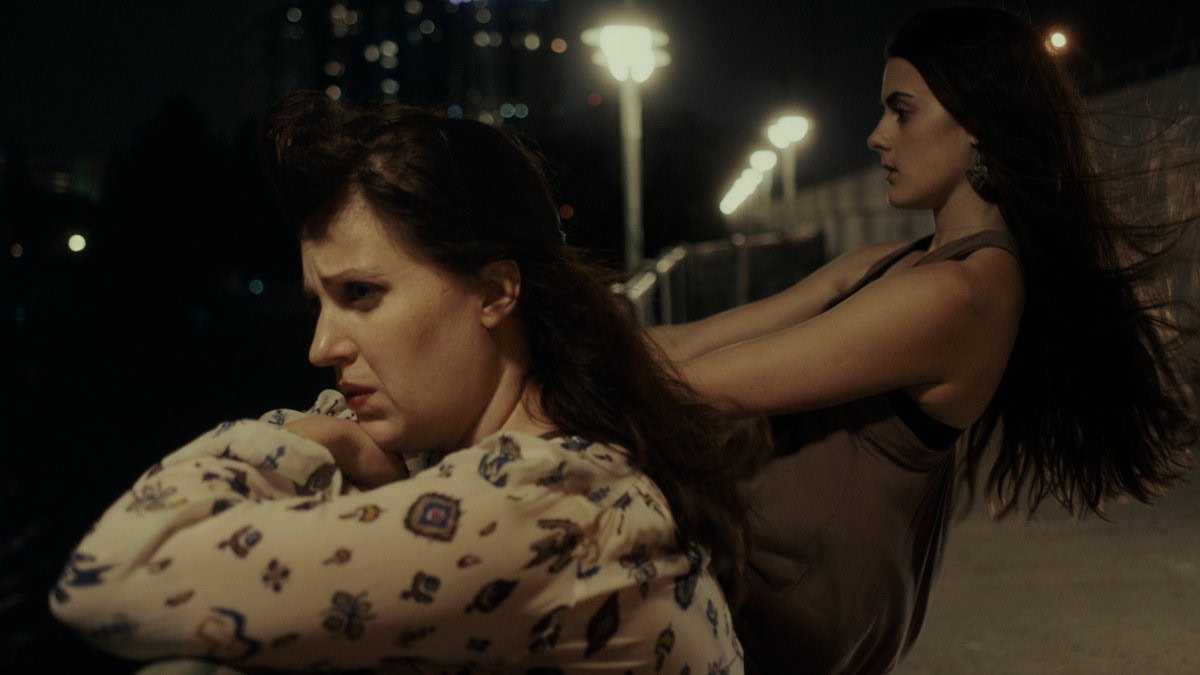
It’s anchored by two intuitive performances which mine the psychological complexities of a troubled relationship.

Simon Curtis’s film is often bathetic, but its most glaring faults lie in its extreme structural imbalance.
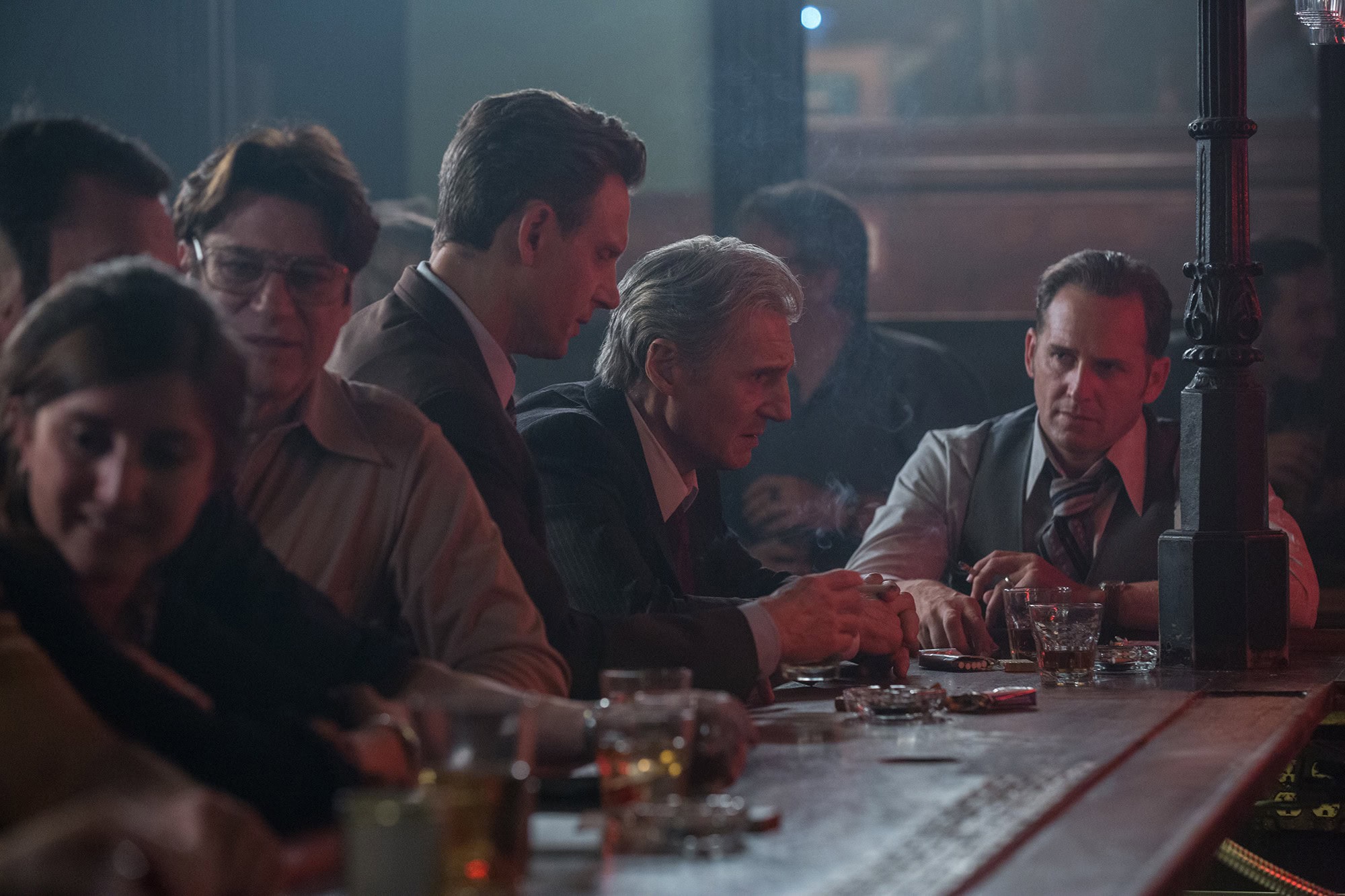
Peter Landesman’s film is a kind of hagiography, and it leans toward whitewashing its subject’s legacy.
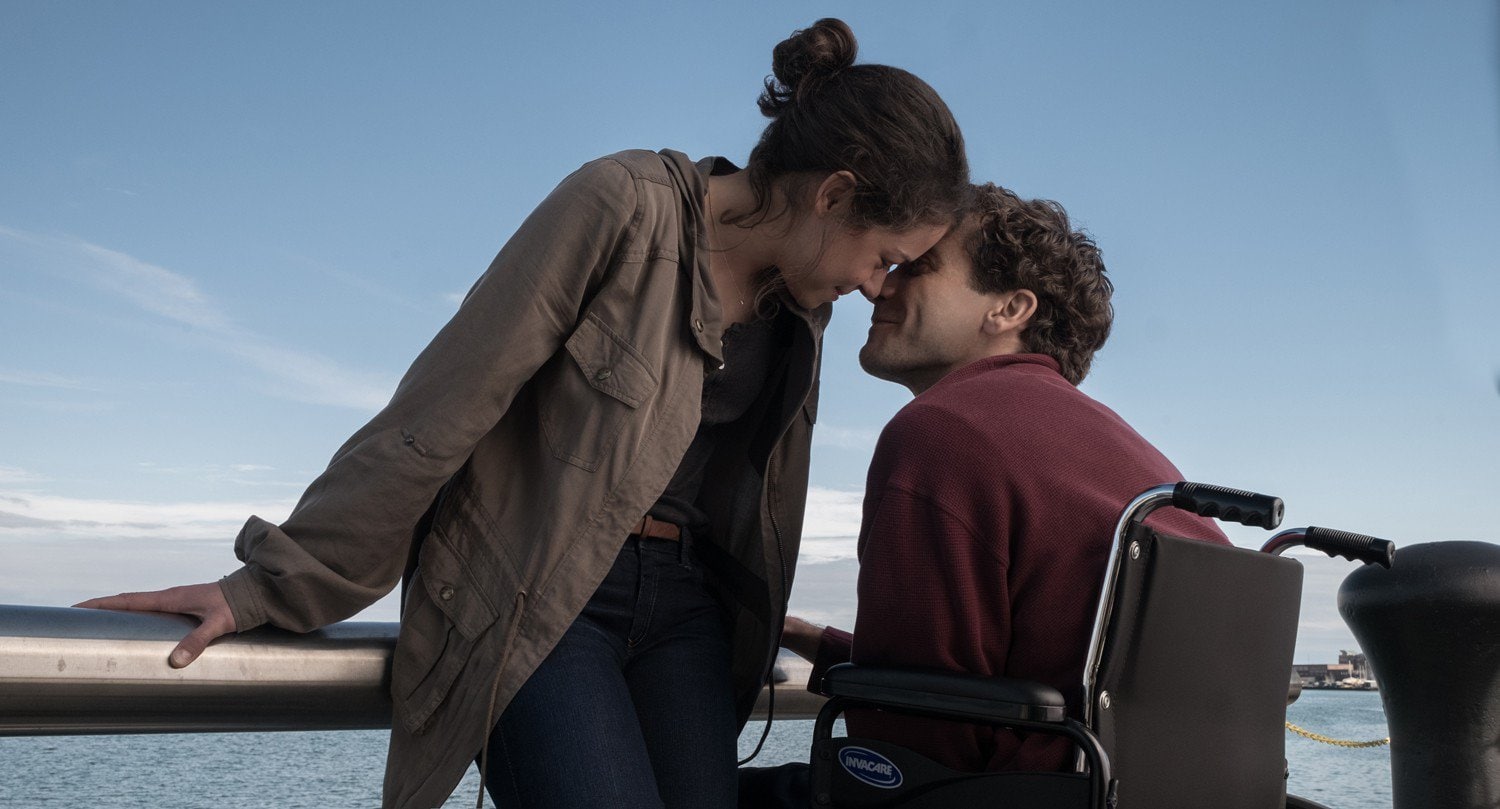
Director David Gordon Green’s Stronger offers up an unassuming portrait of wounded love and solitude.

Though the film’s overarching narrative travels a well-tread road, it strikes a few potent grace notes along the way.

It’s impossible to take it seriously as anything other than an Abercrombie & Fitch ad posing as a political thriller.

Edoardo de Angelis’s coming-of-age portrait is poignant when fixated on the intricacies of a complicated sisterhood.

Despite its interesting macro approach compared to other films of its ilk, it’s far less successful on a micro level.

It was clearly conceived by men who have no interest in approaching female friendships with any degree of complexity, curiosity, or respect.
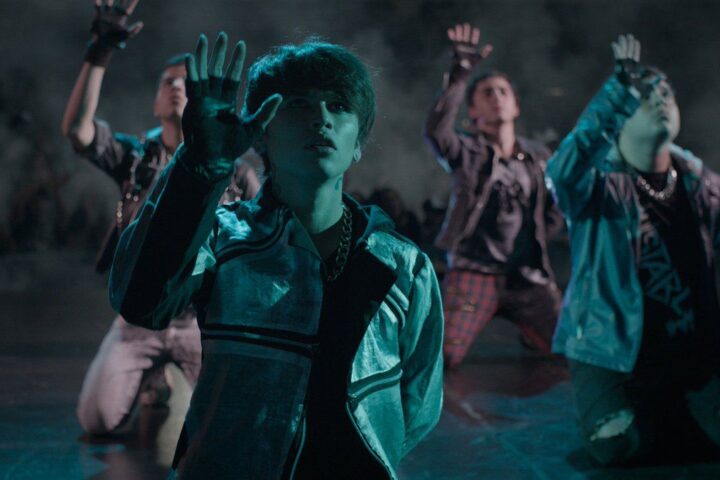
The film is at its best when it yokes its moody sense of atmosphere to the aimlessness of the young characters.
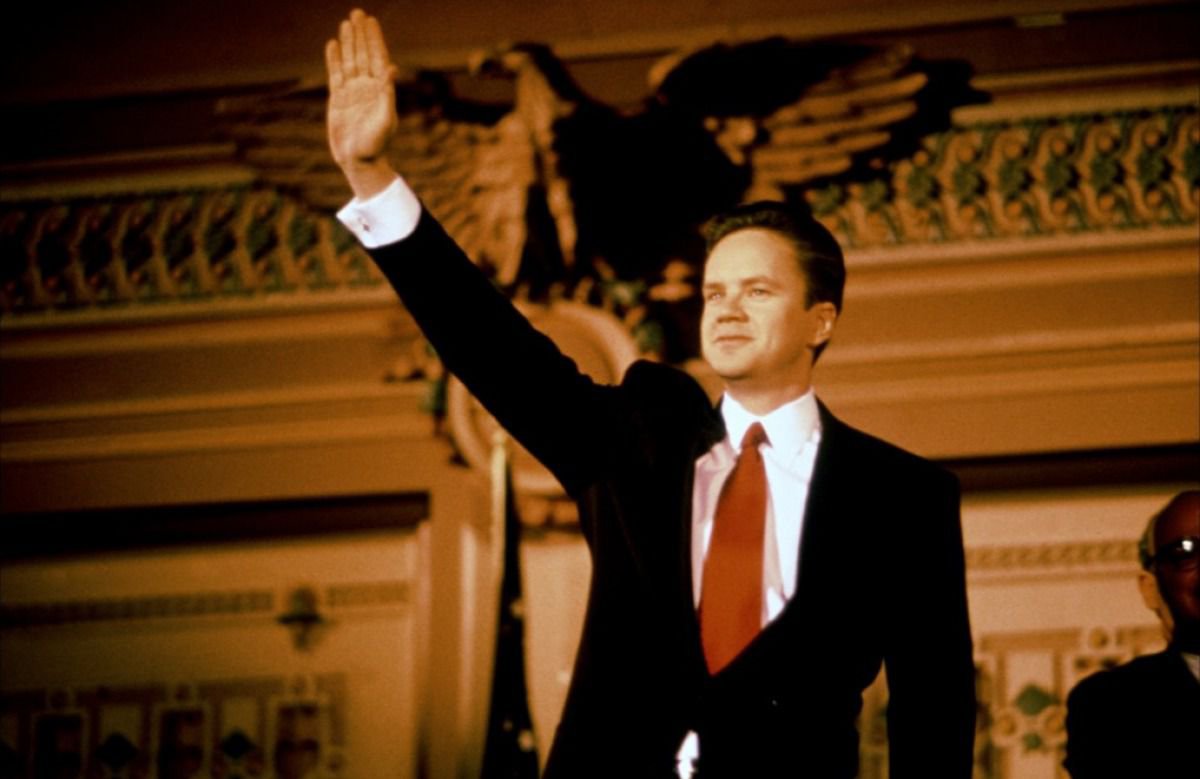
Bob Roberts is a shrewdly drawn portrait of the unsettling intersection of entertainment, business, and politics.
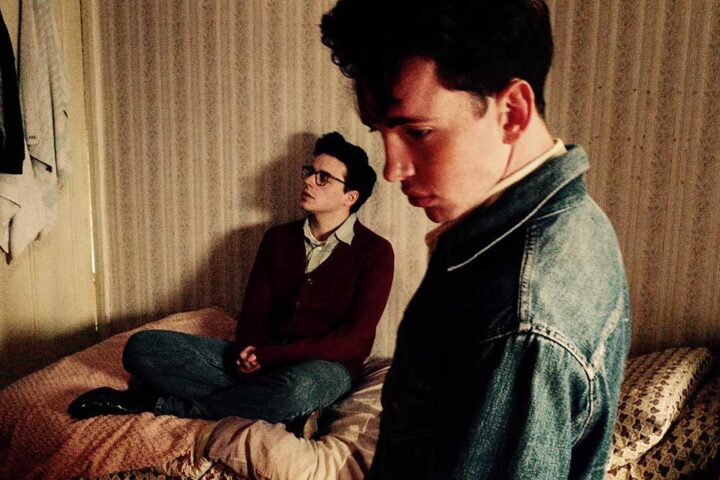
Mark Gill’s film is content to indulge young Steven Patrick Morrissey’s basest, self-flagellating impulses.

Ultimately, the film most disappoints for its unwillingness to consistently poke fun of its inherent absurdity.

By the end, Toa Fraser’s film tellingly leaves the root causes of the militant group’s malcontent entirely unexplored.
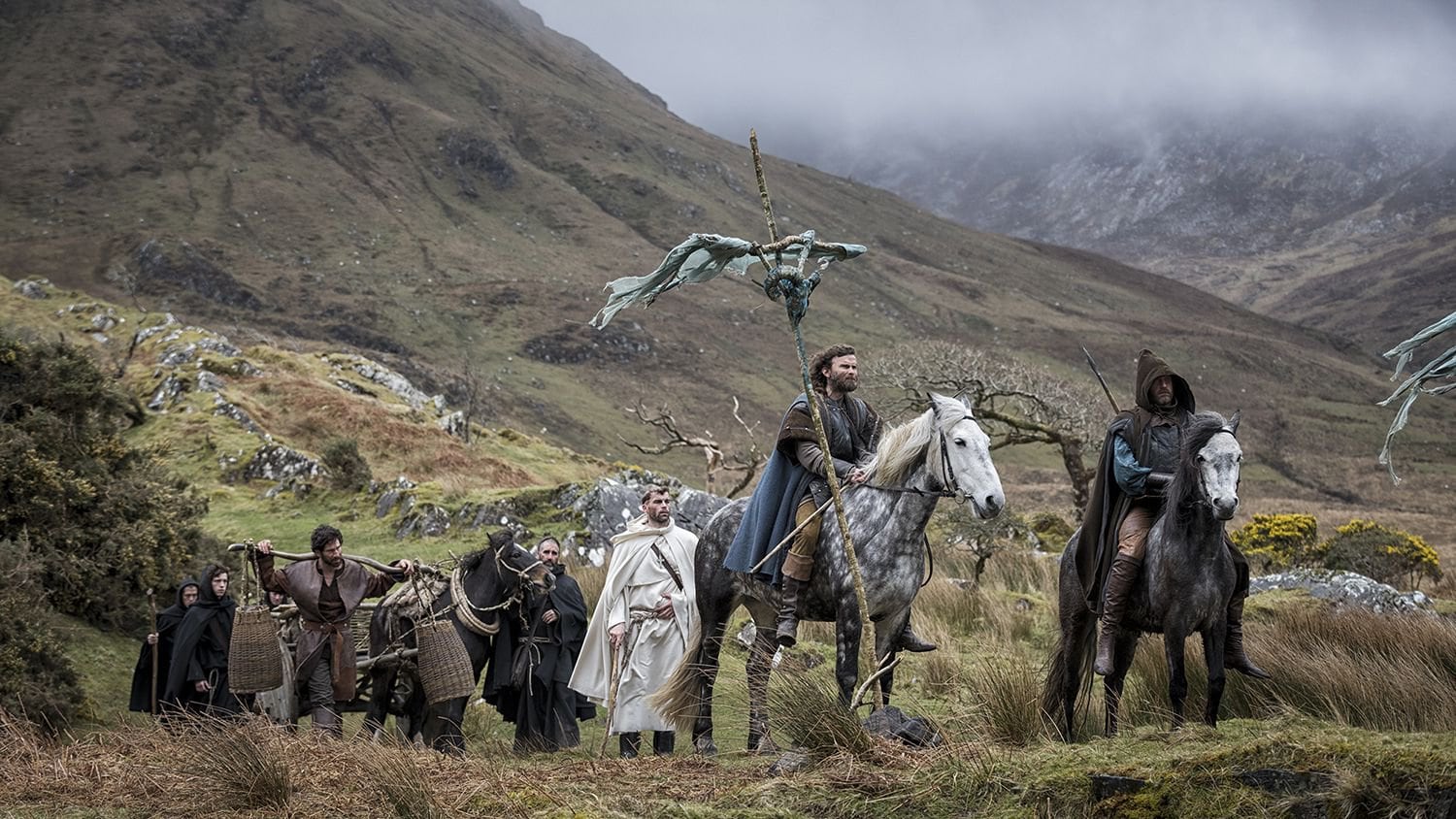
It remains too uncompromisingly black and white as a character study and a story of the conflicts of faith.