Sexual aberrations have rarely looked and felt as seductive as they do in The Laughing Woman.


Clayton Dillard is a lecturer in cinema at San Francisco State University.
Sexual aberrations have rarely looked and felt as seductive as they do in The Laughing Woman.
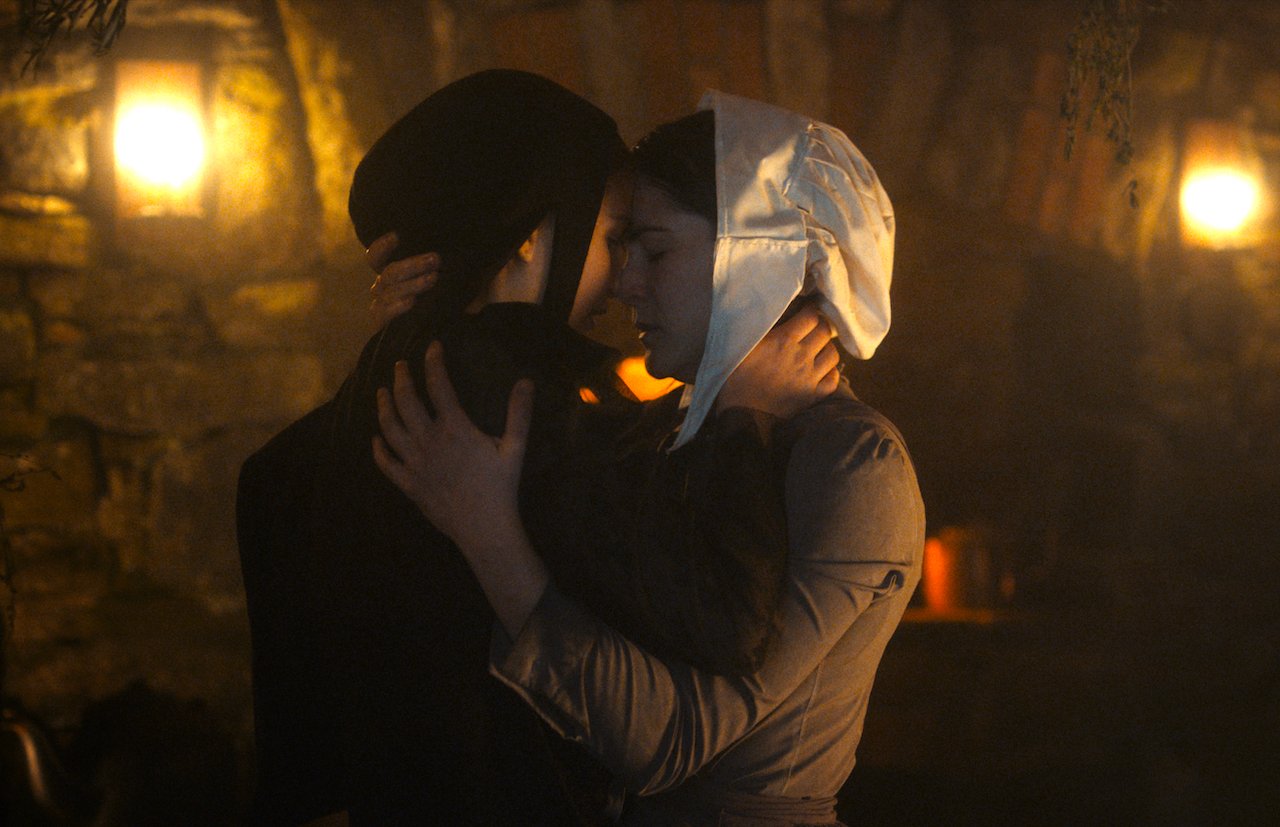
The film comes to feel like a parody of a possession flick rather than a straightforward replication of the genre’s tropes.

Expedition Content interrogates how images are produced and who produces them.

The Maniac Cop sequels are fascinating for their competing sensibilities.
This set is best approached as a celebration of the hopefully ongoing collaboration between Criterion and the WCP.

While the transfer leaves a lot to be desired, it’s thrilling to have Sekigawa’s little-seen drama finally available on Blu-ray for the first time.
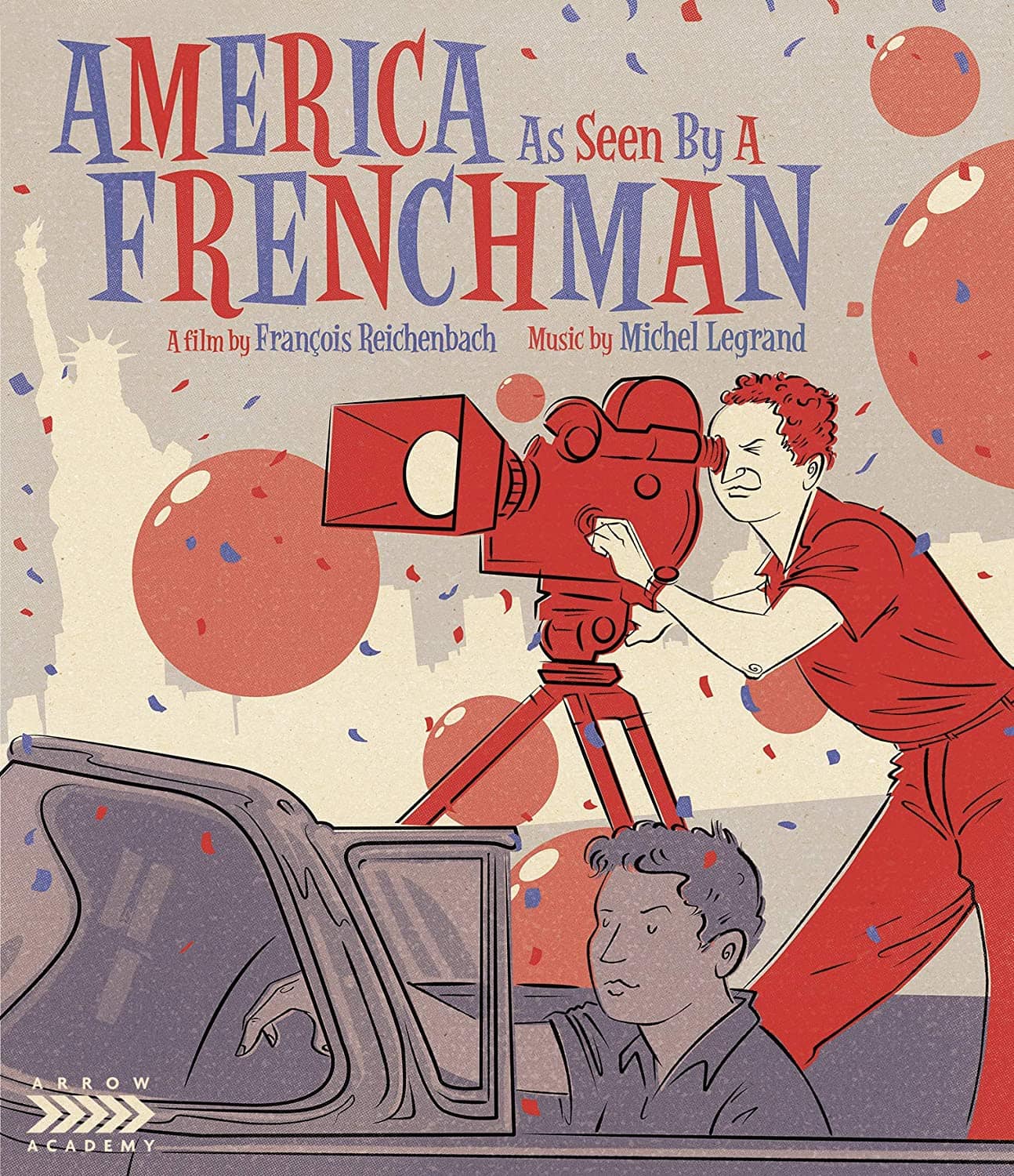
This sterling Blu-ray will hopefully cement the underseen film’s reputation as one of the essential documentaries of the French New Wave.

Criterion welcomes Arzner into its collection with an excellent 4K transfer of this rollicking stage drama.
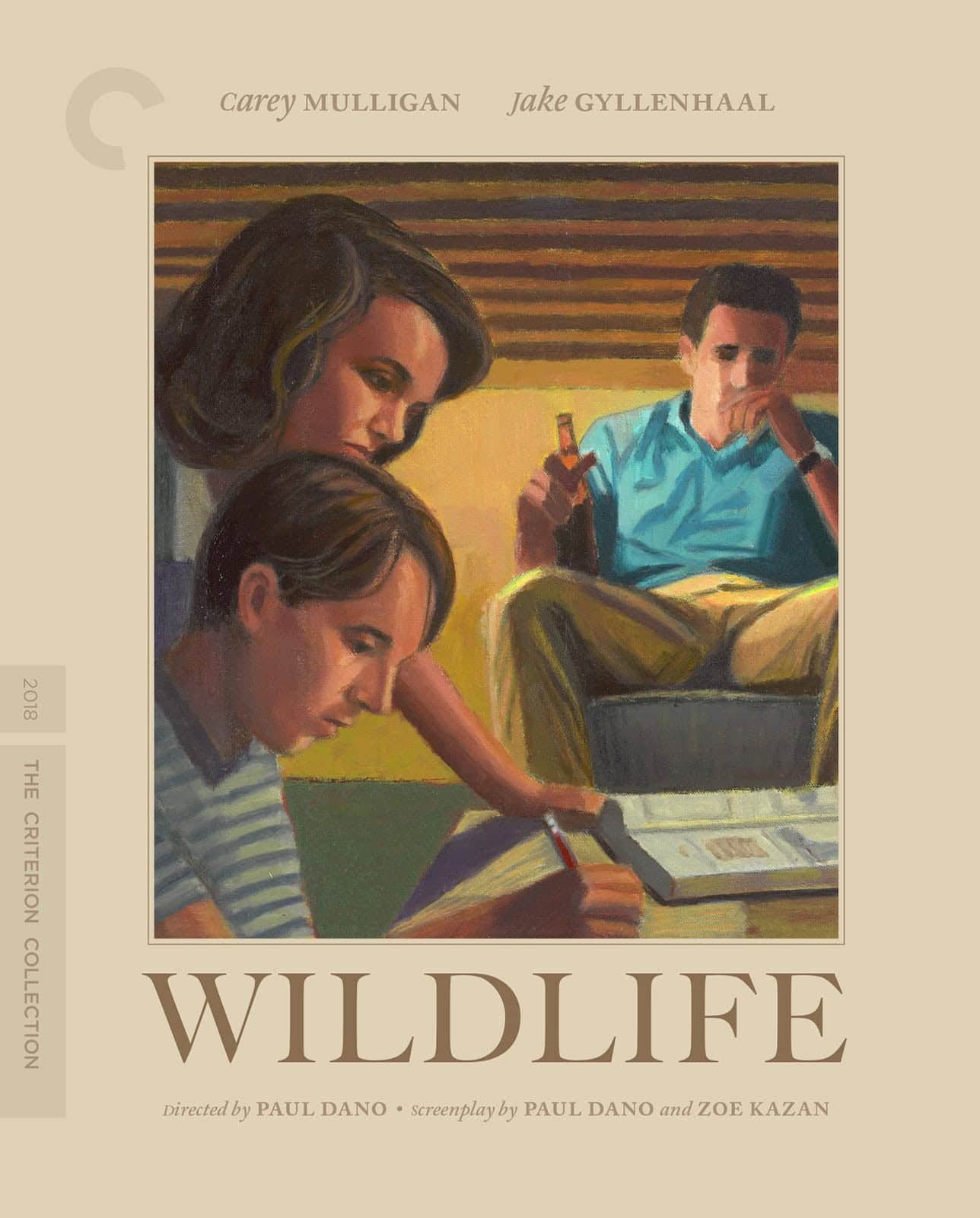
Dano’s contemplative period piece receives a wonderful Blu-ray transfer and handful of illuminating extras.
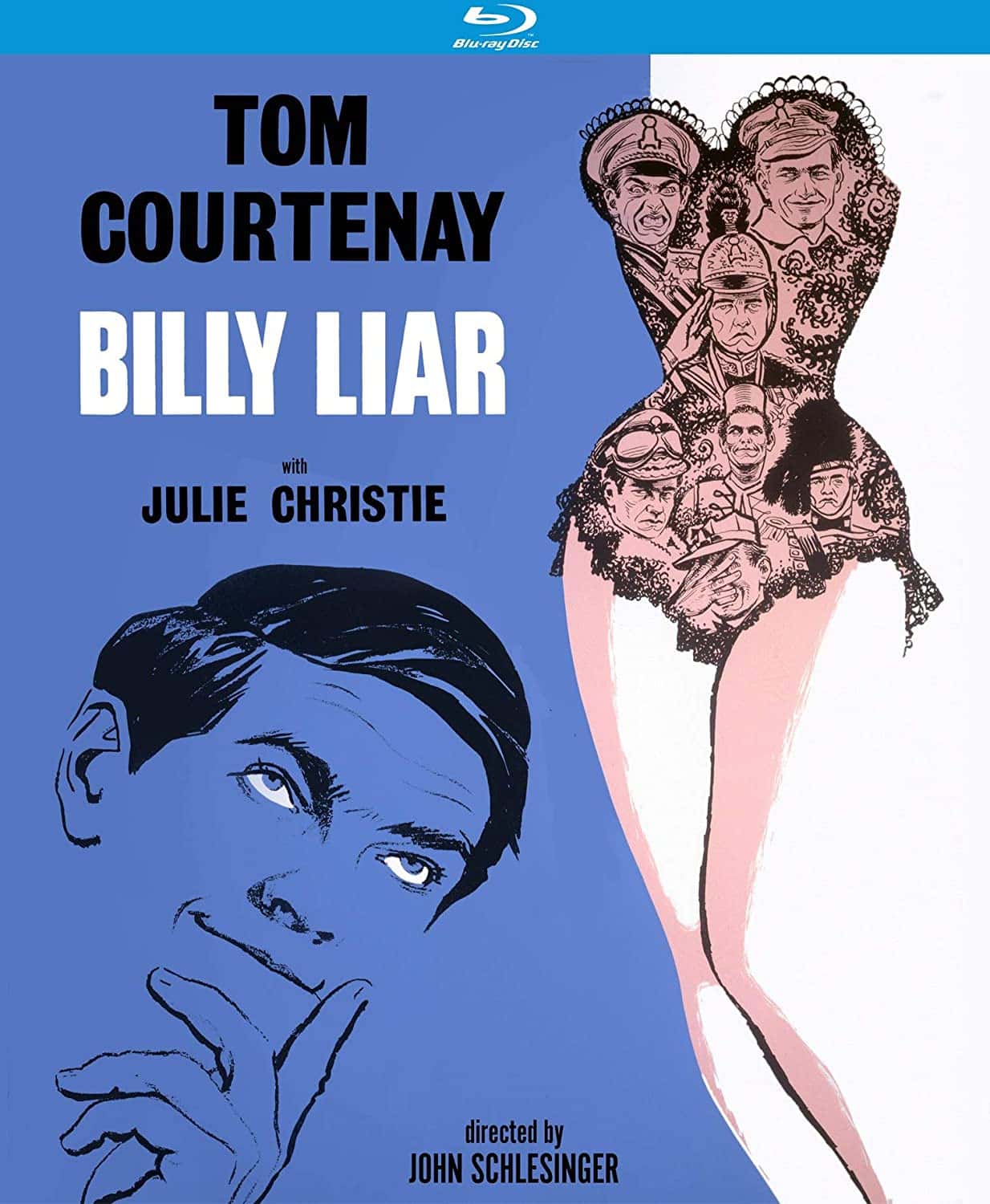
One of the British New Wave’s gentler efforts receives a commendable Blu-ray release featuringan instructive commentary track.
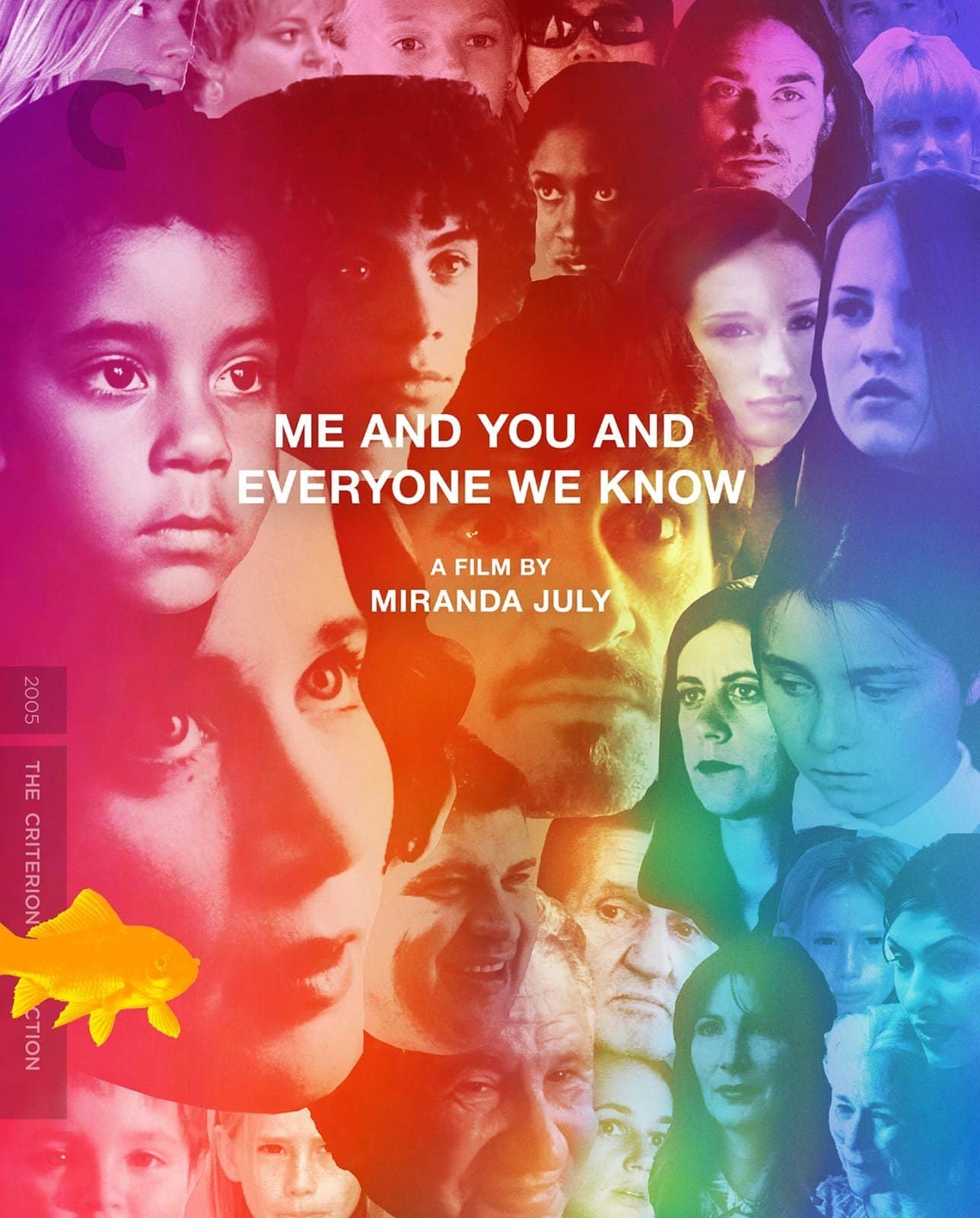
This release is cause enough to introduce a new generation to the sure-to-be-eternal concept of pooping back and forth, forever.
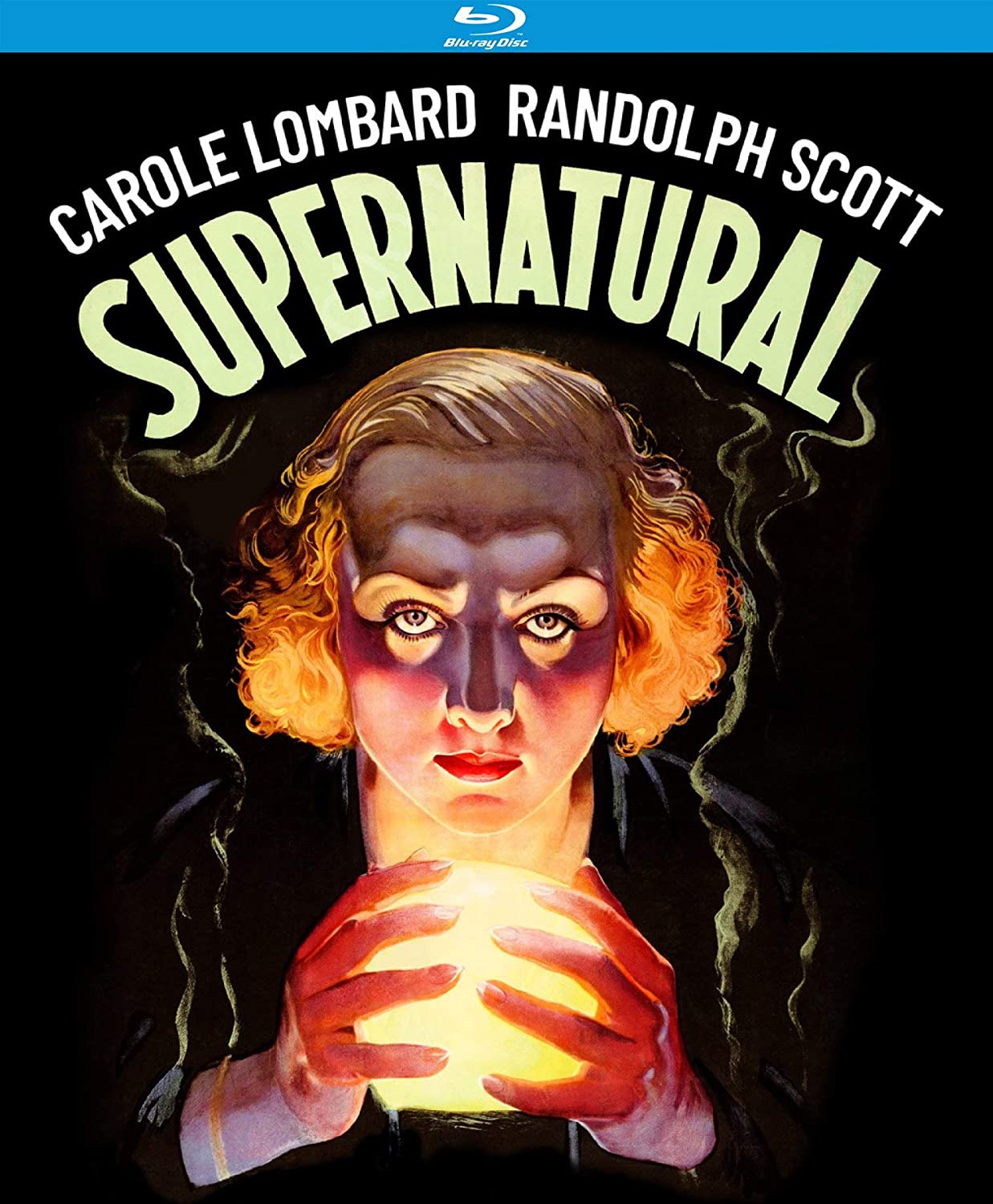
Halperin’s film is a genre-straddling gem from the pre-Code Hollywood era.

VHYes settles much too comfortably into the well-trodden footsteps of other works.
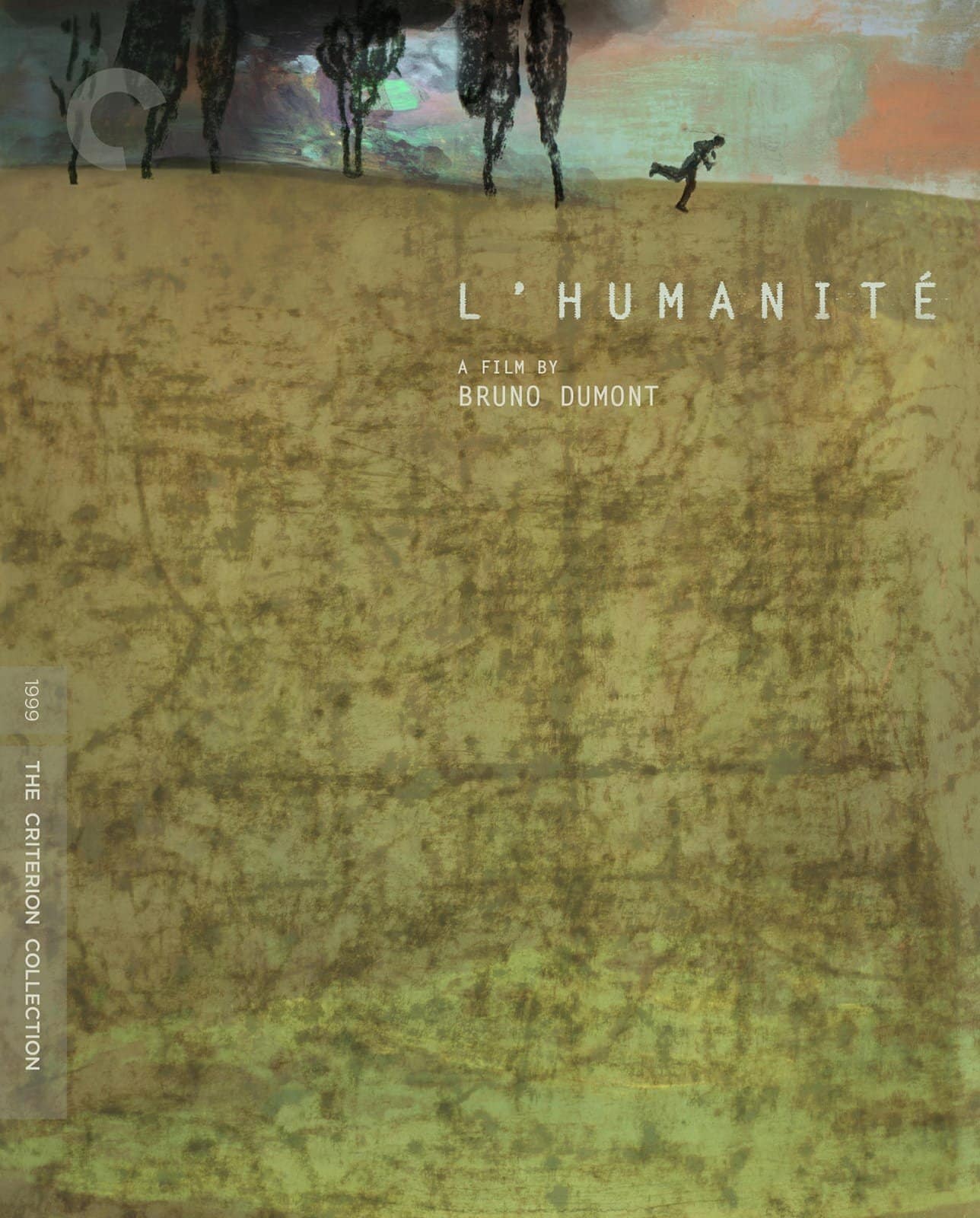
Dumont’s philosophical tragi-comedy receives a gorgeous 4K digital restoration and insightful range of contextualizing interviews.
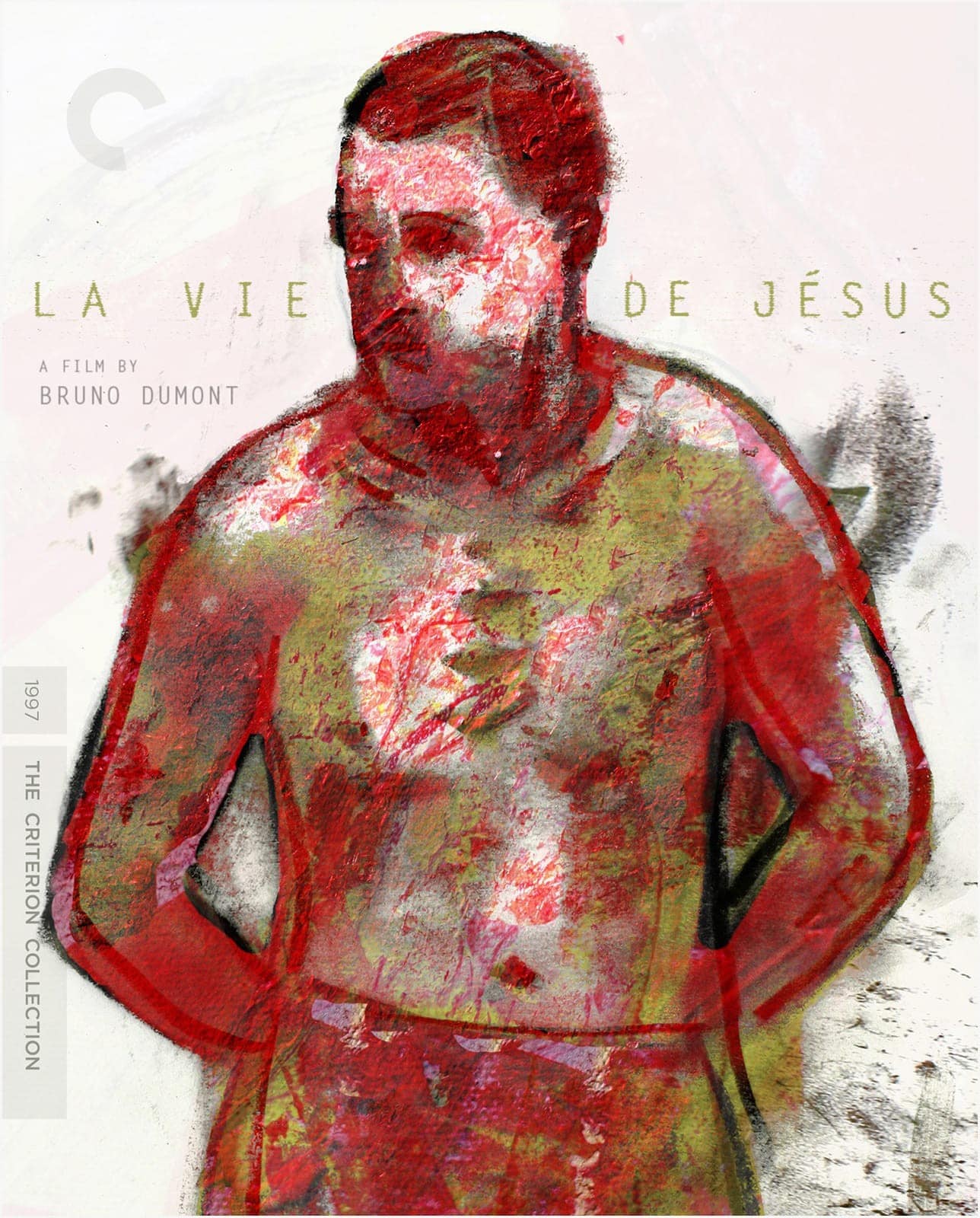
Criterion resurrects one of the great debut features of the last 25 years with an impressive 4K transfer and informative extras.

The film’s debt to Universal’s The Phantom of the Opera cannot be overstated.

Thomas Harris’s novel fathoms man’s depravity in ways that are at once spectacularly horrifying and mordantly amusing.

The film receives a commendable high-def transfer and a handful of worthwhile extras from the Arrow Academy.

Criterion’s excellent Blu-ray transfer will allow this classic of American political critique to remain a topic of debate for years to come.

Djibril Diop Mambéty’s 1992 film resonates primarily for its lacerating comedic writing and pacing.