Japan has long been facing a problem that may spread to the rest of the globe: Its population is aging rapidly. Specifically, almost a third of its population is over 65. And as life expectancy in the country continues to rise, so, too, are birth rates continuing to hit record lows—a leading cause of the so-called epidemic of loneliness. Last year, 40,000 or so elderly Japanese died alone, much of which went unnoticed for considerable time.
It’s a sad, horrific, and curious problem that belies an even larger one: that any system of capitalism will always demand the sacrifice of one human for another. Or at least that’s how writer-director Shimotsu Yûta depicts it in his feature debut, Best Wishes to All. A frequently bewildering countryside-set horror freak-out that pulsates like an open wound, the film is comic yet vicious and cynically bleak in its portraiture of Japan’s silent plague.
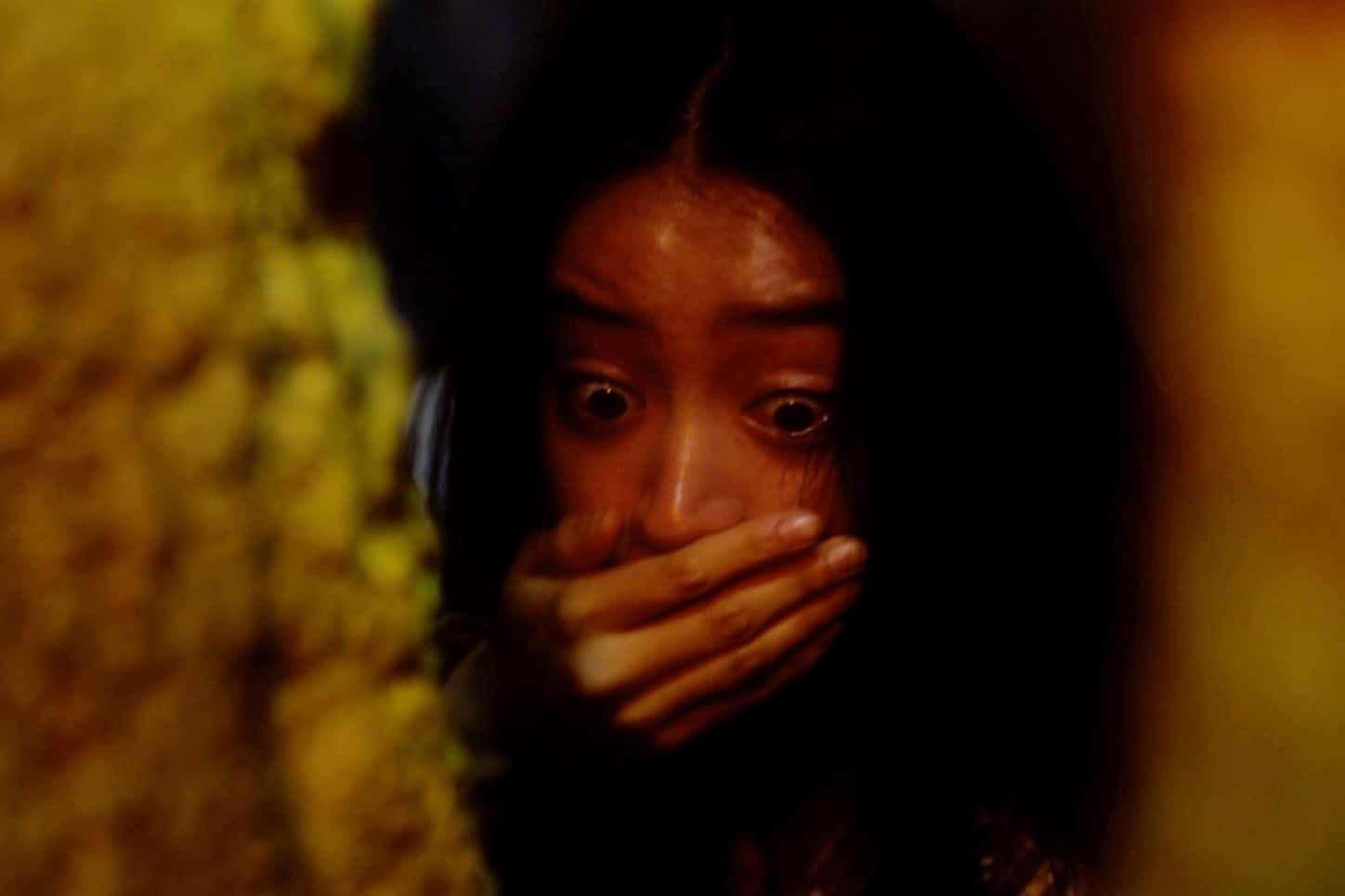
Based on Shimotsu’s 2022 short film of the same name, Best Wishes to All plots a familiar course. Furukawa Kotone plays a nursing student in Tokyo whose idealism is such that she persistently helps old people cross the street. Doe-eyed and chipper, she’s nonetheless dogged by a nightmare of some kind of creature on the second floor of her grandparents’ house.
That’s where she soon finds herself on a visit home. Her grandfather (Arifuku Masashi) and grandmother (Inuyama Yoshiko) mostly seem like sweet, doting people who contentedly live off the land. They make their own miso paste during family meal times, are proud of their granddaughter’s accomplishments, and are only interested in ensuring that everyone is happy.
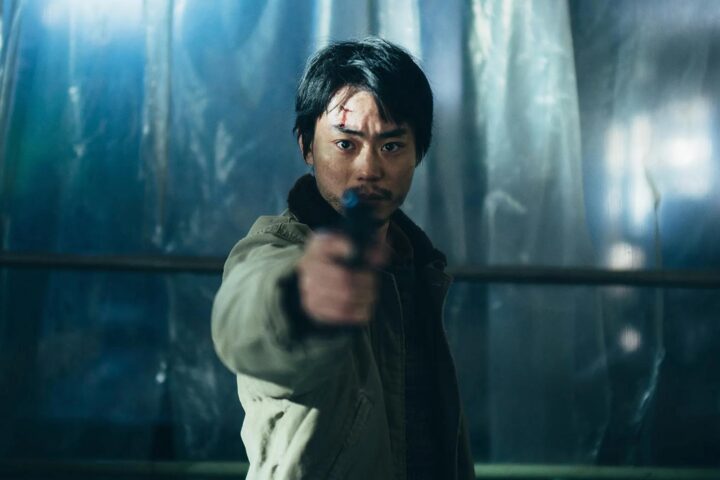
Turns out, they’re too concerned with happiness. Shimotsu gets plenty of chilling mileage out of his scenario through a series of abstract imagery. Suffice it to say that Furukawa’s character seems to be the only person—besides the town’s seemingly only other young person (Matsudai Kôya), with whom she’s warned against fraternizing—concerned with the unusual behaviors exhibited by those living in her granddaughter’s town. Throughout, Shimotsu frequently cuts away from the film’s wildest moments, leaving us in a kind of lurch, as in a cut from the grandmother running repeatedly into a locked door to a peaceful breakfast the next morning.
There are times when Best Wishes to All struggles to reconcile its impulses to be both a mystery box and a straight allegory. Certain moments, given their lack of narrative or thematic purpose, seem to exist only to send goosebumps up the spines of audiences, like the sudden image of the grandfather, mouth and eyes agape, standing frozen before his granddaughter. But when the film clicks, there’s a lucid eeriness with which it sees its characters, all fascinatingly unnamed, as the broken and despairing products of a culture that commodifies happiness.
Since 2001, we've brought you uncompromising, candid takes on the world of film, music, television, video games, theater, and more. Independently owned and operated publications like Slant have been hit hard in recent years, but we’re committed to keeping our content free and accessible—meaning no paywalls or fees.
If you like what we do, please consider subscribing to our Patreon or making a donation.