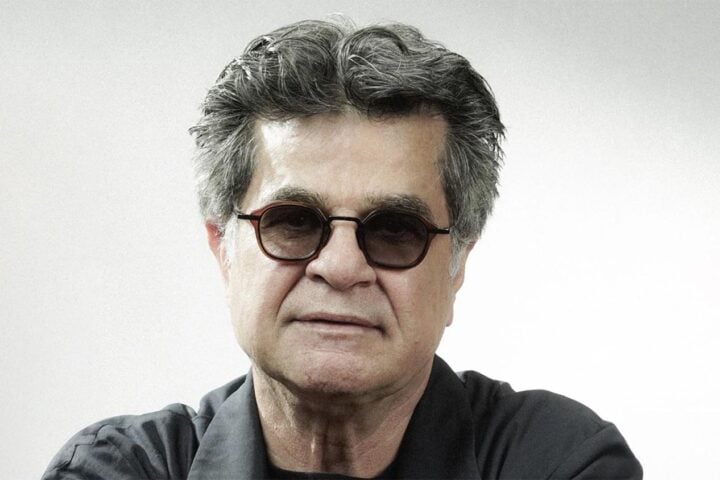
Jafar Panahi’s docu-fiction hybrid films, from This Is Not a Film to No Bears, were precipitated by his various arrests and imprisonments, allowing the Iranian auteur ample opportunity to contemplate the unending nightmare of being under threat from a regime that endeavored to stop him from making films altogether. It Was Just an Accident may boast a more polished and traditionally constructed narrative, but it’s no less a reflection of Panahi’s currently fractious relationship with his country. It’s also astutely aware of the physical and psychological scars that result from living in a state of tyranny.
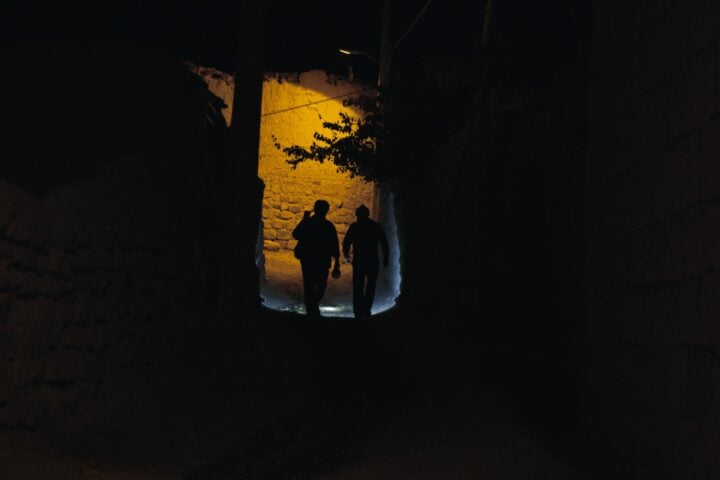
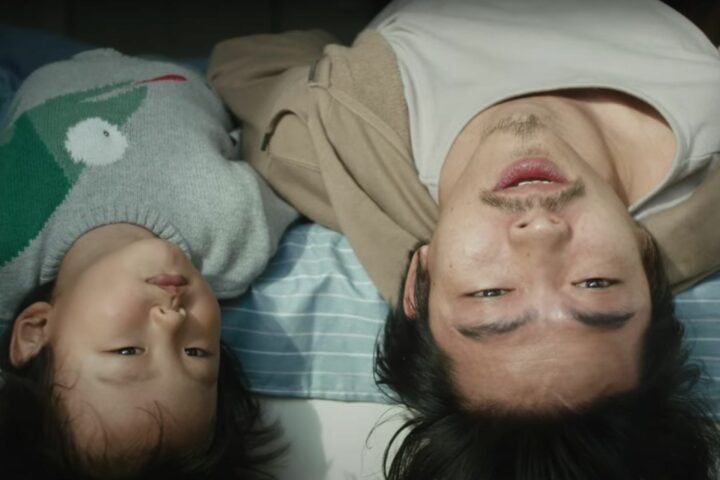
The film begins ominously with a family driving down a dark road, the headlights of their car providing the only illumination. Suddenly, the vehicle hits and kills a stray dog, which immediately distresses the young girl (Delmaz Najafi) in the backseat. Her expectant mother (Afssaneh Najmabadi), attempting to calm the child down, explains that this unfortunate occurrence must all be part of God’s plan. “God had nothing to do with it,” the girl responds, pointedly countering her mother’s naïve optimism, while her father, Eghbal (Ebrahim Azizi), remains stoic behind the wheel. Indeed, this accident will have devastating ripple effects, and to the point that the question of God’s involvement will be the least of anybody’s concerns.
After Eghbal takes his car to a garage for repairs, the film switches perspectives to the shop’s owner, Vahid (Vahid Mobasseri), who freezes in horror when he overhears the customer from the back office. When Eghbal leaves, Vahid follows him home, kidnaps him in broad daylight, then drives him out to the desert in order to bury him alive. This is when Vahid reveals that Eghbal is the intelligence officer who brutally tortured him back when he was a political prisoner, a fact he was sure of when he heard the distinctive squeak of his captor’s prosthetic leg. Still, as Eghbal hysterically denies Vahid’s allegations, doubt creeps in and the shop owner figures he should get a second opinion before enacting his revenge.
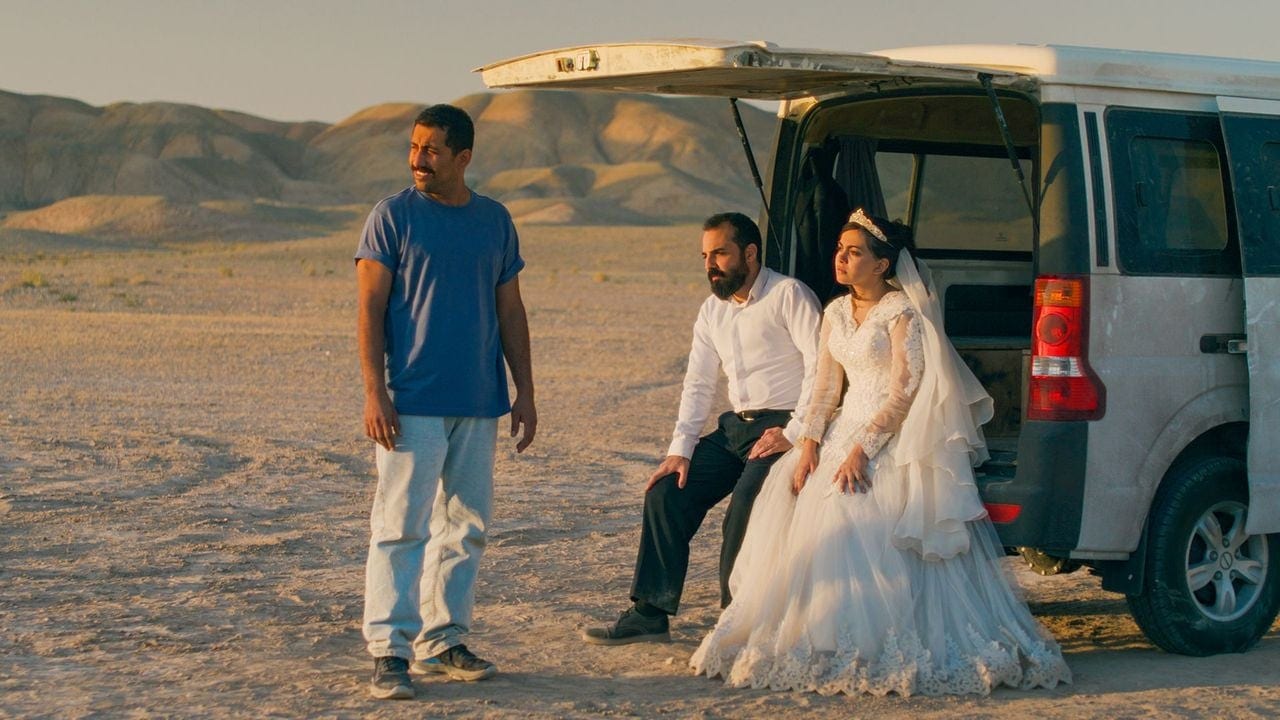
This kicks off a madcap quest to try and confirm the identity of Eghbal, who for the majority of the film remains knocked out cold in the back of Vahid’s van. To do so, Vahid ends up roping in a number of unwitting conspirators who all suffer from traumas similar to his own and can ostensibly corroborate his claim: a wedding photographer, Shiva (Mariam Afshari); the soon-to-be-married couple, Goli (Hadis Pakbaten) and Ali (Majid Panahi), that Shiva is in the midst of shooting when Vahid stumbles upon them; and a local worker, Hamid (Mohamad Ali Elyasmehr), whose hunger for revenge makes Vahid’s seem rational by comparison.
As the newly formed quintet rides around town squabbling about how to proceed, It Was Just an Accident reveals itself as a seriocomic morality play, with the characters’ contrasting points of view vividly illuminated by how their varying temperaments ricochet off of each other with an exciting spontaneity. For one, the cooler-headed Shiva would rather not be involved and move on with her life, while the hot-tempered Hamid is constantly in need of being restrained by the others, given how hell-bent he is on killing Eghbal right there inside the van.
At times, the characters spill out of the van and argue about their plan in plain view of others. In a notable scene, Panahi keeps his characters in a state of queasy tension after they catch the attention of security guards at a parking garage. The guards ask for a bribe to look the other way, and when Vahid and his conspirators say they don’t have any cash, the guards quickly produce portable card readers. This won’t be the only time the group has to begrudgingly make payments to others, and the film aims a brutally satiric arrow at the corruption that’s rampant in Iran by making the characters’ overarching fear of being caught with a kidnapped person an ultimately baseless one in a world where nothing matters except for personal gain.
Even the question of Eghbal’s identity is beside the point. Ultimately, Panahi is more interested in exploring how life under tyranny turns everyone into the worst versions of themselves. This and other thematic ingredients are familiar from many of Panahi’s previous films, and with It Was Just an Accident, he stirs them into a more conventional narrative framework.
Which isn’t to say that Panahi’s anti-authoritarian spirit doesn’t flow through the film, as evidenced by his deliberate decision to not have his female characters wear hijabs, in defiance of Iran’s strict religious rules. And It Was Just an Accident’s final moments bring Panahi’s critique of contemporary Iran into especially grim focus, as an ostensibly happy conclusion morphs into existential dread with the realization that no matter what the oppressed do to move past the trauma of what they’ve experienced, it will always be one triggering thought, or sound, away.
Since 2001, we've brought you uncompromising, candid takes on the world of film, music, television, video games, theater, and more. Independently owned and operated publications like Slant have been hit hard in recent years, but we’re committed to keeping our content free and accessible—meaning no paywalls or fees.
If you like what we do, please consider subscribing to our Patreon or making a donation.