The comparisons to Paul Greengrass’s queasily forensic docudramas make themselves.


Wes Greene is a film writer based out of Philadelphia.
The comparisons to Paul Greengrass’s queasily forensic docudramas make themselves.

The film engages with the stylings and bubbly tonality of the classic rom-com in ironic fashion.

O’Daniel’s approach to narrative isn’t so much casual as it is coolly ambivalent.
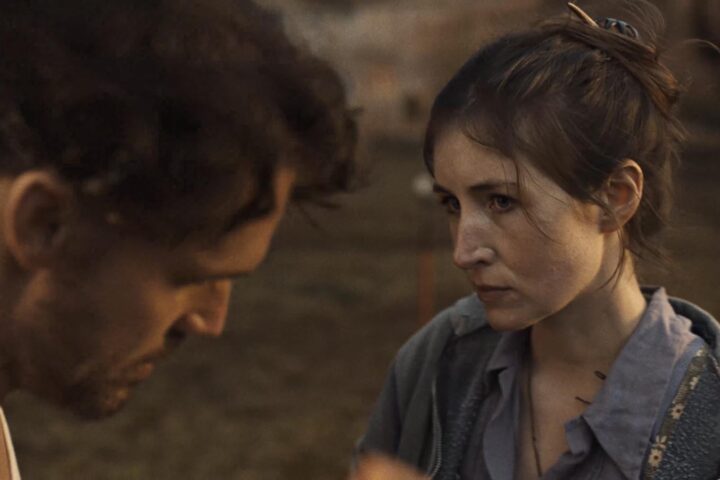
The Seeding’s scare tactics scare less than they remind us of other better and, yes, scarier films.

This is the tragic tale of a deeply flawed individual who became a casualty of his own excess.

The Exorcist still gets under the skin after 50 years.

The film is a gripping portrait of a woman who can’t shake her addiction to deception.

The elegantly underplayed performances ensure that the film never succumbs to melodrama.

War Pony is characterized by a glaring, almost frustrating lack of nuance or specificity.

The film is inextricably bound to the very thing whose unstoppable creep worries Almada.

In the end, Falcon Lake is almost suffocated by a needlessly funereal mood.
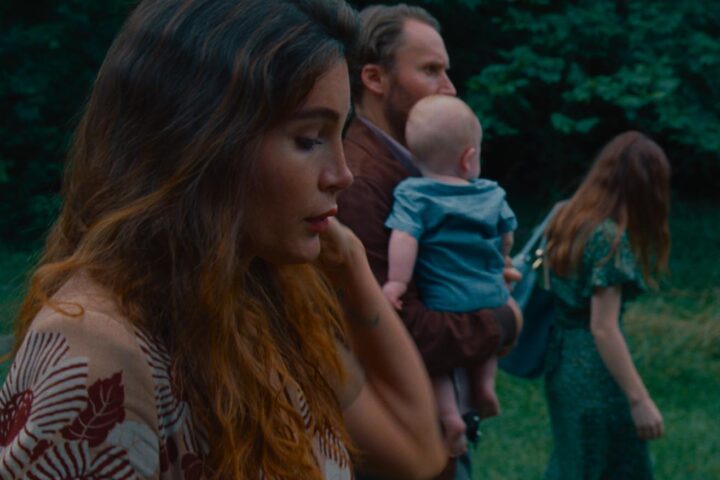
Monica is a rare cinematic experience where the style is the substance.

The film surprises by revealing deeper layers to both its subjects and social commentary.

Sansón and Me has a way of frustratingly pulling focus away from its ostensible subject.
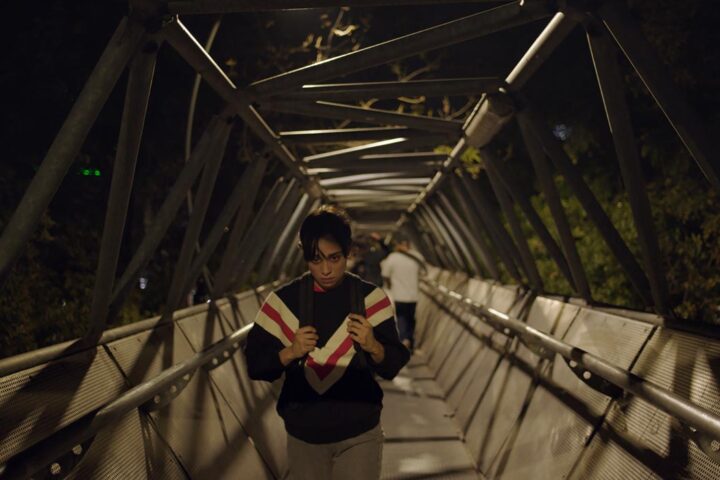
The film is a sensitive character study disguised as an unnerving exercise in body horror.

The film’s depiction of the fear and uncertainty of motherhood gives in to monotony.

The script lacks for the variety needed to make more than just a tasting menu take flight.

Walter Saxer’s restrained and observational approach also proves disarmingly compassionate.

The film sees Catherine as a feminist crusader who undermines the sexist traditions of her time.
The film is at its most volcanic when it promises to blossom into a study of a generation’s financial difficulties.