
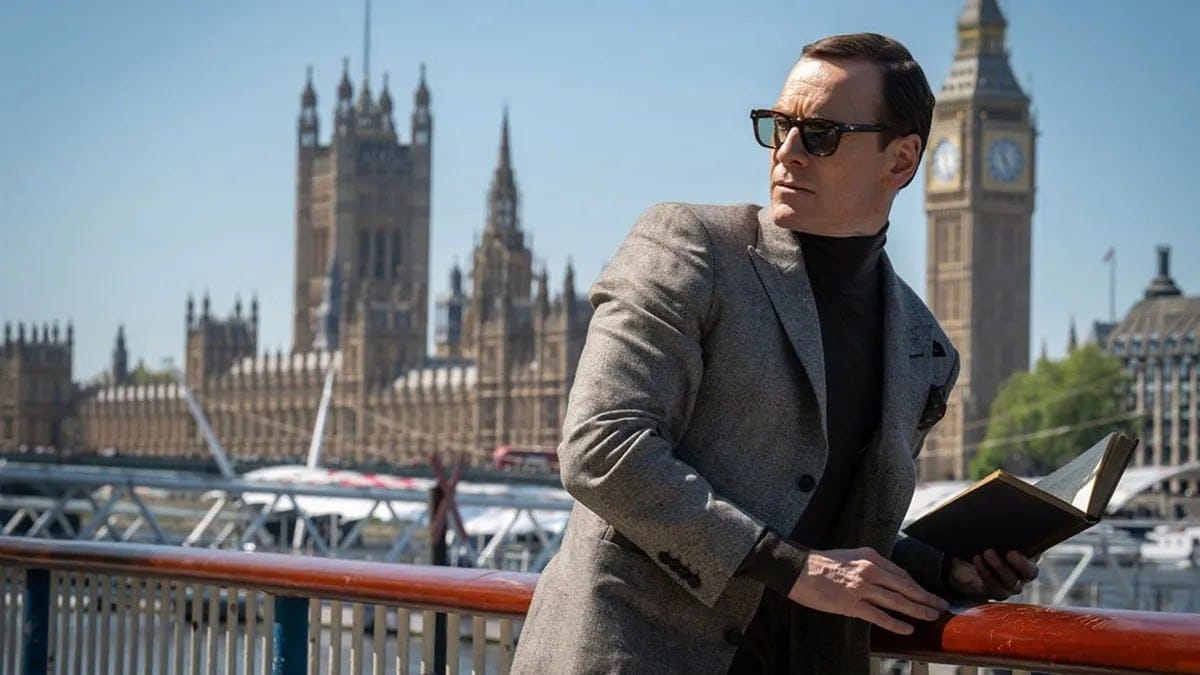
Steven Soderbergh’s Black Bag is the kind of old-fashioned caper that the filmmaker can make in his sleep, and unfortunately in this case, it feels as if he did just that. Like the Ocean’s series, the film seeks to pay tribute to a bygone era of genre cool—to a brand of popular escapist cinema where beautiful people casually navigated high-stakes situations while trading blithe bon mots. That it ultimately comes to feel so inconsequential may be partly by design, but it’s hard not to wish that the newly prolific Soderbergh had woken up a bit to give the routine plot machinations in this London-set spy yarn the same spark that he’s brought to similar genre throwbacks in the past, among them 1998’s Out of Sight.
Black Bag drops us into the shadowy milieu of British intelligence agents with an opening one-take shot that follows top agent George Woodhouse (Michael Fassbender) through a London nightclub and toward a clandestine back-alley meeting in which he’s informed of the possibility of a traitor within his ranks. So begins a weeklong investigation into the agents on his high-level team, which includes his wife, Kathryn St. Jean (Cate Blanchett), who emerges as the most likely suspect in a Bondian plot to initiate nuclear catastrophe in Russia by stealing and selling an agency-designed cyber-worm device called Severus on the black market.
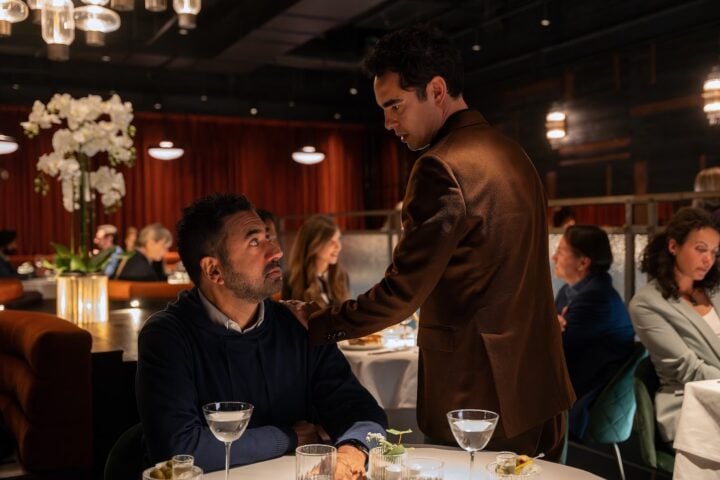
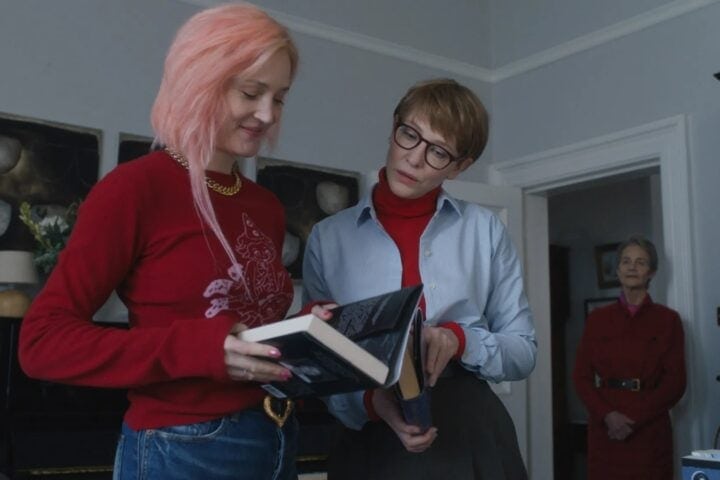
The other four suspects are introduced during a dinner party thrown by George and Kathryn at their chic townhome. George, who’s highly respected in the agency as a prodigious polygraph examiner, uses the occasion to subtly study his fellow agents: boorish philanderer Freddie Smalls (Tom Burke), young surveillance expert Clarissa Dubose (Marisa Abela), psychiatrist Zoe Vaughan (Naomie Harris), and hotshot young colonel James Stokes (Regé-Jean Page).
But George and Kathryn’s guests, who are also coupled like their hosts, have their bullshit detectors on high alert. The cast has fun with the amusingly tense nature of the scenario, especially once George initiates a sly party game in which each person offers up a personal resolution for the person sitting to their right. The way that this escalates from jokey barbs about sensitive relationship issues to outright violence leaves us eagerly anticipating what other charged interpersonal confrontations the film might subsequently have in store.
Black Bag aims to cheekily conflate the duplicitousness of spywork with that which arises in romantic relationships; its title refers to the code word that the characters use when they aren’t authorized to divulge certain information. As George’s investigation suggests increasing guilt on Kathryn’s part, the film poses questions about the authenticity of his long-time marriage to her and how that will affect his desire to protect her once he finds out the truth. But David Koepp’s workmanlike script shows its hand too early, putting the question of Kathryn’s loyalty more or less to bed before George has to make any truly difficult decisions on that front.
At this point, Black Bag settles into a third act of derivative reveals and exposition dumps. And by the time the film comes to the end of its brisk runtime, it feels like nothing much has actually happened, despite all the narrative convolutions. For its part, Fassbender’s wardrobe does a lot of work channeling ’60s-era Michael Caine, and that sense of cool is infectious enough that it may leave you cutting the film some slack—say, willing to see it as a darkly comic commentary on the processes of bureaucracy. If not, then it’ll be easy to see its lack of dramatic and intellectual intensity as indicative of the hastiness that marks Soderbergh’s recent output.
Since 2001, we've brought you uncompromising, candid takes on the world of film, music, television, video games, theater, and more. Independently owned and operated publications like Slant have been hit hard in recent years, but we’re committed to keeping our content free and accessible—meaning no paywalls or fees.
If you like what we do, please consider subscribing to our Patreon or making a donation.


By all accounts just one more film co-written and co-produced with the CIA, so nothing that remotely approaches criticism of US government atrocities will be seen or mentioned. No doubt Tom Secker’s excellent Spy Culture site will uncover the background to this as time goes by.
This is one of the most accurate movie reviews I’ve read in a long time!
(We went last night, and I had a challenging time caring about anyone or anything in the movie because everything was just so dull, and I had a hard time staying awake in the dark theater. Normally I love a movie with a slow fuse (The Third Man is one of my favorite movies of all time) but this was just a snoozefest end to end, and one of the most forgettable movies I’ve (ever) seen. I wondered if maybe I was just in the wrong mood last night so spent this morning reading some of the reviews — this review describes the movie perfectly IMHO :) )
Thank you for such an honest review. My attention was not really held by Black Bag despite one of my favourite directors and some of my favourite actors although there were still a couple of very nice Soderberg moments. The long, beautiful opening shot was a perfect blend of sound and vision through the varying environments, for instance.