Based on Jake Adelstein’s 2009 memoir, which documents the American journalist’s time on the yakuza beat in Japan, Tokyo Vice represents a modern-day apotheosis of the “white savior” narrative, updating some of its tropes while subverting others. The HBO series balances its lavish depictions of yakuza life and customs with an ensemble of noir-inflected characters that complicate the story beyond its crime-drama material.
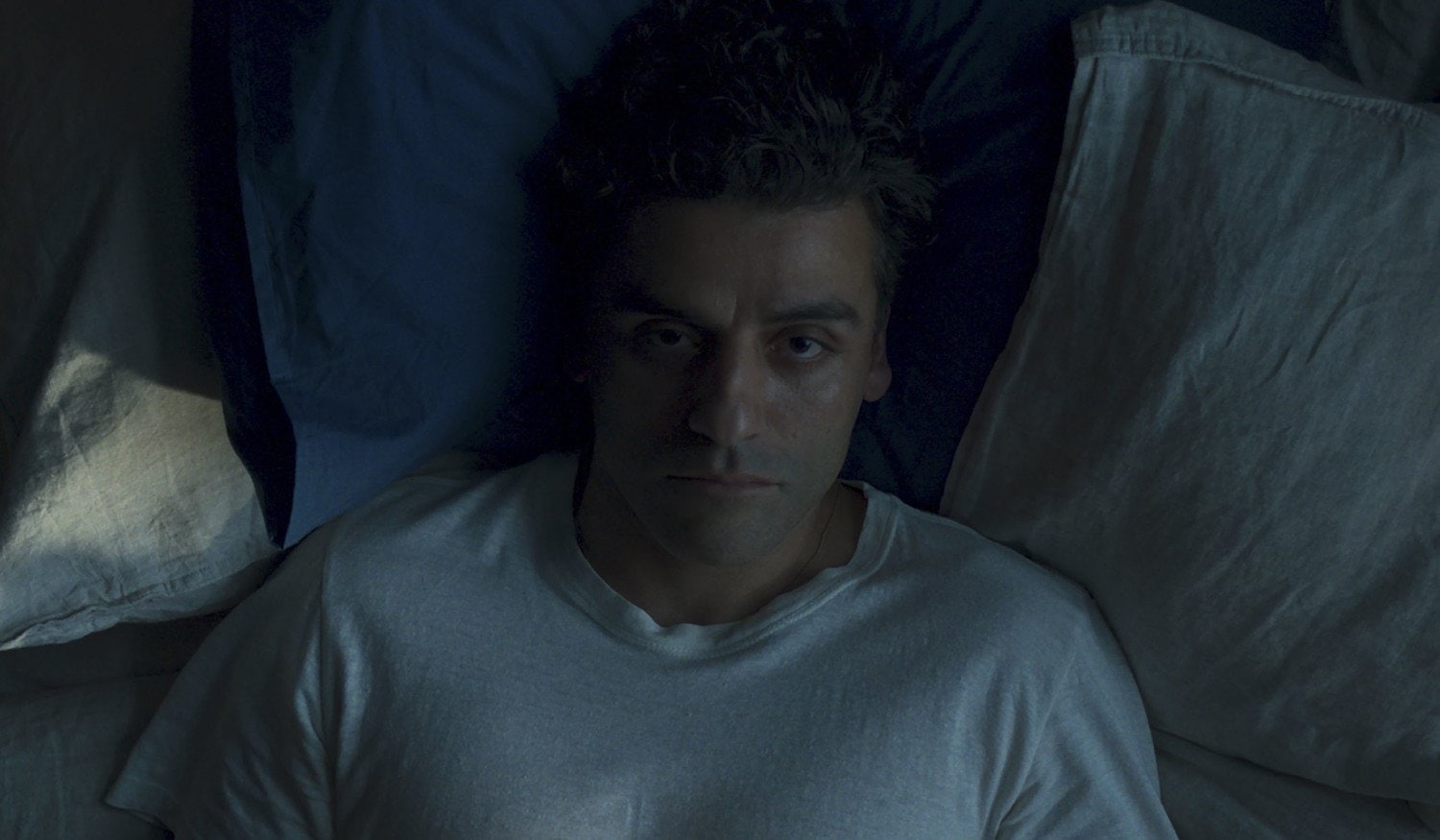
When we first meet Jake (Ansel Elgort), he’s already settled into a comfortable routine in Japan, teaching English, practicing Aikido martial arts, and ordering liver yakitori. His quiet life, though, comes to an abrupt halt once he’s hired as the first non-Japanese reporter for the Miecho Shimbun newspaper, where he’s underestimated and berated as a gaijin (foreigner).
Jake gradually adapts to working 80-plus hours as a cog in one of Japan’s biggest newspapers, spurred on by his supervisor, Emi (Kikuchi Rinko), to continue investigating a string of yakuza-related suicides. This leads to a climactic scene where his mentor, a police detective named Katagiri (Ken Watanabe), warns him not to write about the yakuza turf conflict, hinting at the broader network of police interests and syndicate territories keeping Tokyo’s safety in check.
The flashy plot of Tokyo Vice belies the ennui that many of the show’s characters feel. Emi would rather work overtime than go back to a toxic home environment, while the hardened Katagiri appears drained and weathered from his dealings with the yakuza but also warm and protective of his own family. Whether or not Katagiri is the man he seems to be, or if he’s working for the yakuza, proves to be one of the show’s big mysteries.

Jake’s outsider status provides some much-needed humor to the proceedings, especially when he idealistically proclaims, “We get to increase the world’s knowledge every day,” to a colleague cleaning out cigarette trays at work. Such see-sawing between brazen American individualism and its humbling makes Jake a surprisingly palatable character, even as he stumbles through telegraphed moments like arguing with his boss for a story. Ultimately, though, there’s a sense that Japan is truly where Jake belongs, as he finds out his workaholic tendencies are quite compatible with both the paper’s standards and Japanese culture at large.
Throughout Tokyo Vice, the cool and collected Sato (Kasamatsu Shô), a rising member of the Chihara-kai yakuza, serves as a foil to Jake, who quickly befriends him while chasing leads at a nightclub. Raised by the yakuza after abandoning his impoverished background, Sato is everything that Jake isn’t. He observes the rituals and codes of the yakuza life without question, driven by the fear of losing his place in society, and whereas Jake asks for help and advice, Sato masks his inexperience and personal conflicts with a façade of confidence.
Elsewhere, a subplot revolving around Samantha (Rachel Keller), an American working as a hostess at a seedy nightclub, serves to highlight how such industries are under the sway of the yakuza. That’s a topic that Tokyo Vice only gestures at, but the tension of life under such control forcefully pulses through the show’s noir-ish atmosphere, especially in the tensely constructed first episode, directed by Michael Mann. But Samantha’s dream of starting her own nightclub feels underexplored in comparison to her love-hate relationship with Sato. Like Jake, her backstory is teased early on but, at least in the five episodes made available to press, isn’t full explicated, suggesting that there may not be much there to begin with.
While it takes some time for Tokyo Vice’s characters to break out of their archetypal molds, the relish that the show takes in creating beautiful spaces is instantly striking, with scrupulous detail paid to the yakuza headquarters, from the aged wood of the traditional shoji doors to the lush gardens and paintings. It also dispels some of the mystique and glamour of the yakuza lifestyle, namely by according equal focus to the brute-force brutality of this world and the emotional toll that it takes on everyone from the yakuza’s victims to individual members’ families. At its best, Tokyo Vice sketches out a larger portrait of Japan’s diverse, competitive society and the criminal world that operates in the shadows.
Since 2001, we've brought you uncompromising, candid takes on the world of film, music, television, video games, theater, and more. Independently owned and operated publications like Slant have been hit hard in recent years, but we’re committed to keeping our content free and accessible—meaning no paywalls or fees.
If you like what we do, please consider subscribing to our Patreon or making a donation.