The album veers between well-oiled honky-tonk and aggressive, battered guitar rock.



Jeremy Winograd studied music and writing at Bennington College, where he did his senior thesis on Drive-By Truckers. He has written for Rolling Stone and Time Out New York. He and his wife met on a White Stripes message board.
The album veers between well-oiled honky-tonk and aggressive, battered guitar rock.

The band sheds their usual ragged, rustic style in favor of a more polished approach.

These songsunfurl like hazy, sepia-tinged memories of endless summer afternoons.

The band’s propensity for catchy, danceable garage-punk remains intact.

The album is a critical reminder that rock ‘n’ roll can and often should be an audacious thing.

On their first album as a duo, the singers reclaim the honky-tonk music they grew up on.

The album doesn’t question whether love is real, but rather if it’s all that it’s cracked up to be.

The album contains some of Hood’s most impressive and freshest work in years.

The singer’s first full-on rock album is as bracing as a bucket of cold water.

The album lacks the clarity of the musician’s best work but still feels like a return to form.

The singer-guitarist’s third solo album is something of a solitary affair.

The album presents an artist whose inner world is growing less phantasmic by the day.

The singer-songwriter explores a broader range of genres and moods than ever before.

Memories of the Black Keys as a scuzzy, basement-dwelling DIY blues-rock duo have long since faded.

The band can show off their softer underbelly just as skillfully as they do their fangs.

The album could have benefited from more free-flowing song structures and unconventional arrangements.

The album captures a genuinely contemporary flair that the band hasn’t successfully embodied since the late 1970s.

The band’s sixth album is eminently professional but contains few surprises.
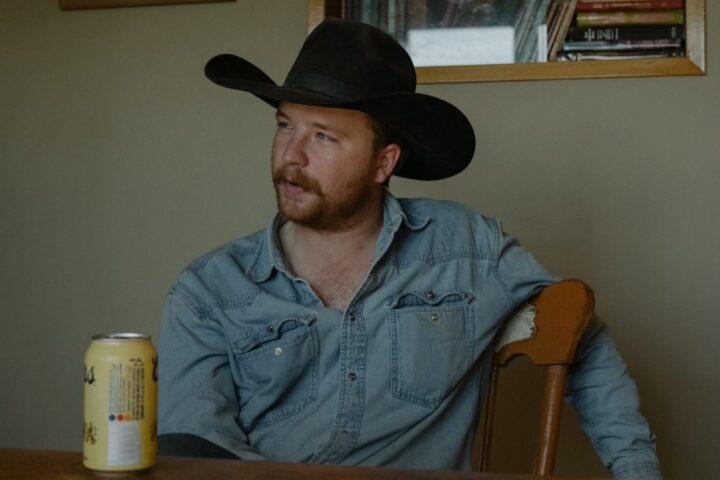
As it turns out, Colter Wall doesn’t just sing cowboy songs, he lives them.

Throughout, Lewis grapples with the quirks and perils of relationships with humor and honesty.