
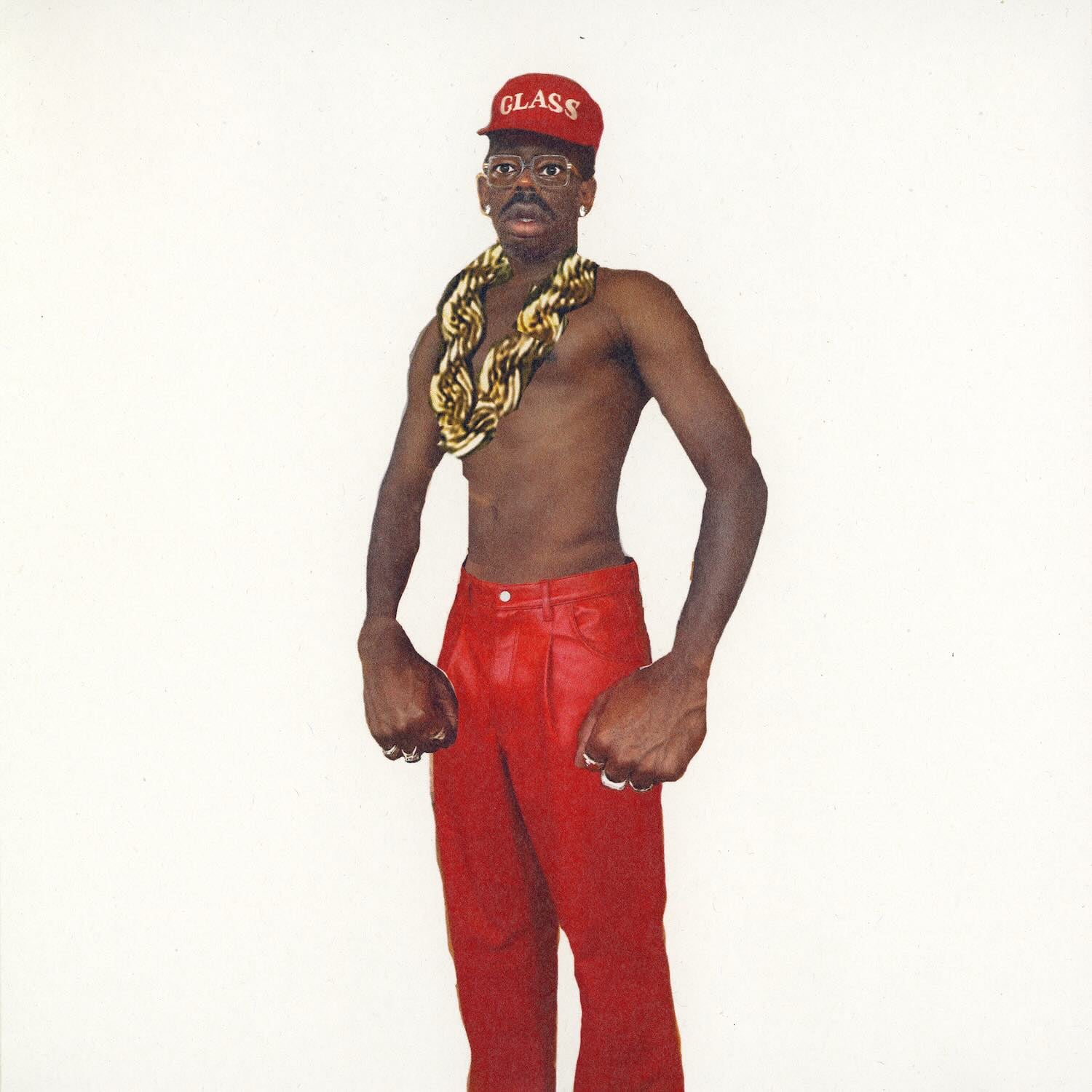
 Tyler, the Creator has long played with alter egos, from Wolf Haley on 2013’s Wolf to Sir Baudelaire on Call Me If You Get Lost, and on his ninth studio album, Don’t Tap the Glass, he slips into his most calculated role yet: the polymath pop star. He seems so determined to flaunt his range that he collapses under the weight of his own eclecticism.
The album unfolds like a Pinterest mood board of regional dance subcultures—Miami bass, New Orleans bounce, and Baltimore club, to name a few—stitched together with the aloof confidence of someone mostly concerned with signaling their sense of taste. The production gleams, but there’s no pulse beneath it, and Tyler’s songwriting, once barbed and idiosyncratic, now leans on prefab aesthetics and winking pastiche: shorthand for emotion, placeholders for depth.
Tyler musing that people are too afraid to dance in public anymore is telling, though not quite in the way he imagines. Don’t Tap the Glass plays like a museum exhibit about dance music, curated by someone whose last club experience predates TikTok.
For all its bounce and scene-specific flavor, the album is strangely disembodied. The beats on tracks like “Stop Playing with Me” are dense but inert. There’s no sweat or swing. Tyler clearly reveres the genres he’s borrowing from, but reverence alone doesn’t translate to vitality. Instead of evoking the kinetic spirit of a packed room, these grooves seem precision-engineered for lifestyle ads. It’s music made for the idea of dancing, not the act itself.

Lyrically, Don’t Tap the Glass finds Tyler untethered from either the gleeful mischief of his early provocateur phase or the raw vulnerability that gave Igor its emotional charge. What’s left is a parade of corny throwaway quips and pseudo-profundities—“You can get a workout, not in the gym, bitch/You ain’t gotta lie, we can smell the Ozempic,” he says on the title track—that land with a thud. Even the rare attempts at introspection feel phoned-in, dulled by vague abstraction: “I had to protect my heart/And build the wall so tall, I couldn’t look over,” Tyler croons on “Ring Ring Ring.” It’s a line that plays more like a motivational caption than a confessional.
Tyler’s ongoing insistence on singing his own hooks, like on the grating “Sucka Free,” doesn’t help matters. What once scanned as endearingly off-key now feels like ego in action, a refusal to cede ground even when the tune is screaming for a better voice. The result is an album obsessed with doing everything yet allergic to the commitment or craft required to make any of it matter.
The album’s high points, “Don’t Tap That Glass/Tweakin’” and “I’ll Take Care of You,” are messy, muscular, and vibrant tracks that really channel the full-bodied energy of the best club music. But it’s a pity that the rest of the album feels so unfinished and underthought.
Don’t Tap the Glass isn’t a failure so much as a competent dead end. The beats sound good, the transitions are clean, and the vibes are mostly all right. And yet, for an album supposedly about breaking free of self-consciousness and moving with abandon, it’s hard to imagine anything more performative. Or, perhaps more damning, anything less danceable.
Since 2001, we've brought you uncompromising, candid takes on the world of film, music, television, video games, theater, and more. Independently owned and operated publications like Slant have been hit hard in recent years, but we’re committed to keeping our content free and accessible—meaning no paywalls or fees.
If you like what we do, please consider subscribing to our Patreon or making a donation.


Does this guy even listen to the albums he rates? Every review he gives is consistently absurdly low compared to other reviews, and almost always misses the entire point of the album.
the album wasn’t meant to be deep and “finished”.
idk man i just hate him alot. Like dont tap tthe glass is so PEAK bro idk how you could ever Hate it if you hate it you are Wrong change your opinion
Bro just stop listening to music, your criticism and ratings are absolutely TRASH..