
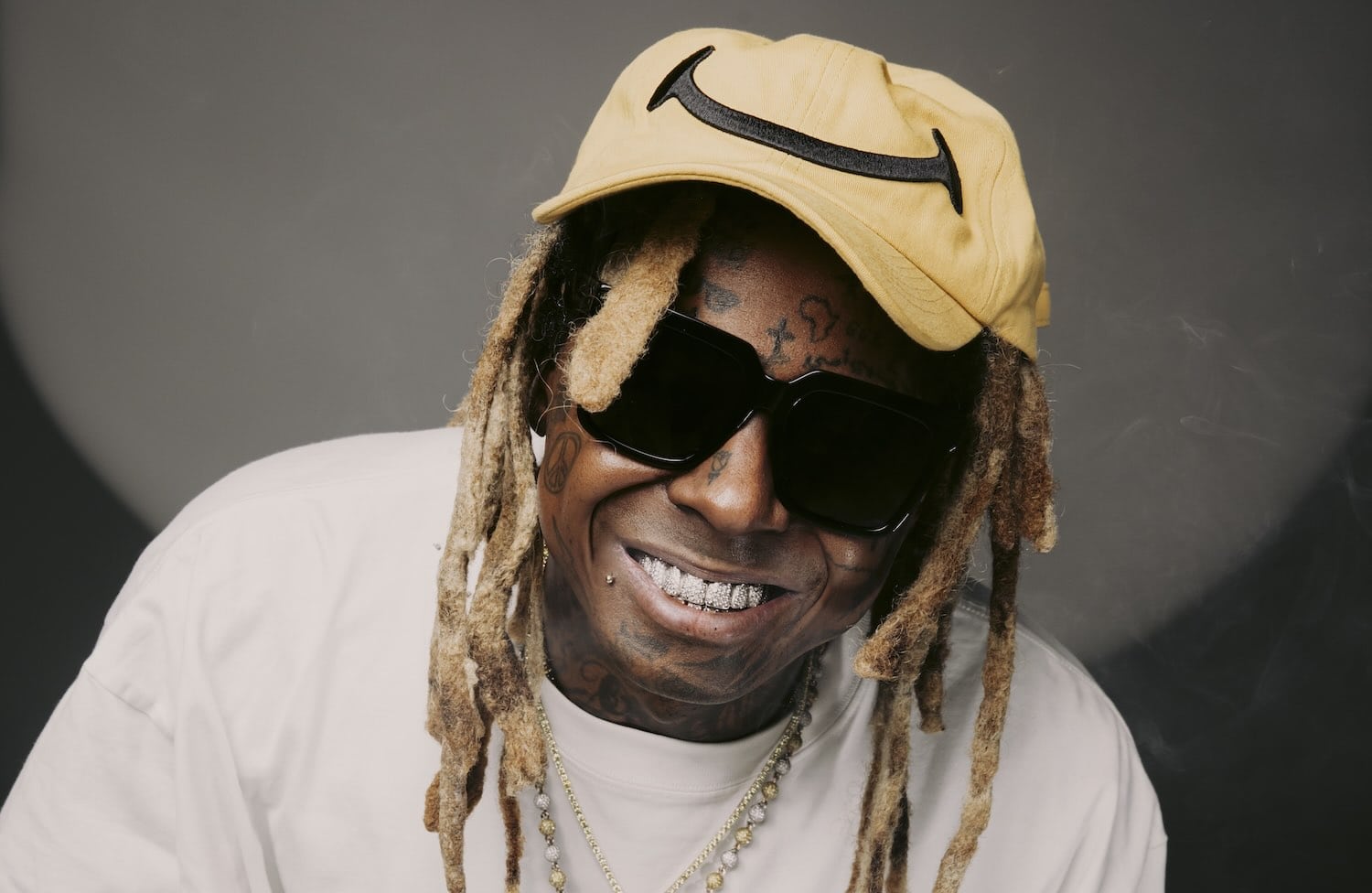
At the start of the pandemic, in a conversation with Eminem, Lil Wayne admitted that with each new release, it was getting harder to find something fresh to say—or a fresh way to say it. He compared his albums to a painter’s canvas, increasingly cluttered with marks from previous efforts, leaving less and less blank space to work with. (Case in point: He admitted to Googling his own lyrics just to make sure he wasn’t repeating himself.)
Even during his self-proclaimed reign as “the greatest rapper alive,” Wayne’s albums were often graded on a generous curve. He’s long favored a hands-off method when assembling these sprawling hour-plus projects, preferring to record hundreds of tracks and entrust the final selection to a small circle of collaborators. The end product was rarely cohesive or deliberate, and on Tha Carter VI, it results in one of Wayne’s most meandering, insular, and uninspired efforts to date: 19 mostly lackluster songs that putter about with little purpose and rarely rekindle the anarchic spark that once made the rapper a polarizing, trend-setting force.
Things start off promisingly enough: “Welcome to Tha Carter” isn’t groundbreaking, but it showcases enough nimble wordplay delivered with snappy verve to suggest that Tha Carter VI might just find its footing. But starting with “Bells,” with its clumsy interpolation of LL Cool J’s classic “Rock the Bells,” the remaining tracks fall into three qualitative tiers: passable (“Flex Up,” where Wayne’s flow is lively even if much of it is indecipherable), disposable (“Bein Myself,” “Cotton Candy”), or downright embarrassing (“Alone in the Studio with My Gun” and “If I Played Guitar,” the former a pop-punk emo pity party and the latter a Xeroxed retread of the already insufferable “How to Love” from Tha Carter IV).
Where Wayne’s earlier work teetered on the edge of chaos in often thrilling ways, here his music mostly falls flat. On “Maria,” a sample of Andrea Bocelli’s iconic rendition of the aria “Ave Maria” is awkwardly layered over a basic 808 snare—the sonic equivalent of scribbling crayon on the Mona Lisa. And the fact that “The Days” is capped off by an overwrought Bono guest vocal—reportedly recorded circa 2013—and features Wayne reflecting on health scares from that same year only underscores how much of the album feels like a dust-covered relic.
The album’s high points—like the bounce-infused “Banned from NO” and the Southern-fried “Hip-Hop”—are little more than reminders of the baseline competence that Wayne was once capable of. Still, comparatively speaking, they offer scant evidence that he’s still evolving as an artist. More than anything, Tha Carter VI is suffused with a sense of indifference, as Wayne comes across like a man with nothing left to prove, and he performs accordingly.
Since 2001, we've brought you uncompromising, candid takes on the world of film, music, television, video games, theater, and more. Independently owned and operated publications like Slant have been hit hard in recent years, but we’re committed to keeping our content free and accessible—meaning no paywalls or fees.
If you like what we do, please consider subscribing to our Patreon or making a donation.

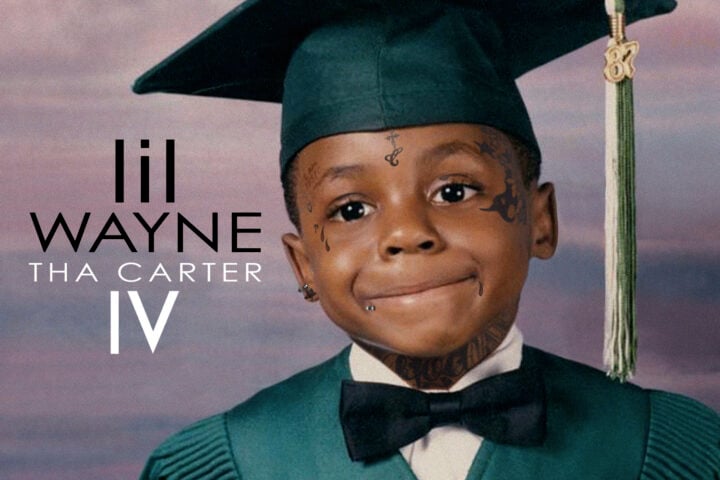



Reading such scathing reviews like this of the album feel like encountering gaslighting: Carter VI landed quite well in my ears and I keep returning to it to enjoy it more and more, as has happened over the last 15 years or so as I’ve enjoyed Lil Wayne’s music.
Ave Maria was beautiful to me; such negative reactions to that song are dismissive of its poetic qualities and deep content regarding Wyclef and Wayne’s personal lives.
If I played guitar is a wonderfully clever and beautiful song as well; why it’s being criticized so sharply, I don’t entirely know. It is as if there is a general feeling of hating on Wayne since the Kendrick Lamar half time show. This album is frankly more interesting to me than Kendrick’s recent one, but I think Lil Wayne fans are used to being told their goat has fallen off especially in recent time—but I can see he’s not bored, but rather just refining his craft and doing what he loves, which includes playing the guitar. (Grant it, I was one of the few who loved most of Rebirth as well.)
To me, the Carter VI contains refined versions of many artistic experiments Wayne has undertaken throughout his career, perhaps especially from his (also heavily criticized) Rebirth era. It continues some of the self-discovery which was most explicit in Tha Carter V with lyrics reflecting on personal aspects of his life such as his grandmother’s passing and his father’s abusive tendencies. And the album contains a remarkable range of styles, flows, genres, and “lanes”— to those who haven’t listened yet, try to listen with fresh ears, and more than once, before letting the plethora of negative reviews deter you.