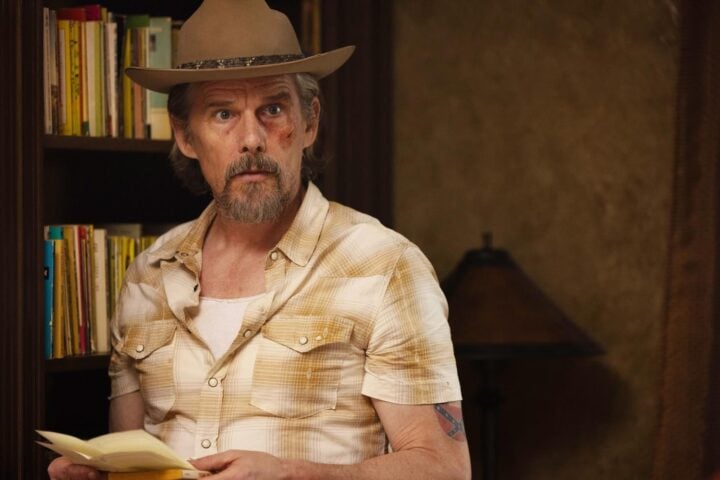
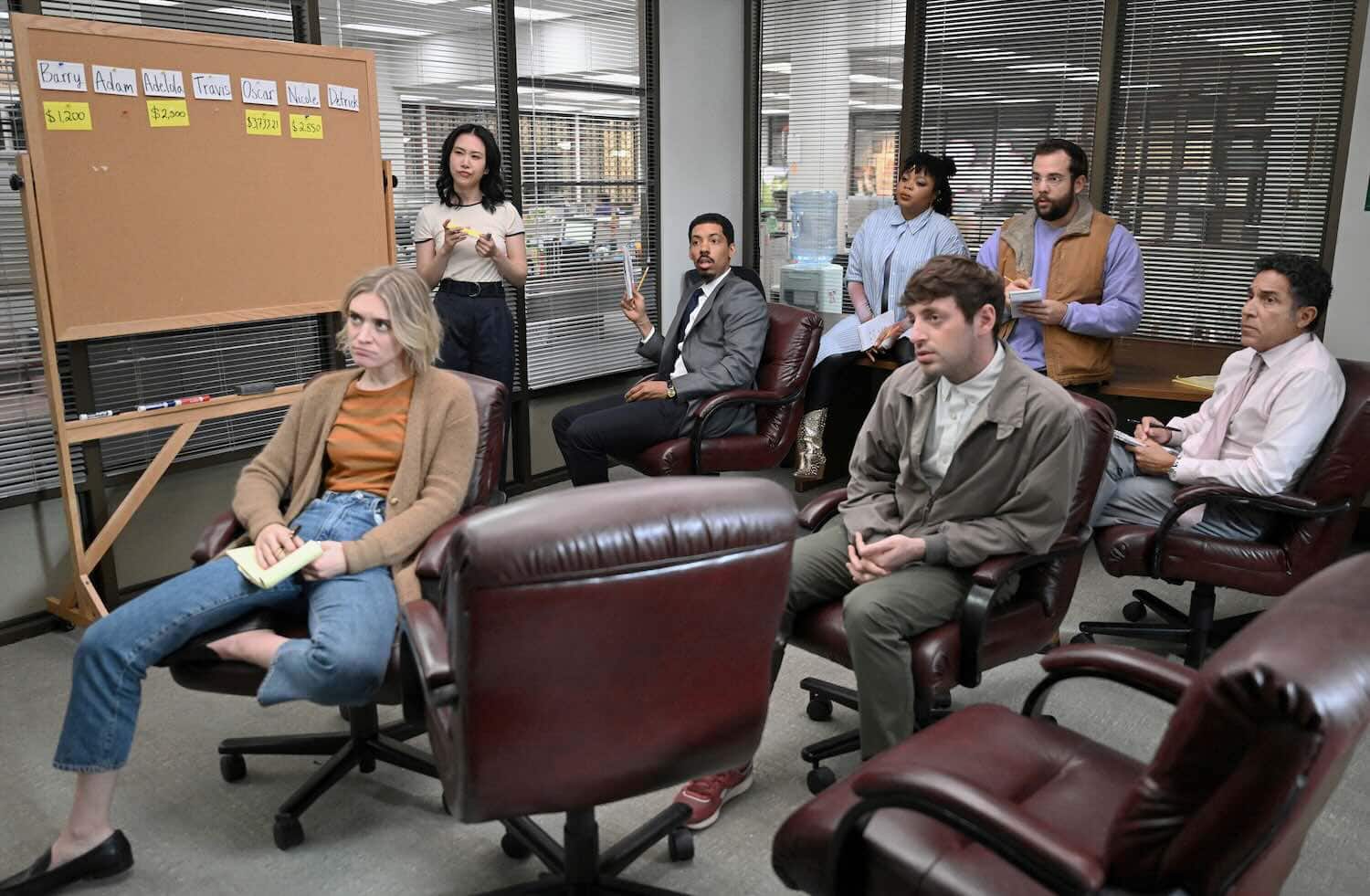
The Toledo Truth Teller was a once great newspaper that’s now part of a vast corporation that makes more money from their toilet paper division. The paper operates out of a tiny office with an equally tiny staff. It has no reporters and does no reporting. The print edition is made up of articles that Mare (Chelsea Frei) copies and pastes from the news wires, while Esmerelda (Sabrina Impacciatore) keeps the online side stacked with clickbait pieces clogged with ads and devoid of anything even remotely resembling news.
Created by The Office’s Greg Daniels and Michael Koman, The Paper uses the same mockumentary style at that popular series, frequently cutting to interviews where characters humorously contradict what the audience has just seen. Oscar Nunez even reprises his role as Oscar, who’s now working as an accountant at the Truth Teller and determined not to get wrapped up in any documentary shenanigans this time around.
In the opening episode, it briefly seems like The Paper might be hewing a little too closely to the template of its predecessor. Ned (Domhnall Gleeson), the Truth Teller’s new editor-in-chief, arrives at the paper’s office and quickly seeks out the camera to make a self-aggrandizing, self-aware-free speech about his admiration for journalist Clark Kent, the “real superhero.” It’s all extremely Michael Scott-coded, and this sense of imitation is compounded by Tim Key’s rock-solid Ricky Gervais impression as Ned’s workplace rival, Ken.
But both Ned and The Paper then quickly settle into themselves, finding their own distinctive personalities and rhythms. Ned isn’t just a middle-management caricature; he’s a largely competent person with a real love of journalism that the series clearly shares. He works hard to turn the Truth Teller back into a vital source of local news, and his quest makes for a series whose stakes are endearingly low but whose mission is quietly, even self-consciously, noble.
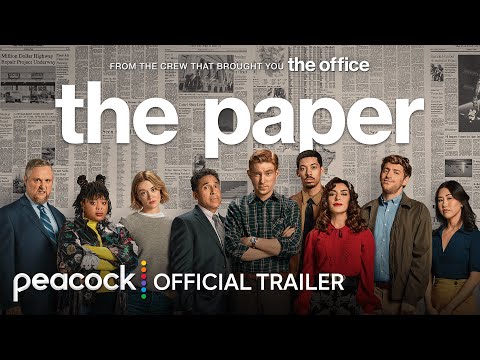
The Paper finds just the right balance of mellow, character-driven comedy and broader antics. While Ned and Mare quickly develop a natural comic rapport, bantering like real workplace friends, Esmerelda is always waiting in the wings, ready to start yelling, in the world’s thickest Italian accent, about her latest crazy scheme.
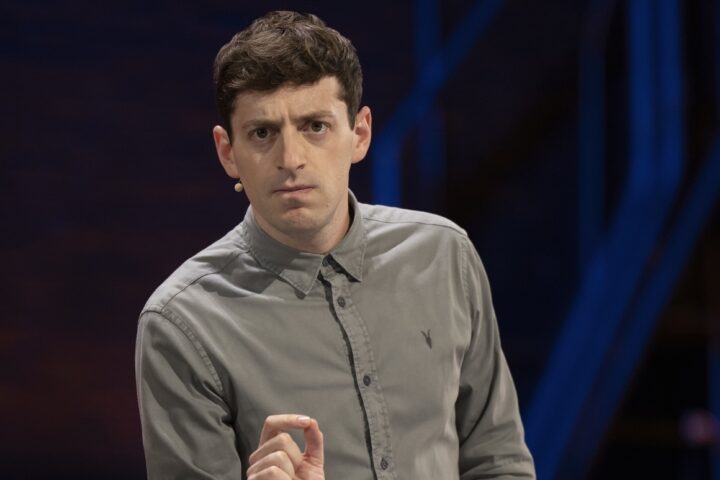
The zanier elements keep things lively, but many of the show’s funniest jokes are the ones that are more casually tossed off, often in the form of a stray remark from a character who sometimes isn’t even on screen. In the second episode, when Ned shows off an old front page announcing a cure for polio, we can just hear the sweet, somewhat simple-minded Adam (Alex Edelman) respond, “Oh, that’s good news!”
The paper made the right decision when it put Ned in charge, and the series makes a similarly shrewd decision with Gleeson. He’s convincing as a man trying to keep his ideals alive while an industry crumbles around him, making him a very empathetic, slightly tragic figure. But he also has a talent for deadpan that flourishes in the moments when Ned’s ideals lead him somewhere ridiculous, playing them with the absolute, straight-faced seriousness of the only man in the room who doesn’t get how silly the whole situation is.
As the episodes roll on, The Paper is content to reach back into the workplace sitcom archives for tried-and-tested plotlines: will-they-or-won’t-they romances, takeover schemes, and even the reveal that one character is actually living at the office. In typical sitcom fashion, the tension created in these stories sometimes feels a little artificial, often with one character taking offense to something another character has done but refusing to directly address it so that the conflict can be dragged out for 30 minutes. But the gags in The Paper come fast and funny enough, with some welcome, wacky B-plots to overcome any early storyline contrivances.
Since 2001, we've brought you uncompromising, candid takes on the world of film, music, television, video games, theater, and more. Independently owned and operated publications like Slant have been hit hard in recent years, but we’re committed to keeping our content free and accessible—meaning no paywalls or fees.
If you like what we do, please consider subscribing to our Patreon or making a donation.