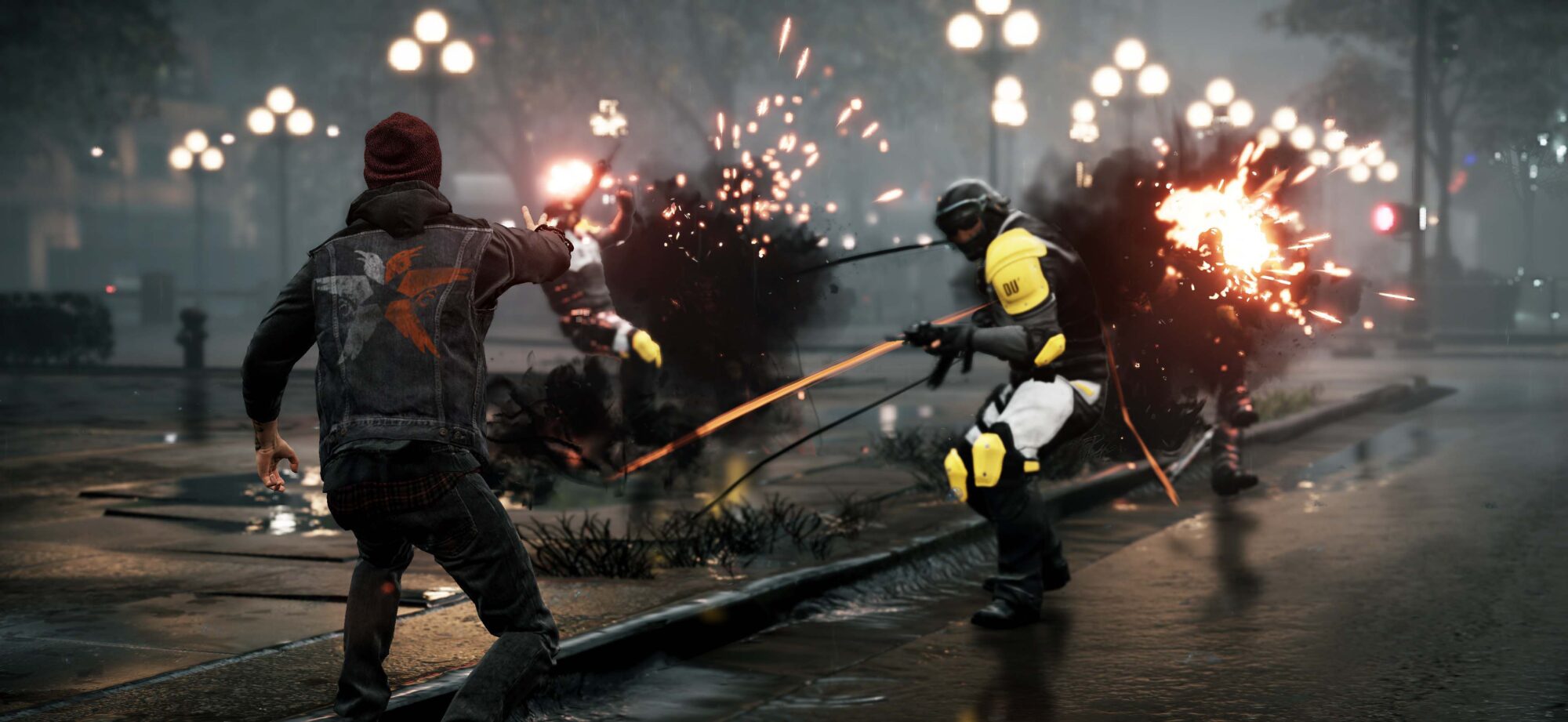
The motion controls and the touchpad get a decent, well-integrated workout, world detail is staggering, and the particle and lighting effects of Delsin’s powers are breathtaking.

Justin Clark is a critic based out of Massachusetts. His writing has also appeared in Gamespot.
The motion controls and the touchpad get a decent, well-integrated workout, world detail is staggering, and the particle and lighting effects of Delsin’s powers are breathtaking.
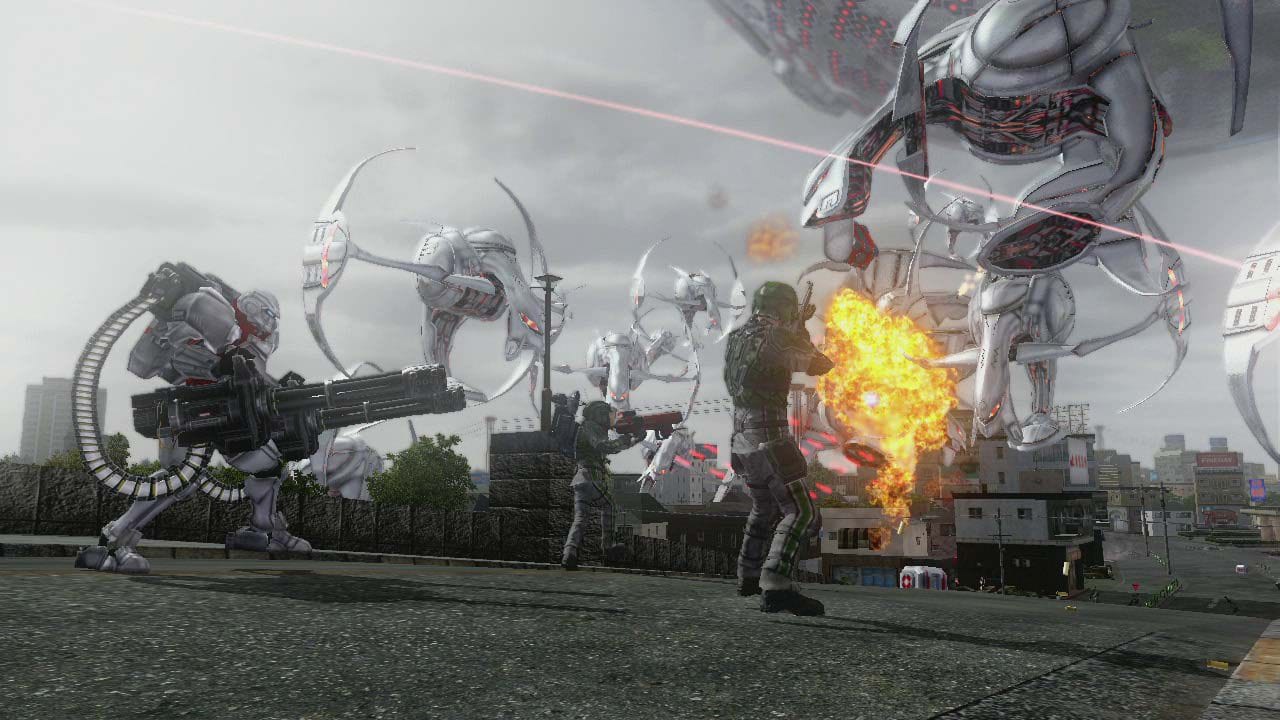
The tone is still intentionally B-movie bad, but it’s more grating than charming after a few hours listening to the government scientist preach the end of humanity.
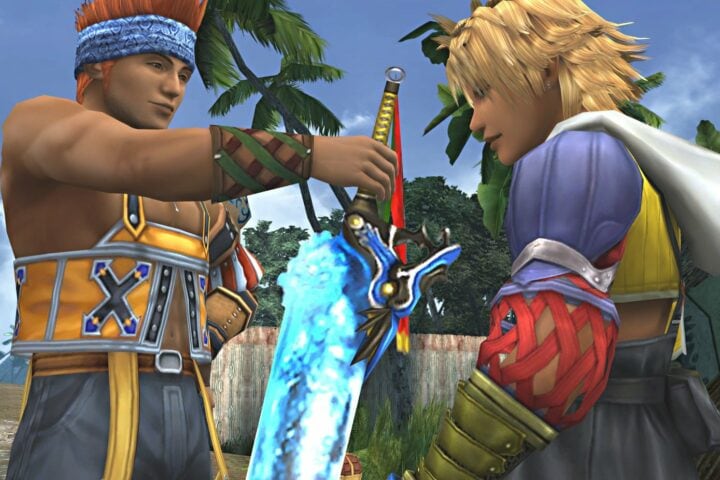
The graphics have received the expected uptick in resolution, but Square Enix has also given both games a decent once-over, adding additional environmental detail, effects, even facial animations for the main characters.
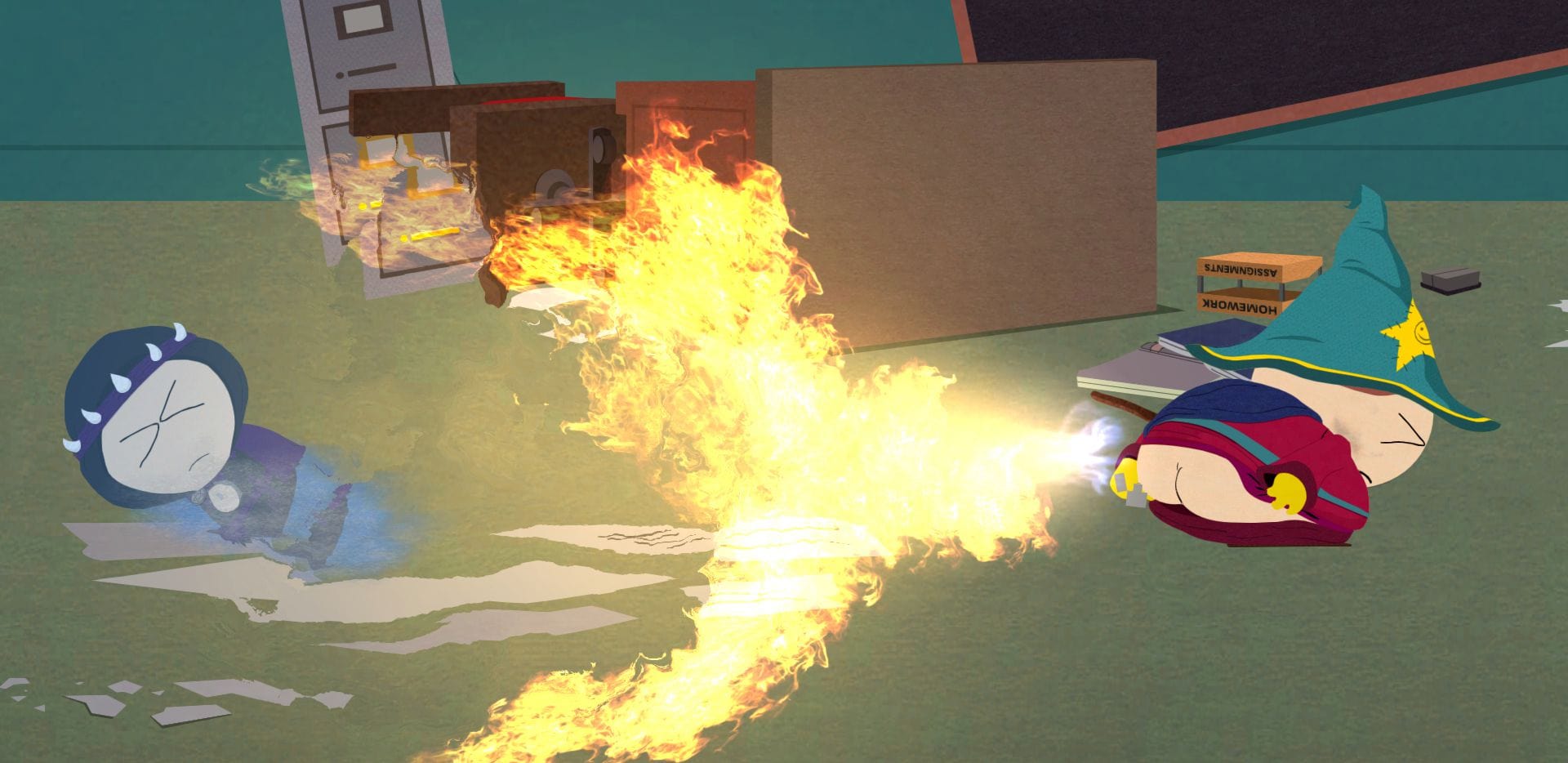
The lesson to be learned from it is for anyone making this kind of game to find the beauty in simplicity. Also, to never, ever fart on another man’s balls.
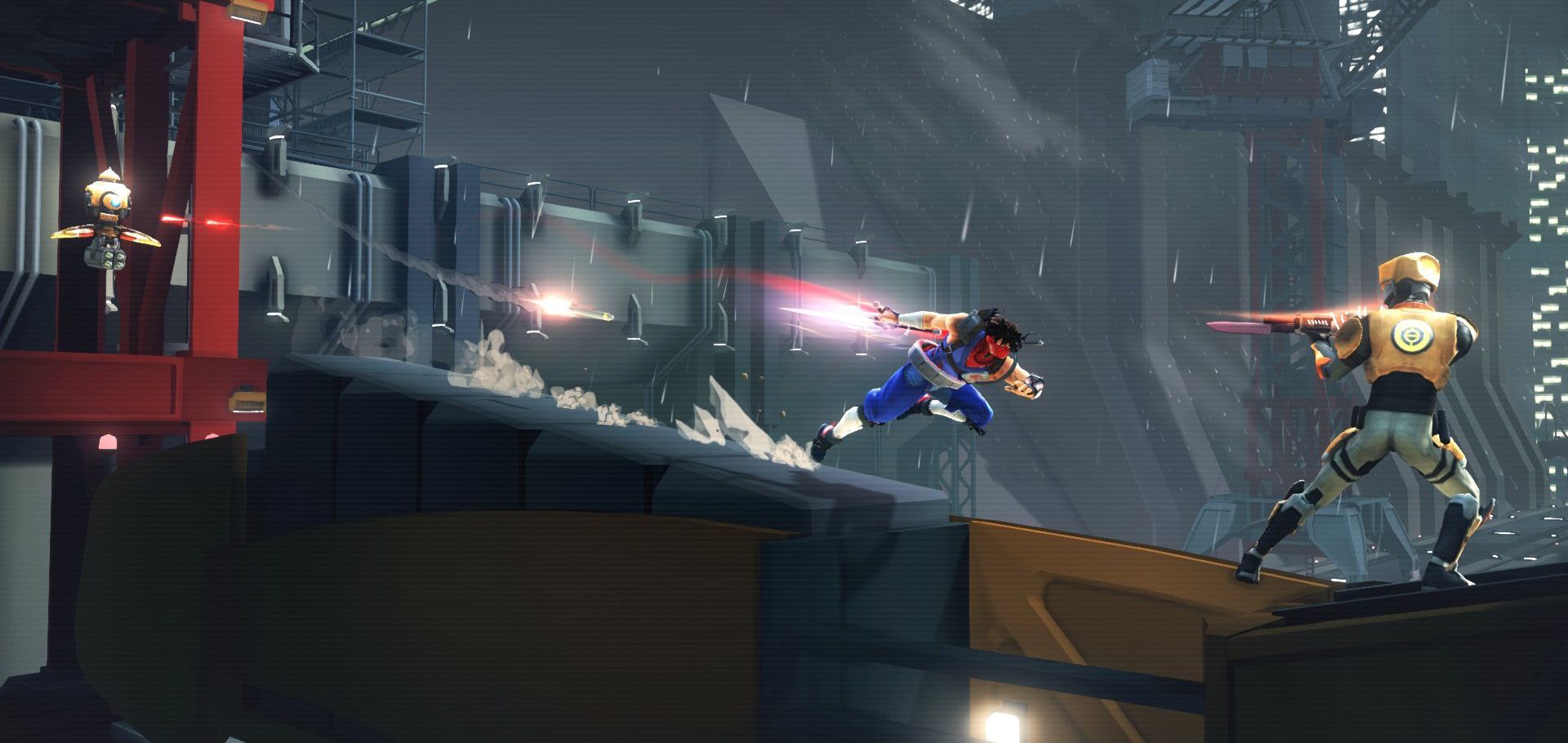
The less resilient player can and will die more than they have in quite some time; the good ones will be just as excited going back for more after the hundredth Game Over as they were at the first.

We chatted with Cox about the unexpected Castlevania reboot’s success, and what to expect for its hotly anticipated sequel.
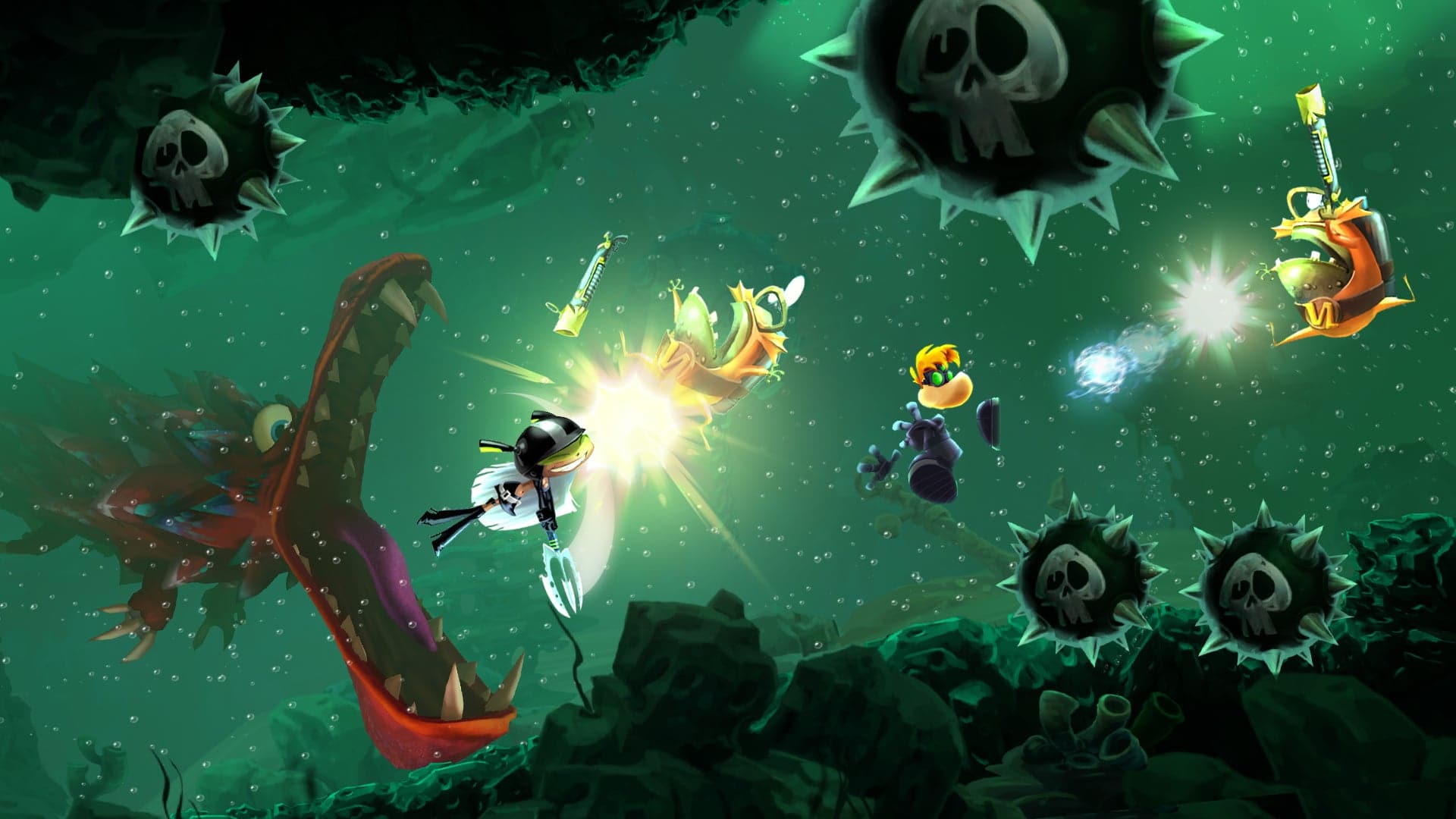
The new version also completely unburdens itself of any load times, which is welcome, but the effect isn’t mind-blowing.
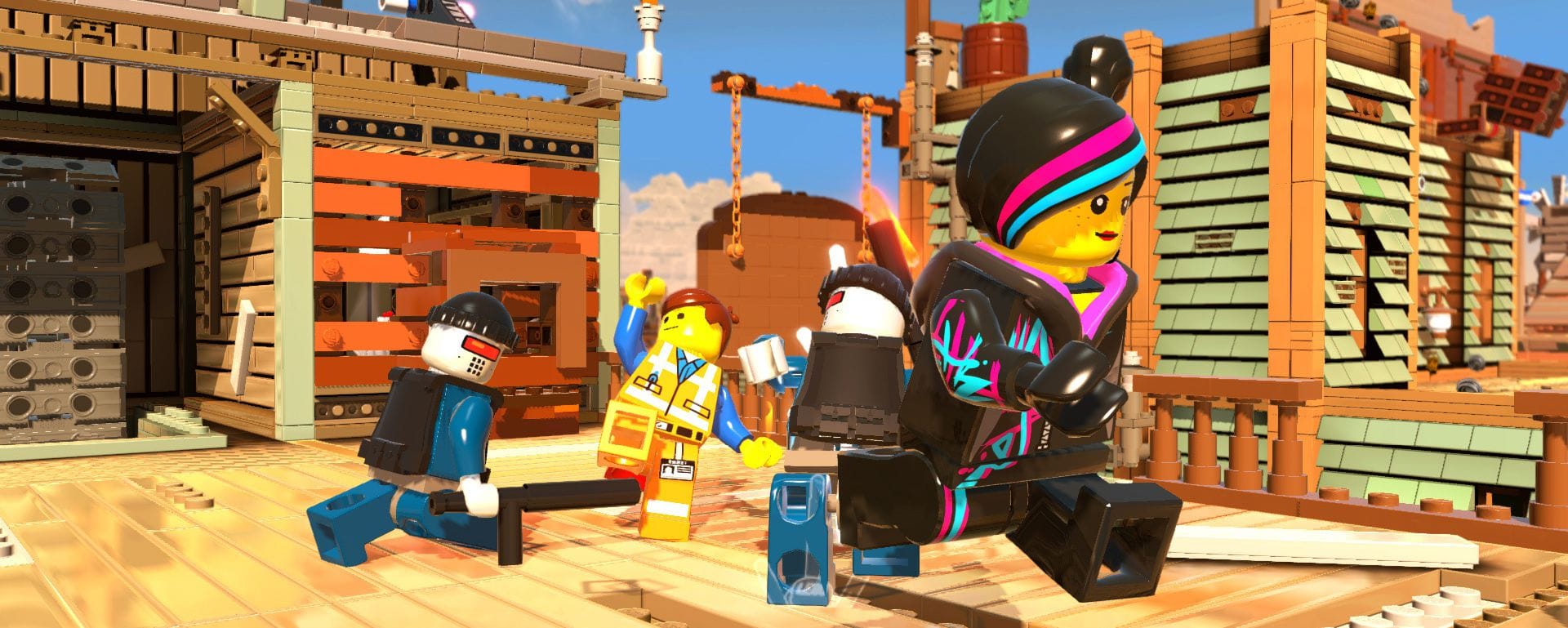
A mostly linear experience that shuttles the player from scene to scene, with the slightly more open hub worlds being there for random Lego stud hunts and little else.
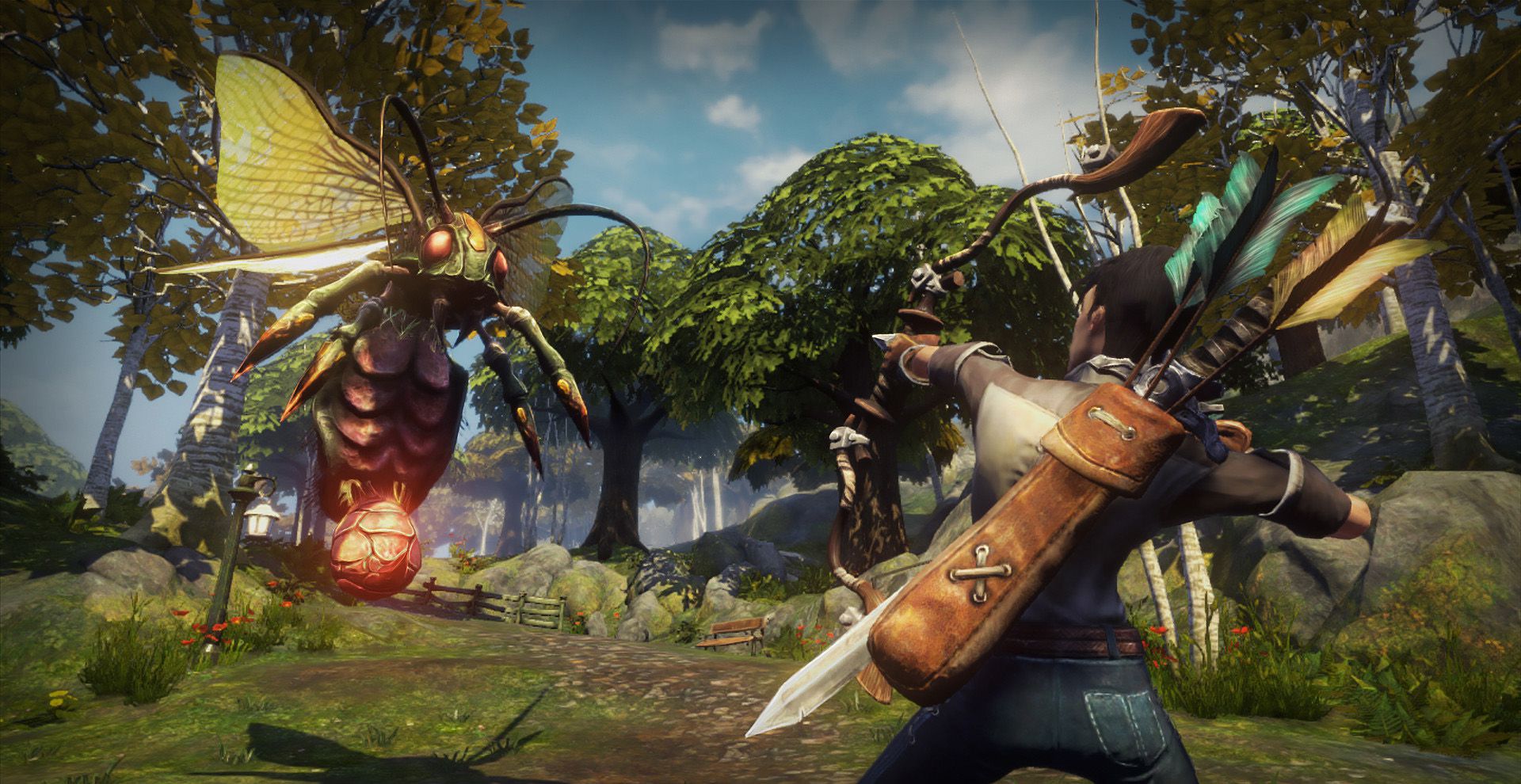
It has its share of fun diversions from the main quest, but the game doesn’t necessarily care if you do any of them.
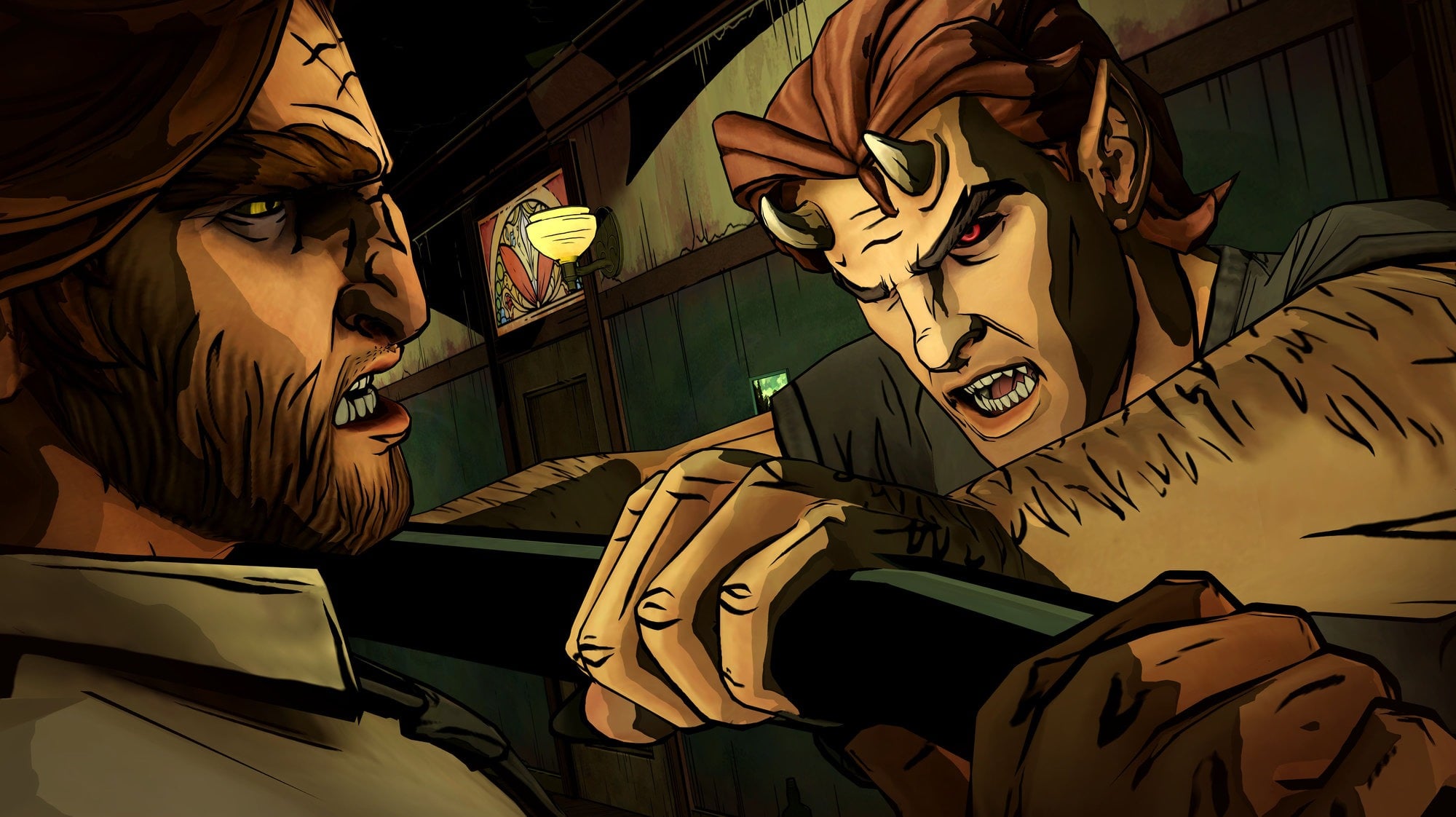
Fabletown’s sense of loss and dread is far more palpable the more we learn about episode one’s second victim.
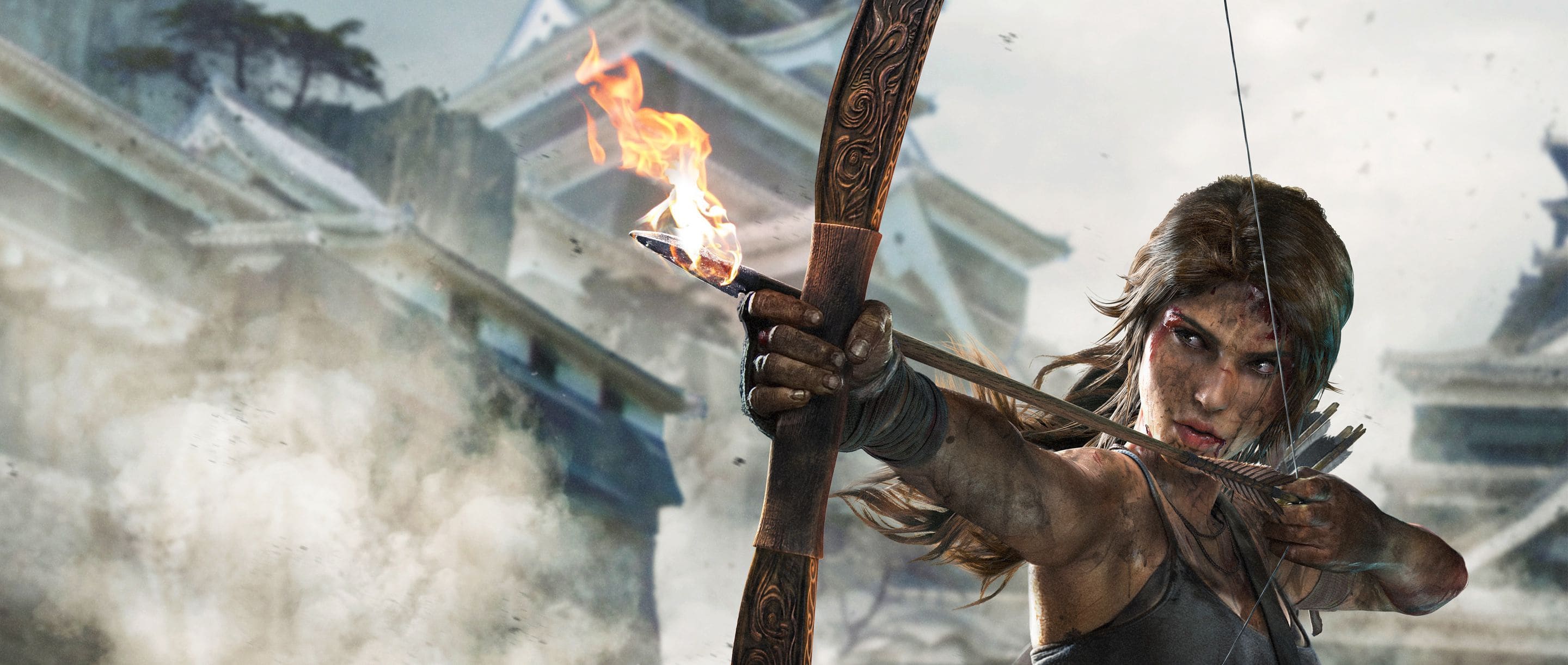
Even ignoring its gussied-up next-gen clothes, the game’s strengths outshine its weaknesses as an experience, though its flaws outside of the visual realm remain impossible to ignore.