In none of its manifestations is grief as tidy and meticulously arranged as in Eric D. Howell’s film.
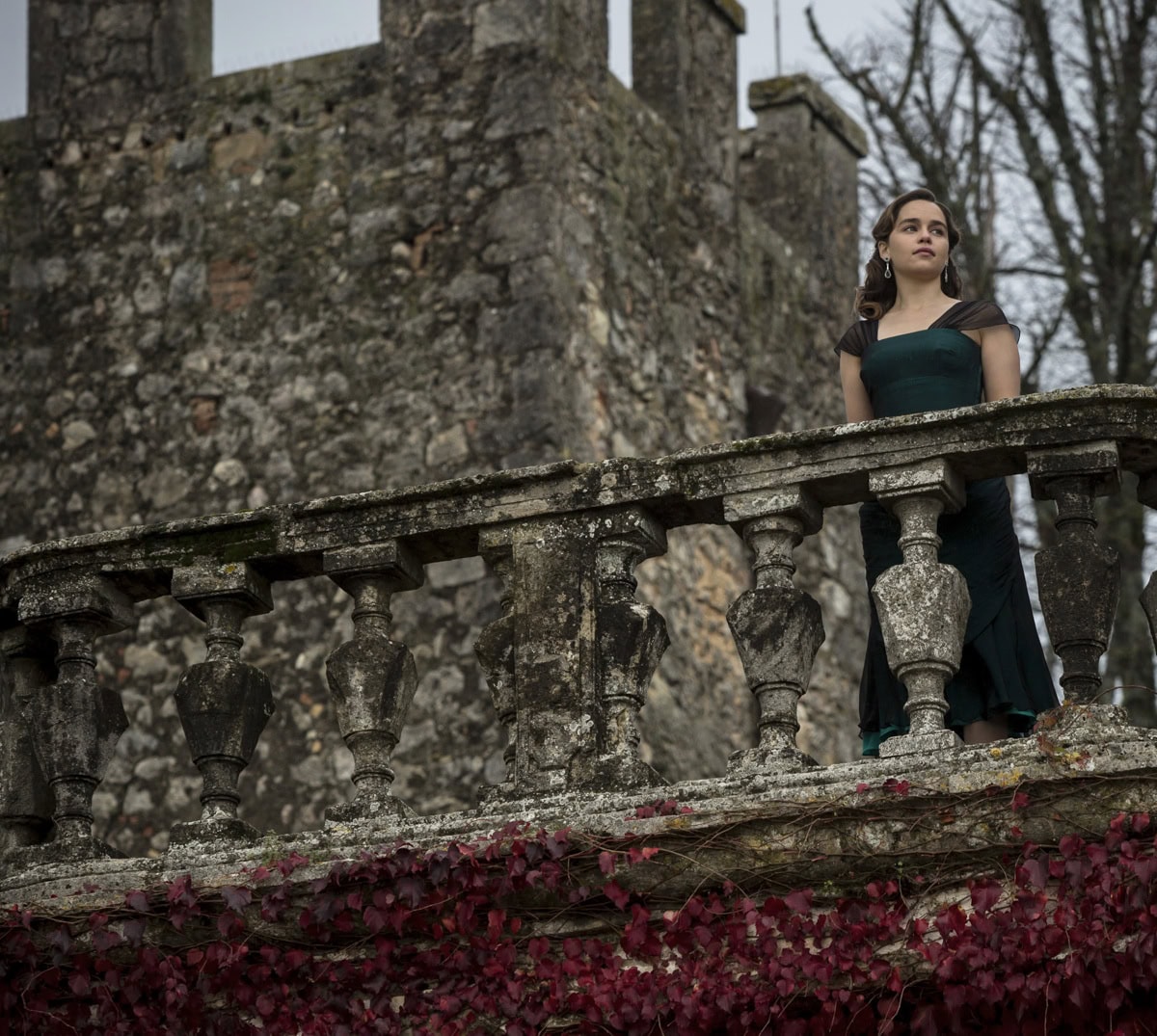


Derek Smith's writing has appeared in Tiny Mix Tapes, Apollo Guide, and Cinematic Reflections.
In none of its manifestations is grief as tidy and meticulously arranged as in Eric D. Howell’s film.

Unwittingly perhaps, Sand Castle reveals itself as a microcosm of America’s foreign policy in the Middle East.

Katell Quillévéré’s film allows the sorrows of losing a life and the joys of saving it to remain congruent.
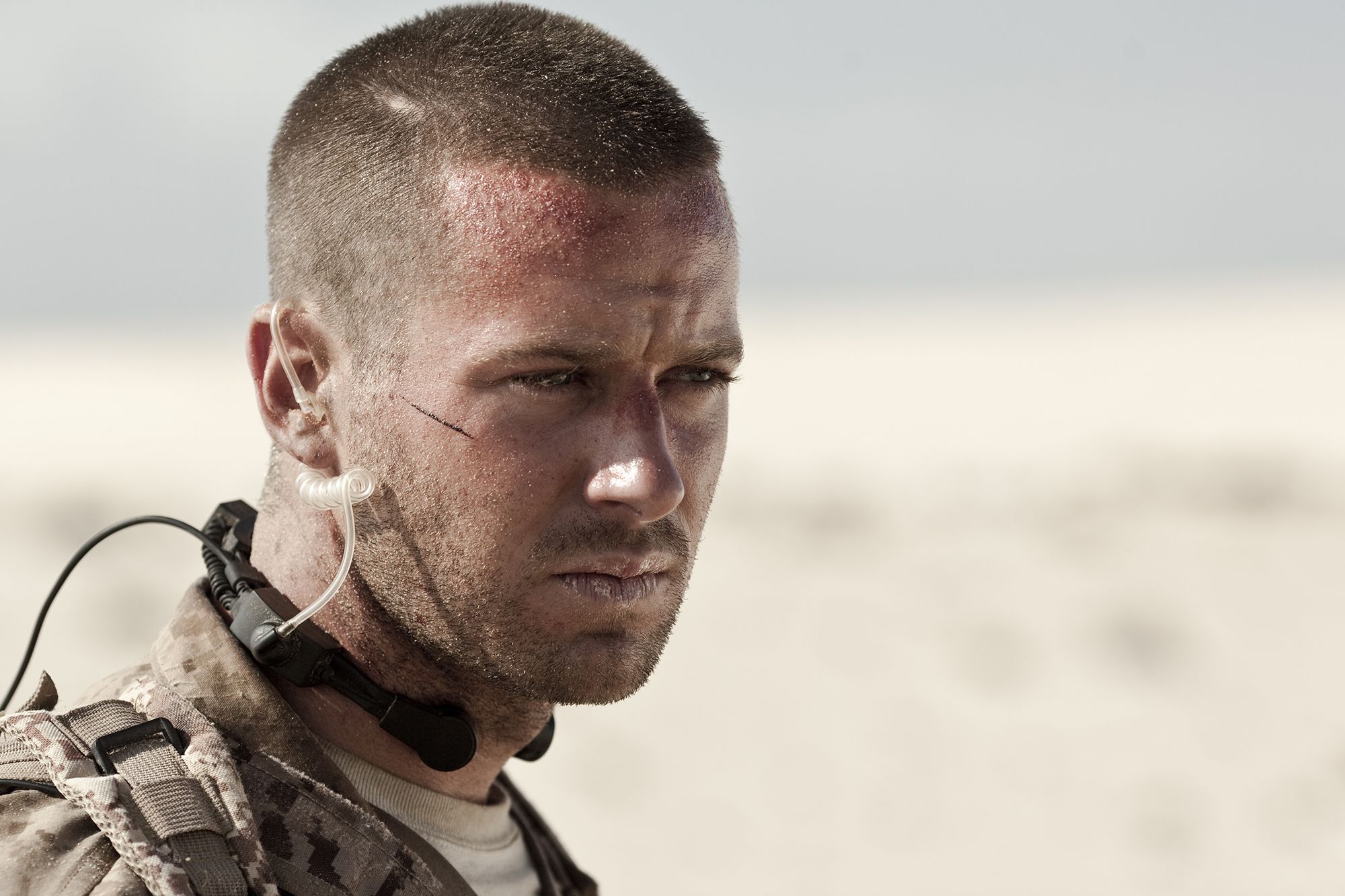
The film has absolutely no interest in the dilemmas or after-effects of war and occupation.
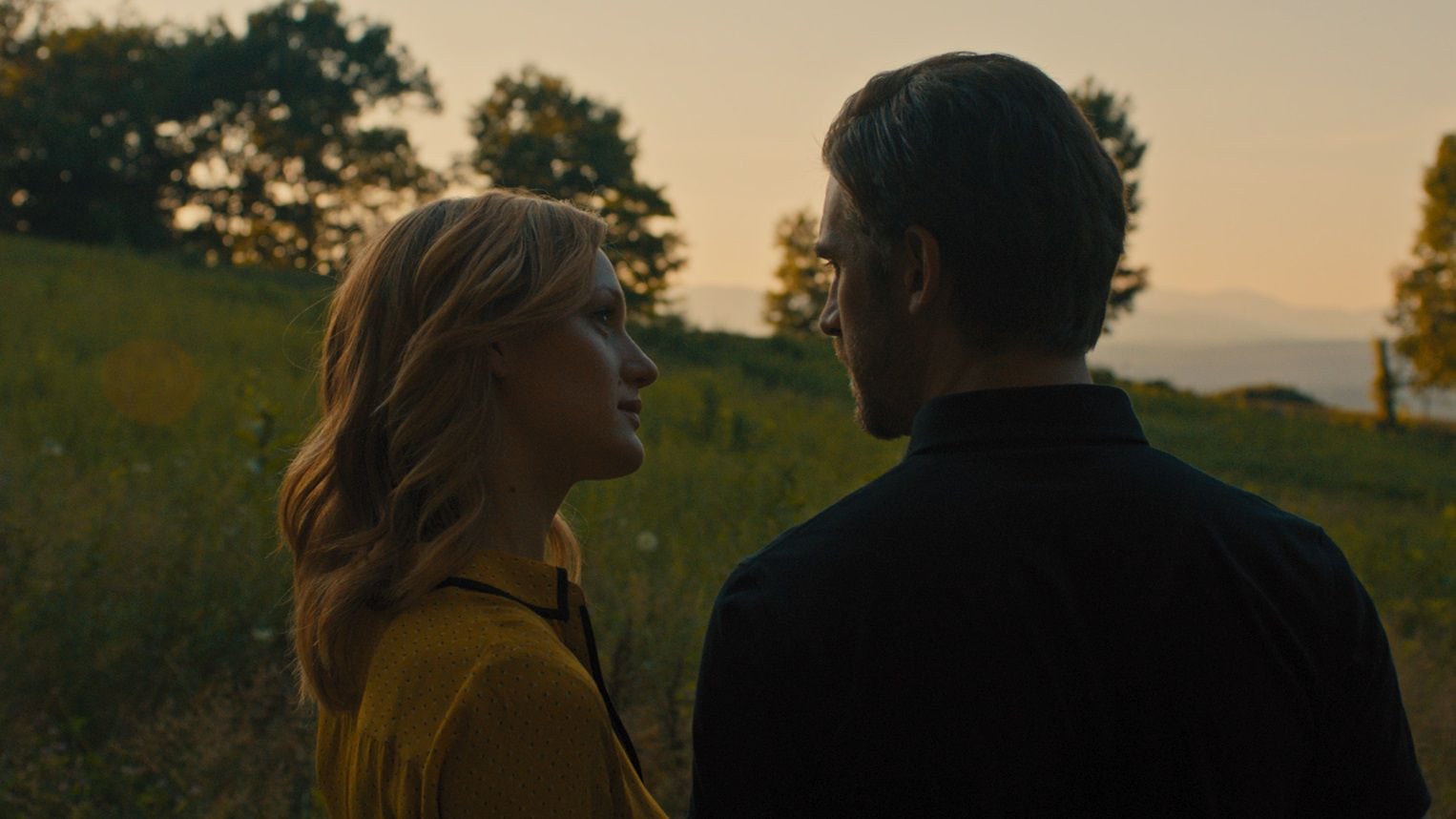
Director Ido Fluk’s The Ticket steadily devolves from a unique character study to a blunt morality tale.
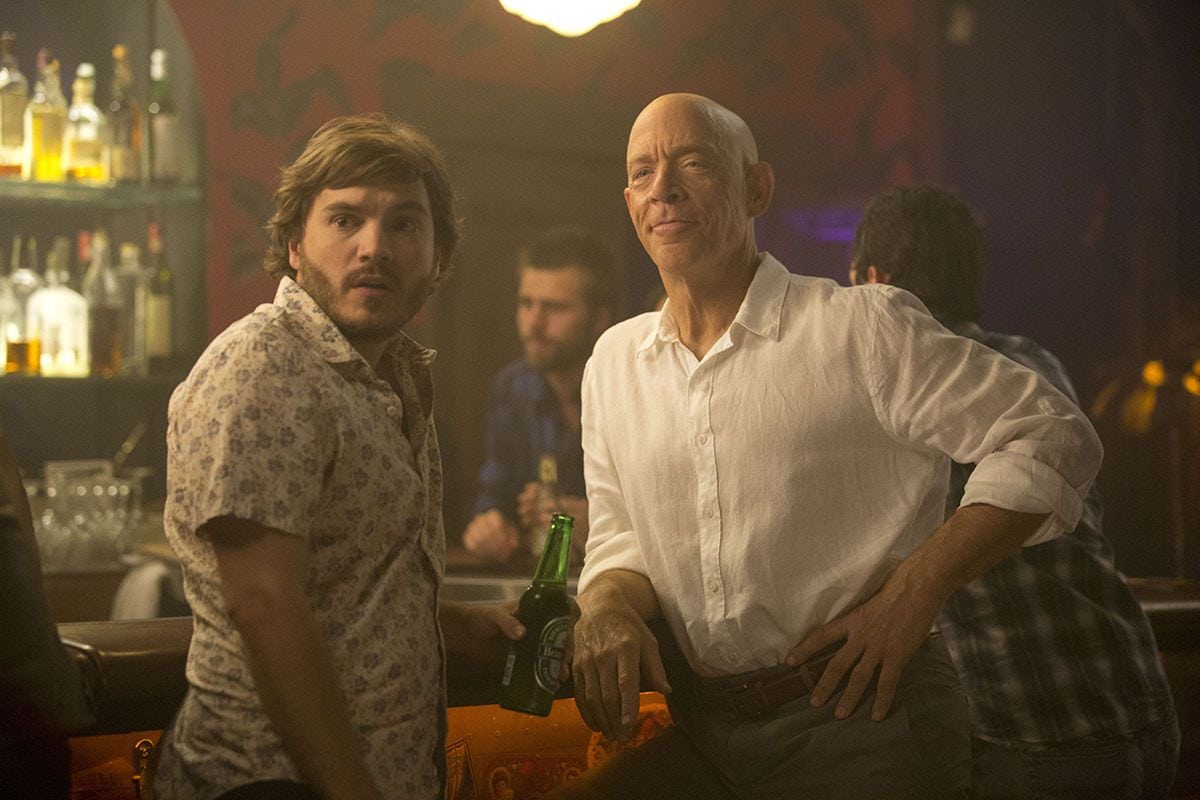
It constantly shifts its genre allegiances, revealing itself to be a cinematic jack of all trades and a master of none.
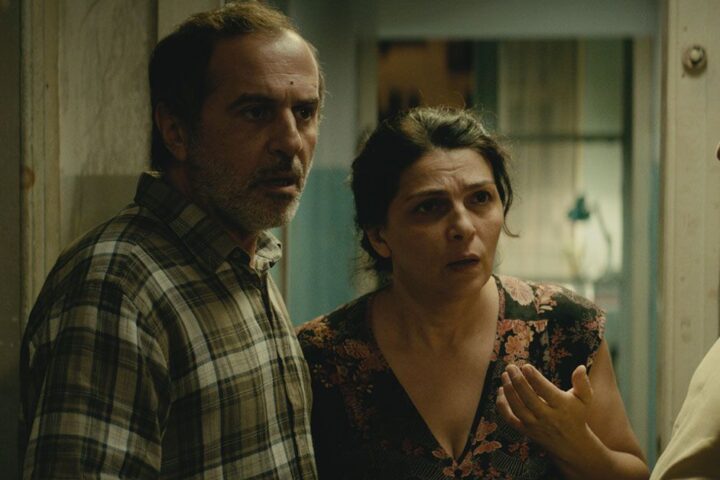
It casually lays out the domestic space where the story’s events takes place with acutely detailed cultural specificity.
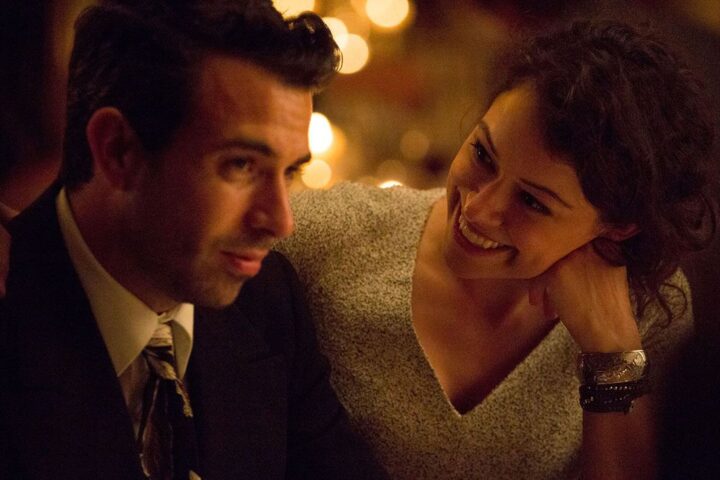
The Other Half’s emotional resonance is consistently stifled by excessively gloomy aesthetic and stylistic tics.
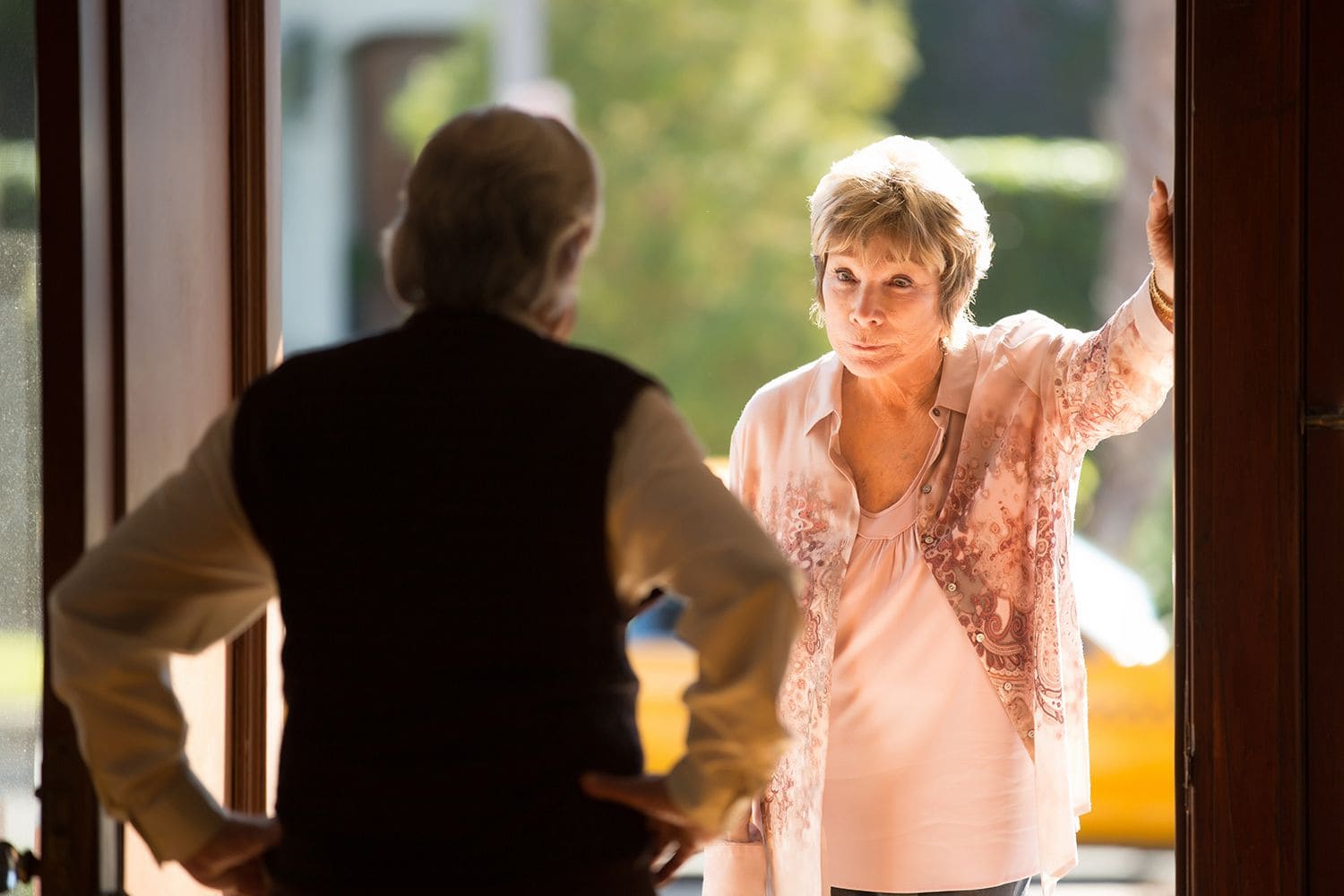
Harriet’s transformation isn’t significant enough to justify her complete redemption in the eyes of those around her.
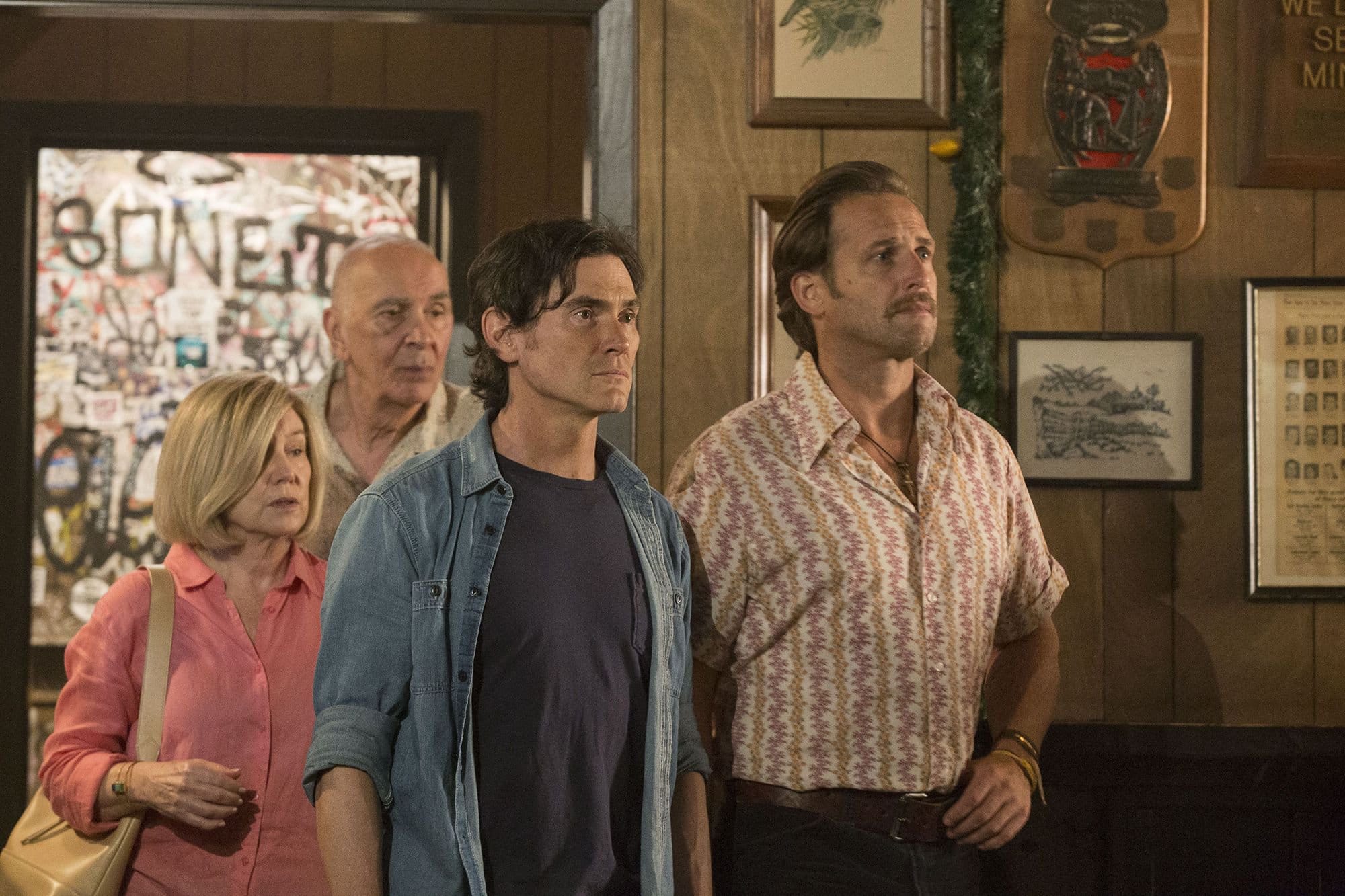
Joel David Moore’s film is too often distracted by irrelevant emotional grandstanding.

Throughout the film’s three interconnected stories, Jim O’Hanlon favors the blunt, maudlin manipulations of Crash.
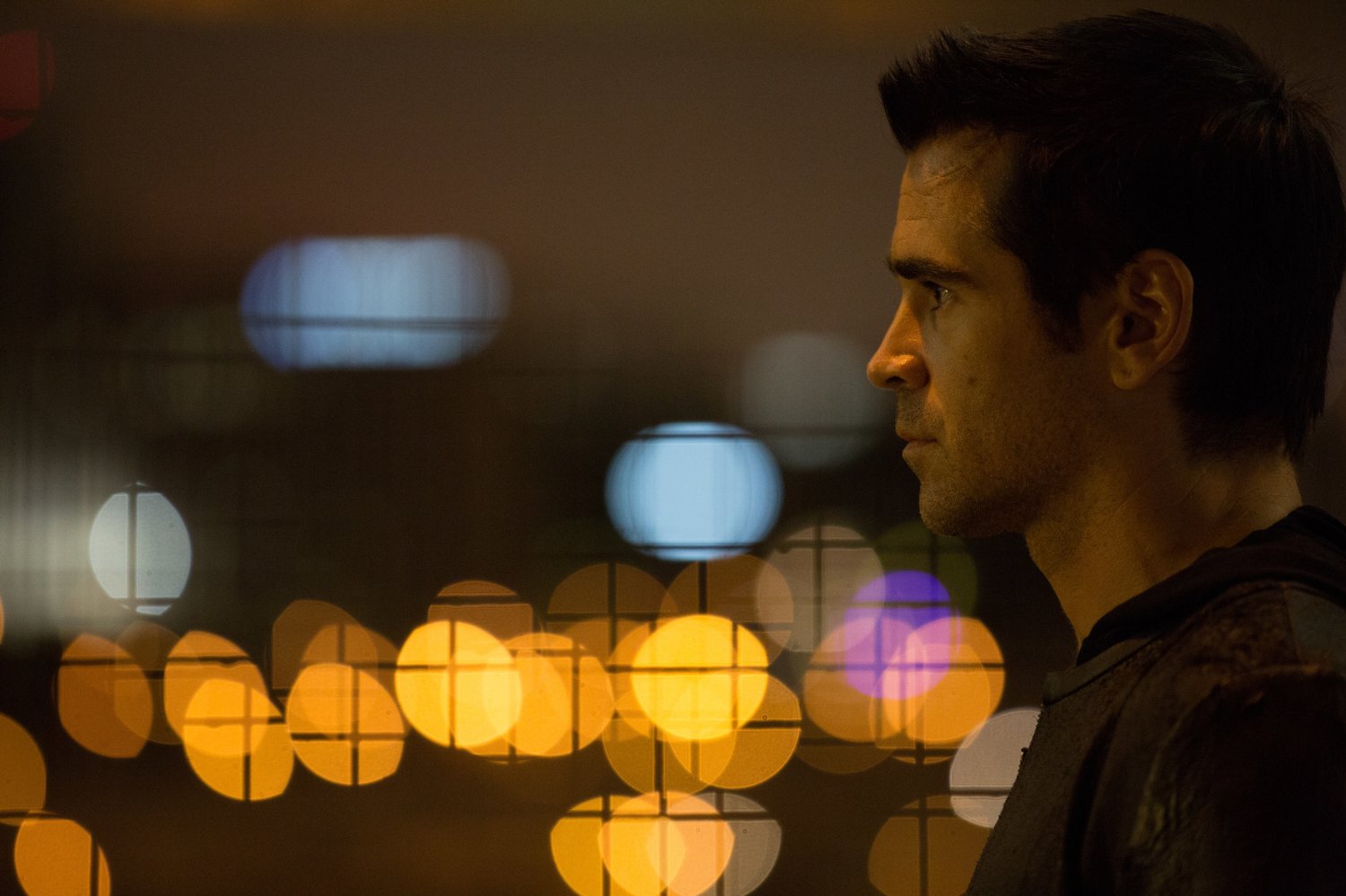
The film joylessly coopts the hoariest stylistic tics and narrative tropes from your run-of-the-mill 1990s thriller.