Menace lingered in the air in Washington, D.C., on Wednesday night. To exist in the nation’s capital nowadays is to be confronted with the unsavory sight of the National Guard on every other street corner. Plus, it’s spooky season. And rainy.
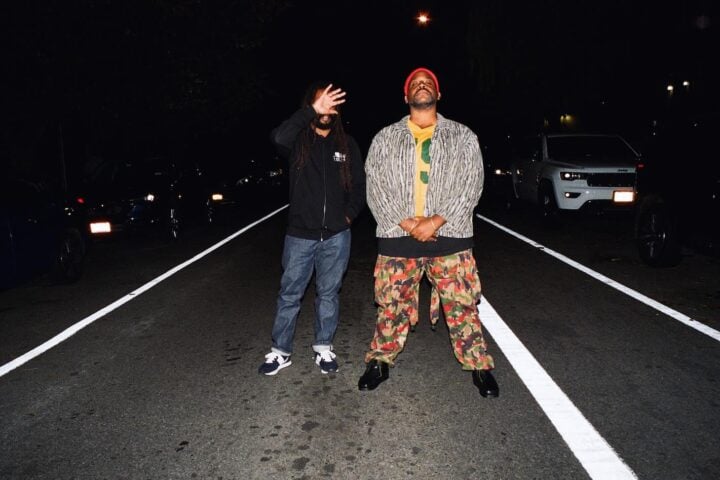
California artist Cube, the first of two opening acts for Autechre’s show at D.C.’s Howard Theatre, put on an eerie face with yawning synths, chaotic drums, and ghoulish, mostly undecipherable howls, while British techno artist Mark Broom—who also featured some cheeky haunted flourishes like cackling early on in his set—was keen on making sure the audience never found their bearings for very long. Broom’s ever-shifting music is always causing mayhem, and though his work on the decks was intense, it was also satisfying and groovy.
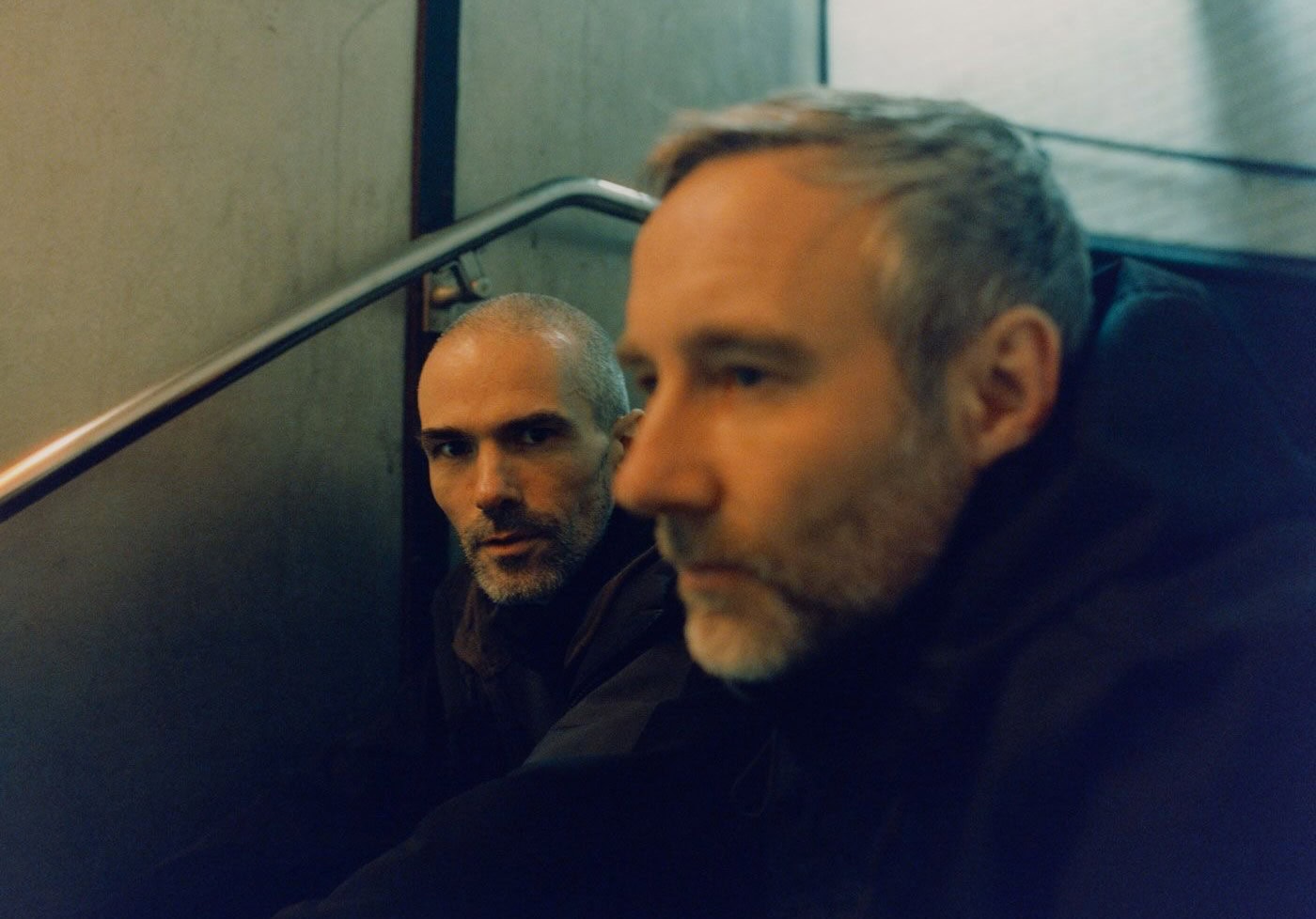
The same can’t be said of the evening’s headliners. English electronic duo Sean Booth and Rob Brown have been crafting otherworldly music that defies categorization for almost 40 years. As is their standard practice, there was a statement posted on the way into the venue—and shown on screens prior to their set—that dictated the rules for their performance: total darkness, no movement, and no recording. It was an invitation toward a meditative state of some kind.
While Booth and Brown have dabbled in ambient music in their studio recordings, the sounds they unleashed during their 80-minute performance were far from the serene, placid sonics that that genre is associated with. The set opened with fairly quiet, undulating ambient tones, but soon a torrent of noise was unleashed as the duo set about redefining—and giving new, demented energy to—the term “cacophony.”
In some stretches, it felt very physical. Composed of untold number of elements and improvised using a complex set-up, Autechre’s songs sometimes sound like a spaceship that’s both arriving and departing simultaneously. At one point, they conjured the image of a large metallic ball knocking over and colliding with a bunch of detritus. The music seemed to ask: When a bunch of drums are piled on top of each other, what kind of ghostly shrieks do they make?
At other moments, the show was brainy and thematically evocative. The stimulation overload brought to mind a recognizably crowded world, one that’s so busy and littered with so much competing for our attention that we can’t help but submit to it. In its presentation of muffled noises that almost form words, the show also resembled a dispatch in an alien language, like a failed attempt to communicate across cultural bounds. It almost cohered, with beats that nearly became recognizable and half-melodies that came close to resolving.
Autechre’s work is bent on withholding reward. Brown and Brown are interested in how their instruments can debilitate the typical trajectory of a song. The beats seem to undermine themselves as they unspool. Many of them sound warped, damaged, compromised, or makeshift. This raggedy, disfigured aesthetic is masterfully rendered in their hands.
They’re also fascinated with contrasts, with Autechre’s songs juxtaposing the tinniest of high pitches with the most rumbling, chest-burrowing bass. The natural and the mechanical were intermixed throughout the show, with chanting and insect noises swirled alongside clanging percussion. And the speed of the music itself was frequently hard to pin down. Such disorientation is endlessly challenging, frustrating, and ultimately fascinating.
Since 2001, we've brought you uncompromising, candid takes on the world of film, music, television, video games, theater, and more. Independently owned and operated publications like Slant have been hit hard in recent years, but we’re committed to keeping our content free and accessible—meaning no paywalls or fees.
If you like what we do, please consider subscribing to our Patreon or making a donation.