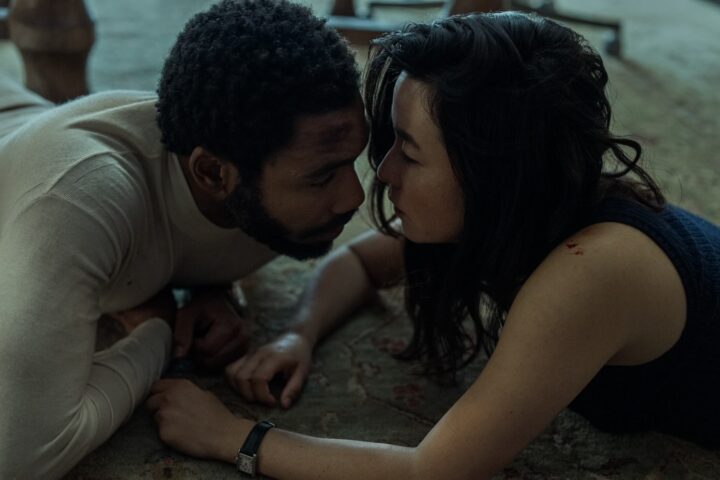
This year’s best TV shows paint a portrait of an industry stuck halfway between the past and the future. HBO succeeded where Liz Lemon failed and made it 1997 again, resuscitating the hospital drama with The Pitt, while Disney injected new life into an enduring franchise with Alien: Earth.
Others found success adapting more unexpected properties: FX’s Dying for Sex turned a podcast into a frank and funny sex dramedy, and HBO’s The Chair Company proved that Tim Robinson is capable of stretching his brand of oddball weirdness into something resembling prestige TV.
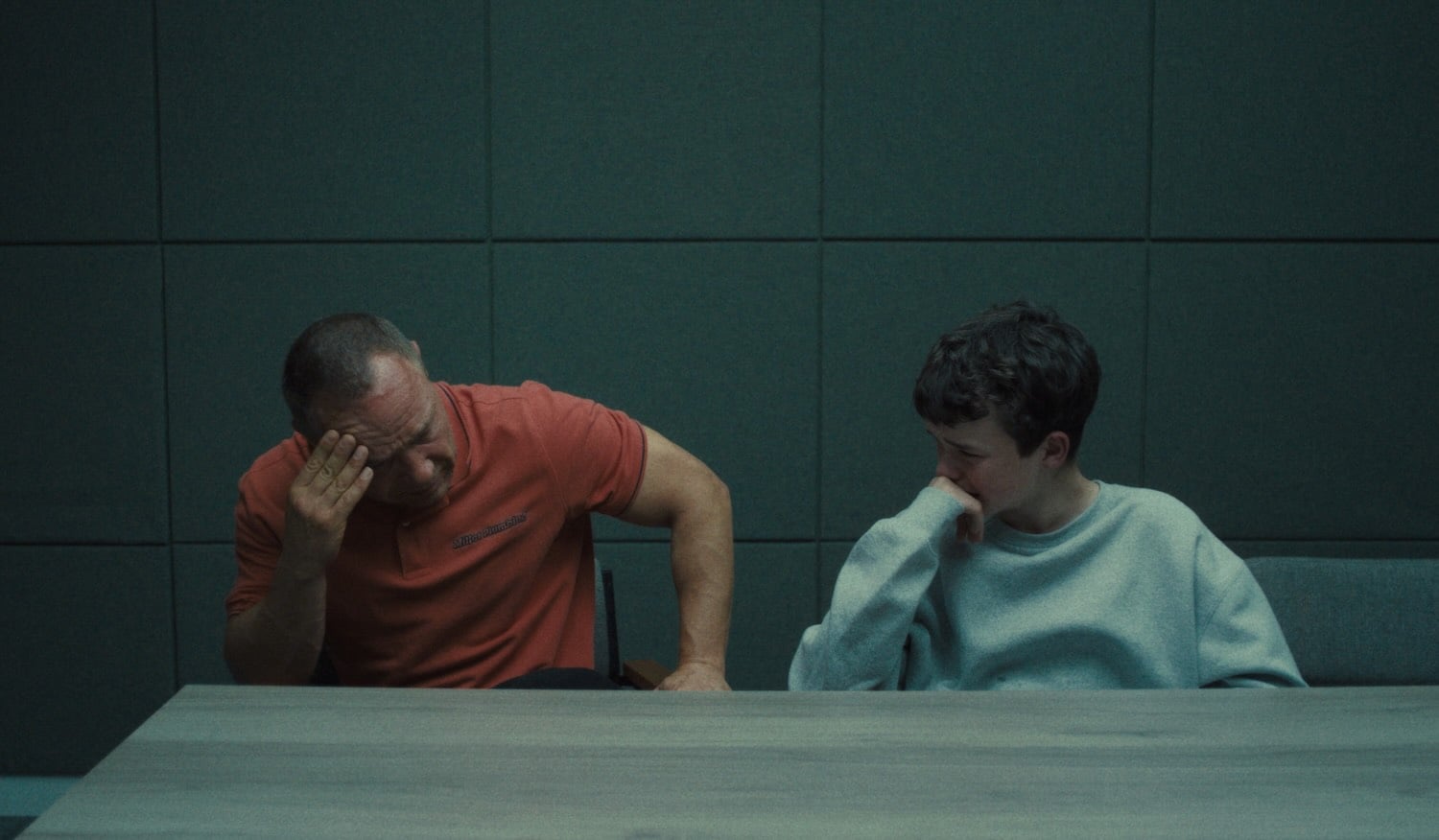
And yet, 2025’s biggest success story was startlingly original—and seemingly came out of nowhere: Netflix’s Adolescence, which pushed formal boundaries and cultural buttons with its timely tale of male violence. Whether mining ideas from the past, pods, or the latest headlines, one essential element of the year’s best shows remains the same: a good story. Ross McIndoe
15. Alien: Earth
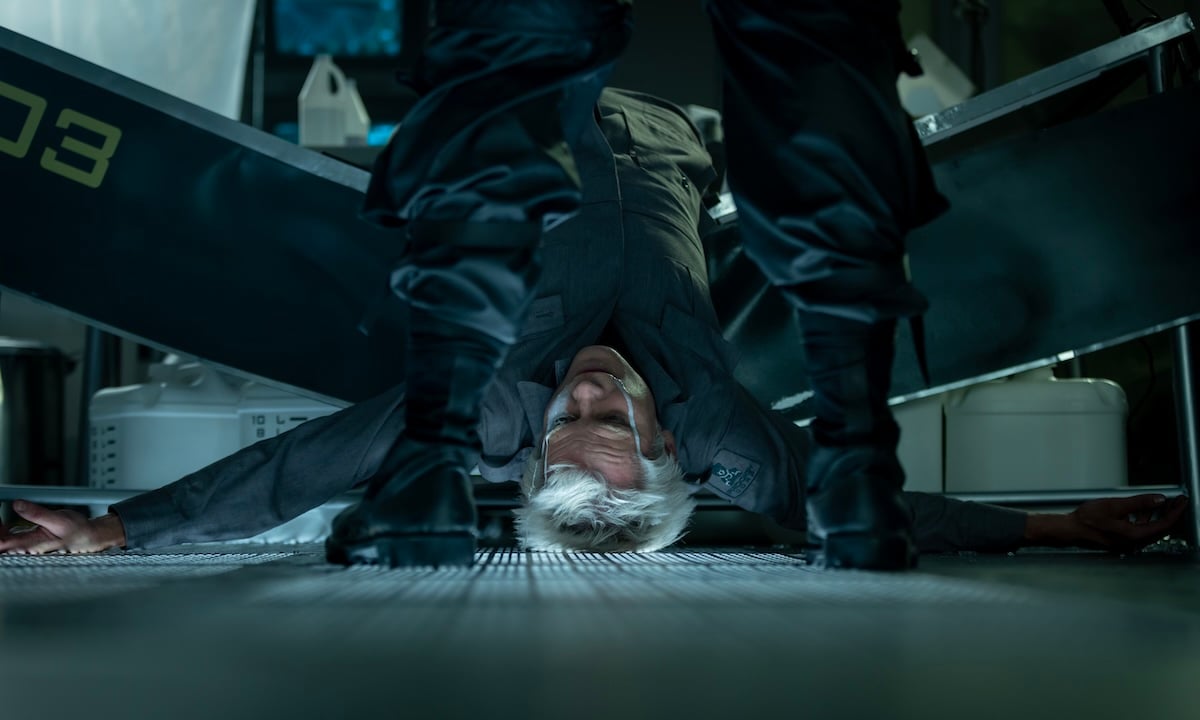
Noah Hawley’s Alien: Earth is slower, dreamier, and hallucinatory than many of the Alien films outside of Alien³ and Alien: Resurrection, snapping the audience out of its hypnotic spell with either sudden, shocking bursts of violence, or with the well-curated ’90s alt-rock needle drops that end every episode. Like Legion, Hawley’s take on X-Men, Alien: Earth is fascinatingly druggy and uneasy. It doesn’t withhold its thrills like Prometheus was lambasted for doing. The threat of varying flavors of violence is such a menacingly oppressive shadow over it all that the moment something happens feels less shocking than its viscerally horrifying inevitability. When the series gets down to bloody business, it lives up to its pedigree. Justin Clark
14. Hal & Harper
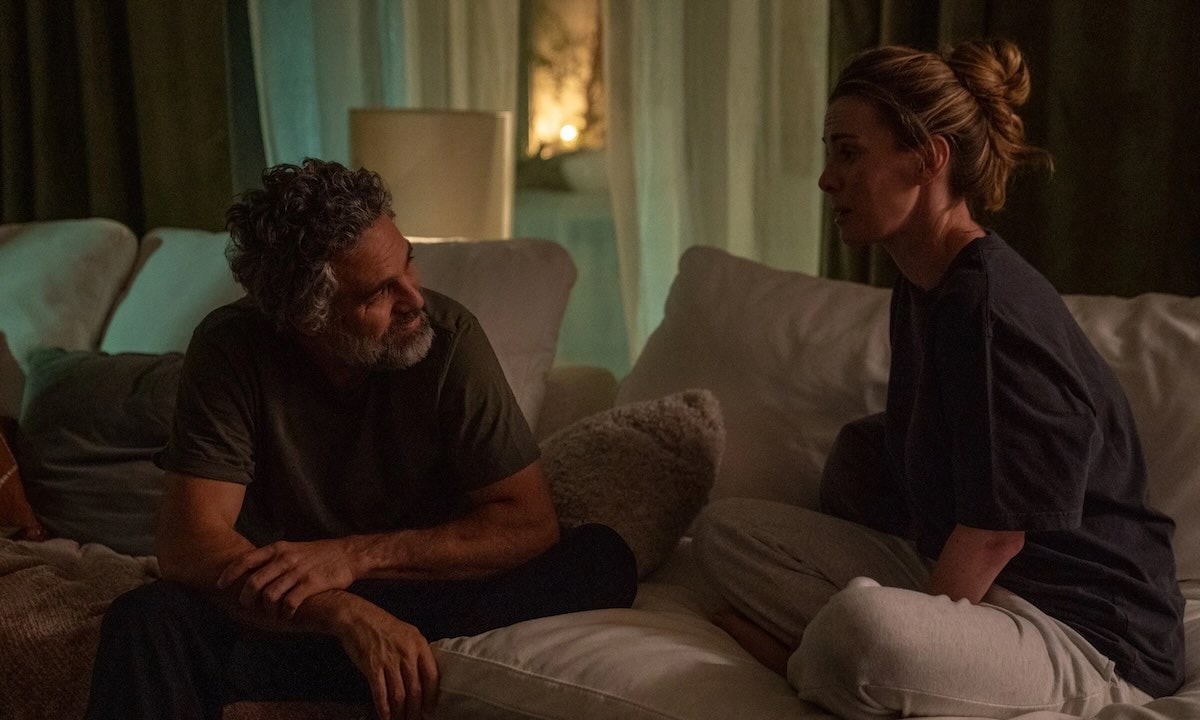
When Hal (Cooper Raiff) clambers in through his sister Harper’s (Lili Reinhart) bedroom window at 3 a.m. so that they can go to McDonald’s, it’s clear that this isn’t your average sibling relationship. It’s endearing and obviously unhealthy, and Hal & Harper—which Raiff also created, wrote, and directed—spends eight funny, fraught episodes exploring how they ended up this way, and where they go from here. The series is marked by breezy humor and a lively soundtrack that mixes hazy dream-pop with jagged indie-folk songs, but the thing that makes Hal & Harper so successful is the straightforward family drama underneath its whimsical veneer—tenderly played, sharply written, and delivering a perfect balance of bitter and sweet. McIndoe
13. Severance
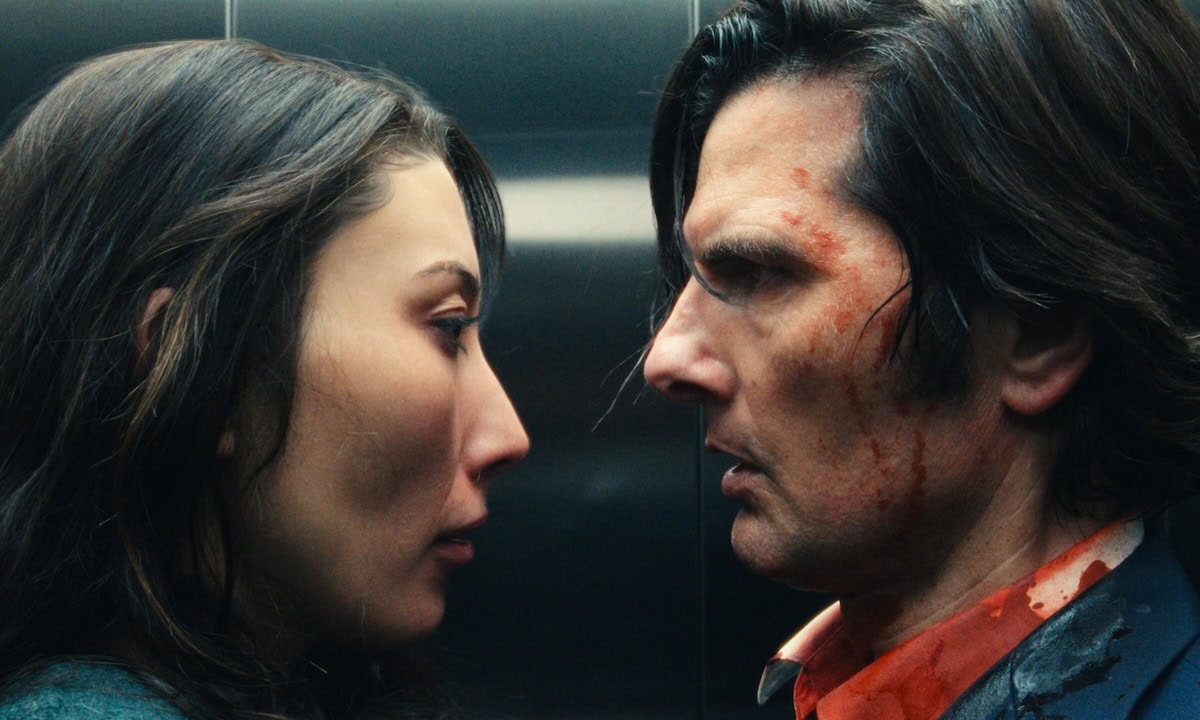
Like Lost before it, Severance asks for our trust: trust in the process, and trust that the series knows where it’s going. With a three-year gap between its first season and its even more byzantine second season, Severance also asks for our patience. This is no truer than in two challenging—and divisive—episodes, “Woe’s Hollow” and “Sweet Vitriol,” that take us outside of Lumon and the town of Kier. But even if the series doesn’t know where it’s going, that’s half the thrill. Adam Scott’s profoundly layered and understated performance as Mark S. is our beacon, his character teetering perilously close to distrusting even himself, while the extraordinary Britt Lower, as Helly R., and Patricia Arquette, as Harmony Cobel, brilliantly obliterate the line between villain and heroine. As another famous sci-fi series once proclaimed: Trust no one. Sal Cinquemani
12. The Diplomat
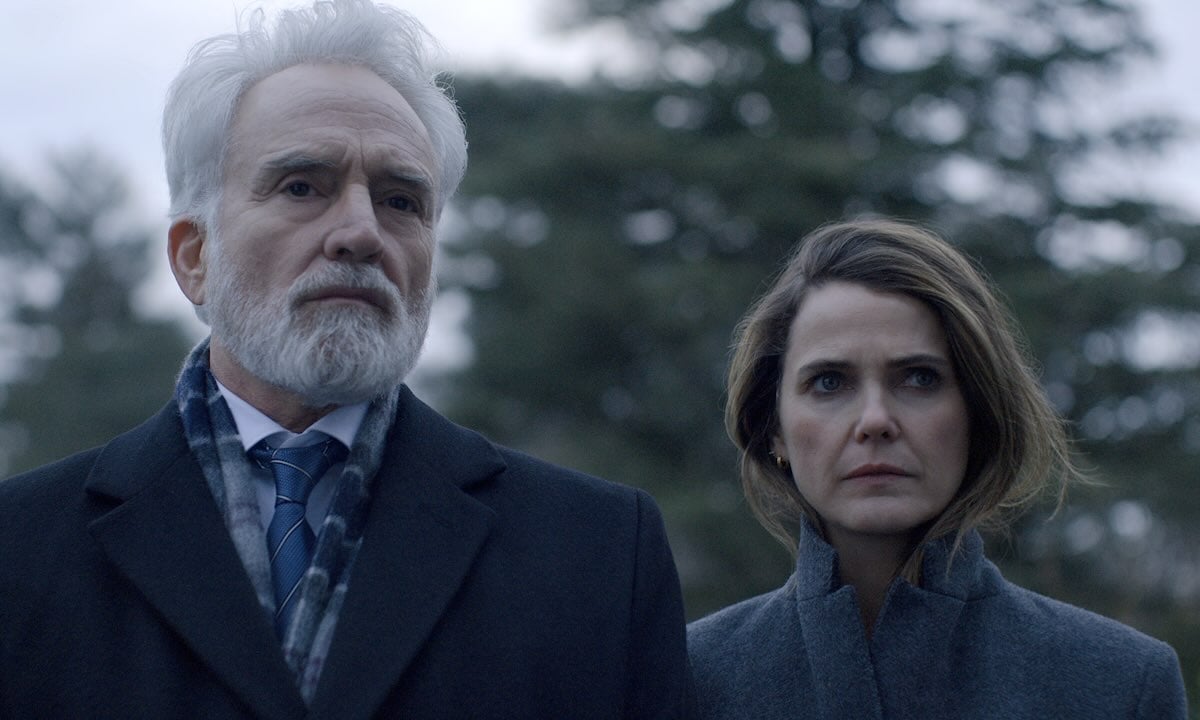
The roiling tension that simmers beneath the surface of every argument between U.S. Ambassador Kate Wyler (Keri Russell) and her husband Hal (Rufus Sewell) in The Diplomat is similar to that of Russell and her other on-screen hubby in The Americans, suggesting lobsters slowly being boiled alive. The Diplomat is soapier and less cinematically textured than that earlier show, but its palace intrigue and interpersonal subtext—and its intermingling of the two—is nearly as thrilling to unpack. The series retains its sobering depiction of the geopolitical machinations that keep the globe spinning, and, like The Americans, it understands that the political is almost always personal. Cinquemani
11. The Righteous Gemstones
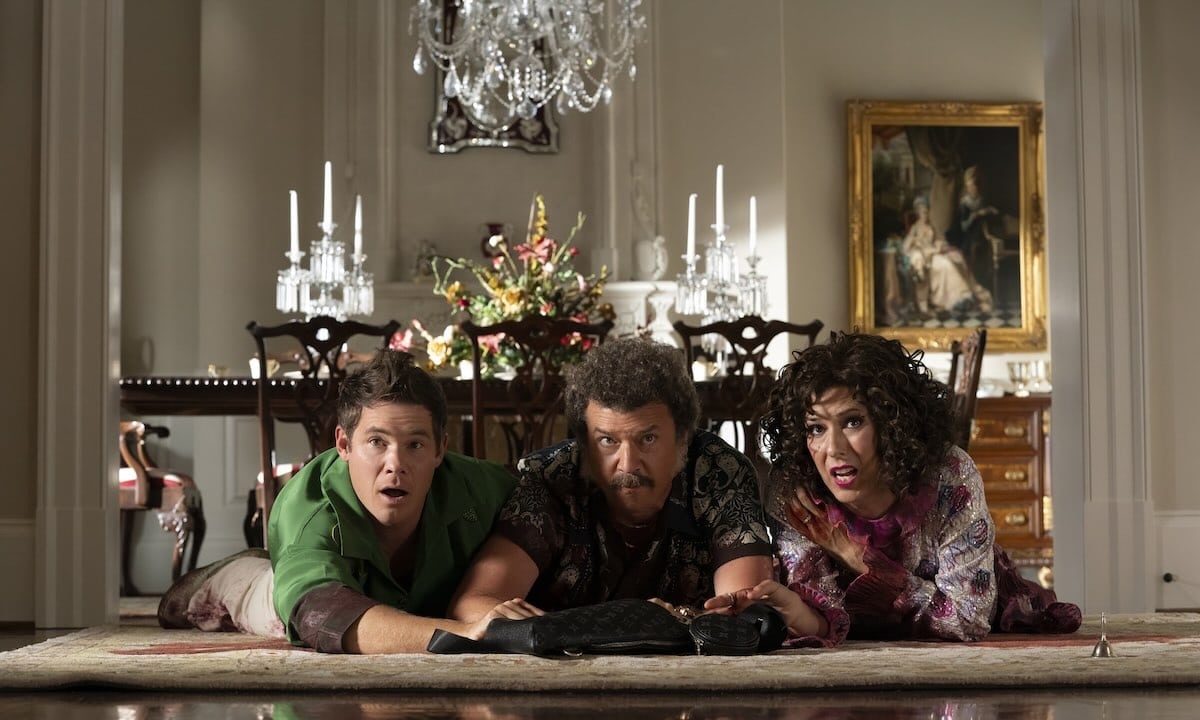
To the very end, The Righteous Gemstones turned snake oil into satire and sycophants into punchlines. The final season of Danny McBride’s portrait of a dysfunctional televangelist family saw the members of the Gemstone clan facing their biggest reckoning to date: their own past. As the siblings discovered more about the origins of their father’s empire, the series doubled down on its condemnation of the hypocrisy, spectacle, and moral rot at the core of American megachurch culture. This time, though, higher stakes resulted in more personal reflection—and more chaos, culminating in a violent confrontation that finally led the Gemstones to some redemption. Alexa Camp
10. The Bear
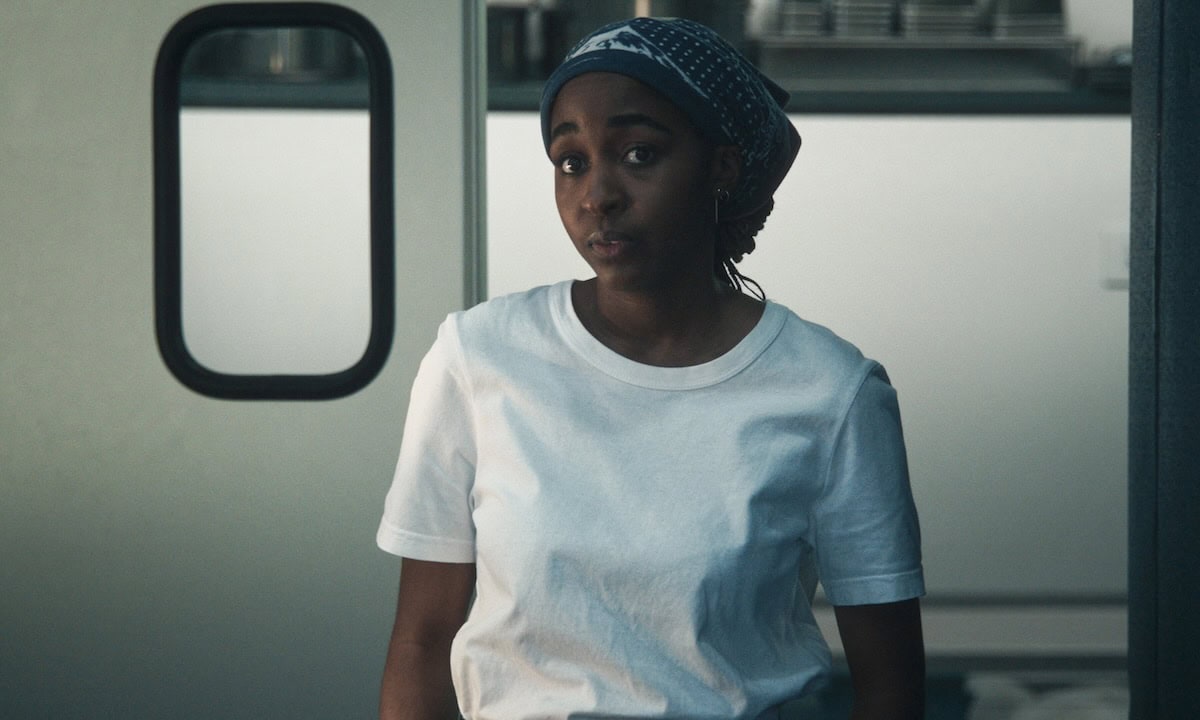
Like its characters, The Bear is trying to find a mellower way of being. Sure, the new season ends with a shouting match, and the Bear’s maître d’, Richie (Ebon Moss-Bachrach), has reason to be angry at Carmy. But on the whole, these 10 episodes have a warmer vibe that befits the show’s recurring theme of learning to appreciate the time we have with the people we love. Despite this harmony, of course, there’s still beef between the characters. With the clock ticking down on the Bear’s future, Sydney’s (Ayo Edebiri) doubt about whether she’d want to be a part of that future, seem, somewhat ironically, to bring the group closer together. Season four of The Bear thus focuses on an irony that it captures with bittersweet wisdom: that it’s often when things are going their best that they begin to slip away. Pat Brown
9. The Pitt
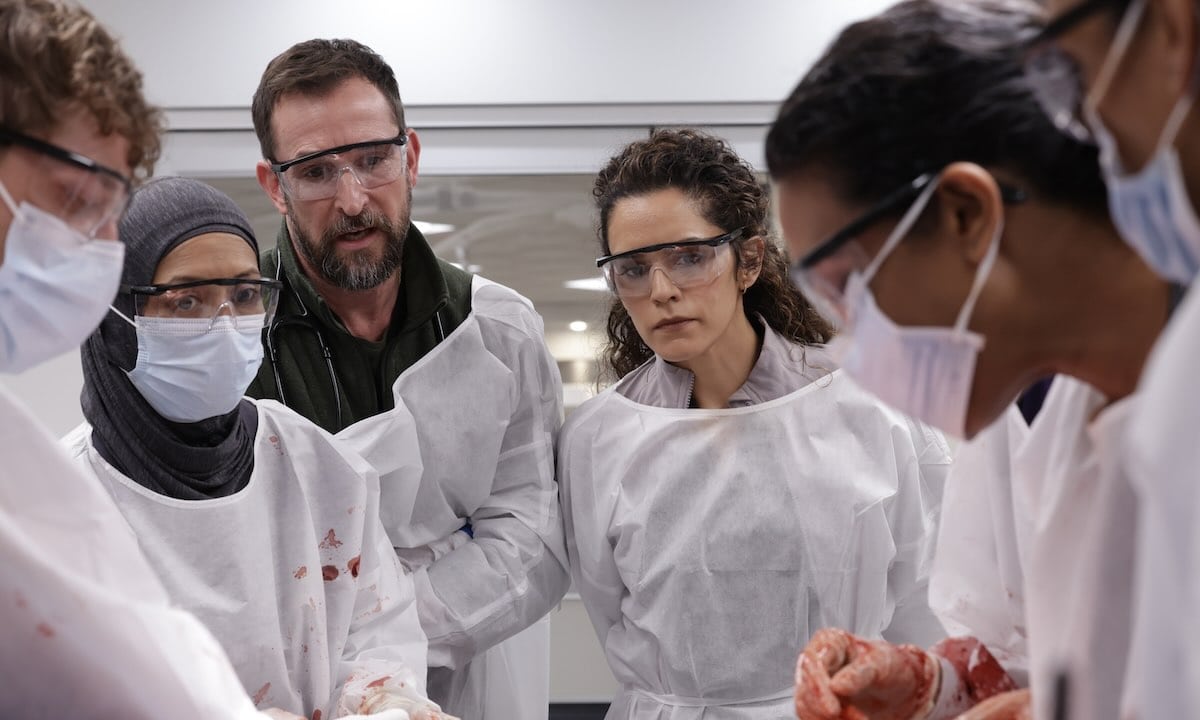
The Pitt unfolds with confidence of a more seasoned show, surgically efficient in establishing a cast of harried healthcare workers, anchored by Noah Wyle’s Dr. Michael “Robby” Robinavitch. But while much of the show’s appeal is in how it resurrects an old-school style of TV, its hour-long format is also perfectly suited for streaming. The show’s simultaneous medical emergencies boast an unfettered, unpredictable realism, with some resolving swiftly and others sprawling across multiple episodes. Mingling the catastrophic with the comparatively mundane, The Pitt thrives on nail-biting chaos, yet it also showcases heroic professionalism and humanity in the face of pressures that are only amplified by a broken healthcare system. Steven Scaife
8. Dying for Sex
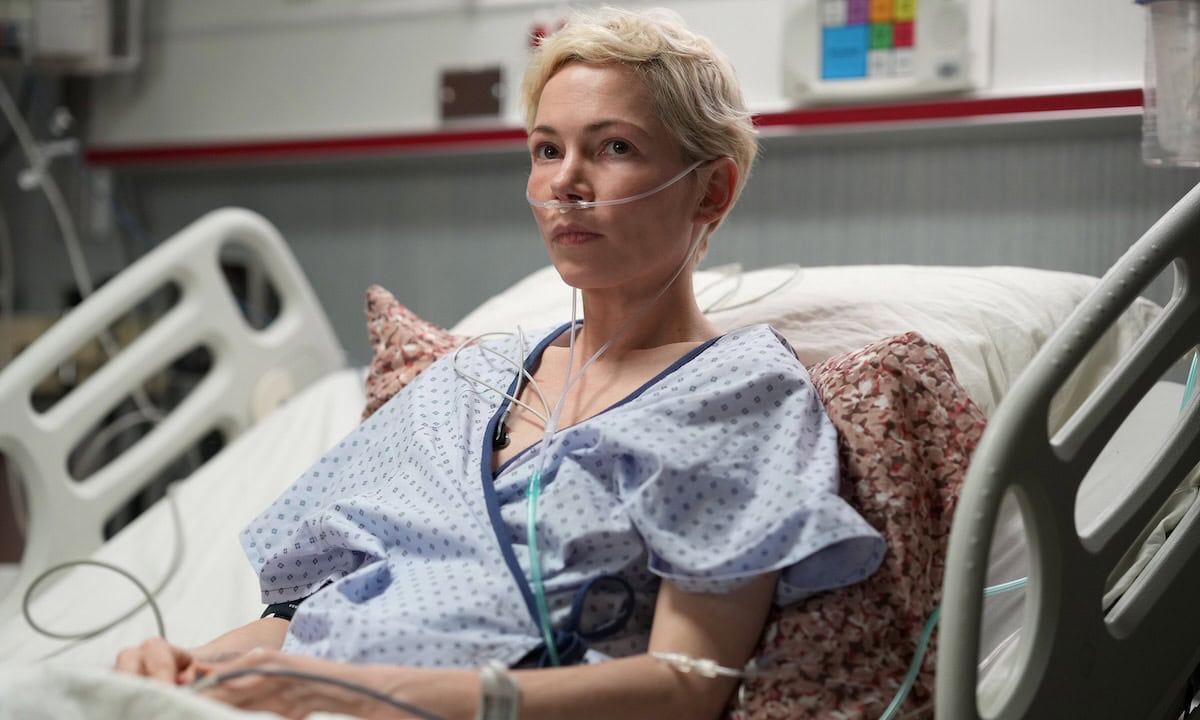
Inspired by the true story of Molly Kochan, originally shared on the podcast of the same name created with her best friend, Dying for Sex wastes no time setting things up. Over the course of eight spritely half-hour episodes, viewers follow Molly (Michelle Williams) in her quest to get laid before she succumbs to cancer—a journey that takes her from kinky dating apps to sapphic sex shows and beyond. One of the most impressive things about Dying for Sex is the balanced way in which it presents sex as something to both laugh about and take very seriously. The series is filled with gags about butt plugs, dick pics, and pup play, and it embraces the fact that sex is inherently funny. But it also manages to sincerely and affectingly convey the ways in which intimacy, tenderness, and passion can be communicated through sex in its myriad forms. McIndoe
7. Pluribus
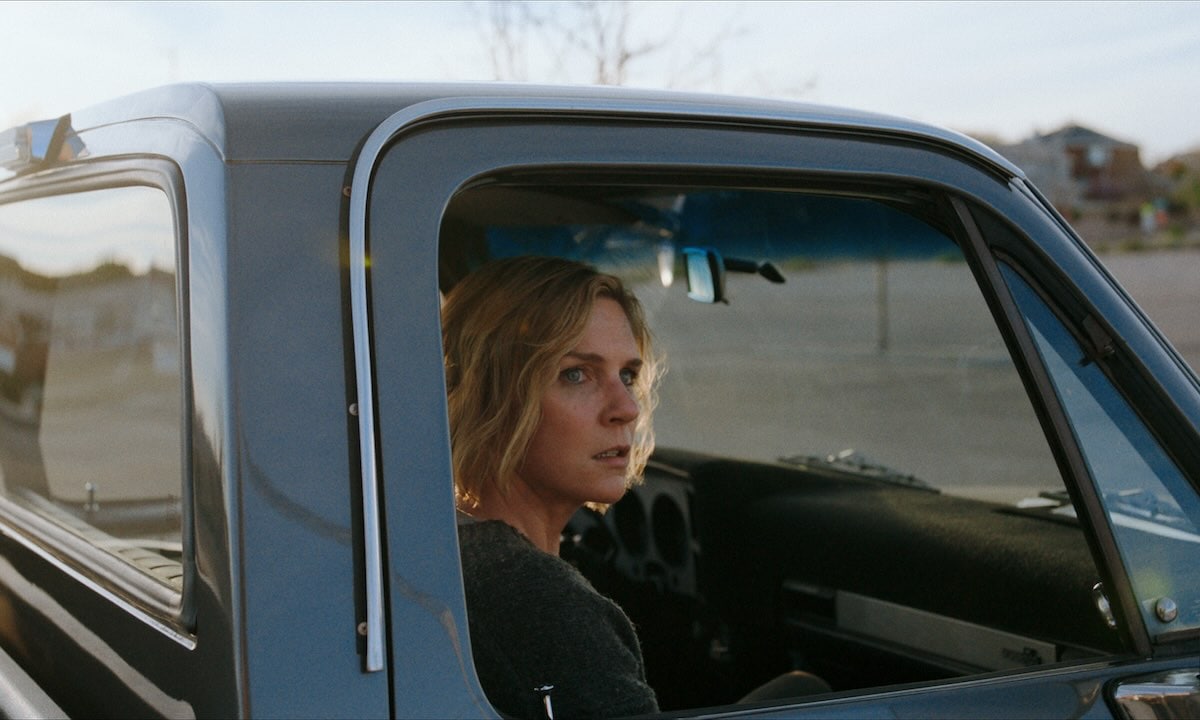
A cosmic event occurs here that immediately brings peace, love, and understanding to the human race. Of course, creator Vince Gilligan and his writers find a way to make world peace feel unnerving, from the lead up to the big event—which evokes the likes of The Andromeda Strain and Invasion of the Body Snatchers—to the escalating logistical horrors that result. Pluribus is about what happens when human empathy is stretched to its limit. The series seems to suggest that progress that moves too fast will ultimately break things, and waiting to see where and how it breaks makes for some exceptionally compelling storytelling. Clark
6. The Lowdown
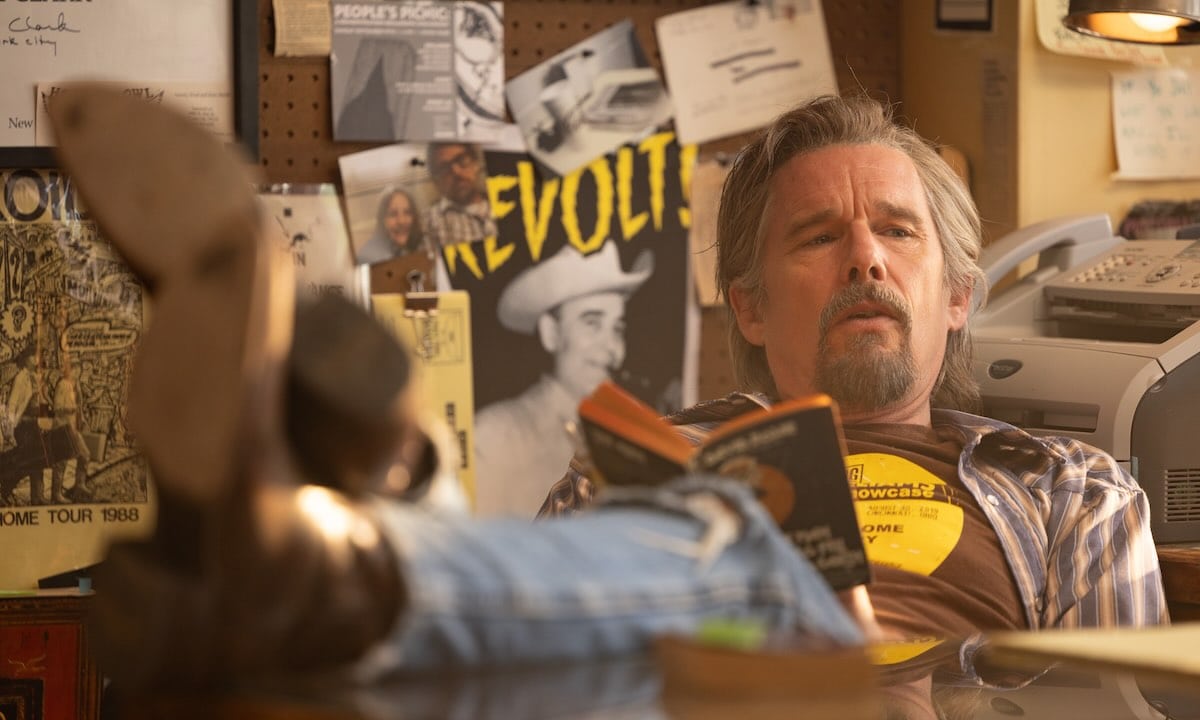
With its affinity for physical media and passion for the power of print journalism, the Tulsa-set The Lowdown has a pleasantly out-of-time quality. It may feature smartphones and vape pens, but creator Sterlin Harjo’s influences are largely procedurals of a certain vintage—those centered around rumpled investigators (often private eyes) who are bounced between unscrupulous bosses and receive various facial injuries for their trouble. The series is less concerned with plotting than it is in conjuring a specific atmosphere, as well as capturing the rhythms of community. The third episode, for example, takes a rather long detour involving a ring of caviar poachers, and while that storyline does little to move the main plot along, it goes a long way toward cementing the show’s relaxed and off-kilter tone. Like a good pulp paperback, The Lowdown draws you in with the confidence of its vision and the sense that wherever the plot may lead, it’ll certainly be a good time. Scaife
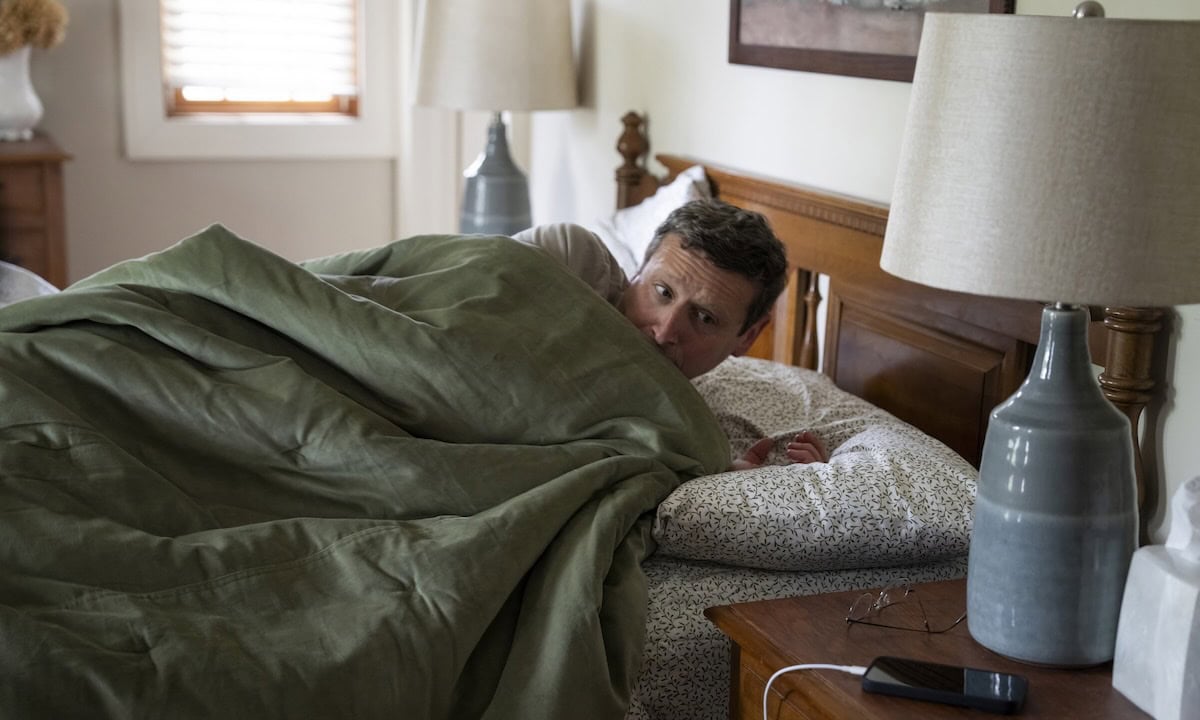
5. The Chair Company
The Chair Company not only finds Tim Robinson delivering some of his most gleefully inspired nonsense to date, but it’s also a vicious parody of so many TV conventions. Given the nature of its sketch comedy, Robinson’s I Think You Should Leave presents award social interactions that read as disconnected incidents, but The Chair Company forces us to consider them within a cohesive universe of needy, abrasive weirdos, a catalog of human disasters all causing havoc in the same vicinity. In its depiction of pro-forma websites, outsourced customer service solutions, and team-building exercises, the series creates a hilariously bland atmosphere that’s also a little bit unnerving and sad. It hums with the sort of existential despair that people only dare voice in YouTube comments for some old song they remember from happier times. Scaife

4. The Rehearsal
There’s escalation, and then there’s whatever Nathan Fielder is doing in season two of The Rehearsal, as his deranged social experiment takes to the skies with a focus on aviation safety. Fielder and his team intertwine genuine insight with some of the most preposterous scenarios ever seen on television. How, for example, does our environment shape who we are, and can it be replicated through hiring actors to raise cloned dogs, or through acting out the entire life of pilot Sully Sullenberger in fast-forward? The Rehearsal is like staring into another universe, and watching the god of that universe shave himself bald, put on a diaper, and suckle at the teat of an enormous puppet mother. The Rehearsal is bottomless in its capacity for surprise and unthinkably committed in following its scenarios to their logical, or illogical, conclusions. Scaife
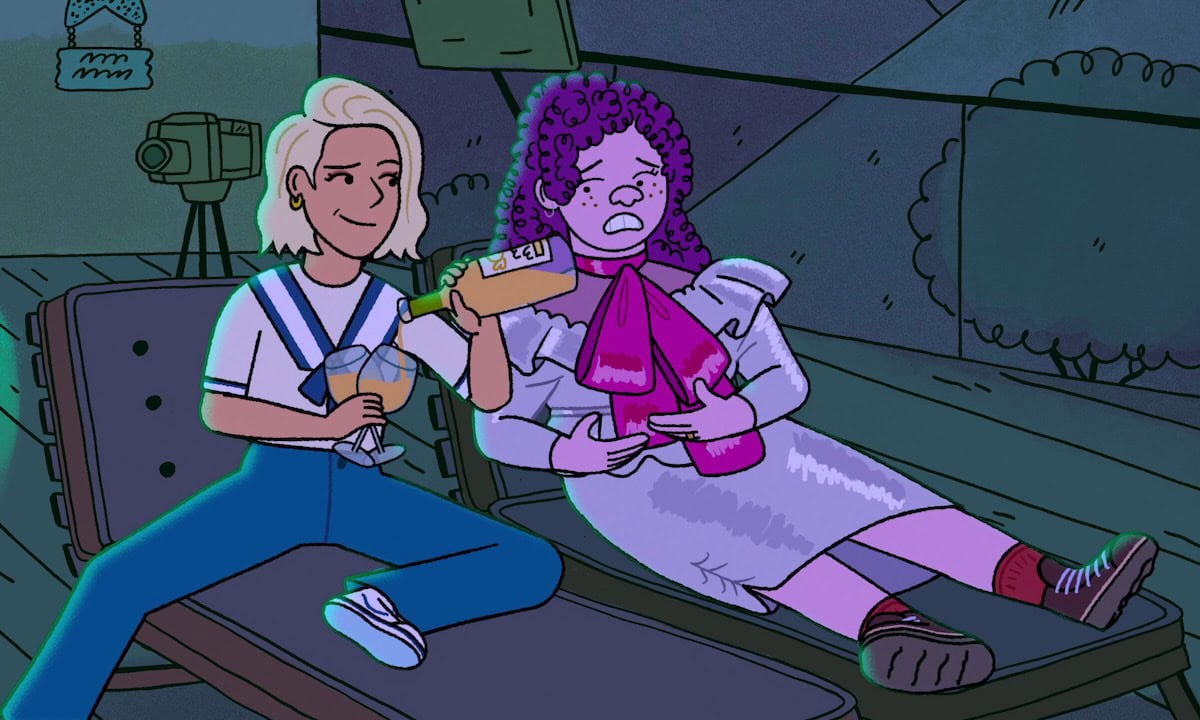
3. Long Story Short
Long Story Short’s non-linear, multi-generational tale follows three siblings—Avi (Ben Feldman), Shira (Abbi Jacobson), and Yoshi (Max Greenfield)—through childhood, young adulthood, and middle age, as their relationships to each other and their parents evolve. The series is clearly cut from the same comedic cloth as creator Raphael Bob-Waksberg’s BoJack Horseman, taking the same delight in extravagant wordplay and silly pop-culture puns, which in this case includes the best Eagles playlist joke in history. And like that series, Long Story Short somehow manages to blend its exuberant comic energy and pure goofiness with astonishing emotional intelligence and a profound sense of melancholy. Ultimately, the show’s time-skipping structure and decades-spanning tale are in service of the same heartbreaking idea that haunted BoJack and company: that time’s arrow only marches forward. McIndoe
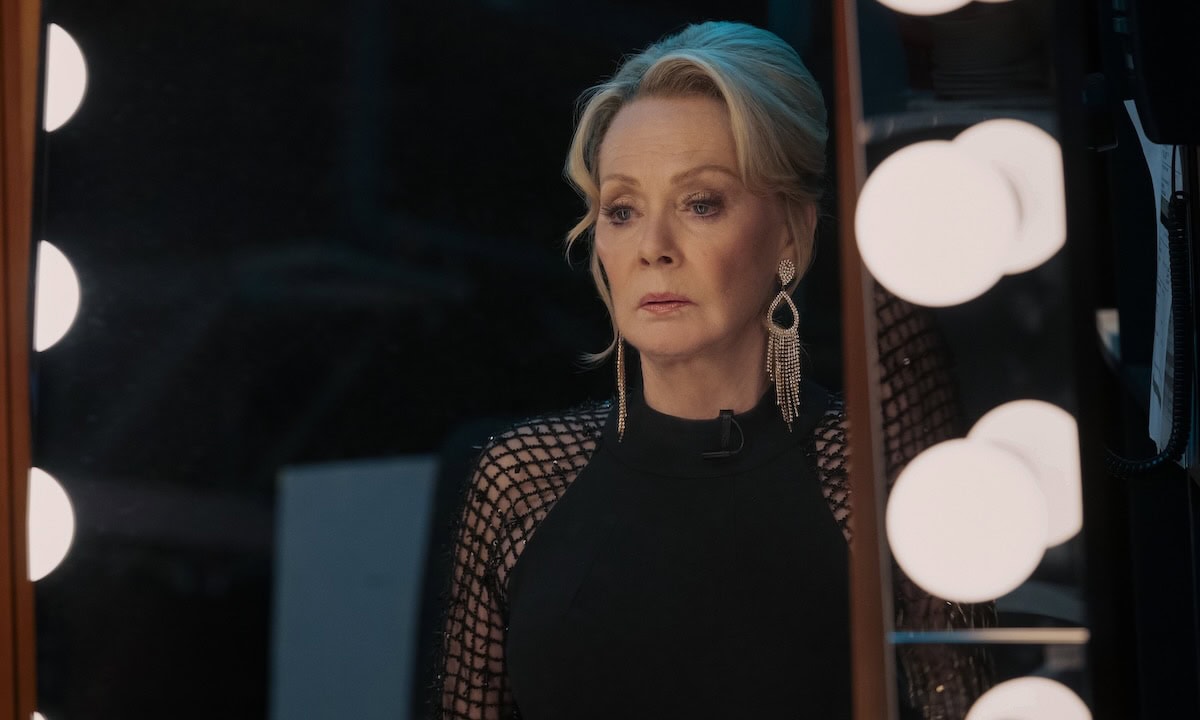
2. Hacks
If the first three seasons of Hacks leaned comfortably into its comedic bona fides, season four felt much more ambiguous, further complicating the interdependent relationship between veteran comic Deborah (Jean Smart) and her protégé turned rival, Ava (Hannah Einbinder), and nudging its examination of identity—specifically being a woman in show business—in darker and more dramatic directions. That’s not to say that the series isn’t still a masterclass in comedy, as it deliciously satirizes Hollywood without turning its characters into caricatures. By season’s end, both Deborah and Ava find themselves back in familiar roles—and Hacks, in turn, starts to lose some momentum—but it’s still as savagely funny and deeply poignant as ever. Camp
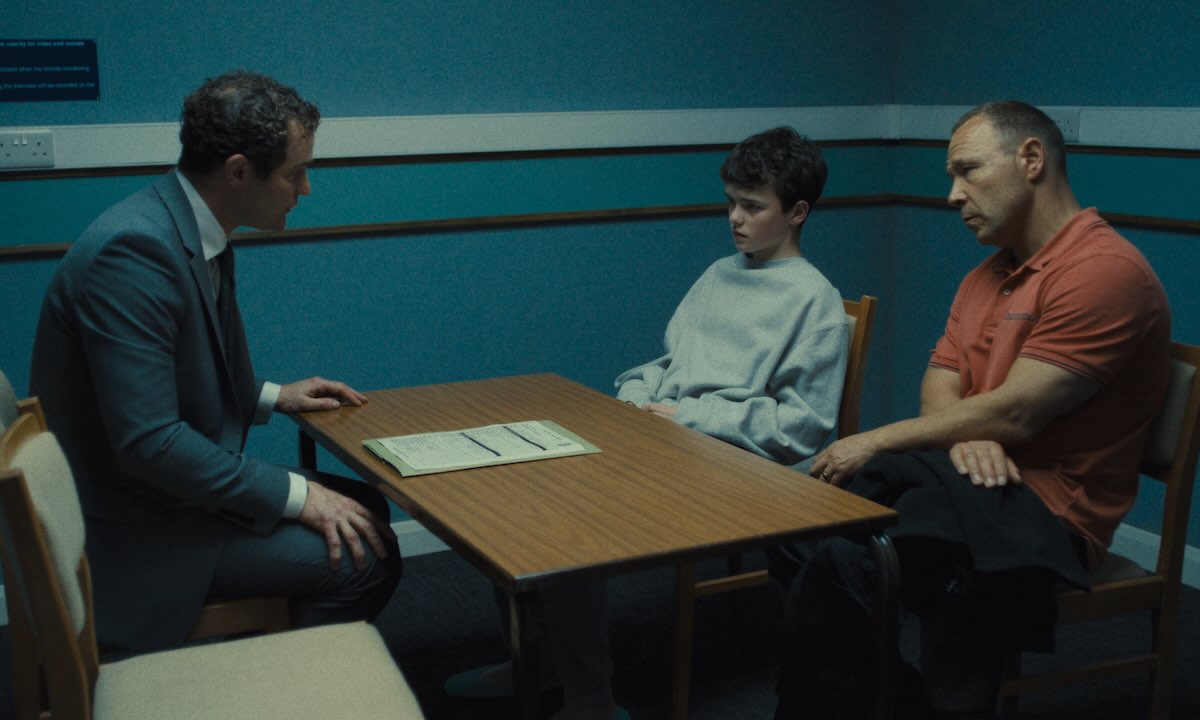
1. Adolescence
Co-created by Stephen Graham and Jack Thorne, Adolescence opens with 13-year-old Jamie Miller (Owen Cooper) being dragged down to the police station for a horrific crime. The collision of the tragic and the mundane is at the core of the series, as each episode carefully explores a facet of Jamie’s life, director Philip Barantini’s camera weaving through the unremarkable terrain of his existence to try and figure out where things went wrong for him. At no point does Adolescence pretend to have landed on a single, solid answer about why boys like Jamie exist, where all their rage comes from, or why so much of it seems to be directed at women. It simply makes us sit with the awful uncertainty of it all. By immediately answering the question of what happened, Adolescence clears space to ask the more pressing, complicated, and unsettling question of why. McIndoe
Since 2001, we've brought you uncompromising, candid takes on the world of film, music, television, video games, theater, and more. Independently owned and operated publications like Slant have been hit hard in recent years, but we’re committed to keeping our content free and accessible—meaning no paywalls or fees.
If you like what we do, please consider subscribing to our Patreon or making a donation.