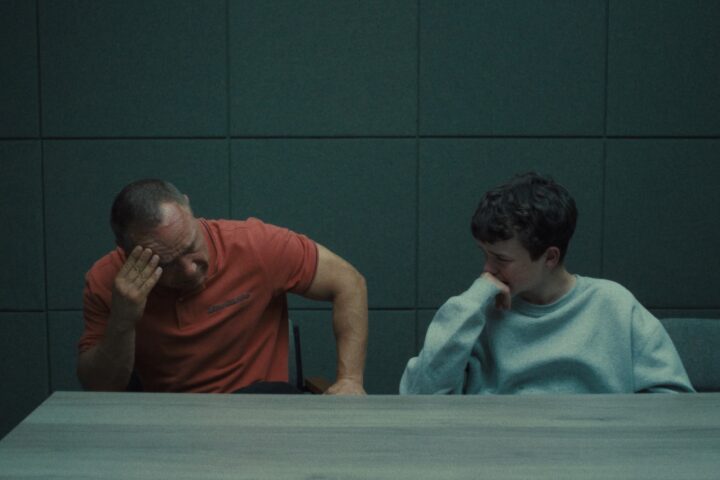

One of the late additions to our list of the best games of 2025 is Santa Ragione’s controversial first-person horror adventure Horses. One of the big, haunting moments that pulls that game together is when an industrialist’s daughter visits the horrifying human farm at the center of the story and she goes fully mask-off in telling the protagonist why the bourgeoisie are able to exploit humanity the way they do.
“Each of us is a cog in the machine,” says the woman. “We must all do our duty so society can function properly. So dangerous ideas are a problem for everyone. Because if the machine jams, everything falls apart. And we can’t allow that to happen! The farmer…he does what he does. And my father…well, my father makes sure that his business opportunities keep growing.”
Horses was released in a year where the shuddering weight of video games at the intersection of art and industry has started to crack and crumble at the foundations. Many of the people who’ve crafted some of the most wonderful gaming experiences of the year live at the mercy of an executive class that genuinely believes that a chatbot that can be negged into telling you that Elmer’s Glue is an appropriate pizza topping is the future of creativity.
Games criticism is seen largely as an arm of advertisement rather than a useful examination of an artform. All the while, the audience most ready and willing to have the best version of those experiences can barely afford to do so, and that’s if the owners of the two or three viable platforms for games feel your game isn’t going to land them in trouble with Mastercard. And yet, the business opportunities keep growing, and the farmers continue to…do what they do.
So, why the hell are we choosing to treat this industry like it continues to matter? While the machine has us enthralled, art can’t stop being art. Passive censorship will never stop dangerous ideas. The evils of a corporation will not stop the creatives under its boots from being able to create. Those of us who believe in the power of this medium will continue to hold it to the same standards of every other artform, and that means rejecting the idea that the job is to sell you a product rather than better our understanding of its design.
What we’re doing is encouraging what people have always done with art. Through video games, artists and their audiences are choosing to play, share stories, and express the inexpressible. On both sides of the screen, we challenge each other to be better. Even in a year as difficult as 2025, we’re still doing these things. Despite rumors to the contrary, the machine serves us. And dangerous, new ideas are the only way it keeps running. Horses may have the perfect allegory of the industry’s problems, but one game sitting higher up on our list sums up why art perseveres in spite of them: “For those who come after, we continue.” Justin Clark
25. To a T (uvula)
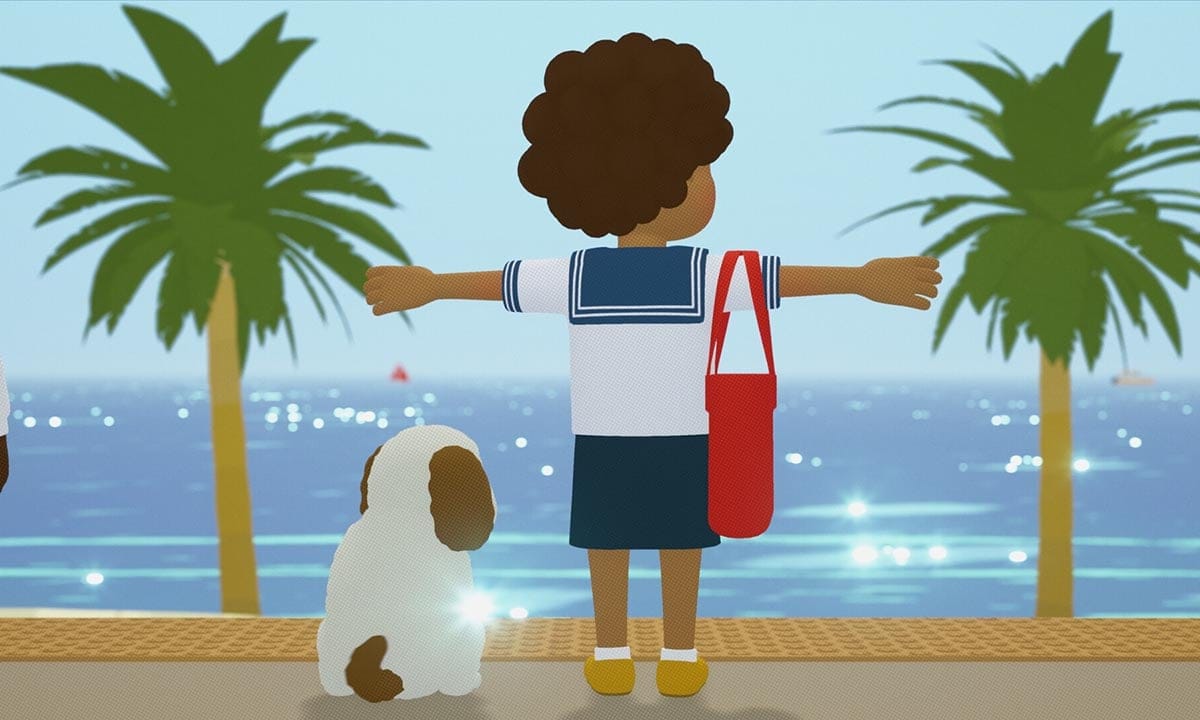
Takahashi Keita’s To a T abounds in surprising details, and it’s as committed to absurdity as it is to earnestly exploring the daily life of a teen who’s lived their entire life in a T-pose, arms perpetually outstretched. It’s a disability metaphor realized through an assortment of goofy minigames and quick-time events. It’s a one-joke premise, perhaps, but the joke keeps paying off in more esoteric ways as the game goes on. How might Teen get around town when their condition prevents them from using a bike? With a unicycle, of course. A more conventional game might have foregrounded Teen’s ability to fly, bending the story into a superhero origin story as an excuse to display their newfound powers. But To a T remains a life sim, lavishing idiosyncratic detail on its ground-level view of the world. Flight is just one stop along a broader, sillier journey that depicts Teen’s growing comfort in their own skin. Steven Scaife
24. Skin Deep (Blendo Games)
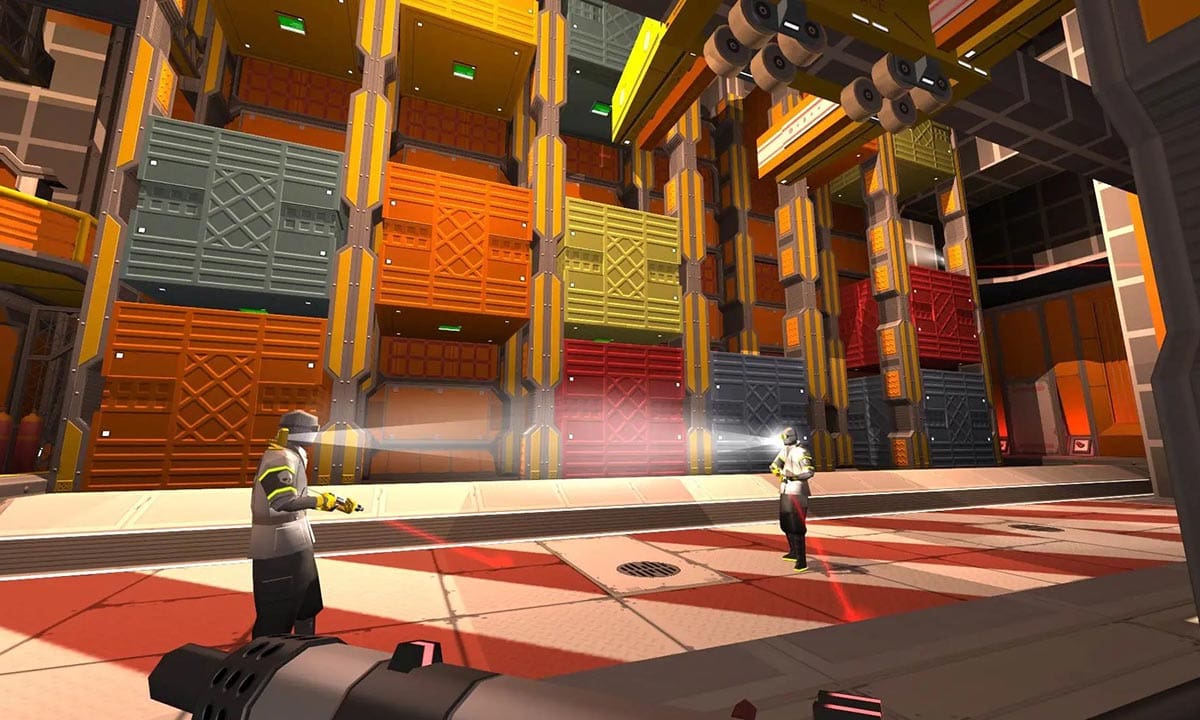
Freelance commando Nina Pasadena is the insurance-mandated last resort for when space pirates come calling—a John McClane behind “break in case of emergency” glass. Each level in Blendo Games’s immersive sim Skin Deep is delightfully abundant in improvised tools, from banana peels to pepper shakers, with which to sneak your way to victory. The game’s triumph is how it forces you to learn and adapt to its silly and singular sci-fi universe. Enemies aren’t instantly out of commission when you knock them out; their heads, safely encased in “skull savers,” slowly float toward a respawn pad while they cackle to themselves about how you’re gonna get it. Stay too long in the dusty vents and you risk loosing a stealth-breaking sneeze. Not only is Skin Deep Blendo’s most ambitious work to date but also its funniest. Scaife
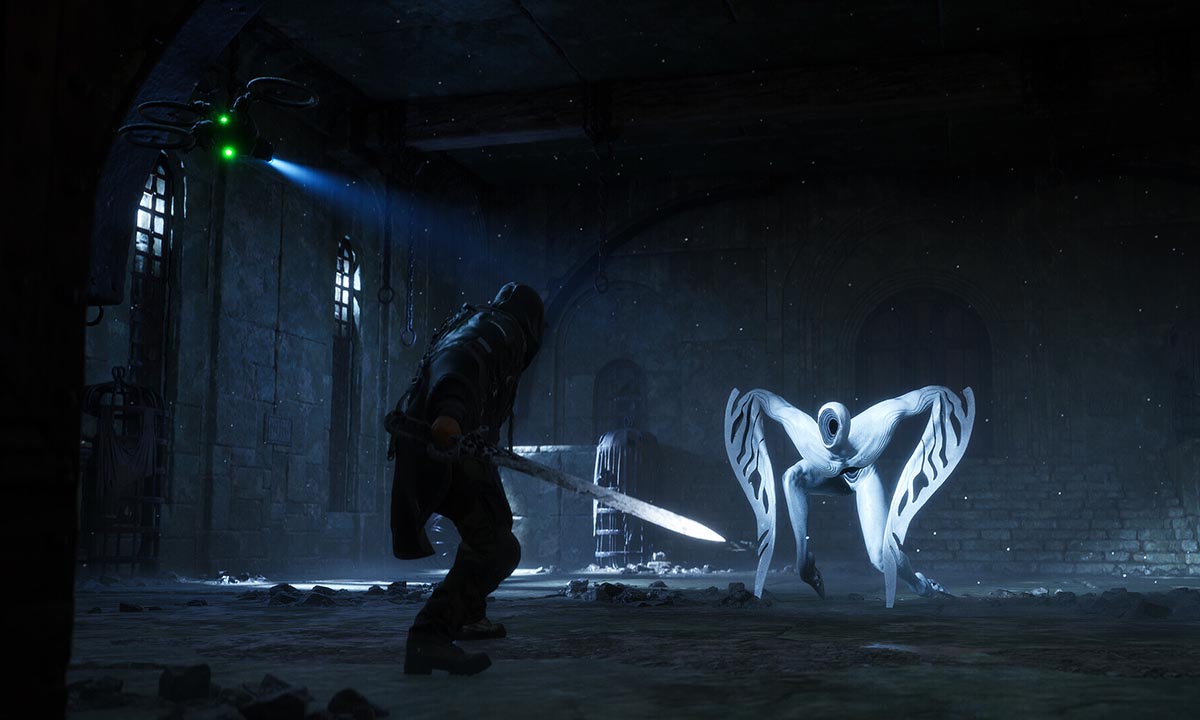
23. Hell Is Us (Rogue Factor)
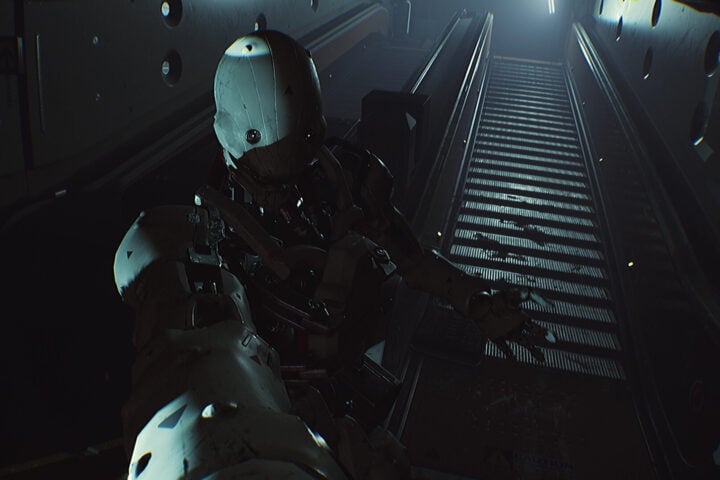
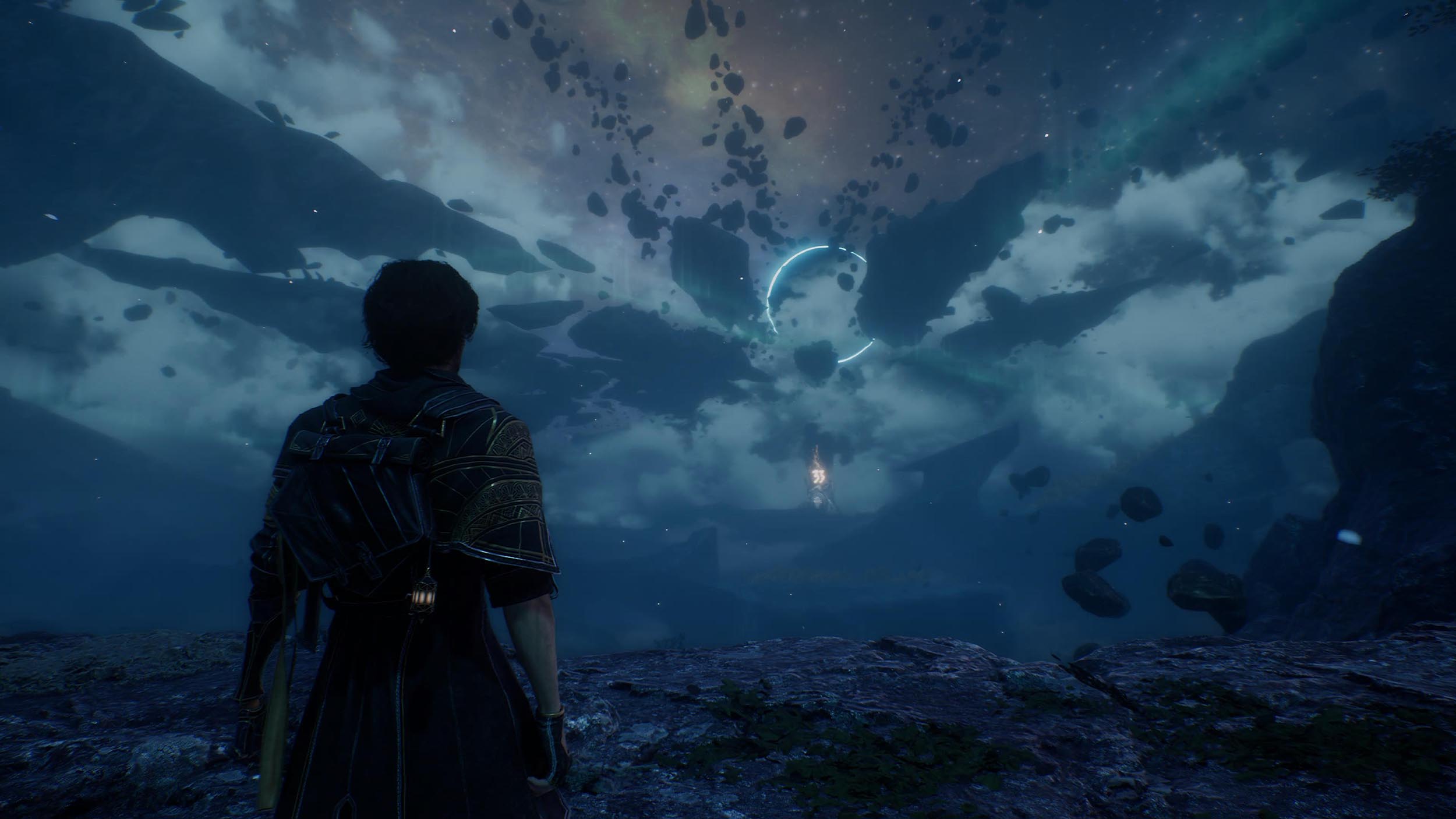
Hell Is Us takes a humanistic approach to the conflict against which the narrative unfolds, given that your priority is often helping innocents caught in the crossfire of war. As you traverse heavily shelled cities and smaller villages under occupation, the game searingly attests to the atrocity of wartime. Upsetting and relevant as it often is, Hell Is Us isn’t exactly pointedly angry about right-wing fanaticism, genocide, and how easily populations can be manipulated. But maybe it’s enough for us to know what the people whom you encounter think of those things. The game allows you to ask anyone their thoughts on Hadea, the civil war, and more, and their reactions range from the empathic to the hateful. It’s an unusual show of maturity for a video game not to shy away from themes of racism and fanaticism, as well as the actual consequences of war, and in that respect and more, this one lives up to its title. Ryan Aston
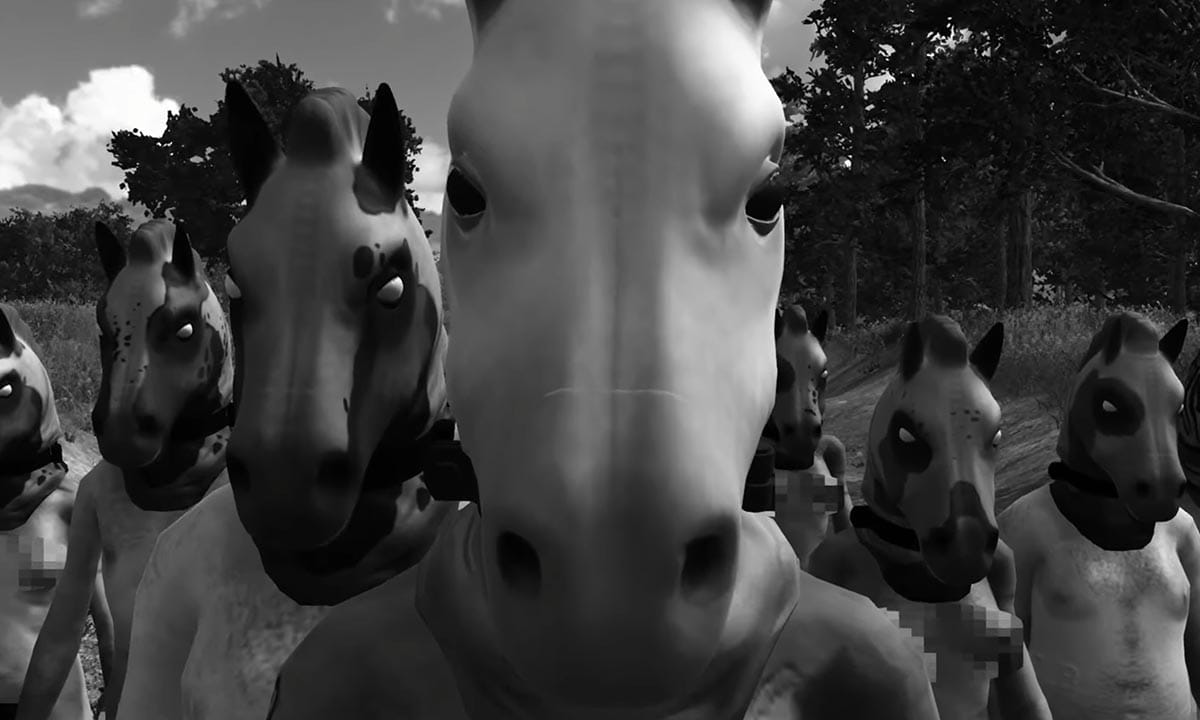
22. Horses (Santa Ragione)
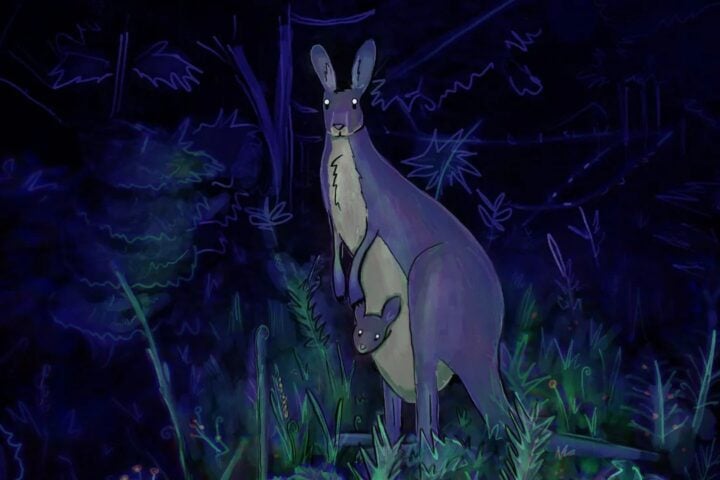
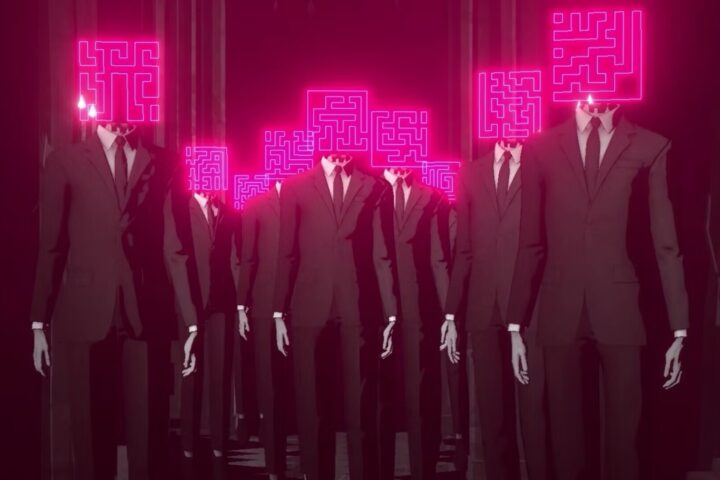
Santa Ragione’s Horses is matter-of-fact about its disturbing subject matter. As a lone farmer gives you—a new farmhand called Anselmo—a tour of his property, it’s not long before you come face to face with the “horses” out back: human beings with expressionless equine masks fastened to their heads with a metal collar. The game portrays the enforcement of puritanical norms as its own form of violence and sexual gratification, which aren’t especially novel themes, but the presentation in this case is so arresting as to be transformative. This skuzzy and harrowing game gains much of its power through its linearity, shepherding you through your own complicity in a cycle of dehumanization with scarcely an option to offer a word of protest. The lack of meaningful choice makes the very act of playing the game feel practically unbearable, what with players themselves being led forward like animals. Scaife
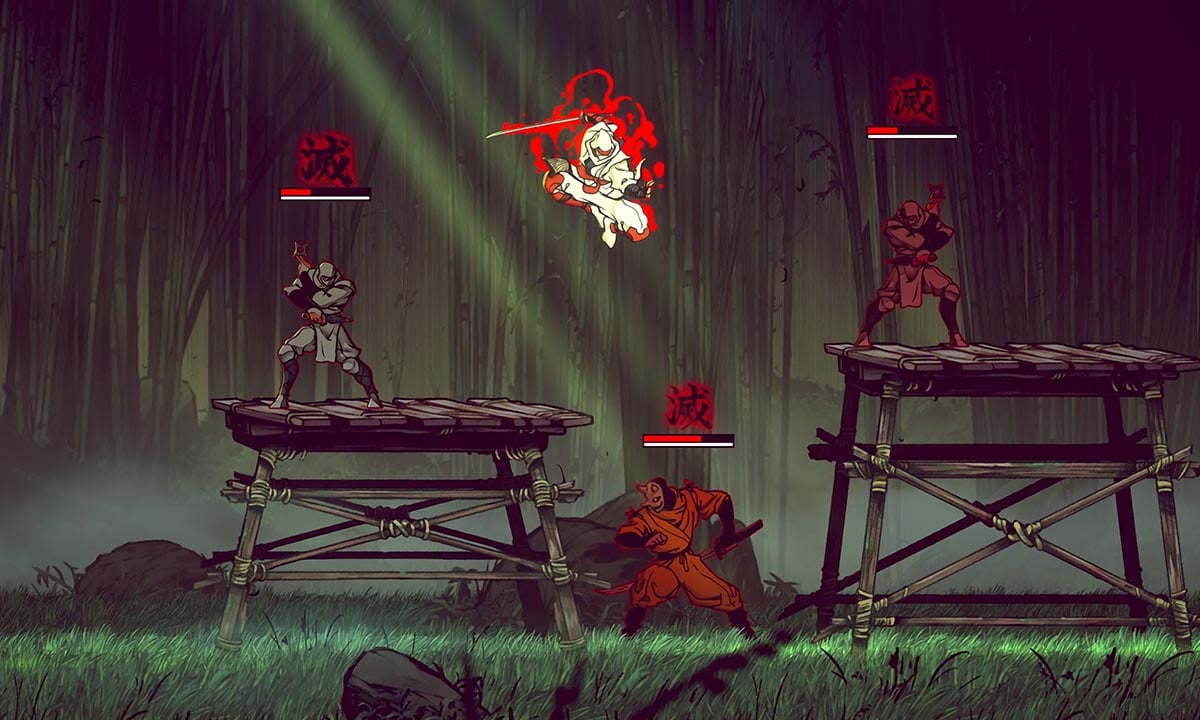
21. Shinobi: Art of Vengeance (Lizardcube)
With Shinobi: Art of Vengeance, another classic series has been reborn with gloriously fluid hand-drawn animation, a sort of ukiyo-e/Image Comics hybrid aesthetic that looks striking even compared to the hand-drawn Streets of Rage 4 yet still very much recognizable as the Shinobi of years past. As you delve beautifully realized biomes, the mechanics will also feel immediately familiar to fans of the series from the second they start the game. While it’s possible to just blow through each stage as a linear challenge, every level is its own self-contained search-action game full of secrets and obstacle courses and death-defying aerial challenges. Art of Vengeance is good at giving players everything they need to progress in the game, but straying even a minute outside the beaten path leads to just about anything players will want, from more health and shurikens to some of the most impressive and damaging ninja-magic attacks in the game. Clark
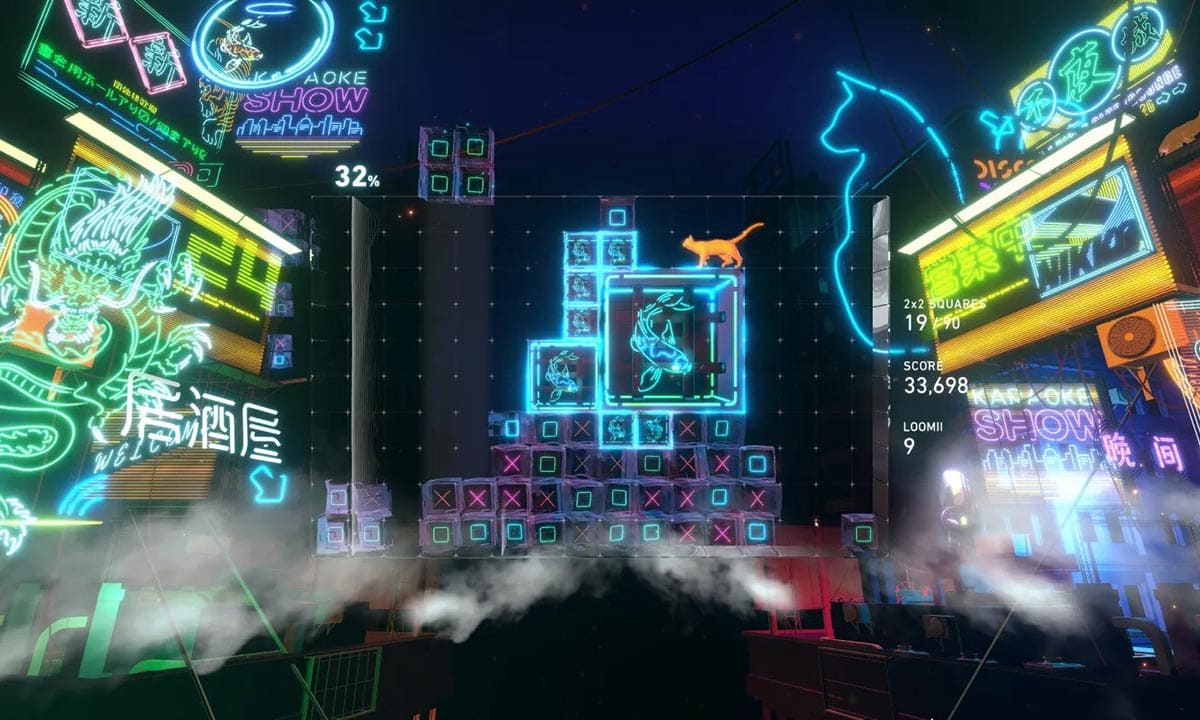
20. Lumines Arise (Enhance and Monstars)
Lumines Arise’s aesthetic choices are tailor made to send the player’s soul into the stratosphere. The vast majority of the stages are extravagantly crafted, zen-gifting palaces that feel as if they’re offering up glimpses of a New-Agey utopian future. More than Tetris Effect, Lumines is defined by its relationship to its music and aesthetic, with its sounds guiding your actions in ways that you never consciously realize in the moment. No matter how loud or soft the stage, playing Lumines Arise feels like meditation, a re-centering of the brain. Every sweep of the line presents another opportunity to harmonize with the rest of the soundscape using the indirect instrument of a puzzle game. This is Lumines in its most perfect, evolved form. Clark
19. Absolum (Guard Crush Games and Supamonks)
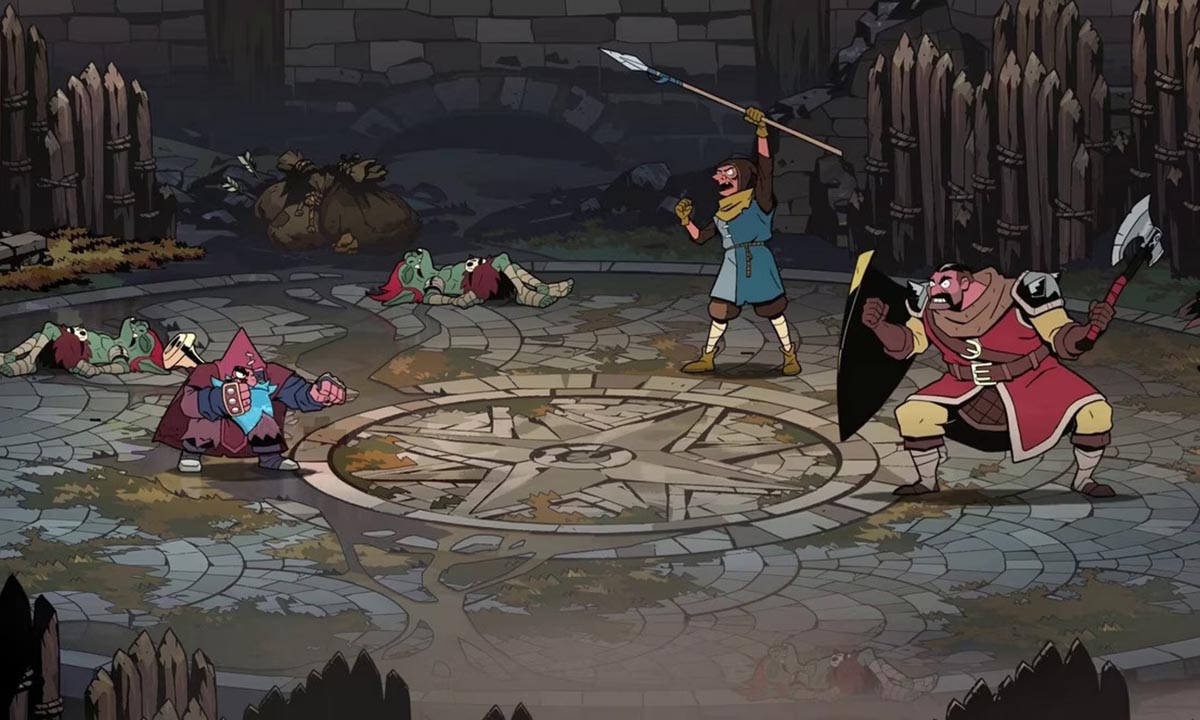
The dark fantasy beat-’em-up Absolum is a gorgeously animated piece of work, cut from the same cloth as Streets of Rage 4. It has all of the hard-hitting, high-combo chaos of that game, with the fantastical aesthetic of another classic Sega title, Golden Axe. Oh, and it has a run-based, Hades-like cherry on top for added flair. What raises it above its pedigree, though, is its story, centered around magical beings empowered by a weakened forest spirit to fight back against what is coded as, for all intents, an ethnic cleansing. Even in this world of goblins, orcs, and the like, the subtext screams loud and clear, and is reinforced during gameplay. It’s certainly a beat-’em-up, but it’s anything but mindless. Clark
18. Kingdom Come: Deliverance II (Warhorse Studios)
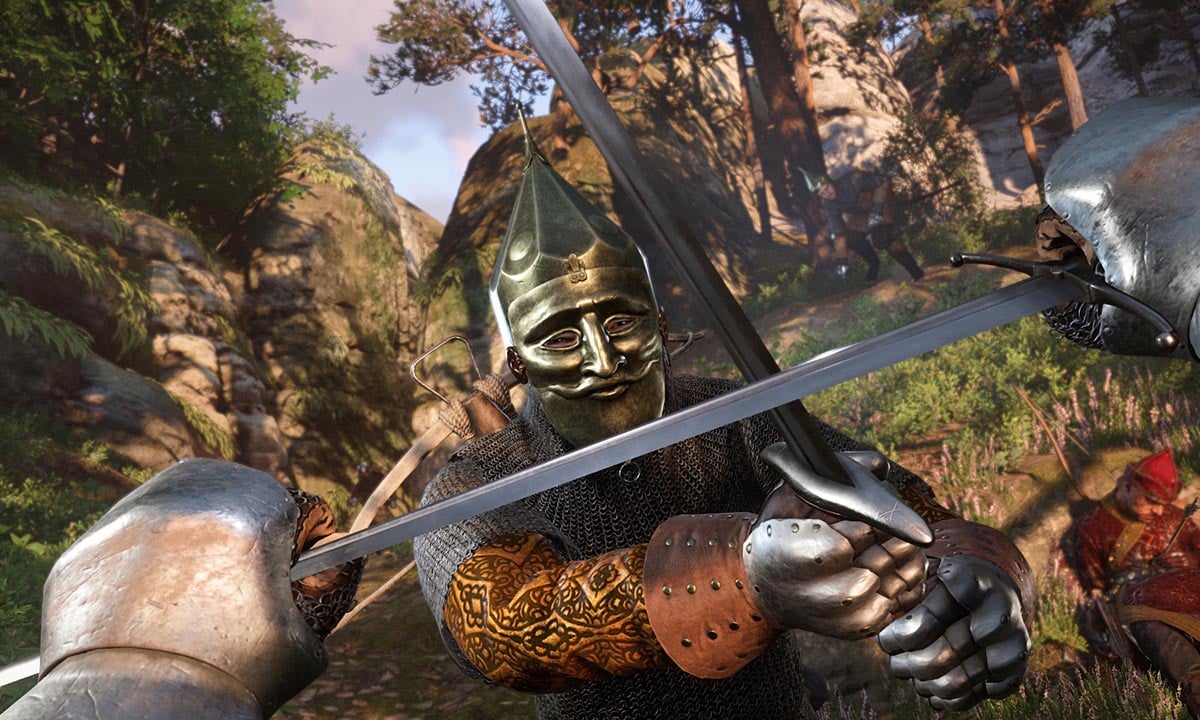
Kingdom Come: Deliverance II opens at the siege of Suchdol Castle in 1403, with the player assuming the role of Henry of Skalitz fighting back soldiers. The game then jumps back several weeks, where Henry and his friend Hans Capon travel from Rattay to confront Otto III of Bergau over his allegiances, only to be attacked by bandits. Barely escaping with their lives, conflict brews between the two and they part. Repairing this rupture between friends is just one important narrative thread of a superb open-world action RPG centered around a truly singular protagonist and the characters around him. This mechanically dense sequel builds on the gameplay of its forerunner to truly immerse the player in its world and, after so much politicking and bloodshed, returns to that opening battle, where you’ll feel in your gut how its outcome is colored by every decision Henry made across his journey. Aston
17. Ninja Gaiden: Ragebound (The Game Kitchen)
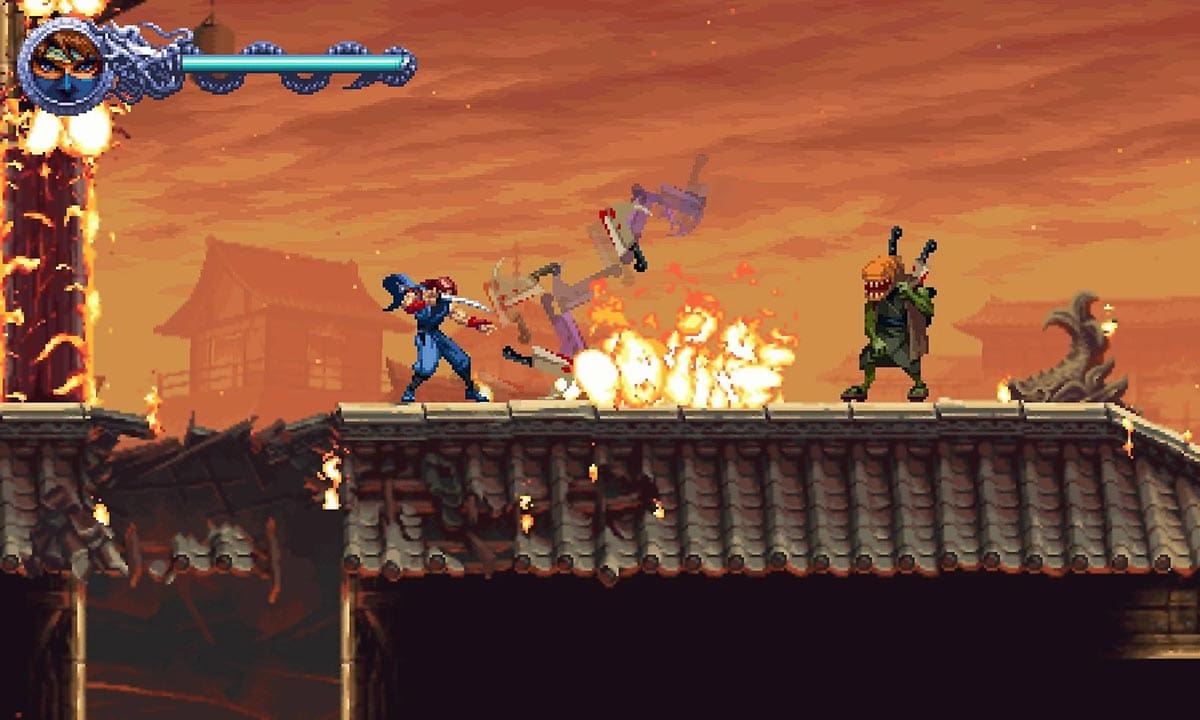
Developed by the Seville-based the Game Kitchen and published by the Paris-based Dotemu, two burgeoning colossi in the world of sidescrolling action titles, Ninja Gaiden: Ragebound brims with an invigoratingly maximalist B-movie attitude. But that over-the-top sensibility is undergirded by confidently minimalist design. You’re granted a modest toolset—a jump, a roll, and some attacks—and thrown into platforming and combat gauntlets that demand increasingly rapid and creative improvisation. The action becomes breezy, even meditative, as muscle memory kicks in—and what a delight when, after a few attempts at any given section, the precise choreography needed to navigate it reveals itself to you like a crack of lightning. Niv M. Sultan
16. Ball x Pit (Kenny Sun)
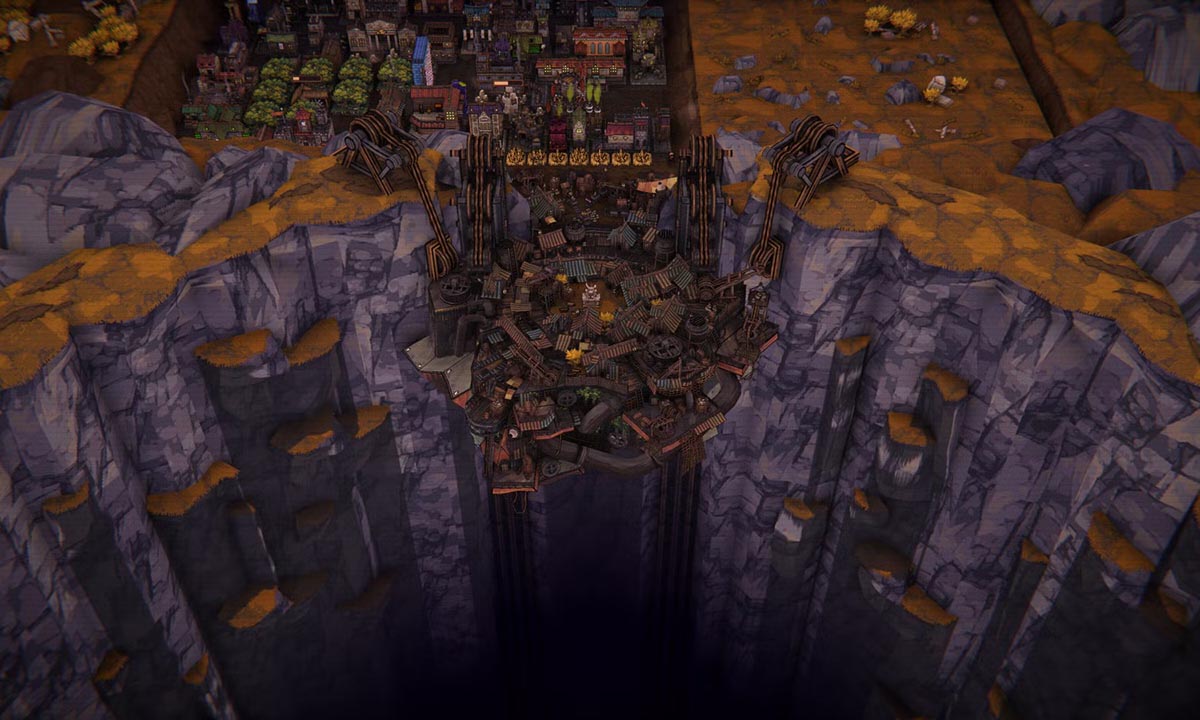
Think of Ball x Pit as Breakout by way of Vampire Survivors. Small, ping pong-like “baby balls” are your bread and butter. You shoot gobs of them between launches of bigger, more damaging balls that can set enemies aflame or fire big lasers across the screen. And after just a few runs, the full breadth of the game comes into focus, as it constantly reveals new weapons, characters, and abilities. You’ll learn to fuse certain balls together into new ones, and you’ll amass passive bonuses that make monsters explode after death. Ball x Pit is constantly rewriting its own rules: One character fires balls from the top of the screen rather than the bottom of it, while another drops them out of the sky, and another still doesn’t use baby balls at all. Ball x Pit is a sugar rush of invention that simply doesn’t stop until you hit the credits. Scaife
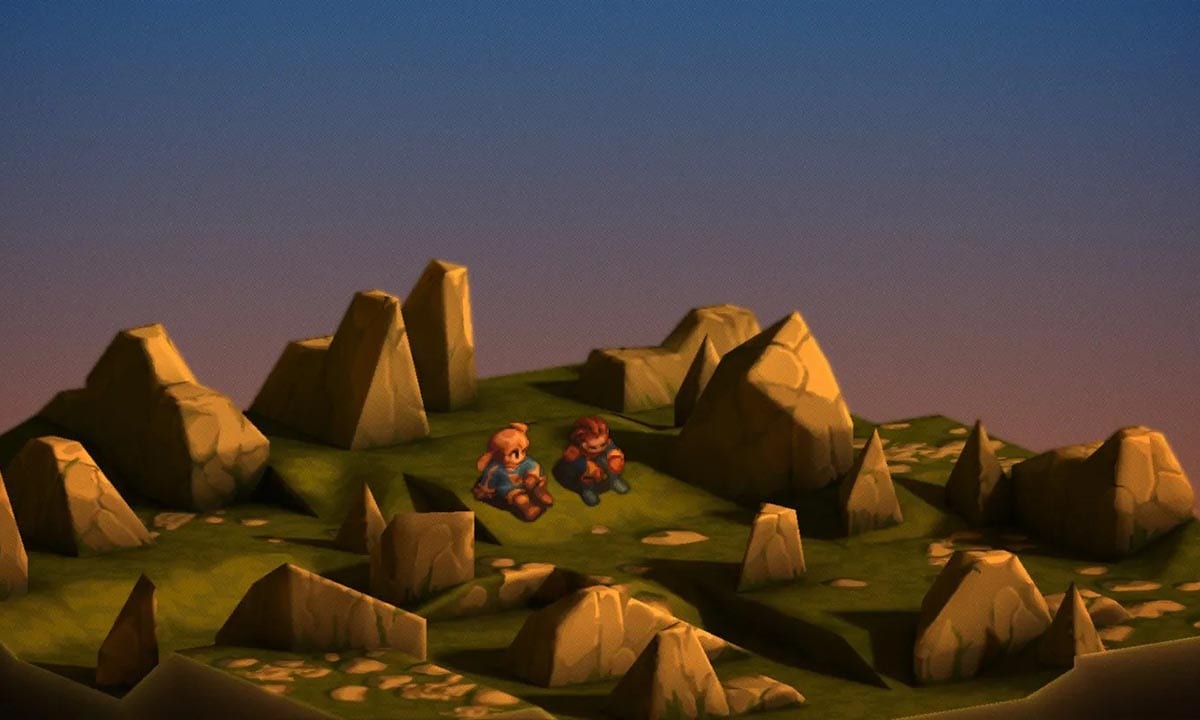
15. Final Fantasy Tactics: The Ivalice Chronicles (Square Enix)
Directed and written by Matsuno Yasumi and first released in 1997, Final Fantasy Tactics is a treatise on historicization: its artificiality, its fickleness, and its capacity to abuse and be abused. What, then, does it mean for Square Enix to remaster the title? This is a gentle and thoughtful touch-up of a foundational work, a brushing of the text’s sharp teeth. The game, as a political saga and a mechanical exercise, gains renewed urgency given the state of much of the world—as we barrel toward abysses too manifold to count, as arms open to fascism, and as the virtue of truth is steadily obliterated. In the story of Ramza, and in life, we see that we don’t plummet into chaos as much as we descend into it one step at a time. That way, too, lies the path out. Sultan
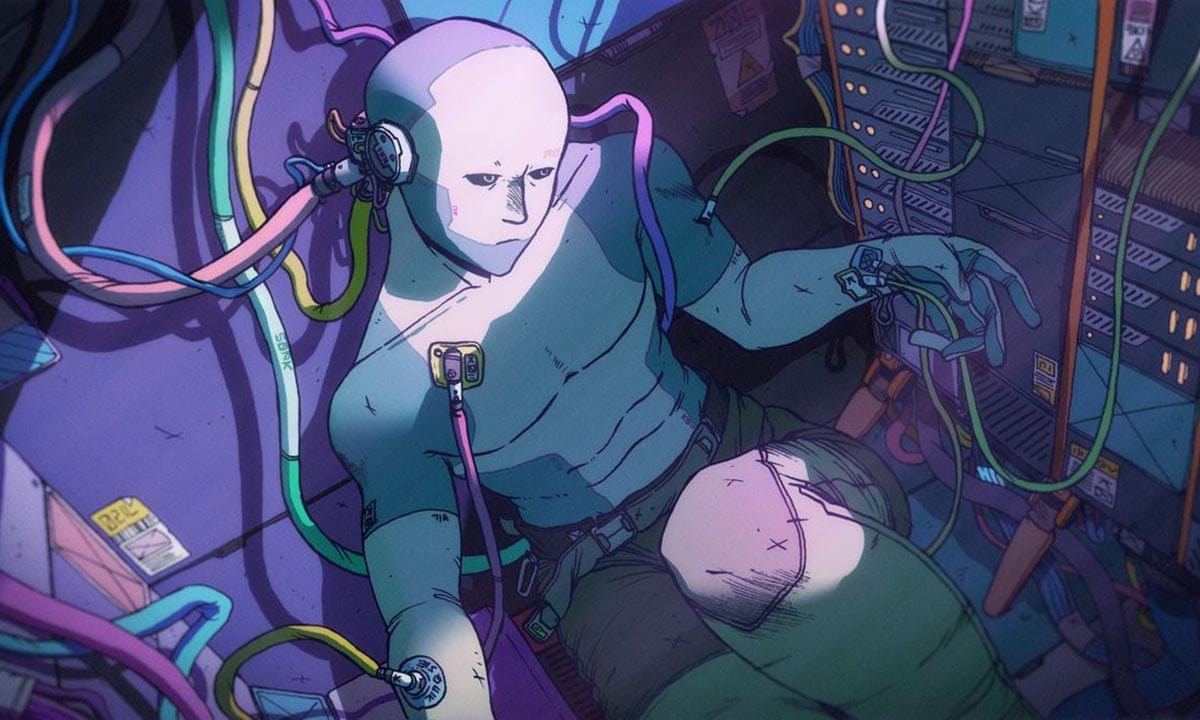
14. Citizen Sleeper 2: Starward Vector (Jump Over the Age)
If Citizen Sleeper 2: Starward Vector had just offered more Citizen Sleeper, it would have been enough, but a sense of expansion is startlingly on display here. Partially, this comes down to an increase in scale: Where the first game took place on a single space station, Starward Vector sees you hopping between various hub areas, trying to stay one step ahead of your would-be captor, a gang leader named Laine. More significant, though, are the myriad additions to the series’s suite of mechanics. More than its predecessor, Starward Vector is concerned with the relationship between the human soul and its body, even and especially when that body doesn’t look or function how it’s expected to. More broadly, it’s about being a misfit in a world filled with other misfits and figuring out how to work together anyway. Mitchell Demorest
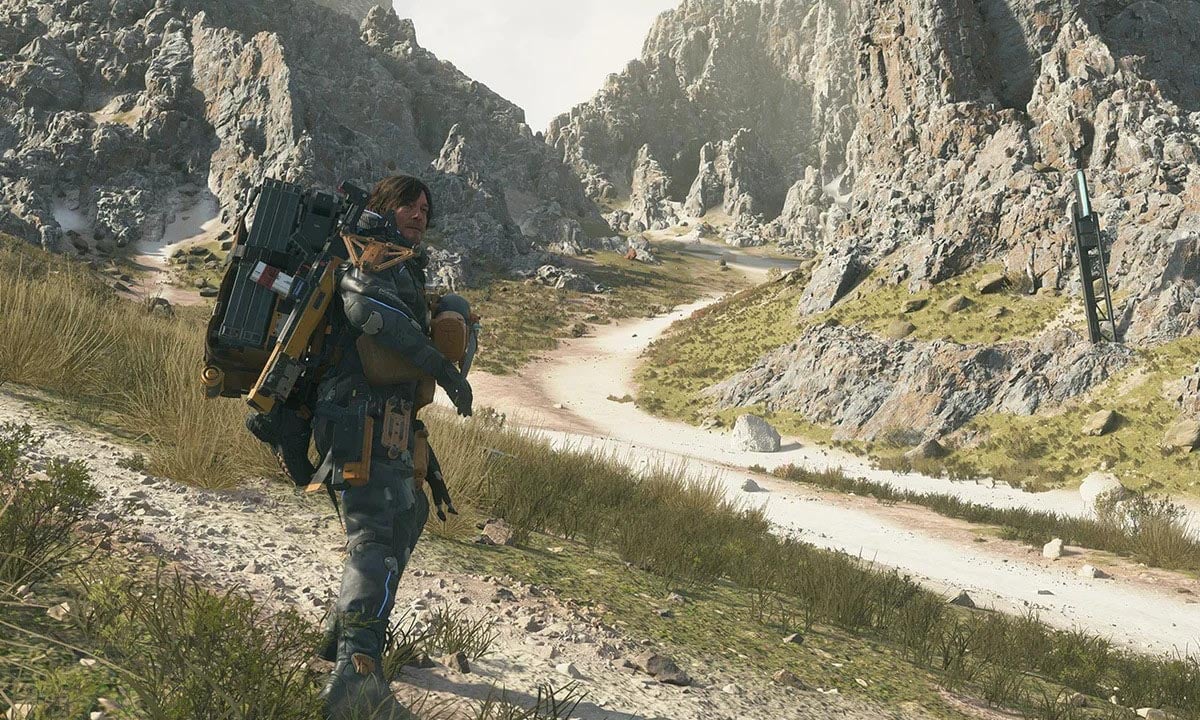
13. Death Stranding 2: On the Beach (Kojima Productions)
To Death Stranding 2’s mild detriment, there’s a greater focus on combat compared to its predecessor, but it otherwise doesn’t mess too much with the formula of the first game. Even with all of Kojima Hideo’s peculiarities and deficiencies as a storyteller on full display, the energy, heart, and soul of Death Stranding 2 are undeniable. It says much about his outlook on the world that so much of the game’s focus is on bringing together characters faced with inconceivably sad circumstances, and relishing, unashamed, in every simple, goofy moment they share to cheer each other up. If Kojima is trying to will anything into reality here, it’s hope. And he does it by having his characters repeat, time and again, that “death will not tear us apart.” We’ve never needed one of Kojima’s predictions to come true more than right now. Clark
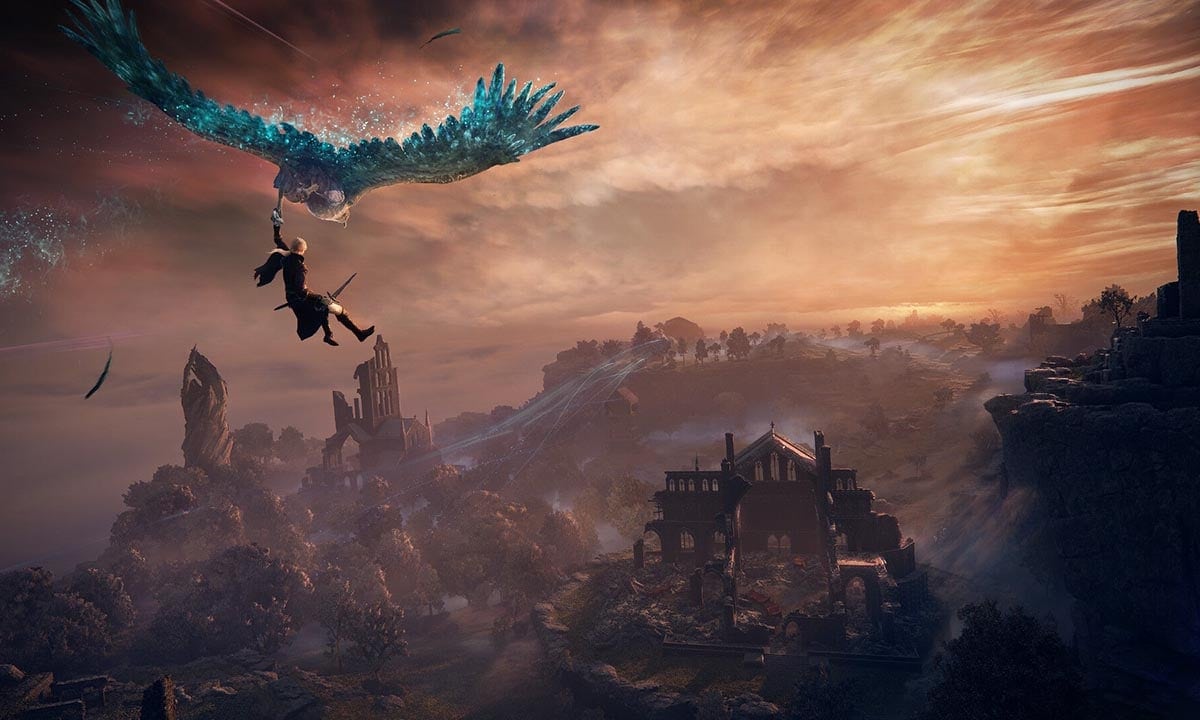
12. Elden Ring Nightreign (FromSoftware)
Elden Ring Nightreign is a thrilling roguelite riff on FromSoftware’s open-world masterpiece Elden Ring. A solid run lasts about 45 minutes: two days searching for equipment and supplies, two nights battling bosses, and a final, brutal confrontation with one of eight Night Lords. The game’s action jolts Elden Ring’s foundations with substantial kineticism; there’s the familiar rolling around, jumping, and hacking foes to pieces, but you run at blistering speed and nimbly vault over obstacles. Most exhilarating is the selective rejection of the laws of physics: No fall, no matter how severe, can hurt you. The result is a bracing freedom of movement. Sultan
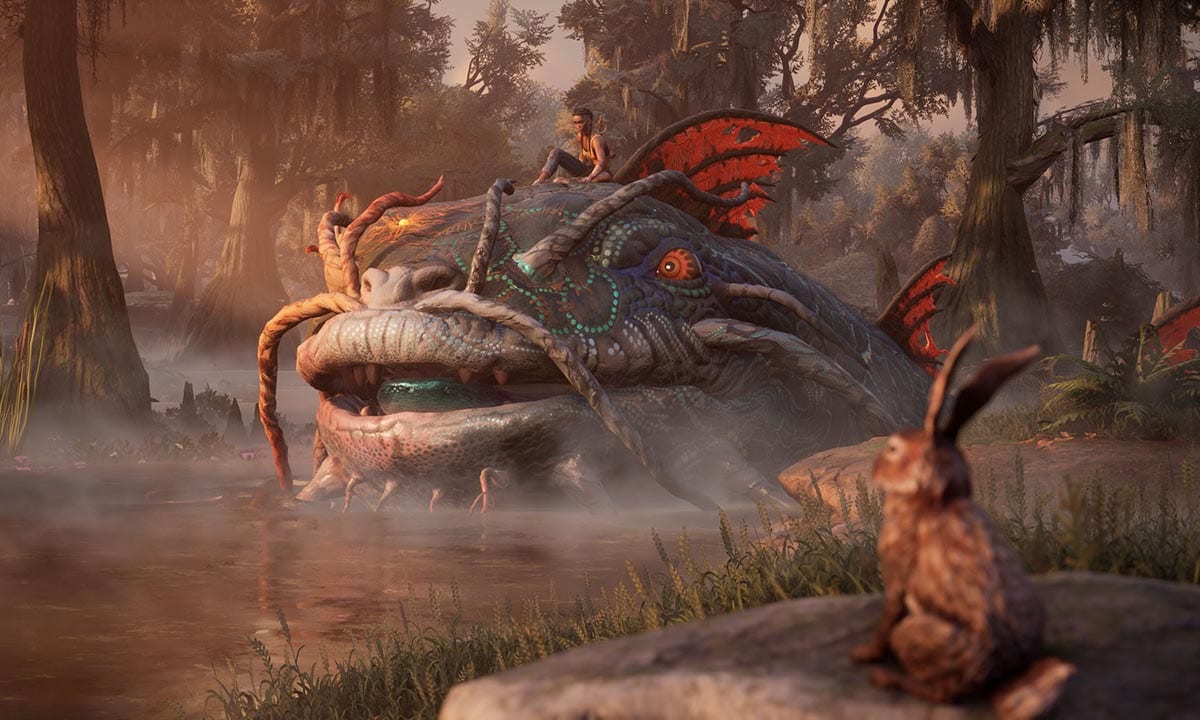
11. South of Midnight (Compulsion Games)
South of Midnight’s building of a verdant, dazzling cathedral in worship to empathy is a blessing. And it takes many forms here, from Hazel fostering camaraderie with a giant Cajun-accented catfish, to her trying to understand what drove her mother’s ex to run out on his family. Ultimately, the soul of the game is Hazel and her relationship with her mother’s calling as a social worker. The girl never quite knew how much of herself her mother gave to the people around her, how much she changed lives with the simplest of gestures. South of Midnight’s hero’s journey is ultimately an adventure in search of the reasons why those things are important, why we need communion and community, and more specifically how people of color have always built that sense of community when they needed it and always will. Clark
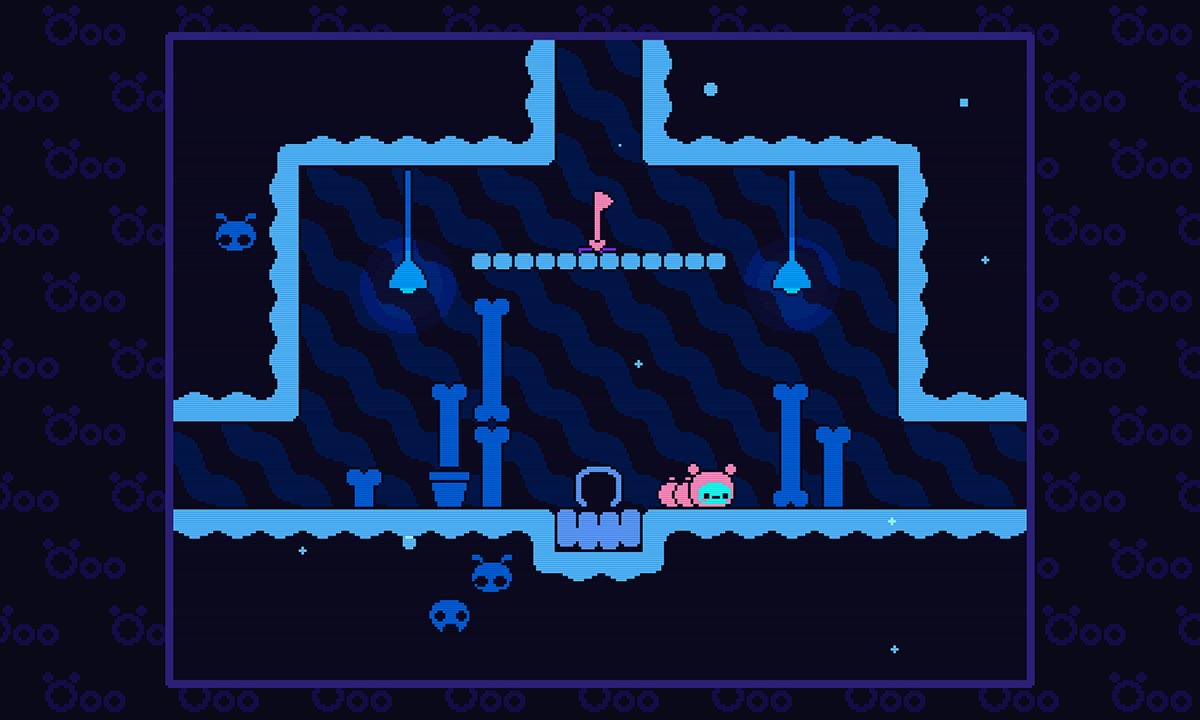
10. Öoo (Cicada Games)
Öoo begins with a caterpillar getting stuck in a hungry bird’s craw. Annoying as that may be for the bird, players will find this two-hour romp through innovative puzzles to be nothing short of wondrous as they’re tasked with discovering how to use the insect protagonist’s explosive, propulsive eggs to escape the bird’s labyrinthine innards. Those bombs are surprisingly versatile: You can use them to ping-pong around collectible flies (keys for the gatekeeping frogs) or balance them on your head to break ceiling blocks. The game also delightfully subverts our expectations of a Metroidvania-like experience. Öoo doesn’t place progress-granting power-ups at dead ends for you. Rather, the path to the dead end is itself what powers you up. That is, the dead end serves to confirm that you’ve learned enough to return to a path that once seemed impassible. In the process, you’ll see just how much is possible. Aaron Riccio

9. …And Roger (TearyHand Studio)
At first, …And Roger feels like it’s trolling you, turning even the act of typing in your name and starting the game into a maddening comedy of annoyance and confusion. The situation doesn’t get better when the game starts. Sofia wakes up one day to see her father replaced by a total stranger who’s holding her hostage and forces her to eat food that only exacerbates the numerous hallucinations she experiences. What sounds on paper like the plot of a Silent Hill game is actually far more mundane, if still horrifying. The confusion in the numerous minigames Sofia must play just to perform simple tasks is an effective gimmick, perfectly designed to bewilder without creating a legitimate challenge for the player. But …And Roger steadily lets you put the puzzle together on what’s actually happening, revealing the game’s true nature as one of the most simple and powerful stories of love and devotion ever told. Clark
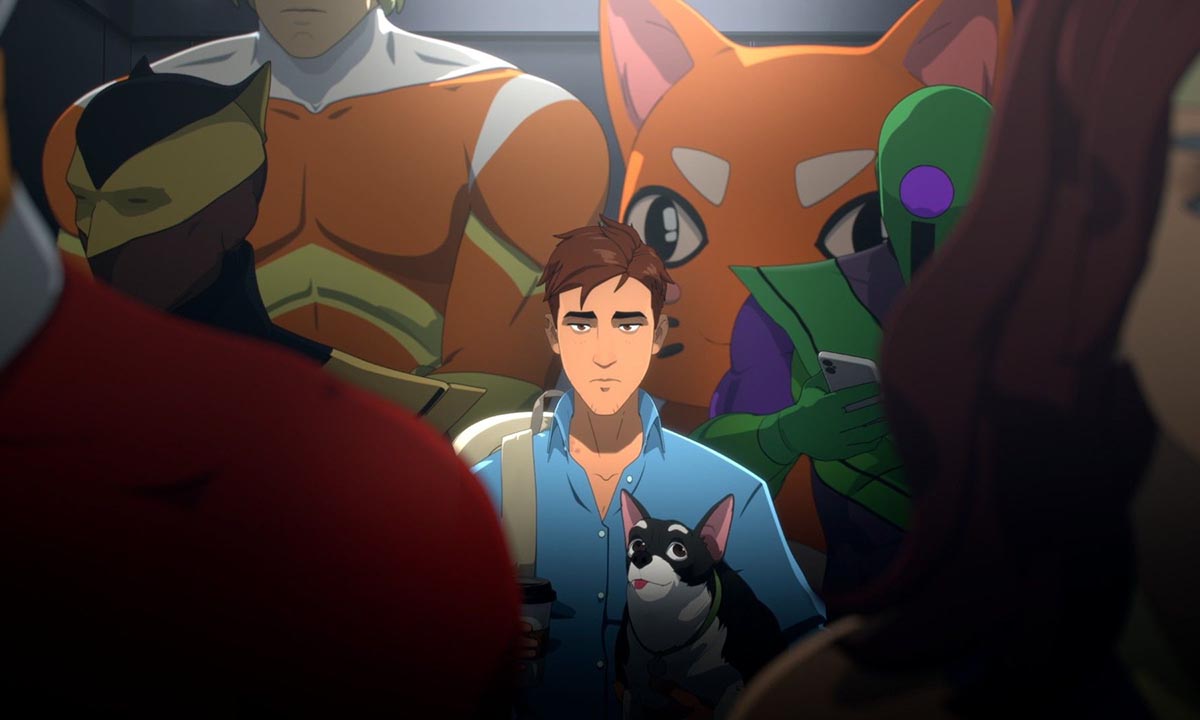
8. Dispatch (AdHoc Studio)
Heartfelt, witty, and mature, Dispatch channels the spirit of James Gunn’s superhero blockbusters, following a group of ex-villains striving for redemption under the reluctant leadership of Robert Robertson III (Aaron Paul, leading a remarkable cast). Once a hero in the Iron Man vein, Robert is sidelined after losing a devastating battle, forced to manage his eccentric team from behind a desk. Gameplay unfolds as a tense simulation reminiscent of Papers Please, where players assign missions to a roster of flawed but uniquely skilled characters in real time across each day, balancing time limits and crises. The constant chatter between teammates builds a dynamic narrative, with relationships evolving based on player choices. The stakes feel real in Dispatch, and the result is a game that blends strategy and character-driven drama into something both playful and poignant. Aston
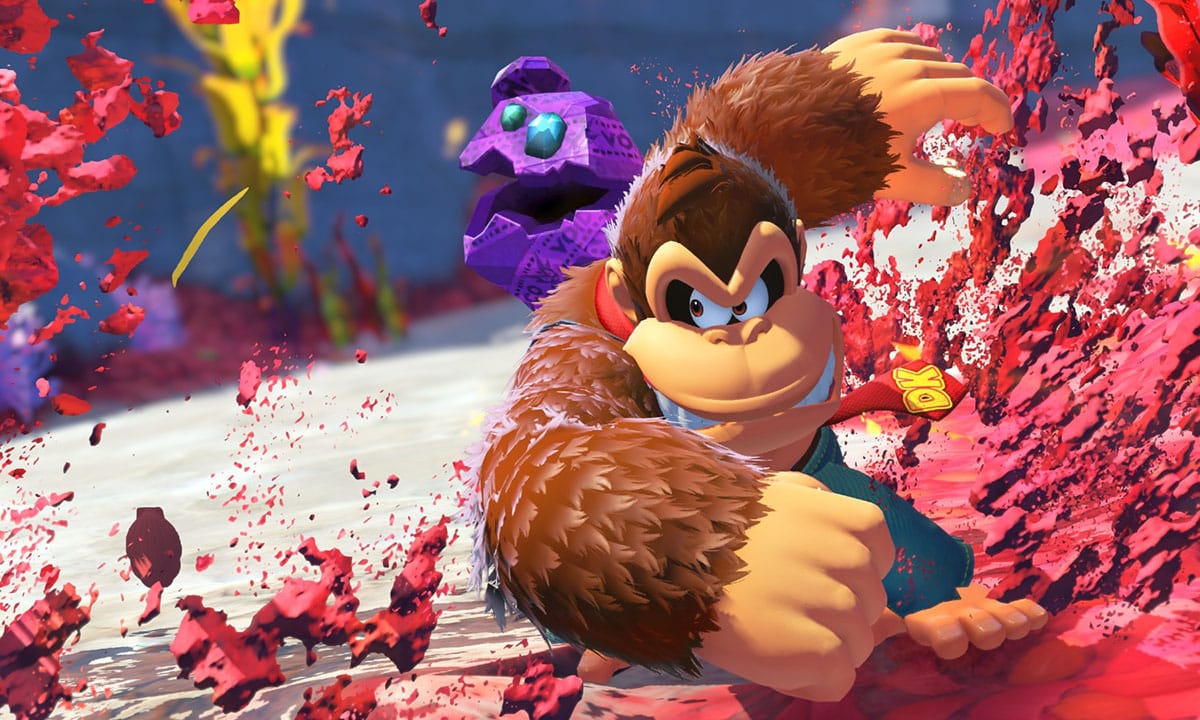
7. Donkey Kong Bananza (Nintendo)
Turns out, there’s a Hollow Earth situation happening in the depths of Donkey Kong’s world and his adventure across Donkey Kong Bananza will take him through over a dozen different biomes that are uniquely eye-catching. The game’s colorful landscapes are brimming with good humor and oddball enemies, and there isn’t a single square inch of them that doesn’t have something for you to unearth. If the game had been nothing but an endless search for golden bananas, it would be fun, if shallow. But Bananza has an ace up its sleeve in DK’s sidekick: a 13-year-old version of Pauline, the mayor of New Donk City, from Super Mario Odyssey. Pauline and DK’s growing friendship is the lifeblood of Bonanza—not just a reason to keep going, but a reason to slow down, enjoy the world, play around in it, and adore seeing its never-ending cavalcade of sights through the eyes of a kid who’s having the time of her life. Clark
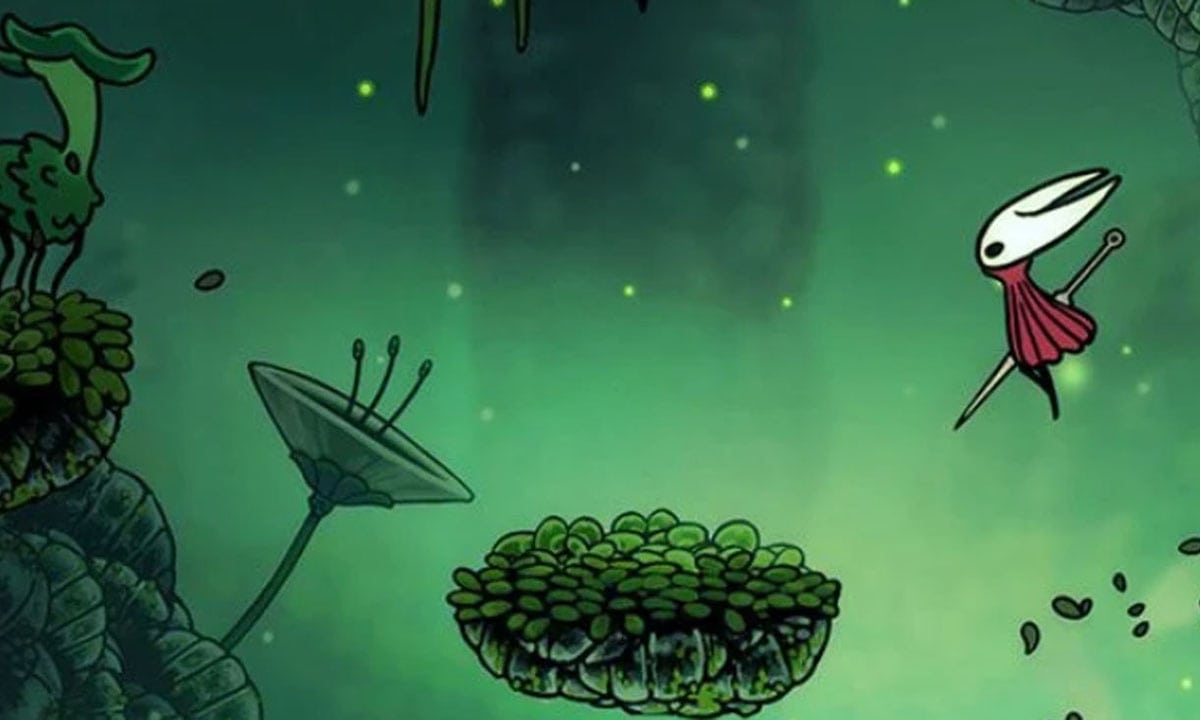
6. Hollow Knight: Silksong (Team Cherry)
Across Hollow Knight: Silksong, a work of vast, idiosyncratic personality, few outings from Pharloom’s beleaguered but cozy settlements lack for moments of giddy discovery. The landscape invites you to puzzle it out like a Rubik’s Cube, to examine it from different angles and experiment until its myriad facets click into place, revealing its secrets. Despite the relentless horrors of Pharloom, its people insist on hope. They risk their lives for each other, mourn their dead, and rebuild their communities. Even Hornet, who fashions herself a transactional cynic, gets swept up in the camaraderie and lets empathy lead her. Ushering her to and fro, you’ll find yourself seeking out side quests less for their prizes than for the possibility that at least one more bug might persist, and in the process seize some happiness. Sultan
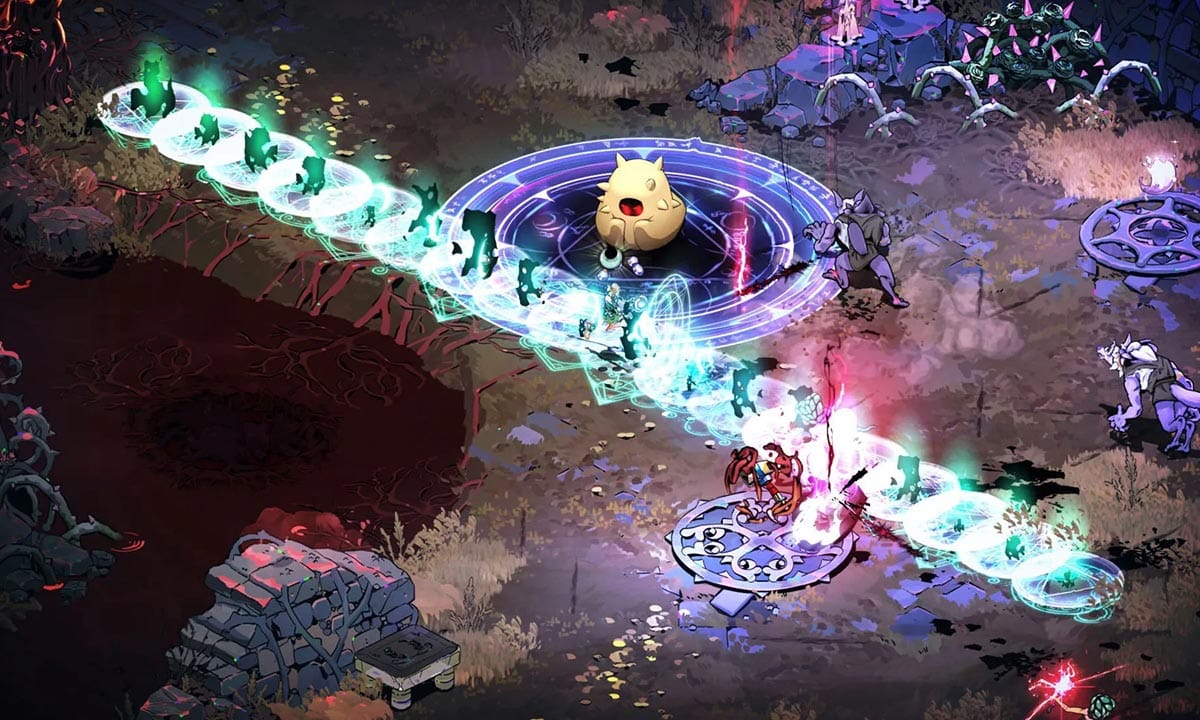
5. Hades II (Supergiant Games)
Time and death, death and time—Supergiant Games would have us shatter those shackles. In Hades, Zagreus, prince of the underworld, rebelled against his father, the lord of the dead. Now, in Hades II, another heir to hell’s throne sets her sights further up the family tree. The sequel sees the witch Melinoë, Zagreus’s deft and self-possessed sister, strive to kill their grandfather: Chronos, the titan of time, who’s conquered Hades and turned his forces on Olympus. Where roguelite design often feels tacked onto games, suggesting depth without doing much digging, Hades II’s use of the form compellingly evokes the oral tradition of Greek mythology. Each run—replete with delightfully varied boons from the gods, lyrical narration by Homer himself (voiced by the always transportive Logan Cunningham), and confrontations of both dramatic and mechanical intensity—becomes a fresh retelling of the legend of Melinoë. Sultan
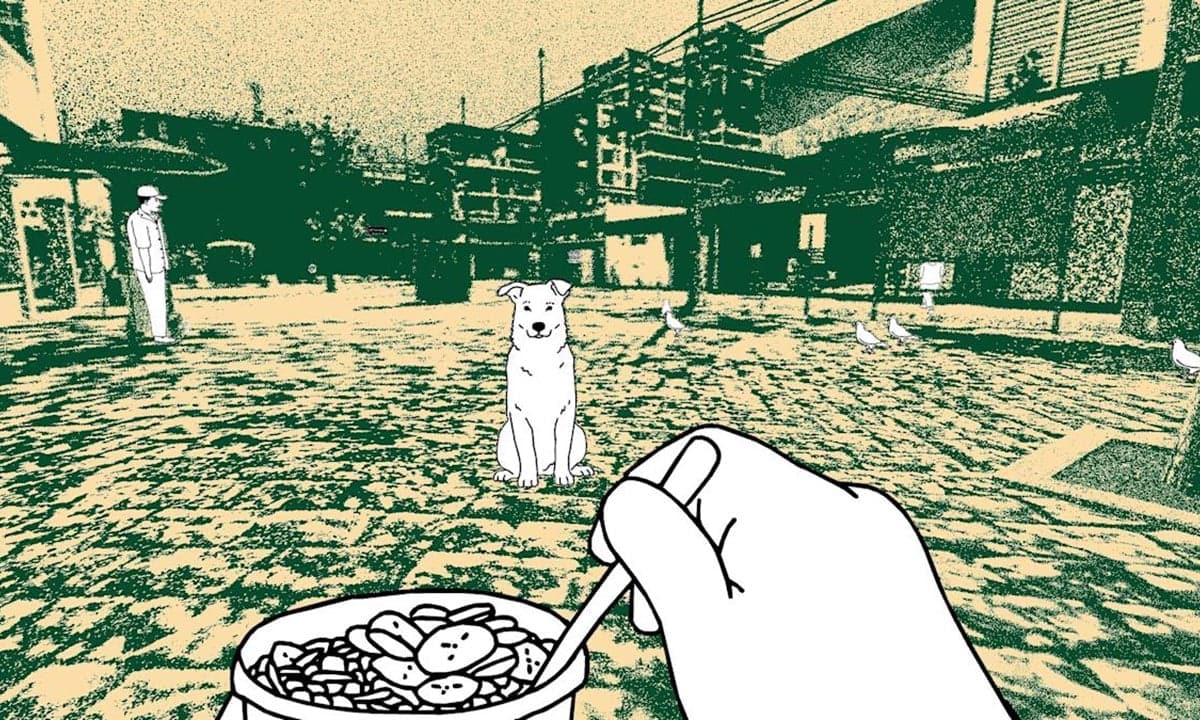
4. Despelote (Julián Cordero and Sebastian Valbuena)
In its suffusion of overlapping details and mechanics, Despelote creates a world that seems to exist independent of your input rather than, as in most games, ensuring its every bespoke crevice is vying for your attention. There are sights that you’ll miss, and there are conversations that you’ll only catch the end of. But that’s childhood, after all, which can make one feel left out and disenfranchised. A child’s time isn’t to be organized and optimized. To play Despelote is to move like a child who’s not yet certain of himself, unable to fine-tune his aim. You’re presumably capable of kicking the ball and hitting a bottle perched on a fence post, but it feels apt that you miss time and time again, until one of the other, better kids steps in to take the shot and does what you can’t. At which point, you keep at it, because the world goes on. Scaife
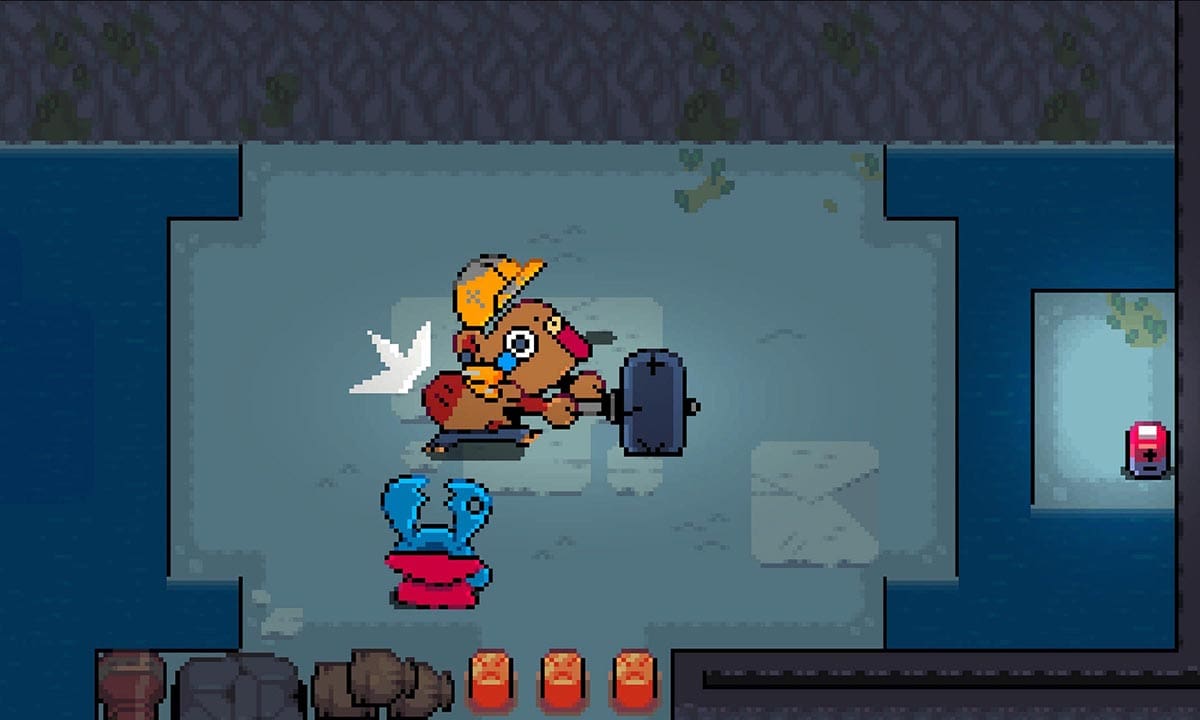
3. Pipistrello and the Cursed Yoyo (Pocket Trap)
From the moment in Pipistrello and the Cursed Yoyo where the young prodigal bat Pippit first arrives at his aunt’s spooky manor, every colorful, jam-packed screen adds to the character of the game’s corporate-run city. Every room also presents an interesting puzzle or battle, sometimes both, which is impressive given that there are hundreds of rooms. And just about every element of Pipistrello and the Cursed Yoyo serves to critique capitalism. Folks, Gordon Gekko had it wrong. It’s not greed that’s good, but the yoyo, which “clarifies, cuts through, and captures the essence of the evolutionary spirit.” And if those words sound as hyperbolic as they do in Wall Street, just wait until you get your hands on Pipistrello and the Cursed Yoyo and see how gloriously right this weird, wonderful yoyo-centric adventure is. Riccio
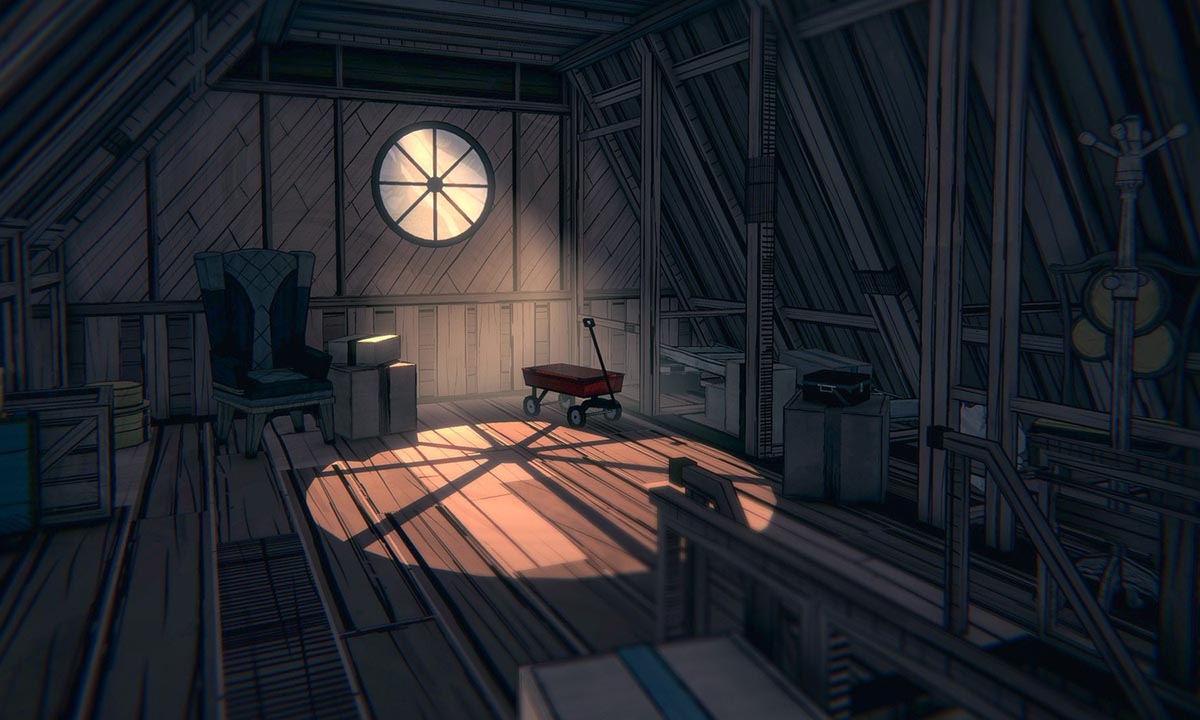
2. Blue Prince (Dogubomb)
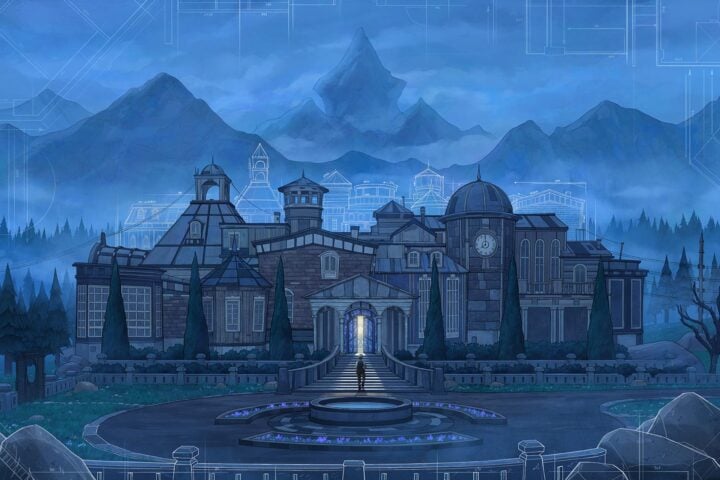
The layers to Blue Prince’s roguelite design are what keep the game so captivating, with each new discovery giving you a new context in which to view previous areas. This brilliant first-person architectural puzzler’s architecture doesn’t just offer multiple routes through the house or multiple hints to its puzzles. It also provides multiple objectives, each one equally satisfying. Perhaps the highest praise that can be bestowed upon Blue Prince, and a validation of the near-decade that Tonda Ros has spent working on it, is the way in which the game successfully inspires players to follow the advice of the protagonist’s great-uncle: “Abandon the path and go where you want it to lead.” In the end, that’s not the elusive Room 46, but rather deeper into a game that you will want to make your new home, or at least a full-on obsession. Riccio
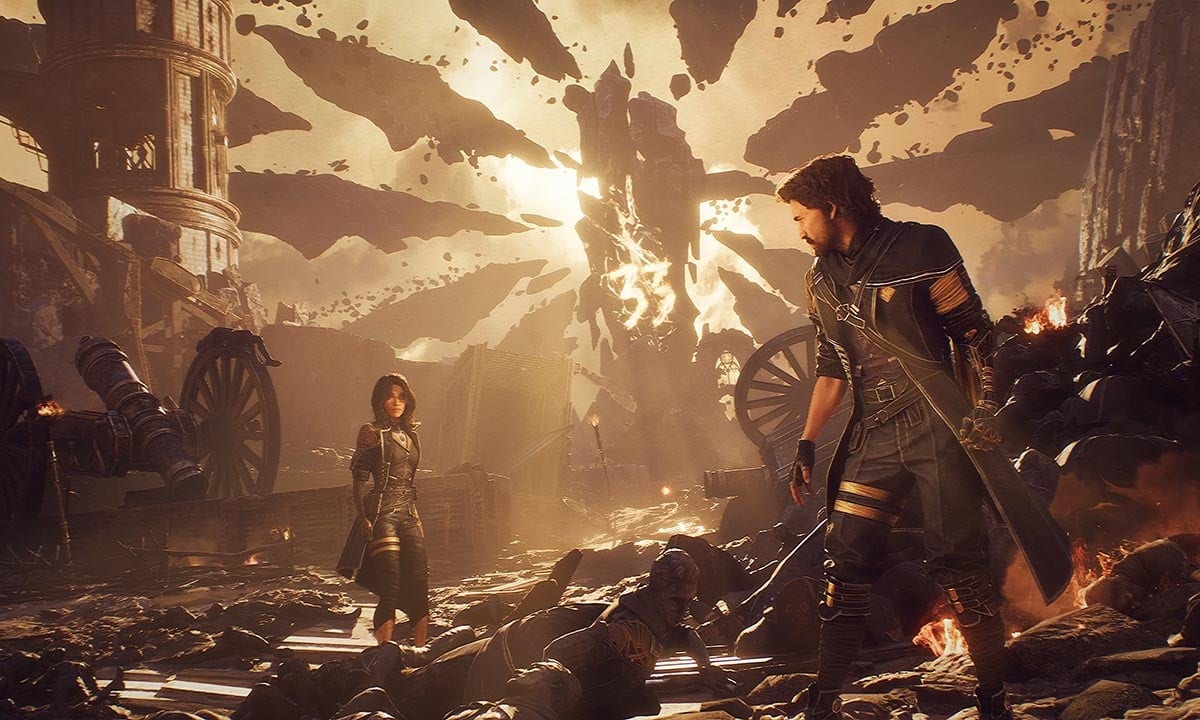
1. Clair Obscur: Expedition 33 (Sandfall Interactive)
Desperation, regret, and sadness are all woven into Clair Obscur: Expedition 33, but so is the defiant joy that drags the characters kicking and screaming away from the nihilism lurking around every corner. During battles, something occurs that sums up the whole game. At the end of a fight, once you’ve earned your XP and currency and such, the words “We Continue,” a short paraphrase of a mantra our heroes cling onto like grim death throughout their journey, ushers you out of combat. Even in the Dadaist dreamscape that they find themselves in, this crew of survivors still create new bonds, indulge their curiosities, and give voice to their pains. This is what it means for them to continue—that life, and this game by proxy, will continue to present the unexpected, and that it very much is worth enduring to experience it. Clark
Our Runners-Up
Bionic Bay (Psychoflow Studio and Mureena Oy), Constance (btf), Ghost of Yōtei (Sucker Punch), Kirby Air Riders (Bandai Namco Studios and Sora Ltd.), Lab Rat (Chump Squad), Like a Dragon: Pirate Yakuza in Hawaii (Ryu Ga Gotoku Studio), Mario Kart World (Nintendo), Monster Hunter Wilds (Capcom), Monster Train 2 (Shiny Shoe), Rift of the NecroDancer (Brace Yourself Games and Tic Toc Games), Silent Hill f (NeoBards Entertainment), Split Fiction (Hazelight Studios), The Stone of Madness (The Game Kitchen), Strange Jigsaws (FLEB), Tainted Grail: The Fall of Avalon (Questline)
Individual Ballots
Ryan Aston
1. …And Roger
2. Dispatch
3. Pipistrello and the Cursed Yoyo
4. Hell Is Us
5. Silent Hill ƒ
6. South of Midnight
7. Despelote
8. Elden Ring Nightreign
9. Hades II
10. Blue Prince
Justin Clark
1. Clair Obscur: Expedition 33
2. South of Midnight
3. Death Stranding 2: On the Beach
4. Ghost of Yōtei
5. Lumines Arise
6. Donkey Kong Bananza
7. Final Fantasy Tactics: The Ivalice Chronicles
8. …And Roger
9. Hades II
10. Dispatch
Mitchell Demorest
1. Hollow Knight Silksong
2. Blue Prince
3. Citizen Sleeper 2: Starward Vector
4. Donkey Kong Bananza
5. Hades II
6. Clair Obscur: Expedition 33
7. Kirby Air Riders
8. Peak
9. Monster Hunter Wilds
10. Shinobi: Art of Vengeance
Aaron Riccio
1. Pipistrello and the Cursed Yoyo
2. Clair Obscur: Expedition 33
3. Blue Prince
4. Öoo
5. Despelote
6. Lab Rat
7. Strange Jigsaws
8. Donkey Kong Bananza
9. Constance
10. Hollow Knight: Silksong
Niv M. Sultan
1. Clair Obscur: Expedition 33
2. Hades II
3. Final Fantasy Tactics: The Ivalice Chronicles
4. Elden Ring: Nightreign
5. Hollow Knight: Silksong
6. The First Berserker: Khazan
7. Absolum
8. Ninja Gaiden Ragebound
9. Monster Train 2
10. Tainted Grail: The Fall of Avalon
Steven Scaife
1. Despelote
2. Blue Prince
3. Pipistrello and the Cursed Yoyo
4. Ball x Pit
5. Ninja Gaiden: Ragebound
6. Skin Deep
7. Clair Obscur: Expedition 33
8. To a T
9. Öoo
10. Citizen Sleeper 2: Starward Vector
Since 2001, we've brought you uncompromising, candid takes on the world of film, music, television, video games, theater, and more. Independently owned and operated publications like Slant have been hit hard in recent years, but we’re committed to keeping our content free and accessible—meaning no paywalls or fees.
If you like what we do, please consider subscribing to our Patreon or making a donation.