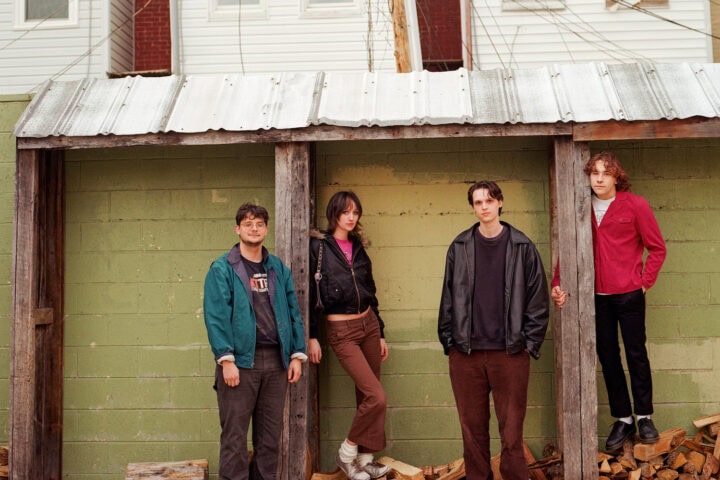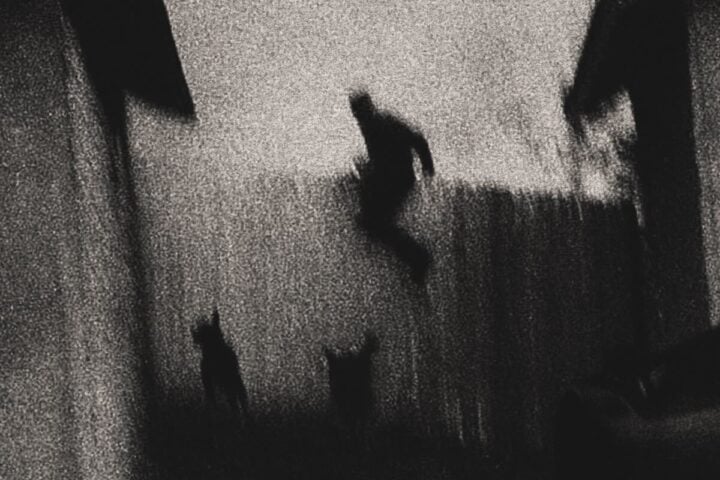
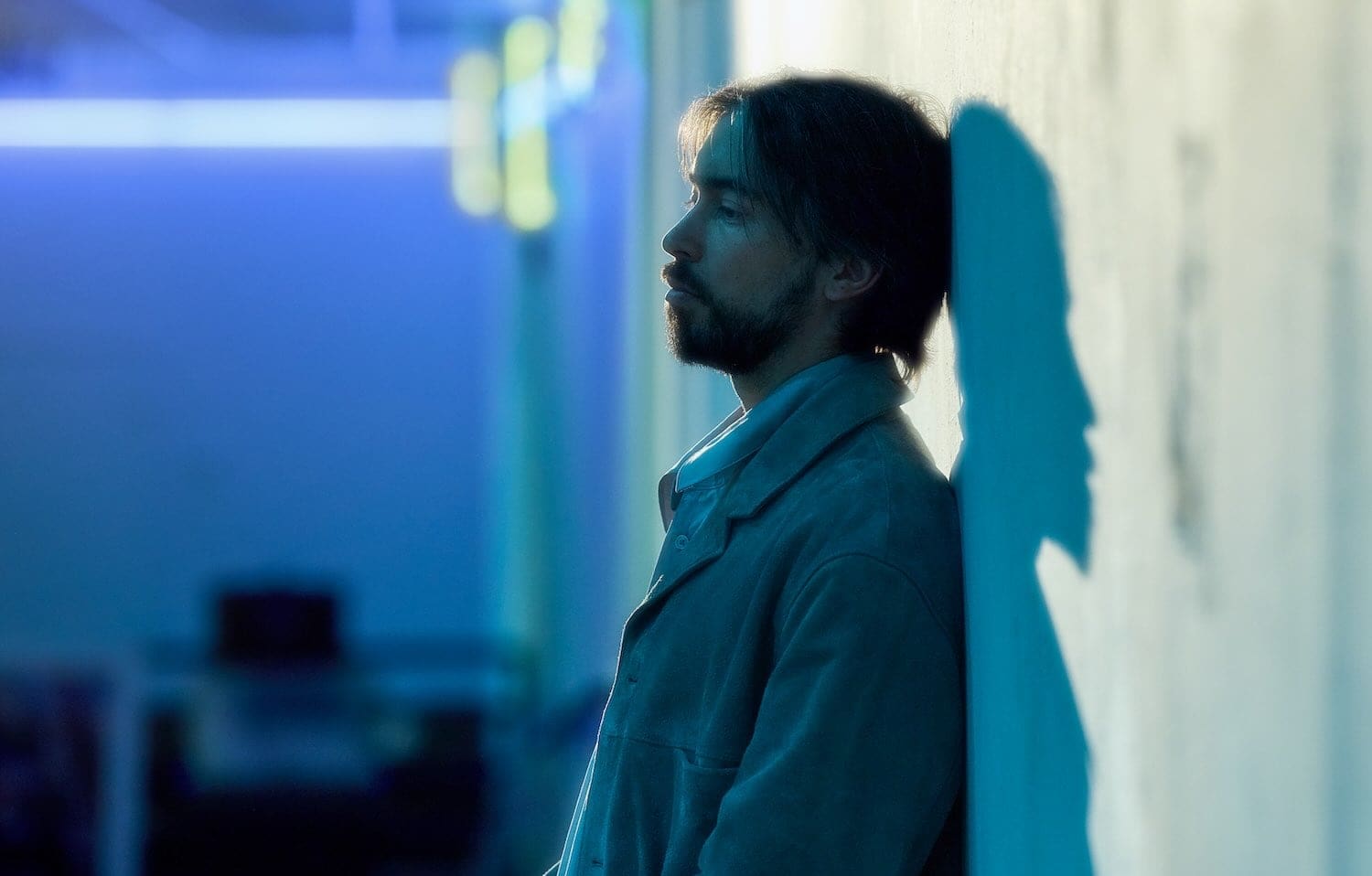
For some, the mere thought of being seen is like standing alone on a dark road as a car’s bright lights lock onto you. Will the person in the car notice you in time or will they strike you? A similar tension jolts through Alex G’s 10th studio album—and major label debut—Headlights. It doesn’t shy away from the glare, but rather steps into it.
Naturally, there’s a question of whether a bigger platform might sand away the lo-fi scuzz and elusive storytelling that made Alex a cult figure. The gorgeous but strange Headlights, though, resists that flattening at every turn. Alex keeps the curtains open just enough to let us observe the weirdness that still dwells within. He lets the light cast across the mess—the cracks in the drywall, the splintering wooden floor, and uneven paint—not out of reluctance, but with the quiet confidence of someone who knows being unashamedly himself is enough.
Though his music has evolved over the years—a slow unfurling from lo-fi mutterings to widescreen Americana surrealism—Headlights still sounds like Alex G. Each song feels like a reintroduction to the strange emotional language he’s always spoken—sometimes whispered, sometimes scrambled beyond sense. His delivery doesn’t clarify so much as conceal, slipping between soft-spoken sincerity and cryptic detachment.
Alex does this through images that are both mundane and mythical, intimate and uncanny. Some flicker with the warmth of an old VHS tape, like on “Beam Me Up,” a strange, sci-fi-tinged vision of Americana where rabbits run toward death and rockets and footballs are launched into the sky. Elsewhere, the techno prayer “Bounce Boy” glows with Auto-Tuned sorrow—grief and heartbreak disguised as a hook: “No one replaces/My heart in braces.”
The gothic, ghostly imagery of “Louisiana”—painted M16s, buried bodies, bullets in a box—evokes lost love, grief, and violence like a half-remembered memory. The meaning behind these images, and the songs they inhabit, is quite difficult to pin down, but that ambiguity is an invitation to sit with them and resist looking for easy meaning.
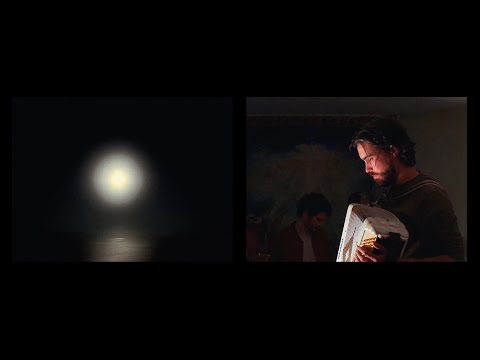
And so, as the dust settles, moments emerge where Alex himself comes across unrecognizable. His vocals flutter in a fragile, childlike register on “Far and Wide,” reminiscent of Daniel Johnston. “I’m all in pieces,” he sings with unassuming joy, like it’s nothing and everything all at once. “I’ve searched far and wide/For a place like this/Now I can close my eyes,” he continues, admitting that being shattered isn’t the end, but a turn toward simplicity. The “pieces”—butterflies, boats, and falling stars—aren’t just stray images, but emotional artifacts.
Headlights, though, doesn’t exist in a vacuum. It echoes with the influences that likely shaped Alex G. The brooding crawl of “Louisiana,” with its slow-motion menace and distortion-frayed pleading, suggests Weezer’s “Undone – The Sweater Song,” while “Spinning” unfurls like an Elliott Smith demo, only a tick more urgent, as Alex’s desperation curls inward line by line.
Elsewhere, the patient, fingerpicked reflection of “June Guitar” might trick your ear into hearing Tracy Chapman’s “Fast Car,” while the dust-kissed shimmer of “Oranges” feels lit by the same sunset that warmed Neil Young’s Harvest. These aren’t overt homages so much as passing glances filtered through Alex’s own strange, instinctual lens.
Alex has allowed himself to remain weird but unguarded. That’s the quiet miracle of this record. There’s no pageantry, no panic about being anything other than himself—just a slow, at times wayward shaping of sound and emotion into something that could only come from one artist.
And when we reach the album’s penultimate track—the bittersweet “Is It Still You in There?,” which wouldn’t at all feel out of place in a Charlie Brown special—its titular question lands with force. After the label deal, the scale shift, the bright lights washing over everything, what’s left? Headlights, in all its charming, disparate pieces, answers: “Here I am. Yes, it’s still me.”
Since 2001, we've brought you uncompromising, candid takes on the world of film, music, television, video games, theater, and more. Independently owned and operated publications like Slant have been hit hard in recent years, but we’re committed to keeping our content free and accessible—meaning no paywalls or fees.
If you like what we do, please consider subscribing to our Patreon or making a donation.