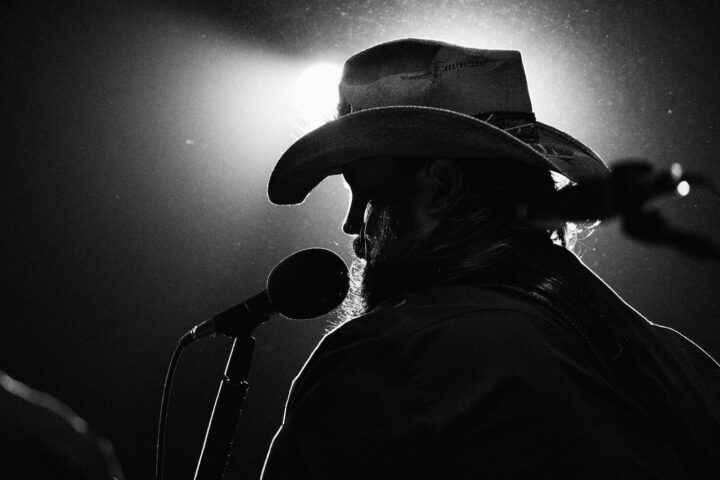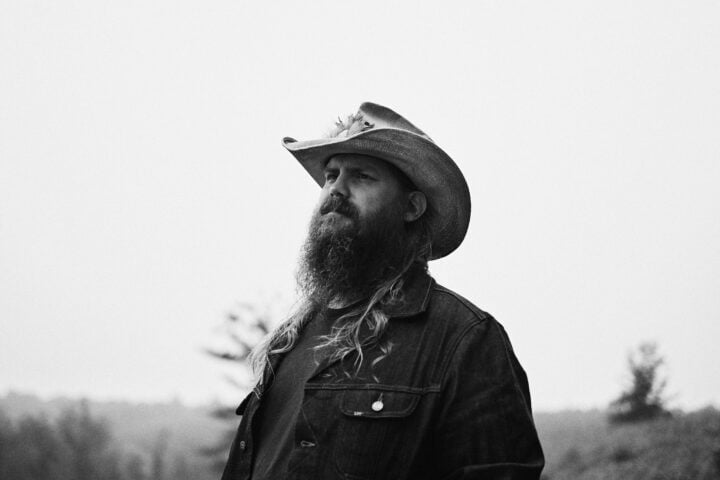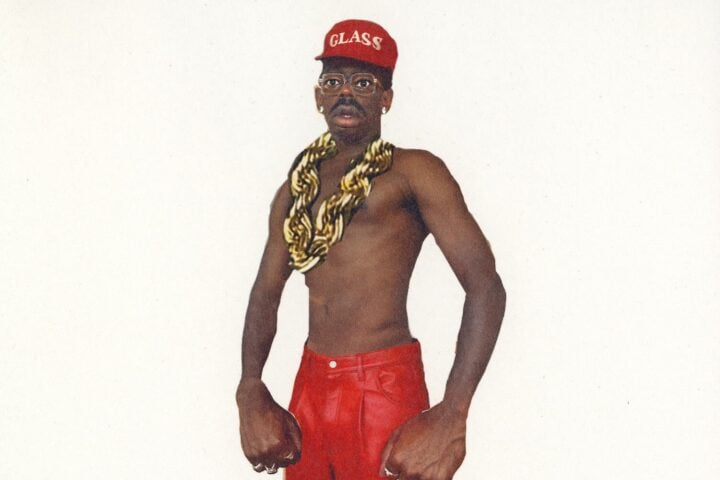

Tyler Childers’s seventh studio album, Snipe Hunter, homes in on a set of seemingly disparate topics—religion and our relationship to nature—alongside more personal issues like the singer’s alcoholism and life as a musician. Often tuneful, sometimes plaintive, these 13 songs are as electrifying and affecting as they are profound.
Snipe Hunter’s most persistent theme is the supposed dominance of humans over nature. On the album’s opening track, “Eatin’ Big Time,” Childers’s voice, sounding almost enraged, is at odds with his words as he describes shooting and carving up livestock and the domestic comforts that separate him from the animals. The contrast between the vocal delivery and the lyrics suggests an ambivalence about the narrator’s impact on the world.
Later, “Watch Out” positions nature as a mystery to be managed with the help of family and friends, while “Down Under” uses it as a metaphor for the darkness in the human psyche. Connecting the theme to varied experiences, Childers uses these songs to position his relationship to nature as evocative of the human condition.
Closely observed details flesh out Snipe Hunter’s overarching worldview. On “Nose on the Grindstone,” Childers works his voice into a howl as he sings about the ethics instilled by his working-class upbringing. This is contrasted two tracks earlier on “Getting to the Bottom,” which finds the singer reflecting on his former drinking buddies and conveys the rawness of addiction when he sings, “Prepare to be peeled open just as easy as deserved.”
Blues-rock songs like “Eatin’ Big Time” and “Snipe Hunt,” and the honkytonk “Bitin’ List”—a raucous kiss off to the singer’s enemies—imbue the proceedings with an angsty edge. These songs are also irresistibly catchy, and even the ones whose melodies don’t get lodged in your head will at least plant an illuminating turn of phrase or haunting image.
Snipe Hunter’s most overtly philosophical song, “Tirtha Yatra” eulogizes Hinduism with a playful confidence. The perspectives portrayed throughout the album shape its philosophy: that ideals and ways of life can change in response to one’s developing understanding of the world.
More delicate and mournful, “Tom Cat and a Dandy” finds its balladry underpinned by a choir singing Hare Krishnas, as Childers waxes nostalgic about his younger days and imagines his own death. Coming at the end of the album, the rather simple song is positioned as a solemn response to the album’s overarching message that we’re all subject to the passage of time.
Childers switches things up one last time as “Dirty Ought Trill,” the album’s closing track, tempers any sense of finality and resists a simplistic emotional narrative. By synthesizing a variety of sounds and themes into an unshakeable whole, Snipe Hunter is the rare album that is both an aesthetic and a thrillingly profound philosophical statement.
Since 2001, we've brought you uncompromising, candid takes on the world of film, music, television, video games, theater, and more. Independently owned and operated publications like Slant have been hit hard in recent years, but we’re committed to keeping our content free and accessible—meaning no paywalls or fees.
If you like what we do, please consider subscribing to our Patreon or making a donation.