In James McTeigue’s V for Vendetta, Hugo Weaving’s V presciently intones that blowing up a building can change the world. Natalie Portman’s Evey counters that every time the world has changed, it’s been for the worse. With Pluribus, Vince Gilligan has found a way to explore the unfathomable price humanity would need to pay for peace and stability, and as the world of the series changes, how much it’s for the worse depends on where you’re standing.
A cosmic event occurs here that immediately brings peace, love, and understanding to the human race. Of course, Gilligan and his writers find a way to make world peace feel unnerving, from the lead up to the big event—which evokes the likes of The Andromeda Strain and Invasion of the Body Snatchers—to the escalating logistical horrors that result.
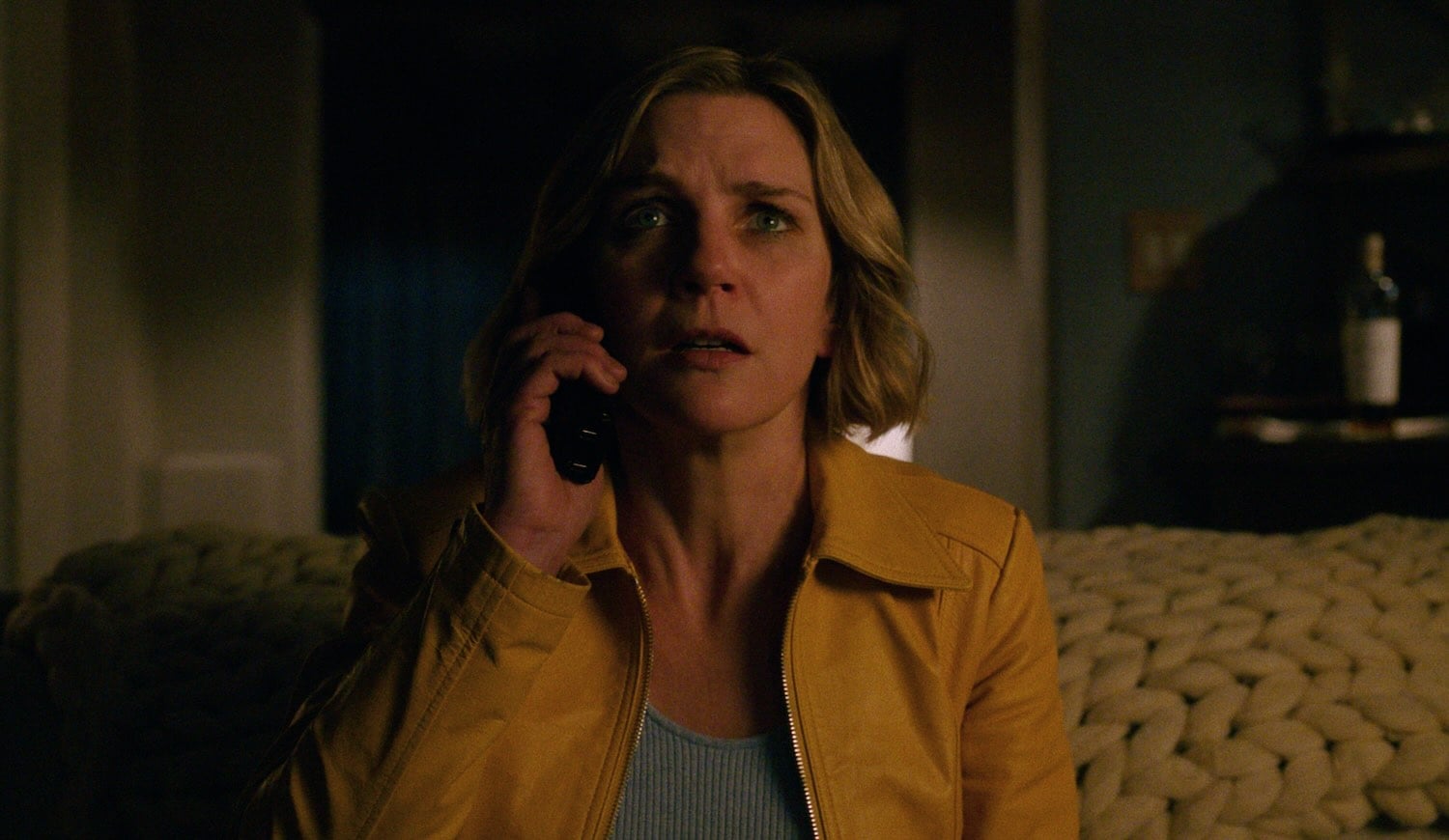
The bulk of the series focuses on a historical romance author named Carol (Rhea Seehorn), who was angry, bitter, and disgusted with humanity way before people got shiny and happy. When the cosmic event completely upends Carol’s staid, anhedonic existence, she finds herself the last living soul on Earth longing for a return to the status quo.
There are plenty of allegorical interpretations to be placed on Pluribus, whose dominant theme is the tension between individualism versus collectivism. Gilligan’s knack for making visually dynamic poetry out of the mundane is evident in several moments where it feels like humanity has finally succumbed to A.I. and automation. That would certainly justify Carol’s instant revulsion and venomous hostility at what the world has become.
Pluribus isn’t shy about showing us just how much Carol is almost religiously devoted to being an asshole, in ways that are occasionally hard to watch. There’s a very easy read of the series in which Carol represents Americans who would rather set the planet on fire than share what they have with anyone else, but it goes much deeper and weirder, exploring the tug of war between imperfect socialism and pure nihilism. The series doesn’t take a stance on whether one is better than the other, but it serves as a warning for how utterly lonely the latter can be.
This is a series about what happens when human empathy is stretched to its limit.
Pluribus seems to suggest that progress that moves too fast will ultimately break things, and waiting to see where and how it breaks makes for some exceptionally compelling storytelling.
Since 2001, we've brought you uncompromising, candid takes on the world of film, music, television, video games, theater, and more. Independently owned and operated publications like Slant have been hit hard in recent years, but we’re committed to keeping our content free and accessible—meaning no paywalls or fees.
If you like what we do, please consider subscribing to our Patreon or making a donation.