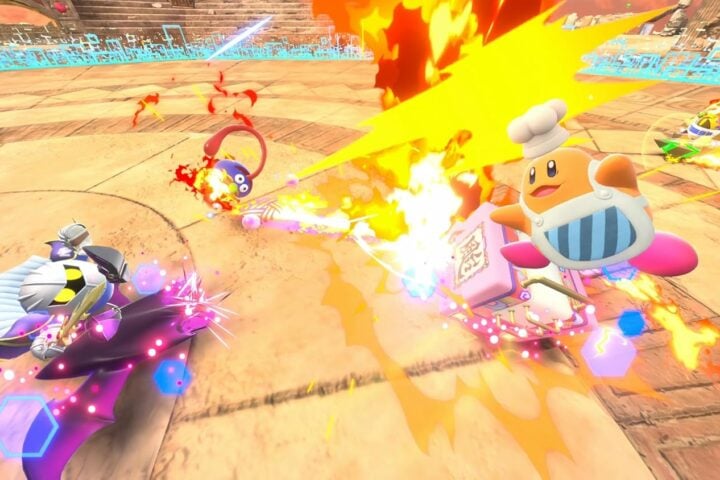
Don’t fall into the trap of thinking the game is easy just because it features Kirby.


Mitchell Demorest has written for The Indie Game Website and Uppercut.
Don’t fall into the trap of thinking the game is easy just because it features Kirby.
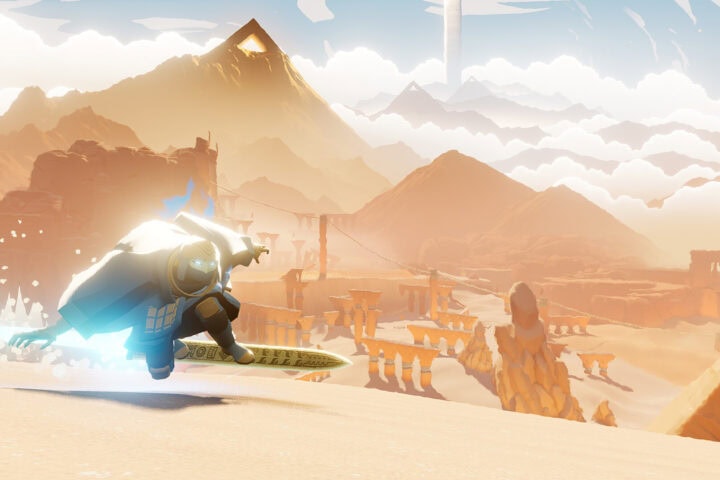
Somewhat unintuitively, Sword of the Sea doesn’t really play like a skateboarding game.
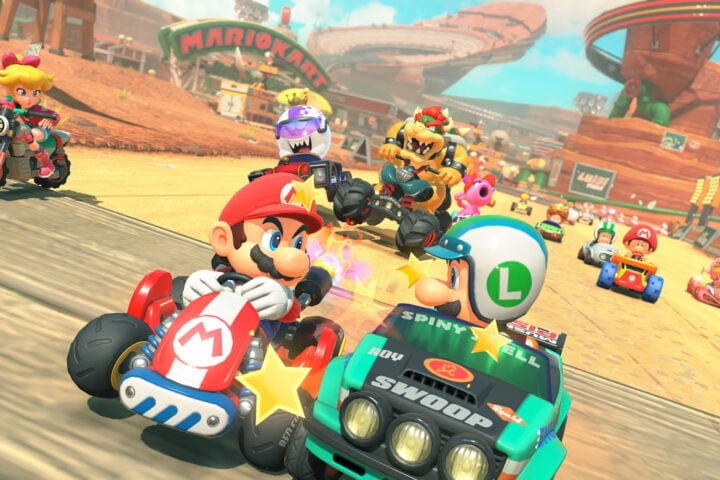
Perhaps the best showcase of the Switch 2’s tech can be felt in the game’s nuanced physics.
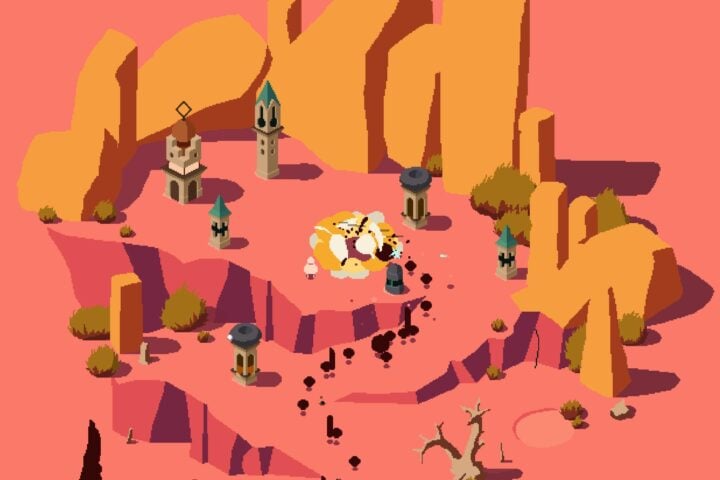
The game offers ample opportunity for delightful trial-and-error experimentation.
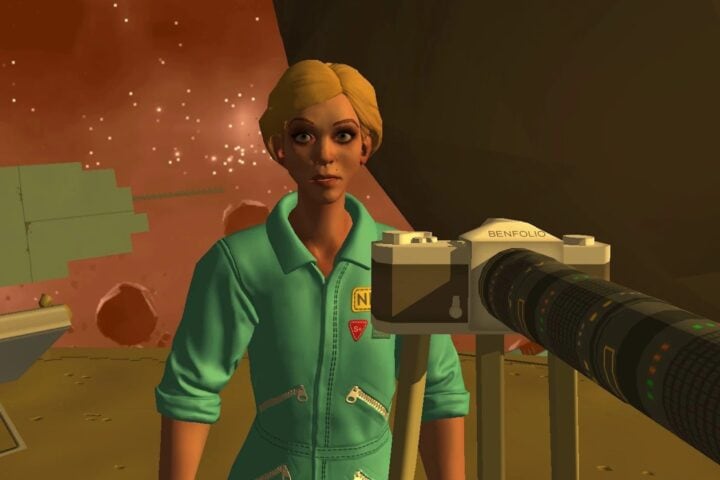
The game’s world is silly and impressively congruent, but its stages want for more variety.
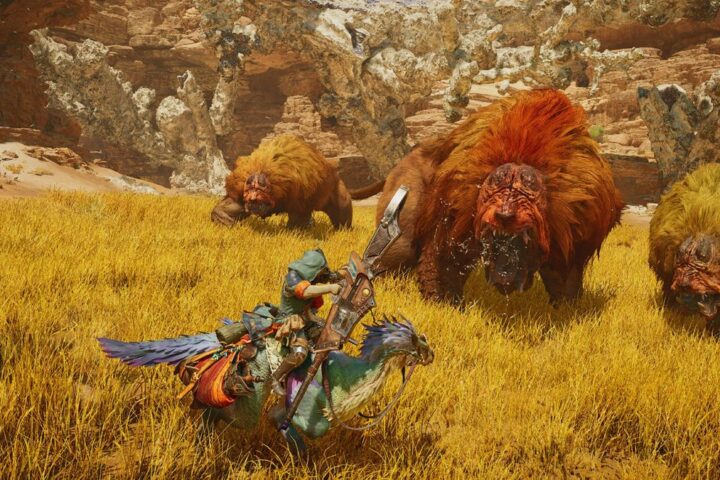
The game is a major achievement, but its story-heavy campaign puts a damper on things.
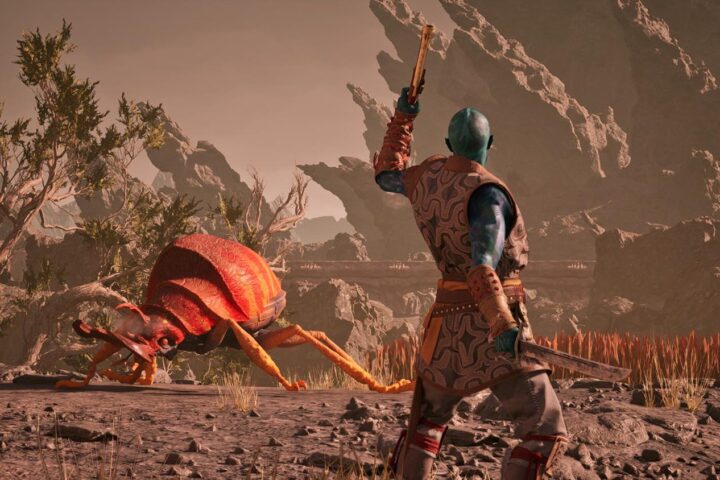
The game settles for something contained yet distilled, and it’s more potent as a result.
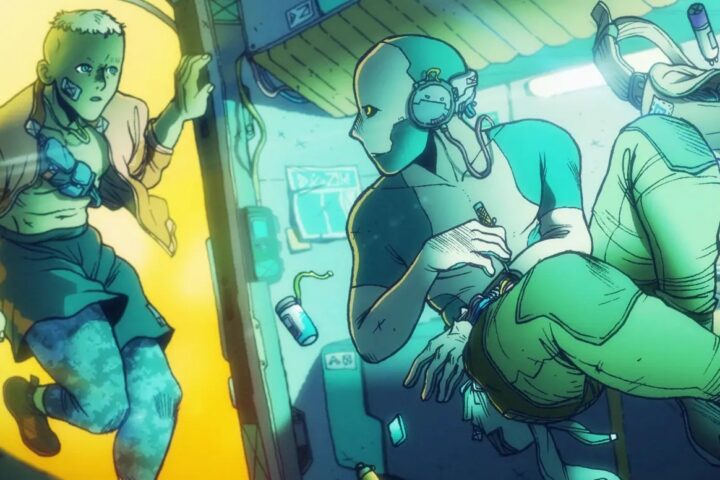
The political elements of Jump Over the Age’s sequel leave us with plenty to chew on.
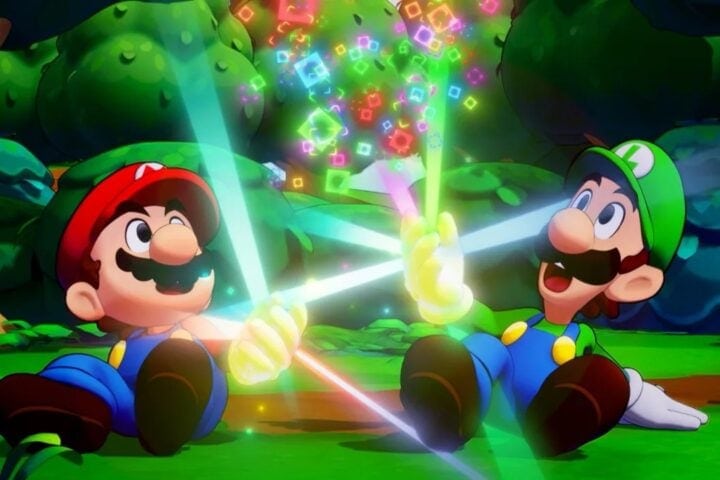
In general, the game has far too much cruft.

The visuals in Neva are consistently great, maybe the most arresting of the year.

The otherworldly nature of the game’s story is heightened by its striking visuals.
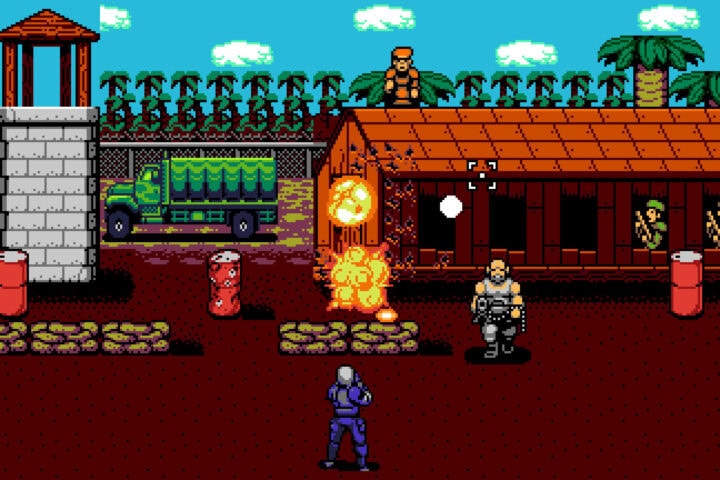
The games here are by and large as fun to play as they are interesting conceptually.
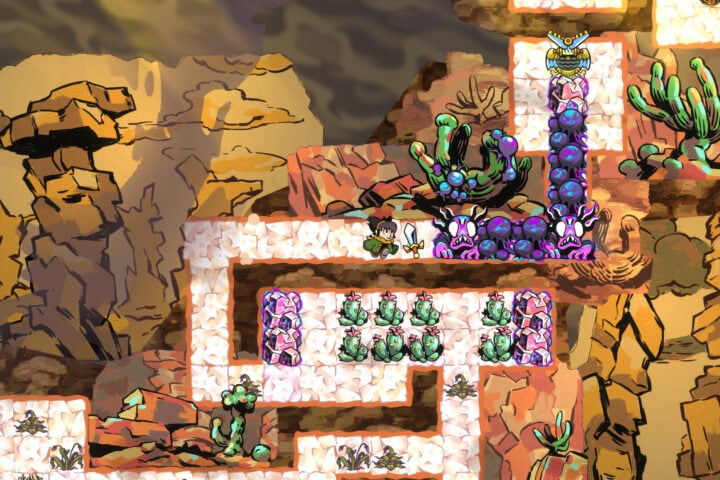
The difficulty curve consistently escalates in challenge while remaining remarkably well-tuned.
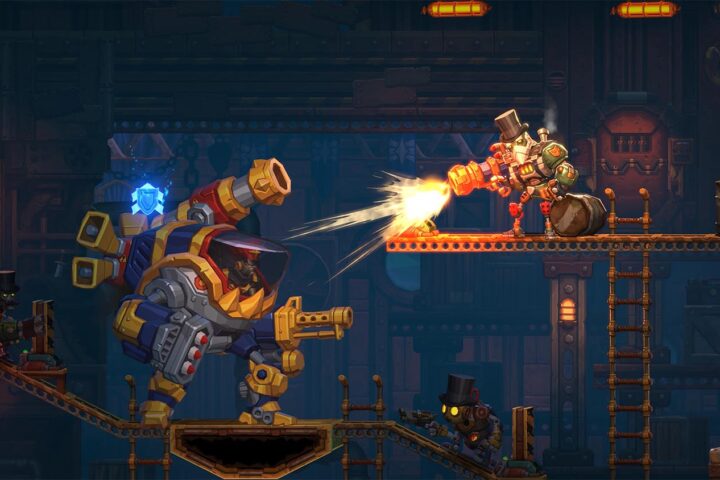
Like the first SteamWorld Heist, only more so, this is an eminently playable game.
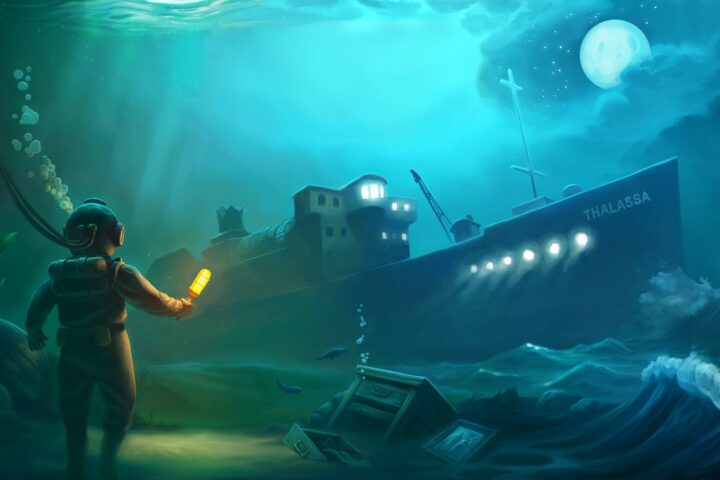
At its best, Thalassa finds ways to create a dense, almost oppressive mood.
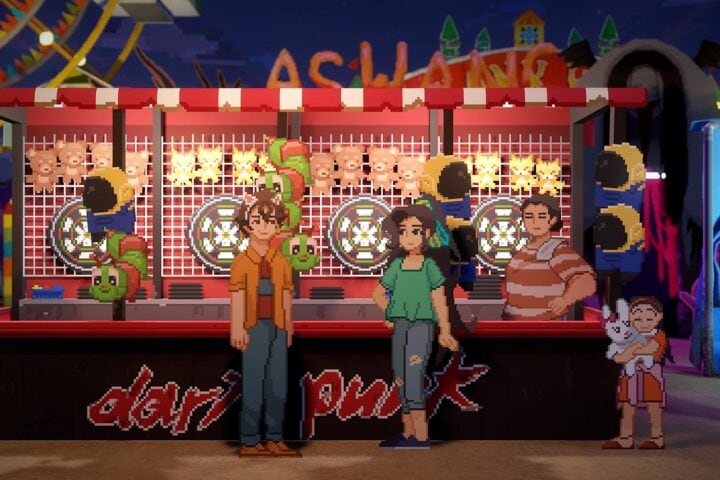
The game’s focus on young love is uncommonly believable and touching.
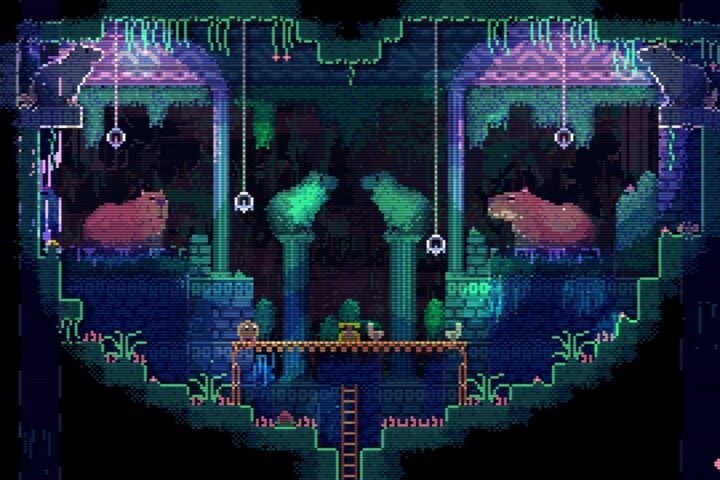
If exploration was always easy, then discovery wouldn’t be nearly as exciting.
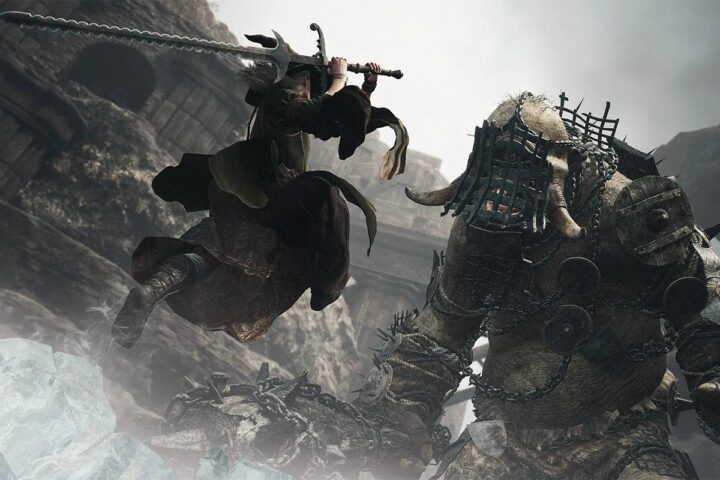
Dragon’s Dogma 2 is all barely contained chaos and frantic reaction.
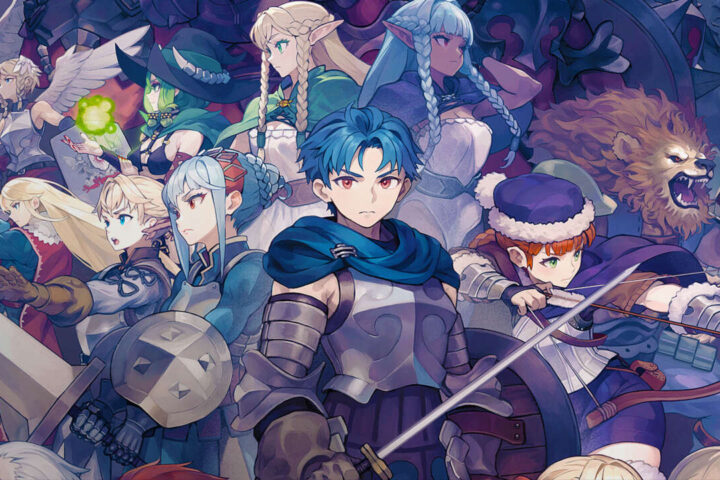
Unicorn Overlord’s graphical style, like that of most other Vanillaware titles, is top notch.
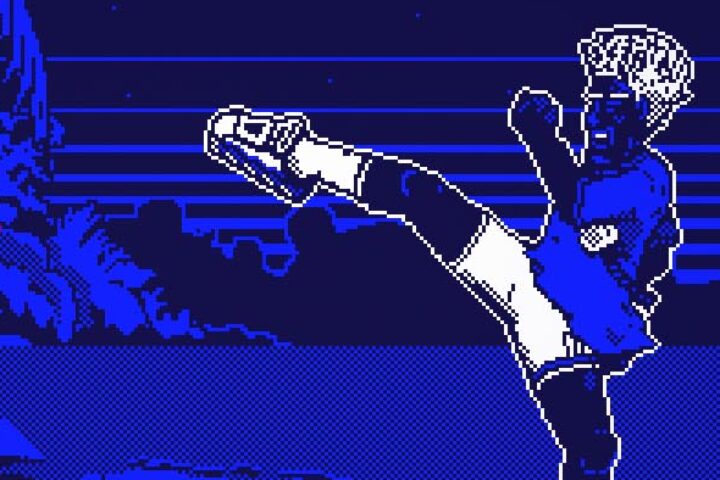
CorpoNation is about more than just the severity of the discomfort imposed on you.