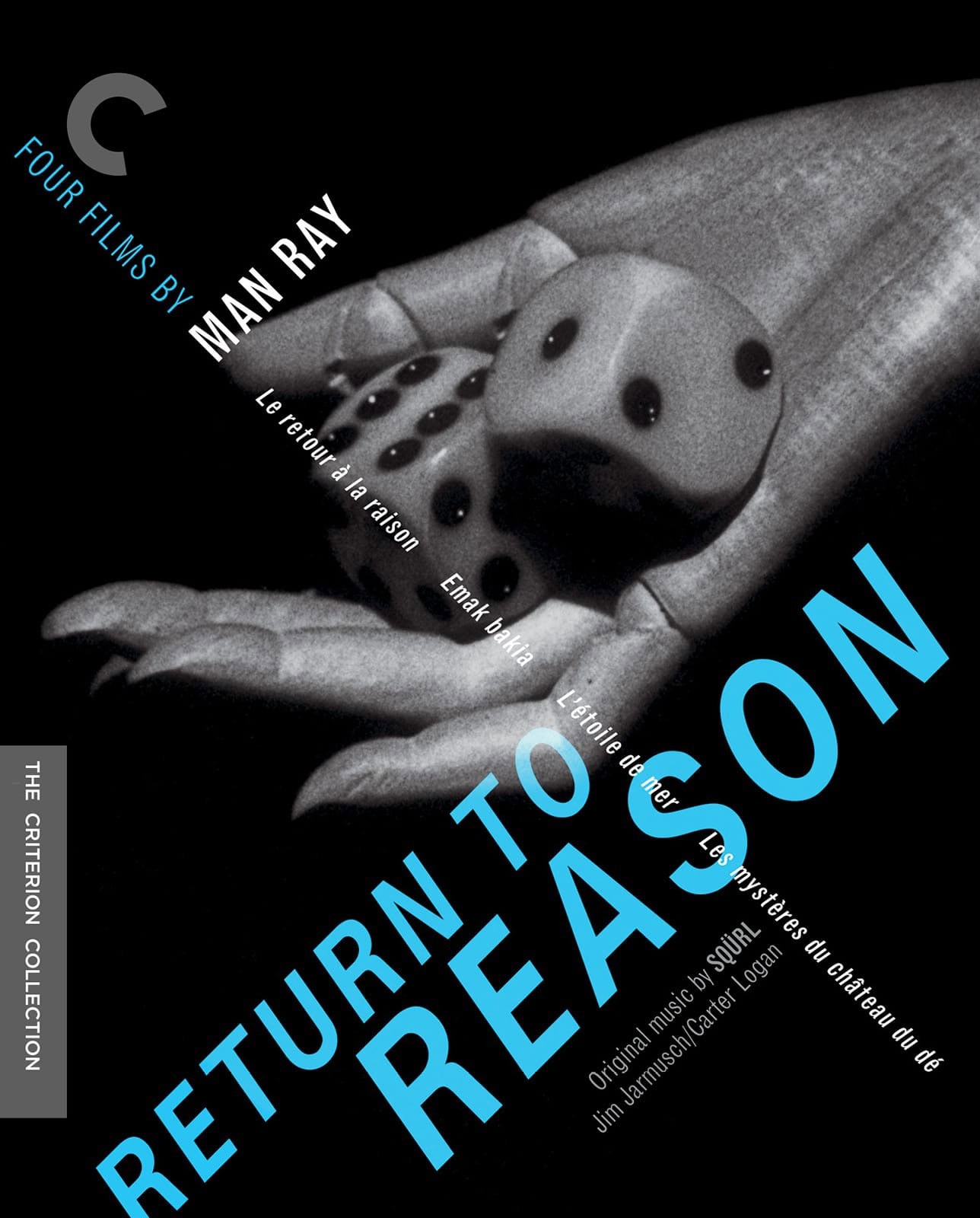
 Dada pioneer Man Ray, born Emmanuel Radnitzky, turned his attention to the still-young medium of film shortly after moving to Paris in 1921, experimenting with a format not yet restrained by schools of thought. Fittingly for an artist who played by his own rules, the four works included in Criterion’s 70-minute “anthology” Return to Reason are arranged out of chronological order.
The earliest of the films included on the set, 1923’s “Le Retour a la Raison,” suggests a calibration test gone mad. A pure study of light and shadow, the three-minute short mixes monochromatic drawings and shots of sculptures and a model’s body. Throughout, movement and sudden changes in lighting lend vastly different perspectives to the same objects.
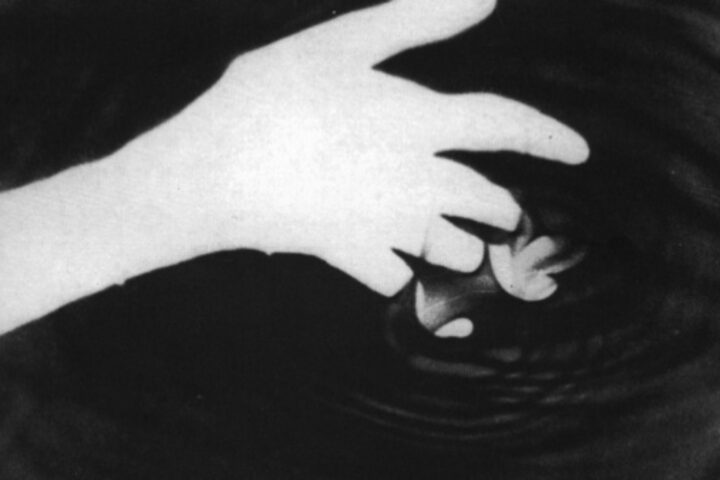
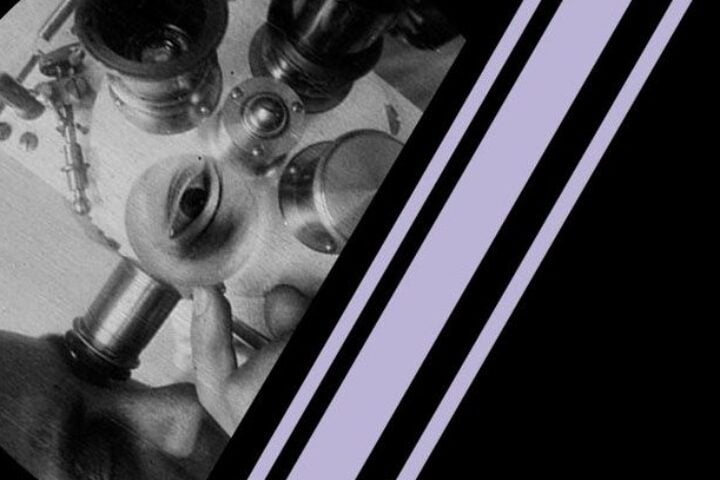
The 22-minute “Emak Bakia,” from 1926, is a “cinépoéme” that tests many of the in-camera effects that Ray had used in his still photography—double exposure, focal extremes—and adds new layers of abstraction. One of the first images is a photo-negative reprisal of the animated collage of nails seen in “Le Retour a la Raison,” and from there the short proceeds in completely haphazard fashion between such things as eyes painted on closed eyelids to superimpositions of Picasso sculptures. Willfully doing away with even the subliminal logic of surrealism, the film forces your mind to project meaning on the fly onto its purposely anti-associative images.
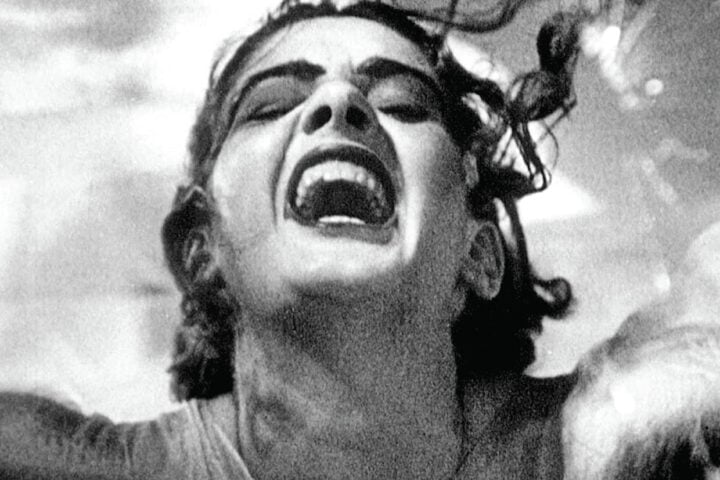
For 1928’s “L’Étoile de Mer,” Ray filmed many of the shots of a couple doing banal things together through frosted glass, resulting in a kind of sleep-paralysis vision that in some areas looks like a film version of Edvard Munch’s form-rupturing expressionism. There’s an unsettling obfuscation to the short’s early images, which prefigures a slow descent into clearer yet stranger glimpses of an ordinary man and woman turning more animalistic and violent.
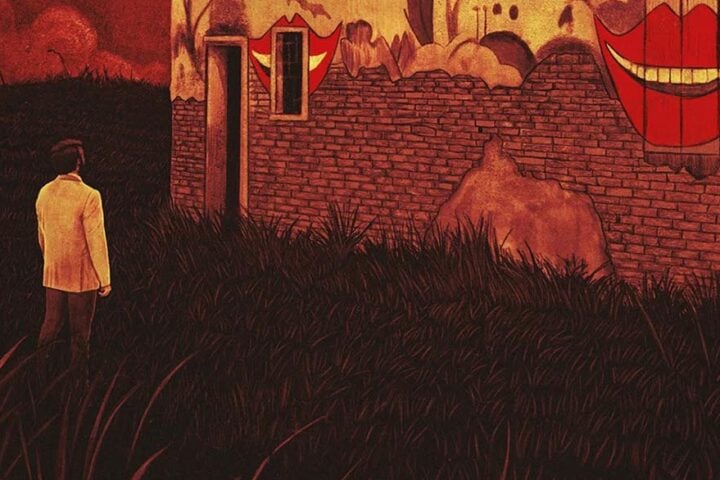
“Les Mystères du Château du Dé,” from 1929, takes place within a palatial manor where a group of interlopers entertain themselves by rolling dice. Less provocative than the other films in this set, the short, which is bookended by shots of mannequin hands holding dice, is still intriguing for the way Ray composes relatively traditional frames with clear blocking and suggestive meanings. The vignettes here may not have much connective tissue, but they still hang together as a series of games making use of the varied spaces of the modernist location.
Image/Sound
Sourced from 4K restorations undertaken by a group of preservation organizations including the Cinémathèque Française and L’Immagine Ritrovata, Criterion’s transfers present the four films in a state of remarkable clarity. Given how deliberately Man Ray exploited the inherent flaws of celluloid of the time, scratches and debris are still present, but white and black levels are rendered with rich gradation levels, and textures are consistently sharp.
The soundtracks consist of a semi-improvised score by Jim Jarmusch and Carter Logan’s noise band SQÜRL. The music mixes ambient drones, industrial growls, and the occasional sparse, metallic percussion and twinkling synth trills, and it’s nicely distributed across all channels.
Extras
Criterion’s disc comes with an interview with Jarmusch and Logan from 2023 in which they discuss the influence that Ray has had on their film and music work, as well as the process of conceiving their multi-film score of his works. The disc also includes footage of the two performing the music live at a screening at Paris’s Centre Pompidou. The video of the latter consists only of shots of Jarmusch and Logan as they perform, and the spacious acoustics of the venue add layers of echo and sonority to their performance. Each guitar chord, percussion hit, and synth tone reverberates and lingers in a way that it doesn’t in the main presentation.
A booklet essay by author Mark Polizzotti offers copious details about the four films included in this set and the many collaborators in front of and behind the camera who emerged in Paris’s rich post-World War I bohemian scene. Embracing the deliberate anti-interpretation aims of Ray’s works, Polizzoti nonetheless makes numerous connections with other surrealist and Dadaist works of the period, be they literature, painting, or other cinema.
Overall
Among the most daring avant-garde works of the 1920s, four Man Ray shorts get a gorgeous showcase from the Criterion Collection.
Since 2001, we've brought you uncompromising, candid takes on the world of film, music, television, video games, theater, and more. Independently owned and operated publications like Slant have been hit hard in recent years, but we’re committed to keeping our content free and accessible—meaning no paywalls or fees.
If you like what we do, please consider subscribing to our Patreon or making a donation.