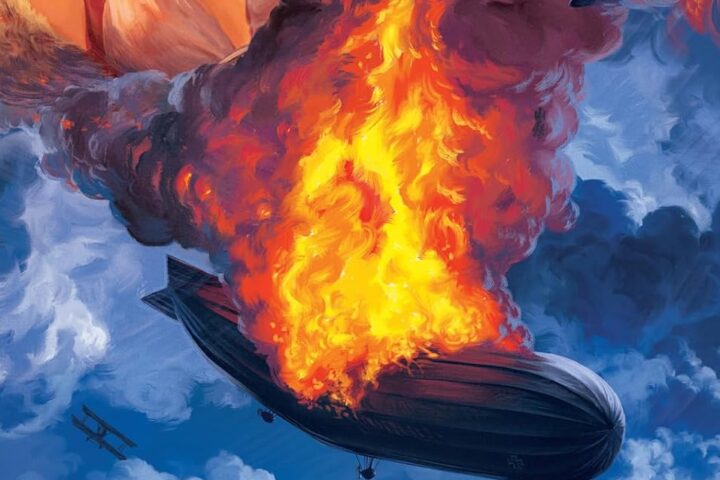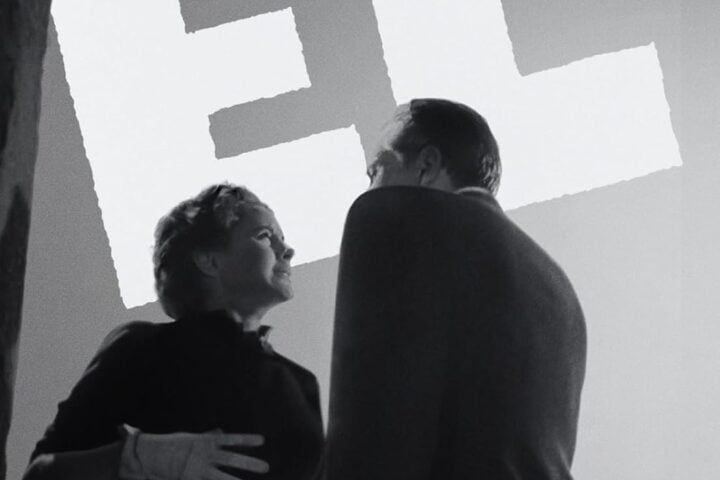
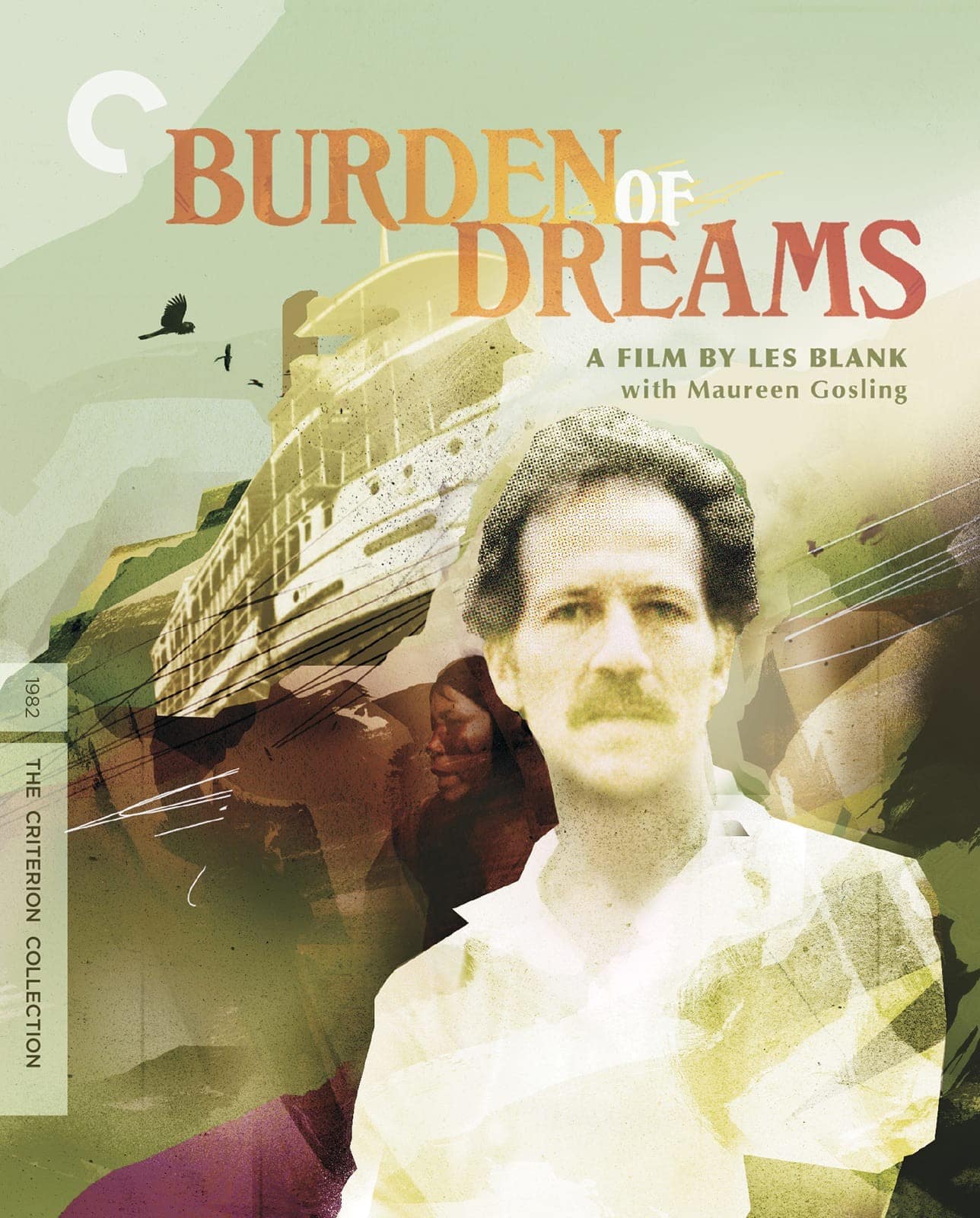
 While ostensibly a making-of documentary about the filming of Werner Herzog’s 1981 film Fitzcarraldo in the Peruvian Amazon, Les Blank’s Burden of Dreams slyly transcends expectations. The documentary functions as much as a counterbalance to the hyper-masculine, colonialist dream of individual glory at the core of Herzog’s adventure drama and the madness attained in its pursuit as it does as a chronicle of everything from the German director’s existential ruminations on nature and filmmaking to Kinski’s violent outbursts on set.
Blank’s earlier films, many of them compassionate portraits of disenfranchised underdogs living in Texas and Louisiana, clearly informed the direction of the documentary. (Herzog was friends with Blank by the time Fitzcarraldo was in production, having appeared in the American filmmaker’s 1980 short documentary “Werner Herzog Eats His Shoe.”) Whether Herzog imagined that he, rather than the indigenous Peruvians, would be positioned as the underdogs in Burden of Dreams is difficult to know, but it’s clear that Herzog was just as disinterested in appearing in a conventional, slavishly laudatory documentary as Blank was in making one.
In addition to capturing the indigenous actors whose lives were disrupted by Fitzcarraldo’s extended shoot, Blank makes room for snapshots of the European crewmembers at work, which is understandable given his typical compassion for the downtrodden. Indeed, the interpersonal and intertribal dramas that plague the Machiguenga and Aguaruna tribes are given more weight than the struggles that the production faced due to weather conditions, illnesses, and more.
While Blank’s approach to Burden of Dreams is largely observational, one gets the sense that for all his admiration of Herzog’s courage and perseverance throughout the making of Fitzcarraldo, he sees the German auteur as something of a Fitzcarraldo figure himself. After all, Kinski’s character in Herzog’s film is both dreamer and madman, an Irish rubber baron whose determination to pull a giant boat over a mountain is driven by megalomaniacal impulses.
Herzog didn’t mistreat his indigenous actors, but Blank highlights the director’s decision to have separate camps for them and the European crew, and while Herzog paid the indigenous actors twice the going rate for the physical labor they performed daily, there’s at least a whiff of exploitation to his actions. Blank delicately balances these more subtle, even subversive, observations with plenty of footage of Herzog and company battling against the elements.
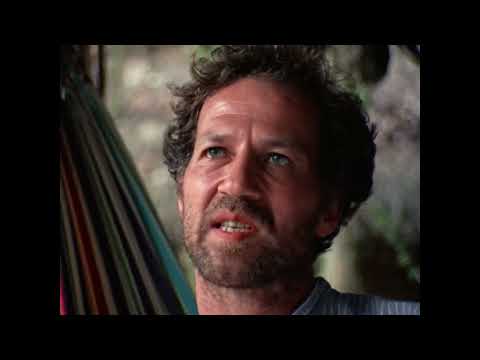
It’s to Blank’s credit that Burden of Dreams isn’t always in awe of Herzog and those working under him. This is a prismatic portrait of everything from the various cultural clashes at play during Fitzcarraldo’s making across four years and the primal energy of the landscape that’s so central to both Herzog’s film and Blank’s documentary. Among its many triumphs, then, Burden of Dreams attests to Blank’s egalitarian approach to documentation.
Image/Sound
The new 4K restoration that Criterion has transferred showcases Les Blank’s remarkable nature photography, with the lush greens of the Amazon really popping off the screen and allowing for a full appreciation of the jungle’s various obscure flora and fauna. The film was shot in 16mm and the transfer preserves the grain without sacrificing image sharpness. On the audio front, the 5.1 surround audio is perfectly balanced, with the dialogue never less than clean, front and center, and the sounds of nature, such as bird calls, lending the track an enveloping atmosphere.
Extras
Criterion has ported over all the extras from its 2005 DVD release of Burden of Dreams, including the fascinating audio commentary by Les Blank, Werner Herzog, and editor and sound recordist Maureen Gosling. Herzog’s input was recorded separately, but the two recordings are stitched together almost seamlessly to create a natural flow of conversation, and the discussion, touching on everything from production details and various on-set struggles to how Herzog and Blank became friends, is never less than riveting.
Herzog also appears in an in-depth archival interview where he hilariously yet earnestly decries the notion of introspection, downplays the importance of Klaus Kinski in his oeuvre, and expresses his disgust for filmmakers who use landscapes solely to capture picturesque images. The disc also includes Blank’s iconic “Werner Herzog Eats His Shoe” short, as well as a handful of deleted scenes from Burden of Dreams, while the accompanying booklet comes with excerpts from Blank’s and Gosling’s production journals and an essay by film scholar Paul Arthur.
Overall
While the extras here are the same as those on Criterion’s 2005 DVD, the film receives a massive boost in A/V quality that makes this release a must-buy for Herzog and Blank fans alike.
Since 2001, we've brought you uncompromising, candid takes on the world of film, music, television, video games, theater, and more. Independently owned and operated publications like Slant have been hit hard in recent years, but we’re committed to keeping our content free and accessible—meaning no paywalls or fees.
If you like what we do, please consider subscribing to our Patreon or making a donation.