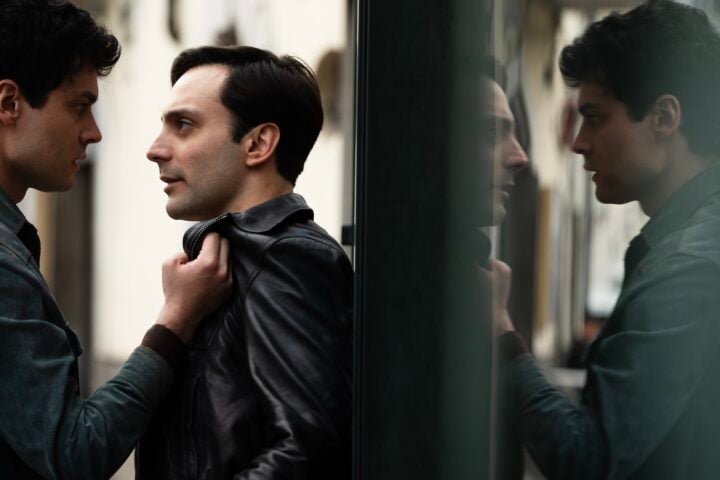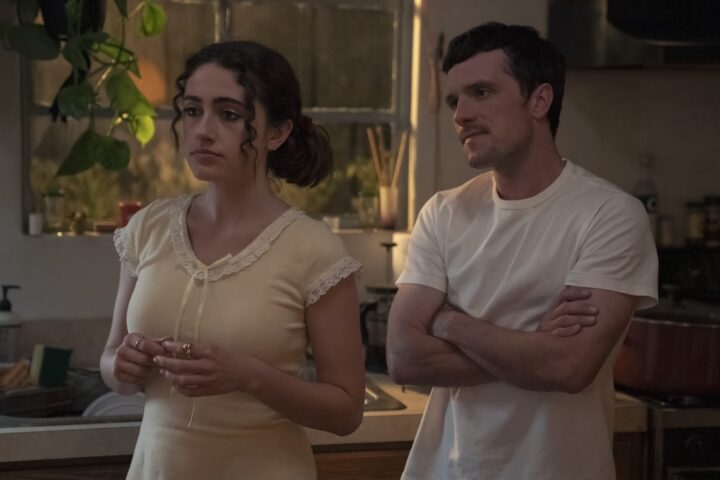
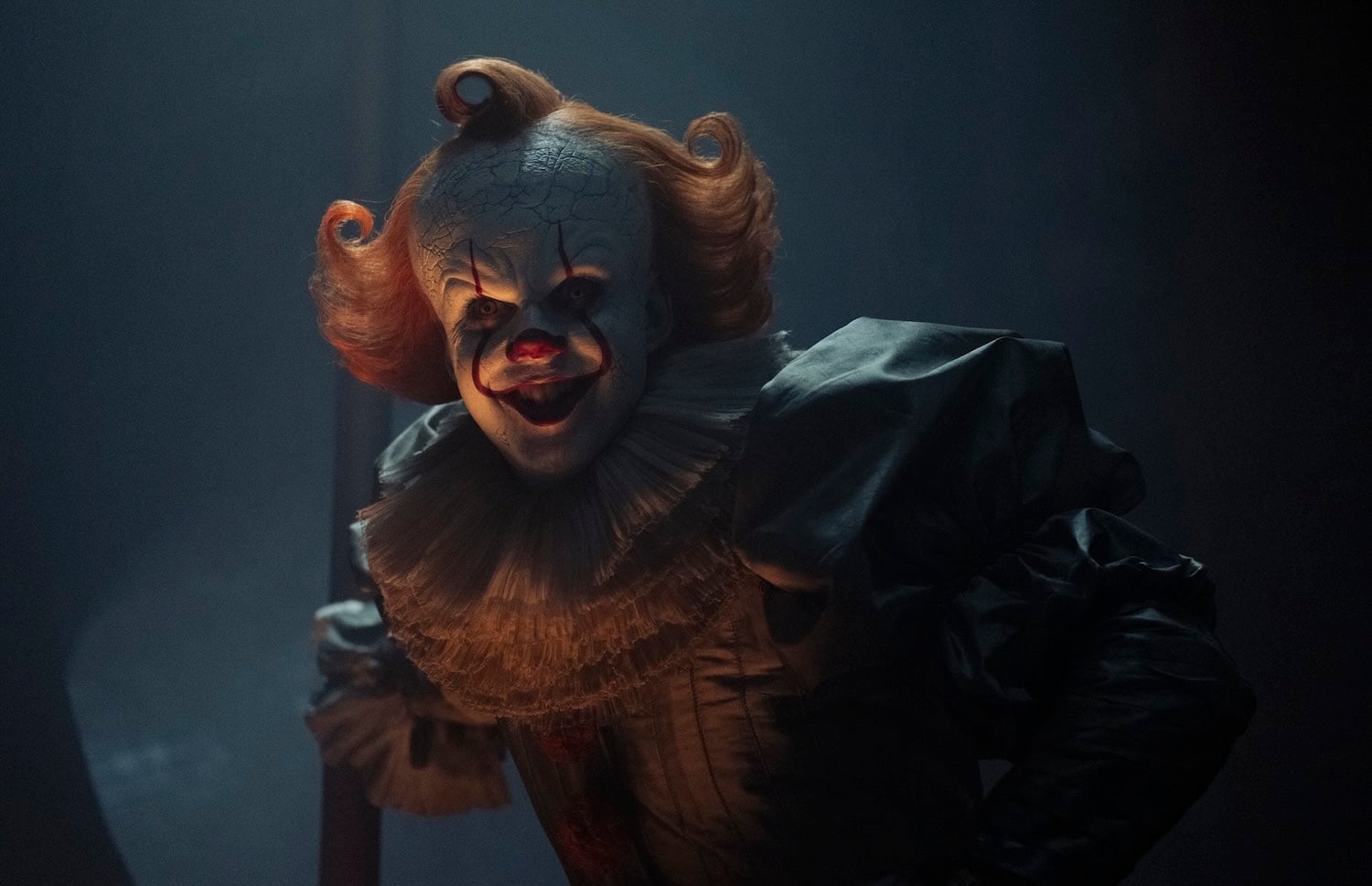
Aside from its early-1960s time period, HBO’s It: Welcome to Derry—developed by Andy Muscietti, Barbara Muscietti, and Jason Fuchs—operates independently from both Stephen King’s 1986 novel and Andy Muscietti’s 2017 film adaptation, creating an entirely new chapter of the mythology. Like Muscietti’s It: Chapter Two, though, the series can’t decide what kind of hellride it wants to take us on, vacillating between imaginative, Nightmare on Elm Street-style terror and the juvenile thrills of Goosebumps.
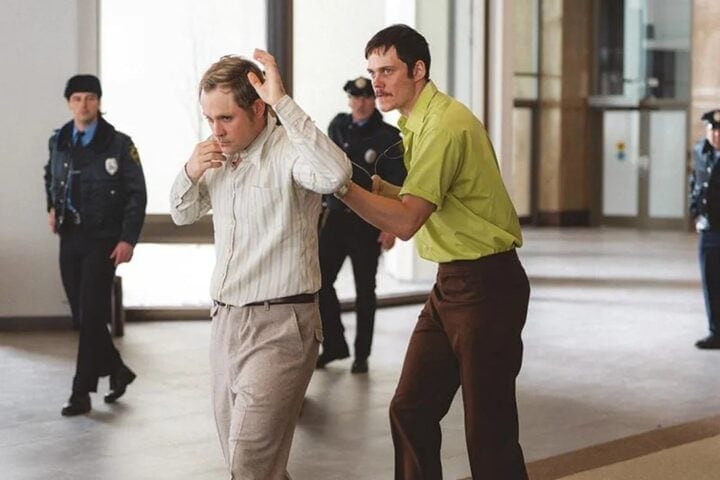
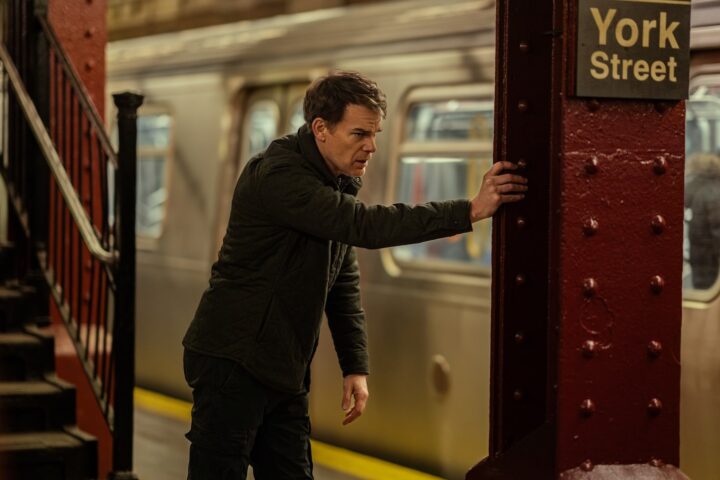
Welcome to Derry is at its best when it’s at its darkest, which is especially pronounced when the series is focused is on its adult cast. The encroaching tumult of the ’60s, including the prospect that white men may have to share power with women, Black folk, and even the Indigenous people of Derry, seems to create for the supernatural, unnamed entity lurking beneath the streets of this town an irresistible opportunity for exploitation. “It” seizes on the fears of Derry’s adults in a very different way than how it feeds on the town’s children, stoking seething, barely disguised hatreds—the equivalent of turning an oven on broil.
Welcome to Derry’s plotting is patient and smart about displaying how such loathing manifests in small, insidious ways. That extends to Bill Skarsgard’s Pennywise, whose presence is keenly felt but limited. That does create a bit of a vacuum as far as the big, iconic horror that It is known for, but that vacuum is filled with less obvious bits of lore from the Stephen King universe, with unexpected nods to Doctor Sleep and The Dark Tower popping up throughout.
The kids’ side of the narrative is where the horror gets more obvious and less effective. The strongest aspect of their story is that It perversely gets away with literal murder because, in 1962, children are meant to be seen and not heard, and few of the adults they trust truly listen to what they have to say. That lack of communal attention to Derry’s children was a crucial piece of King’s mammoth novel, and it’s a crucial part of the story here.
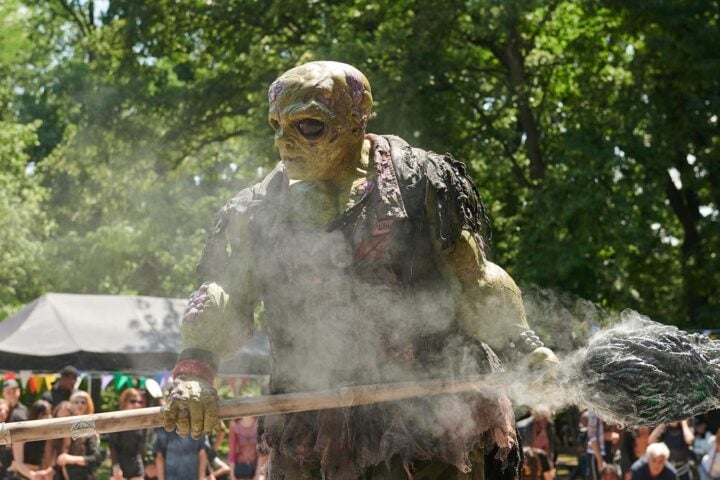
Unfortunately, some of the most unsettling moments of terror and gore to grace the small screen are contrasted here by some of the cheapest and corniest. The same series that features a chase through a haunted graveyard that would feel lazy even on an episode of Are You Afraid of the Dark? also includes an unforgettable moment of body horror involving a child’s eyes and a woodshop bandsaw that seems ripped right out of a Itō Junji graphic novel.
There’s still surprising depth to Welcome to Derry’s overarching allegory of evil. Having an antagonist who feeds on fear, then drastically expanding those fears on a macro level of a still-segregated society, is smart, timely, and more frightening than most of the show’s actual scares.
Since 2001, we've brought you uncompromising, candid takes on the world of film, music, television, video games, theater, and more. Independently owned and operated publications like Slant have been hit hard in recent years, but we’re committed to keeping our content free and accessible—meaning no paywalls or fees.
If you like what we do, please consider subscribing to our Patreon or making a donation.