Every generation wants to have it all—including, it would seem, a comedy series about wanting to have it all. The concept for Rachel Sennott’s I Love LA is about as indistinct as its title, following a friend group striving to make it big in a culture of ignorance and vapidity. The series tries its hand at all sorts of ideas, as if hoping at least one of them is going to stick, resulting in a scattered, often funny eight-episode season that lacks a clear identity.
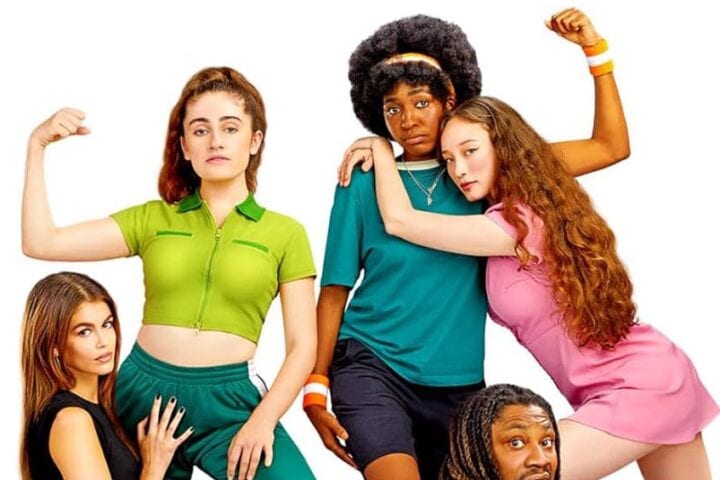
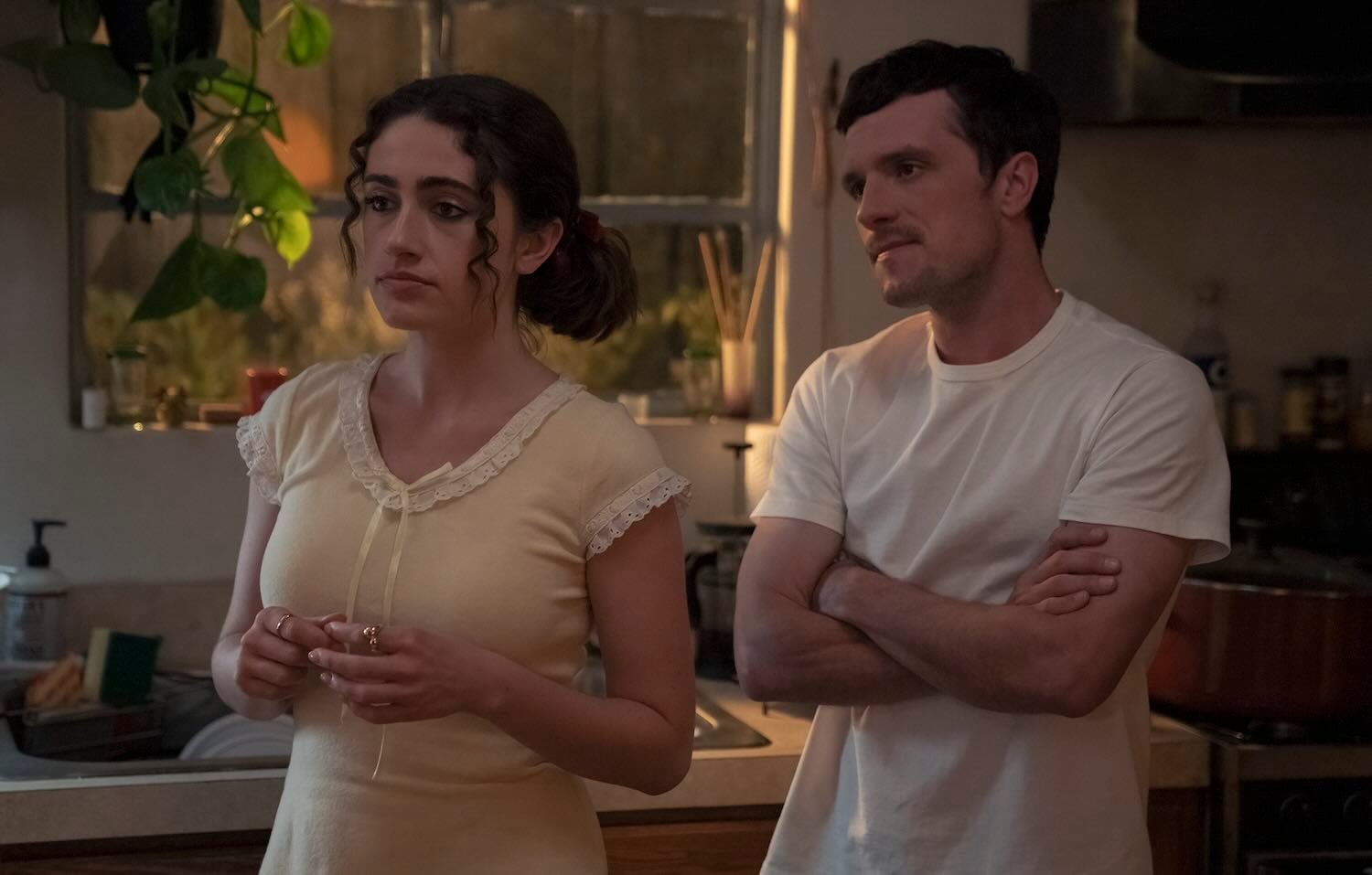
At the center of I Love LA is Maia (Sennott), an up-and-comer at a boutique talent management company. She’s ambitious yet high-strung, and when she isn’t hard at work, she’s hanging out with her similarly messy friends: Charlie (Jordan Firstman), a stylist, and Alani (True Whitaker), the daughter of a famous Hollywood director. The only grounding presence in Maia’s life seems to be Dylan (Josh Hutcherson), her normie boyfriend.
When Maia’s estranged friend and former client, influencer Tallulah Steele (Odessa A’zion), comes back into the picture, Maia earns a promotion for bringing her on board as a client. Tallulah is impulsive and hard to handle, but, curiously, the tensions between them dissipate after the first episode, with the pair quickly settling into being besties again.
Another series might have built itself around Maia and Tallulah’s misadventures in the influencer ecosystem, or the clash between Maia’s ambitions and Dylan’s more modest aspirations, or the intersection between the various characters’ work experiences. But the HBO series never slows down enough to flesh out any of its ostensible concerns.
Maybe that’s the point, and why I Love LA places one foot in a culture defined by disposable, short-form content, seeing everything as tangled up in everything else and not lasting long. The result, though, is a show that never digs below the surface of what are otherwise comedic scenarios rife with potential, like Charlie getting blacklisted by gay service workers across the city, or a bake sale full of terrifying children who tell Maia to stop apologizing so much.
Early on, Maia discusses Tallulah’s need to diversify and leverage ephemeral social-media fame into something more sustainable. But in its own hyperactive attempts to showcase a broad comic range, I Love LA never truly excels at anything.
Since 2001, we've brought you uncompromising, candid takes on the world of film, music, television, video games, theater, and more. Independently owned and operated publications like Slant have been hit hard in recent years, but we’re committed to keeping our content free and accessible—meaning no paywalls or fees.
If you like what we do, please consider subscribing to our Patreon or making a donation.