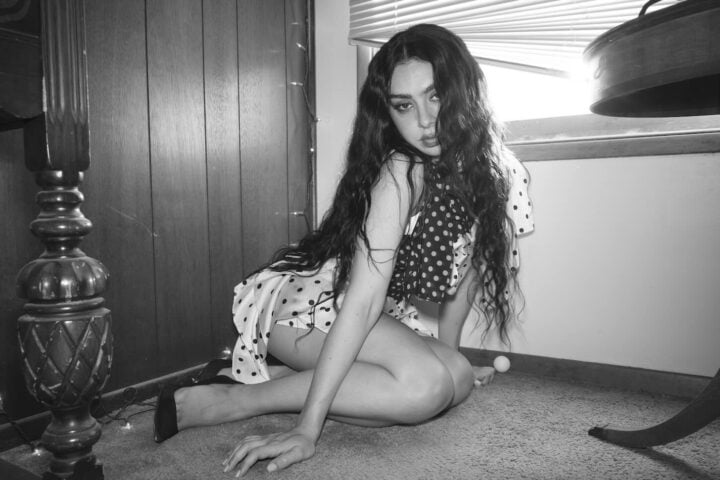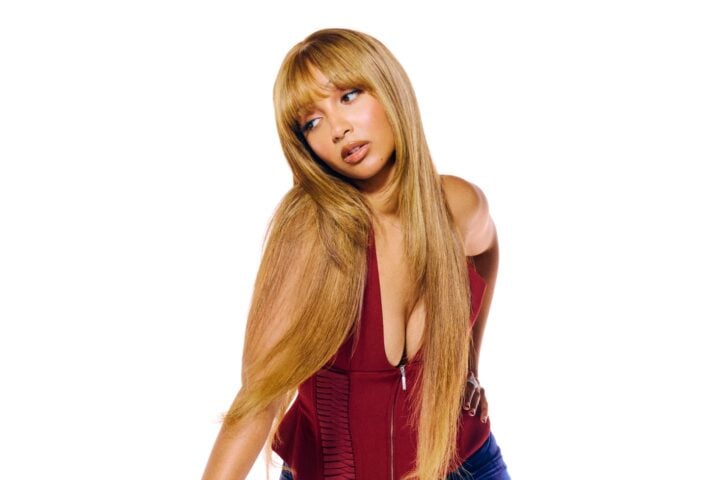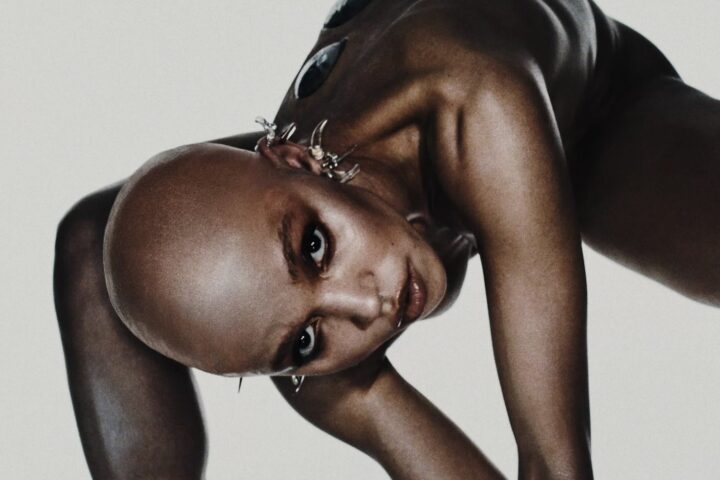

With artists like Charli XCX, Beyoncé, and Billie Eilish setting the bar high early on in 2024, this year looked likely to come up short by comparison. But while 2025 started off quietly, it ultimately produced a slew of albums that are at turns introspective and ambitious, from Jason Isbell’s deeply personal Foxes in the Snow to Rosalía’s breathtakingly bold Lux.
Elsewhere, New York rapper Billy Woods and British noise rockers Benefits painted grim portraits of the techno nightmare that society seems intent on spiraling further into. But that’s not to say there wasn’t joy or escape to be found in this year’s music landscape: Both Addison Rae and Jade’s debuts turned out to be unexpected guiltless pleasures, while Miley Cyrus’s post-apocalyptic concept album Something Beautiful located light amid the mayhem.
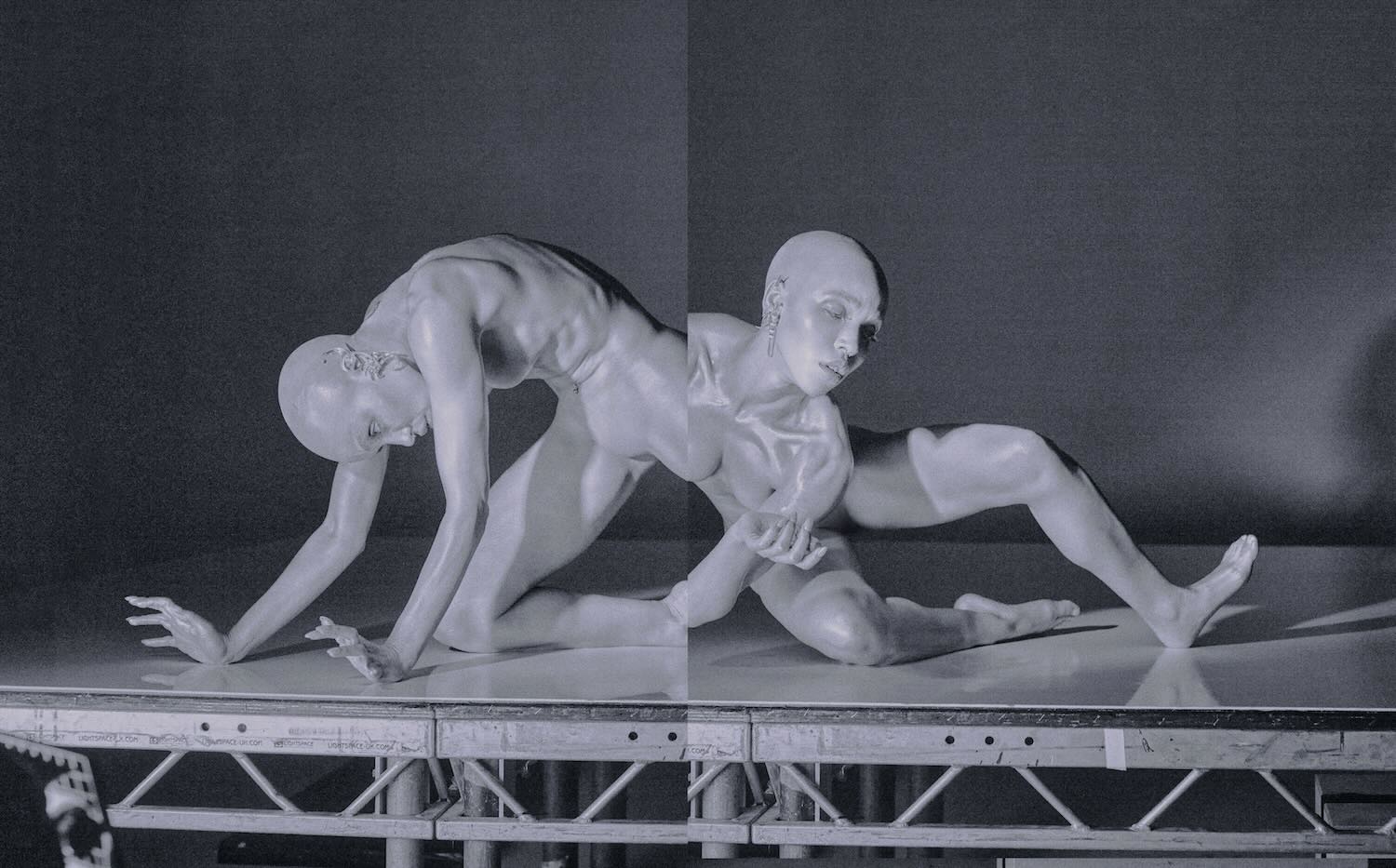
In a rarity, two artists—FKA twigs and Cameron Winter—appear on our list twice, the former with her Eusexua diptych and the latter with both his band Geese’s latest as well as his solo debut, released at the end of last year after our list was published. Together, these 50 albums reflect a collective mood that’s far more nuanced than the almighty algorithm would have us believe. Sal Cinquemani
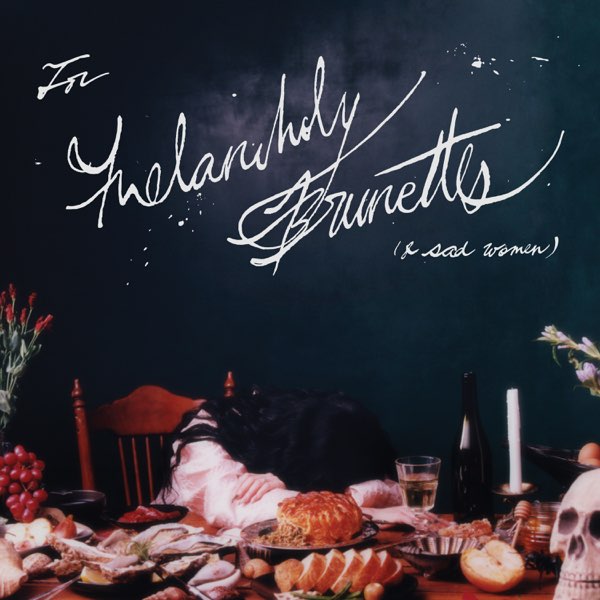
50. Japanese Breakfast, For Melancholy Brunettes (& Sad Women)
Japanese Breakfast’s For Melancholy Brunettes (& Sad Women) retreats from the poppy optimism of the group’s 2021 breakthrough, Jubilee, and moves toward a mood similar to the comforting sadness of 2017’s Soft Sounds from Another Planet. The album’s production is imbued with a rich sense of depth and warmth, anchored by intricate interlocking guitars, long-tailed reverbs, and ambient orchestral arrangements. It represents a significant sonic step forward for Japanese Breakfast—it’s the first of the band’s albums to be recorded in a proper studio—while preserving a familiar moody tone. The kind of melancholy that singer-songwriter Michelle Zauner explores here isn’t simply sadness itself, but the possibility of sadness as fertile ground for transformation. Nick Seip
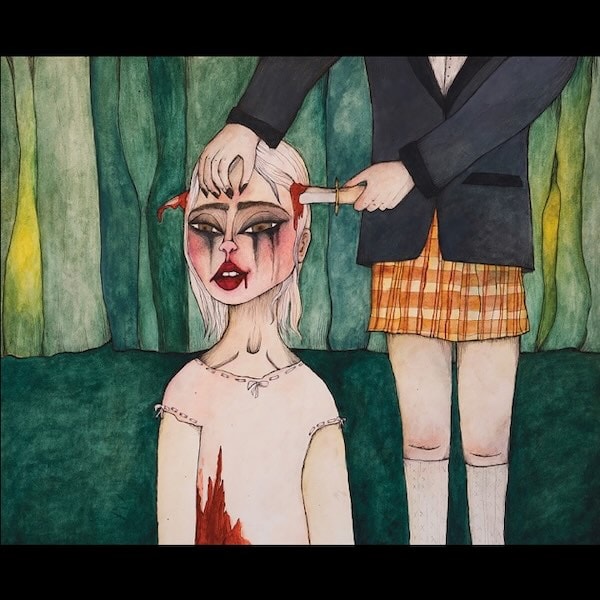
49. Patterson Hood, Exploding Trees & Airplane Screams
Patterson Hood’s Exploding Trees & Airplane Screams feels like a record the 60-year-old singer-songwriter has been keeping inside him for decades only to finally burst out. The melodic, piano-based songwriting and lush, evocative orchestrations that are abundant throughout represent a level of sonic exploration that Hood has never approached before. It’s some of his most impressive and freshest work in years. On the sweet, sing-songy closer “Pinnochio,” he reflects on lessons gleaned from his favorite childhood film, positioning it not as a symbol of innocence lost but as an instigator for all the life he’s lived since. “It’s a whale of a tale with so many miles to go/But I get a little closer each day to my long term goal,” he muses, making explicit what’s more or less implicit in the new and unexpected sounds of Exploding Trees: that he’s a got a whole lot more life, and music, in him. Jeremy Winograd
48. Big Thief, Double Infinity
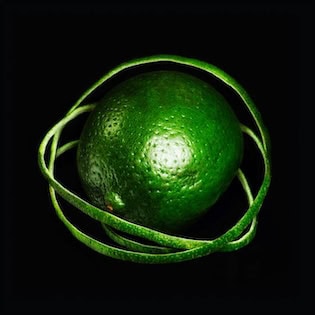
Just as the lonesome, echoey ambiance of Emmylou Harris’s 1995 album Wrecking Ball represented a career-shifting break from country orthodoxy for the Americana legend, Big Thief’s Double Infinity sees Adrianne Lenker and her band shedding their usual ragged, rustic style in favor of a more polished, atmospheric approach. Lenker’s songwriting is as skillful and vulnerable as ever. Like a less moody “Deeper Well,” the album’s lead single, “Incomprehensible,” is all glassy, droning guitars and yearning, canyon-echo vocals. As a standalone track, it opens up an evocative and fresh new lane for a band that was in need of one following its expansive 2022 double album Dragon New Warm Mountain I Believe in You. Winograd
47. Aya, Hexed!
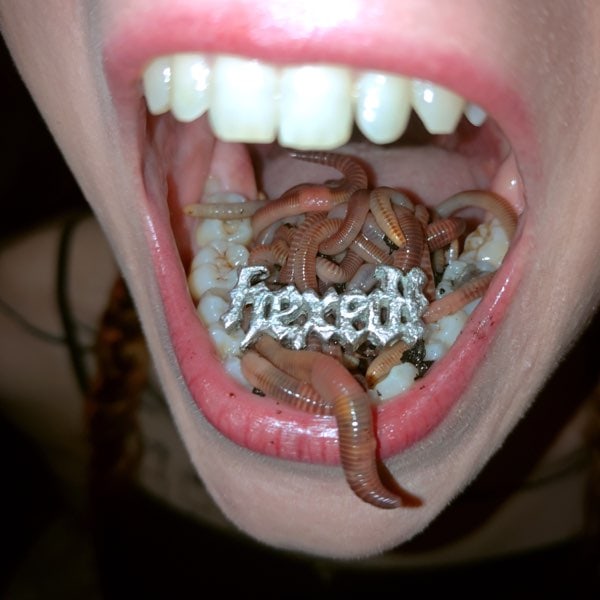
Aya’s second studio album, Hexed!, barrels through scenes of drug-induced delirium with unrelenting ferocity, industrial noise colliding at all angles with the U.K. artist’s panicked screams. “Crash! Crash! Crash!” she urges on “Off to the ESSO” amid a maelstrom of metallic clamor, narrating her self-destruction in Manchester clubs. On the equally punishing closer “Time at the Bar,” she cries out as she returns “to a life semi-detached, to things best left unsaid,” both her trans identity and her addiction lingering just out of frame. As much as the album represents a dissociative nightmare, it also distills the cathartic process of self-recognition, every howl, clatter, screech, and fractured lyric an exorcism of suppressed suffering. Eric Mason
46. Hayley Williams, Ego Death at a Bachelorette Party
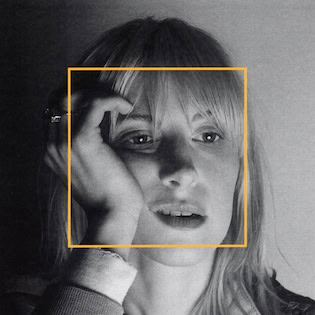
Hayley Williams’s third solo album feels like a ’90s throwback—and not just because of “Whim,” which sounds like a lost Cranberries song, or “Discovery Channel,” which miraculously manages to interpolate Bloodhound Gang’s “The Bad Touch” while maintaining a semi-serious tone. At 20 tracks that touch on just about every shade of pop-rock, it harkens back to the era when, freed from the physical restrictions of vinyl, artists fell over themselves to stuff as much music onto 80-minute CDs as they could. But Williams and collaborator Daniel James permeate the album with a melancholy that effectively binds it all together. The restrained musical palette, heavy on acoustic guitars, keeps the focus on the Paramore singer’s voice—which is full of vulnerability even during moments of relative bravado—and consistently excellent melodies, whether on the familiar pop-punk of “Mirtazapine” or the hip-hop-influenced “Ice in My OJ” and “Good Ol’ Days.” Winograd

45. Blood Orange, Essex Honey
While Dev Hynes lyrically explores loss, memory, and loneliness on Essex Honey, he still finds ways to elegantly break through the fog with moments of joy, ecstasy, and comfort. These moments of relief arrive in brief flashes throughout album—often via musical flourishes, from the rattling percussion that grounds the otherwise free-floating “Mind Loaded” to the noodling guitar, shakers, and handclaps that bring momentary buoyancy to “I Listened (Every Night).” As a project, Blood Orange has always had a collectivist spirit, and Essex Honey brings back some past guests, including Caroline Polachek and Ian Isiah, while introducing some new ones, like Mustafa, Lorde, and Daniel Caesar. The way Hynes layers their voices alongside his makes the identity of “Blood Orange” and the experiences the songs describe feel less fixed. When Hynes cedes the floor to Mustafa’s gorgeous baritone in the album’s final moments, it’s less like hiding and more like shared communication. Charles Lyons-Burt
44. Deafheaven, Lonely People with Power
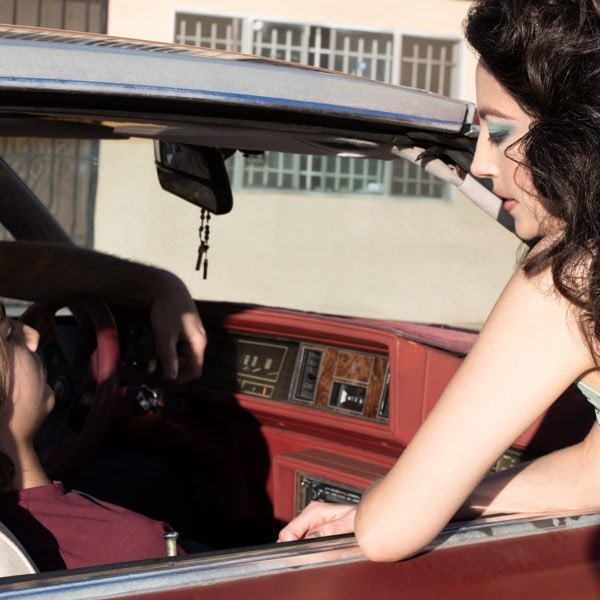
On their sixth studio album, Lonely People with Power, Deafheaven steps back from the genre-blurring experiments of their last few efforts to embrace a sound that’s unapologetically heavy. The result is fierce and focused, and it plays like a purposeful throwback. Tracks like “Revelator,” “Doberman,” and “Magnolia” are pure black metal—all relentless blast beats, searing tremolos, and guttural vocal assaults executed with precision and force. The band employs progressive song structures and dynamic contrasts that give even the most feral moments a grand sense of scope, without ever dulling the album’s visceral intensity. Ultimately, the confident, cathartic Lonely People with Power stands as Deafheaven’s most vital release since 2013’s Sunbather. Paul Attard
43. Fust, Big Ugly
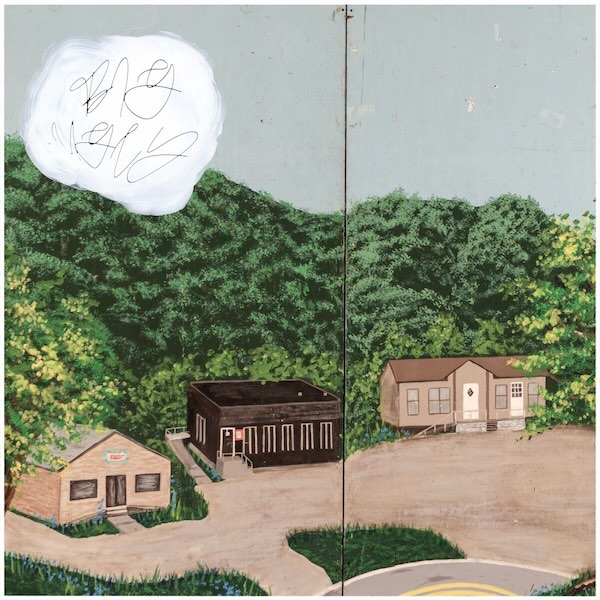
Fust’s Big Ugly is a homespun collection of songs that reflect on love, loss, and the ever-changing relationship we have with the places that made us who we are. The ghosts of old haunt the MJ Lendermann-esque “Spangled” (“I can’t even visit/The last room I may have been”), while the title track is a warts-and-all tribute to one’s hometown (“I love this town, it shows me my lonesome’s written in the stars”). The songs are filled with musings on the human condition, from the grief-stricken “Sister” and its reflections on how life can leave one “wrecked, wounded, wore down,” to the lilting “Mountain Language,” about an intimate relationship giving way to a personal shared language. On the closing track, “Heart Song,” the band speaks to the confusion and listlessness of 21st-century life, giving way to a simple existential question we should all find worth asking: “Have I been okay at living?” Tom Williams
42. Benefits, Constant Noise
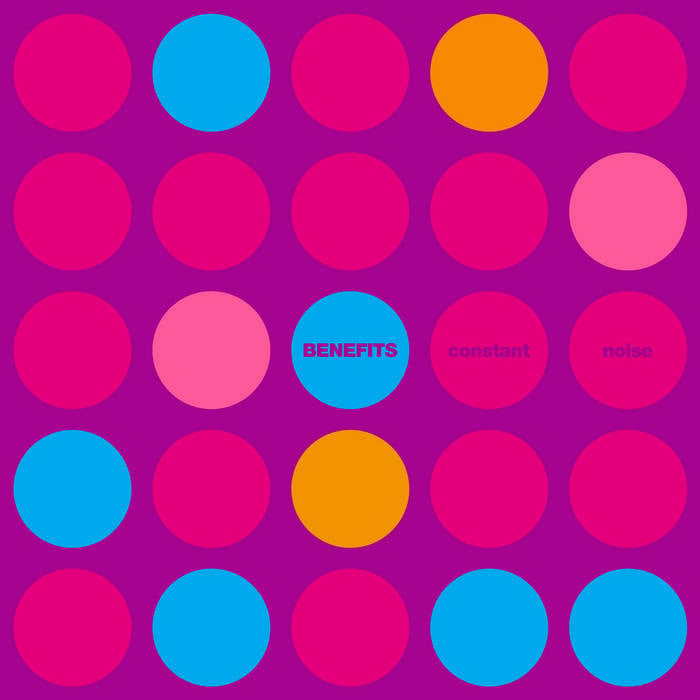
While U.K. duo Benefits’s first studio album, 2023’s aptly titled Nails, sounded like an electronic rendition of hardcore, the band’s sophomore effort, Constant Noise, delves into a greater variety of sounds and moods, mixing punk, spoken word, and even a choir. Although tracks like “Divide” and “Lies and Fear” still dip into noise, the group is still as interested in pursuing queasy electronic pop and minimalist arrangements as it is brutal aural assaults. Instead of hectoring the listener, the band inhabits the voices of the subjects the songs are criticizing, like the complacent blowhard who narrates “Missiles.” But whether Benefits is taking on social media toxicity or other digital distractions, the group’s introspective streak is equally as tough. Steve Erickson
41. Jade, That’s Showbiz Baby!
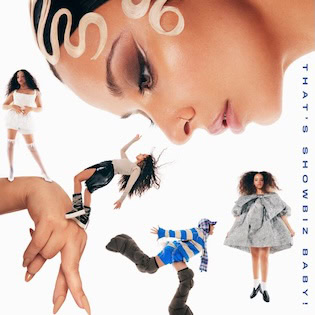
First appearing on the U.K. version of the The X Factor at the age of 15 and eventually forming one-fourth of the hit girl group Little Mix, Jade Thirlwall is no stranger to the harsh glare of the spotlight. The singer’s solo debut, That’s Showbiz Baby!, is a quasi-visual album that loosely and cheekily traces her rise to fame, featuring subtly Eastern-inflected hooks and one banger after the next. From the trashy, Fame-era EDM of “FYFN (Fuck You for Now)” to the sleek electro-pop of “Plastic Box” to the sultry disco-funk of “Fantasy,” That’s Showbiz Baby! is a veritable jukebox of 2000s-influenced pop. Tracks like the genre-shifting opener “Angel of My Dreams” and “It Girl” showcase Jade’s operatic soprano, and while the album’s back half isn’t quite as strong as its first, the soulful power ballad “Natural at Disaster” and the synth-driven slow jam “Silent Disco” further highlight Jade’s vocal prowess. Alex Camp
40. Swans, Birthing
Since reforming in 2010, Swans have made a habit of testing the patience of their audience in pursuit of transcendence, often rewarding that perseverance with profound and overpowering listening experiences. Birthing, a two-hour album with an average track length of about 16-and-a-half minutes, continues that tradition but is even slower, heavier, and more ominous. Throughout, Swans approaches something closer in spirit to free jazz than rock music, shifting fluidly through a wide variety of tempos, tones, and harmonic movements, all while maintaining a methodical, machine-like precision. This band has always asked a lot of its fans, and with Birthing, it flat-out demands your complete willingness to enter the void. And yet, rather than sounding drained or diminished by that darkness, Swans remain astonishingly vital 17 albums into their career. Attard
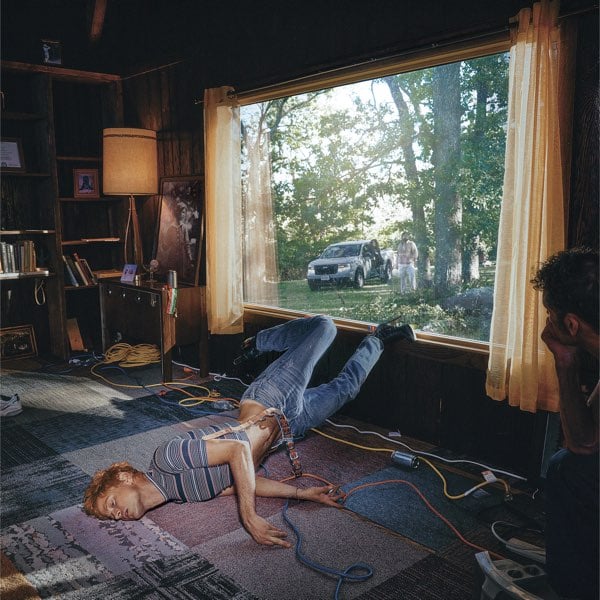
39. Perfume Genius, Glory
On Glory, his seventh studio album as Perfume Genius, Mike Hadreas dials back the climactic pop of his recent work in favor of subtler compositions that lurch and wobble over layers of alt-rock and orchestral instrumentation. From this ornate environment, Hadreas delivers tactile poetry and pained self-examinations, extracting catharsis from isolation and anxiety. Even with Blake Mills’s painterly production, Glory feels compact and introspective, with a current of uneasiness that harks back to 2010’s mournful Learning. In the spirit of finding beauty in confinement, the album’s final tracks make lethargy and uncertainty sound blissful, and Hadreas and Mills imbue even moments of reflective quiet with simmering intensity. Mason
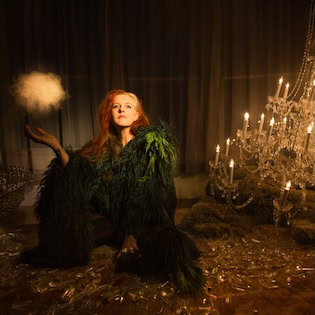
38. Neko Case, Neon Grey Midnight Green
Spelled out on the track “Destination,” the credo of Neko Case’s first solo album in seven years, Neon Grey Midnight Green, is that she’s not “a has-been, a housewife, or somebody’s lover.” Looking at a friend’s life, she observes, “You fill me with envy and wonder/Somehow you live free of men’s eyes.” Heavy on arrangements centered around piano and live strings, the album splits the difference between the soundtrack to a Vincente Minnelli or Douglas Sirk melodrama and 1970s soft rock. “Winchester Mansion of Sound,” for one, opens with dreamy, twinkling keyboards, as Case waxes nostalgic. She admits, “I still think of you,” before adding, “If you think I’m talkin’ about romance/You’re not listening.” The album is proof that with age comes wisdom, and that building a legacy doesn’t mean you’re merely a legacy act. Erickson
37. Florry, Sounds Like…
In a sea of artists carefully curating their country eras, Philly band Florry stands out as refreshingly carefree. It tracks that they’d cite the Jackass theme song as an inspiration for Sounds Like…. Freewheeling and alive, the album shares a kindred spirit with the lovable chaos of the Jackass crew and the DIY ethos of the Minutemen, who wrote that theme. This is an album that feels like it’s happening right in front of you, right down to the chatter, laughter, and bum notes that the band has left in. Sonically, Florry falls between the alt-country of Jason Molina and the ragged garage rock of Neil Young & Crazy Horse. But while those artists have a tendency for melancholy, Florry’s music feels lighter, scrappier, and sunnier. These are songs for car rides and cookouts, with riffs that hit immediately and melodies that feel lived-in. It’s messy, honest, and joyful. Seip
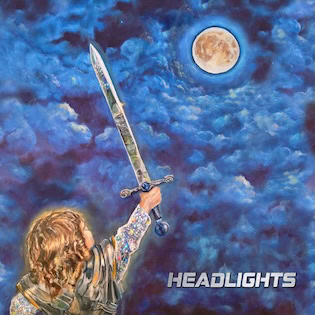
36. Alex G, Headlights
For some, the mere thought of being seen is like standing alone on a dark road as a car’s bright lights lock onto you. Will the person in the car notice you in time or will they strike you? A similar tension jolts through Alex G’s 10th studio album—and major label debut—Headlights. It doesn’t shy away from the glare, but rather steps into it. Naturally, there’s a question of whether a bigger platform might sand away the lo-fi scuzz and elusive storytelling that made Alex a cult figure. The gorgeous but strange Headlights, though, resists that flattening at every turn. Alex keeps the curtains open just enough to let us observe the weirdness that still dwells within. He lets the light cast across the mess—the cracks in the drywall, the splintering wooden floor, and uneven paint—not out of reluctance, but with the quiet confidence of someone who knows being unashamedly himself is enough. Kyle Kohner
35. Billy Woods, Golliwog
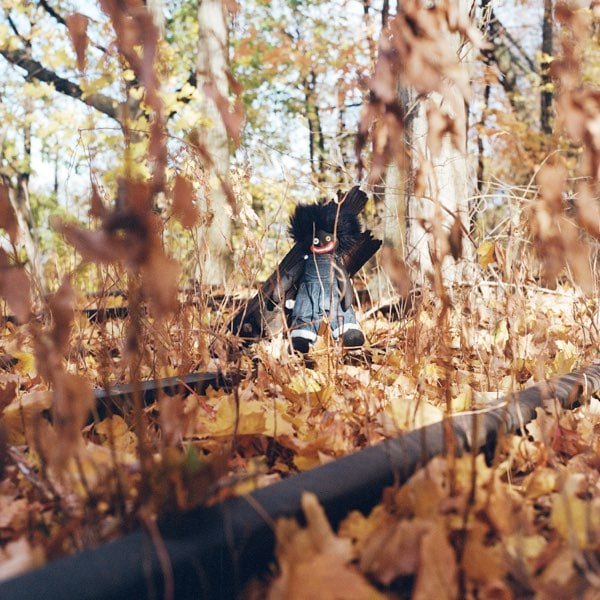
With Golliwog, Billy Woods has crafted a body of work that’s both sonically immense—thanks to a production team of underground heavy-hitters, from the Alchemist to Atmosphere’s Ant—and lyrically precise and unsparing. His observations and insights span the overwhelming bigotry of the internet (“Leave the comments on, the racism pouring in”), the lingering societal and economic legacies of colonialism (explored on the hypnotic “BLK ZMBY”), and the ghosts from the past that never seem to escape us (as captured in the desolate “Golgotha”). Golliwog is intensely confrontational and makes no effort to hold your hand. But challenging times demand unapologetic art to reflect them and offer no easy answers or catharsis. In a landscape where much of modern art and music seeks to soothe or entertain, Golliwog stands as a brutally beautiful reminder that sometimes the only way out is through. Attard
34. Dan English, Sky Record
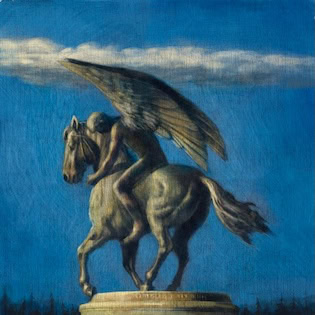
Listening to Dan English’s Sky Record feels like entering an alternate universe where a medieval knight got ahold of ProTools and decided to make a psychedelic folk record. The album carries the gentle pastoral glow of folk traditions, with a cosmic streak that feels born entirely of English’s own imagination. He builds songs slowly and deliberately, patiently letting sounds blossom and float away, guided by a quiet but unmistakable confidence in the world he’s creating. It’s a quintessential bedroom album—intimate, homespun, and singular—yet it somehow feels vast and unbound by simple human constraints like time, space, and genre. The album soars with “On a String,” a small cosmos of progressive space rock. It whispers with “Wedding Song,” a quiet triumph in melody. Sky Record is a world rendered in miniature but felt at full scale—imagined, labored over, and loved into existence. Seip
33. Craig Finn, Always Been
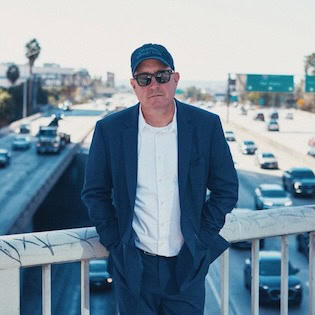
Always Been—a concept album that follows a non-believing ex-clergyman who, along with some of his friends and acquaintances, succumbs to various vices and grapples with the echoes of faded glories and past mistakes—is quintessentially Finn. But the album has a sense of cinematic grandeur hitherto uncommon to the Hold Steady frontman’s solo work, thanks in part to producer Adam Granduciel, who recruited several of his War on Drugs bandmates to play on it. Granduciel’s hand is evident in the peppy keyboard-laced arrangements of “People of Substance” and “Luke & Leanna,” the drama-filled chord changes of “Crumbs,” and the emotive guitar solo on “Bethany.” But as with any Craig Finn joint, the meat is in his masterful storytelling, and the tiny details therein that make it all feel true. The spellbinding spoken-word piece “Fletcher’s” in particular illustrates his genius for taking a mundane premise—a hungover conversation between two wistful partygoers—and fashioning it into something revelatory. Winograd

32. Kali Uchis, Sincerely
Kali Uchis’s 2024 Spanish-language album Orquideas offered a soothing balm for a world in chaos, and the mood enveloping her English-language follow-up, Sincerely, is even more blissful. While Orquideas was a commanding exploration of various Latin subgenres and styles, Sincerely is more focused. But the album isn’t solely a nostalgic vision: Modern influences abound on “Silk Lingerie,” which employs quietly pattering programmed drums. Despite Uchis’s history of successful collaborations (with Tyler, the Creator, Peso Pluma, Karol G, Daniel Caesar, among others), there are no guest artists here—Sincerely is the artist’s show alone. And rather than feeling monotonous, the album’s measured tempos and heavy reverb establish a singular, potent mood: These are torch songs about transforming heartbreak into contentment. By album’s end, its case for the comforts of love is undeniable. Erickson
31. Ethel Cain, Willoughby Tucker, I’ll Always Love You
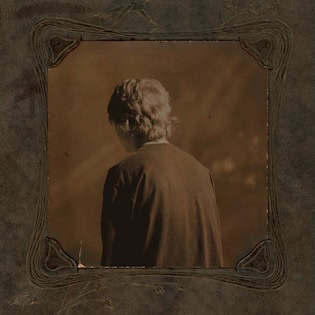
While there’s plenty of struggle and despondence on Ethel Cain’s second studio album, Willoughby Tucker, I’ll Always Love You—a prequel to 2022’s Preacher’s Daughter—she also tentatively explores something new: bliss. There’s an accessible, Swiftian quality to the album in that it earnestly presents a high school romance with the titular “pretty boy” as basically a matter of life and death. This is, textually, quite justified given that Cain canonically ends up getting murdered and cannibalized by a subsequent lover on Preacher’s Daughter. But even if you don’t know the character’s tragic fate, the sheer heaviness of the music suggests great stakes, reflecting how, when you’re a teenager, every sideways glance, conversation, and stolen kiss seems to carry the entire weight of the world. Willoughby Tucker, I’ll Always Love You is a supremely nostalgic album, representing how even the ugly parts of the past can get rolled into a sense that all was once golden before everything got fucked up. Winograd
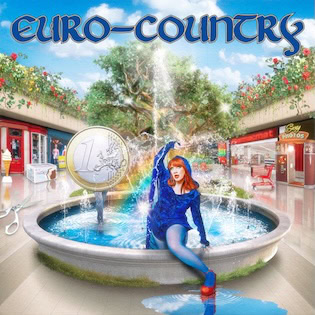
30. CMAT, Euro-Country
While Ciara Mary-Alice Thompson’s Euro-Country doesn’t exactly make good on its stated preoccupation with “lack of community” under “modern capital isolation” (if there’s a unifying theme here, it’s “party girl grows up against her will”), it’s still among the most aesthetically unique pop albums of the year. Taking inspiration from country music as well as the traditional sounds of her native Ireland, the catchy tunes, from the gloriously agitated “Jamie Oliver Petrol Station” to the barroom piano closer “Janis Joplining,” are what make Euro-Country ripe for repeated plays. Lyrically, Thompson’s biggest strength is turning introspection into lacerating wit, offering such unforgettable nuggets as “Come learn my mantra, it’s like ‘Okay, don’t be a bitch’” and “Holy smoker I’m such a joker, spent all my money on things that keep me tired.” Alec Lane
29. Bad Bunny, Debí Tirar Más Fotos
While Bad Bunny’s typical mode is irreverent and hedonistic, the reggaeton star’s seventh studio album, Debí Tirar Más Fotos, is bracing in its wistfulness. On the de facto title track, “DTMF,” the rapper and singer mourns the opportunity to preserve the memory of his native Puerto Rico before it was transformed by tourism and gentrification. The song, which sparked a social media trend of video tributes to loved ones, artfully weaves the musical present and past when its electro-pop production drops out, leaving only the voices of a plena choir. Elsewhere, the enticingly danceable “Nuevayol” gracefully incorporates salsa brass with reggaeton beats as Bad Bunny pays tribute to the legends of Latin music who pioneered the musical styles that he now innovates and showcases worldwide. Mason
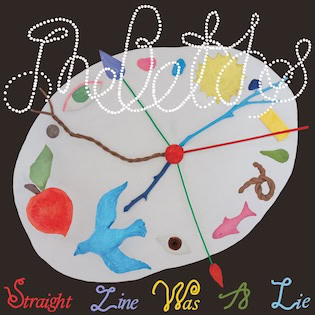
28. The Beths, Straight Line Was a Lie
The shortest path between two points may be a straight line, but sometimes going in a straight line doesn’t actually move you forward. This realization serves as the central theme on the Beths’s fourth studio album, Straight Line Was a Lie, which was inspired, in part, by lead singer and songwriter Elisabeth Stokes’s struggle to write the follow-up to the New Zealand band’s critically acclaimed 2022 album Expert in a Dying Field. Stokes’s songs have always been witty and self-aware, personal but relatable, and the lyrics on Straight Line Was a Lie offer even deeper, more vulnerable insights into her psyche. Accompanied only by acoustic guitar, Stokes paints a wistfully charming portrait of the creek where she would go “when my house felt like a locked room” on “Mosquitos.” With the understated emotion characteristic of so many of her performances, Stokes expresses her longing “to feel a different gravity” on “Best Laid Plans.” Perhaps the search was all she needed to move forward. Winograd
27. Erika de Casier, Lifetime
Erika de Casier has been carving out a niche for herself in left-of-center, electronica-leaning R&B for the last few years, and her fourth album, Lifetime, achieves her most successful balance yet between moody beats and featherweight singing. De Casier’s flighty yet unruffled expressions, from the wryness of “You can call me delusional/‘Cuz I’m imagining things as usual” to the overeager offering of “You want a piece of me, baby—you got it,” are all played in the exact same register. Each song is atmospherically fine-tuned with layered details: the horse naying woven throughout “Delusional,” the loping pace and shifty, record-scratch percussion on “The Chase,” and the industrial patter and churn of “Seasons.” Lifetime creates fixed stylistic parameters for itself and operates within them methodically and satisfyingly. Lyons-Burt
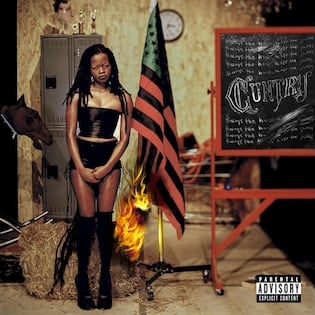
26. Cleo Reed, Cuntry
Folk music is more than just stripped-down acoustic songs. It’s born of an anti-establishment ethos from the perspective of the disadvantaged. The anti-capitalist, sorta-hip-hop, sorta-Americana ditties on Cleo Reed’s Cuntry clear that bar. The album’s 14 tracks, each with their own loping pace and colorful intonation, are not only lyrically suffused with a rejection of market-driven societal strictures, but their very nonconforming structures offer an implicit critique of the formulas and algorithms that reign over contemporary music. But for all its righteousness, and as its title suggests, Cuntry is also prone to camp. It’s present in the singer’s candor, old-world twang, and the way they turn words over in their mouth with a mixture of disgust and delight. Cuntry accounts as readily for the toll of a nine-to-five grind and our increasingly commercialized culture as it does the possibilities of a liberated existence: “Maybe we could live twice,” Reed wonders. Lyons-Burt
RELATED STORY
The 50 Best Songs of 2025
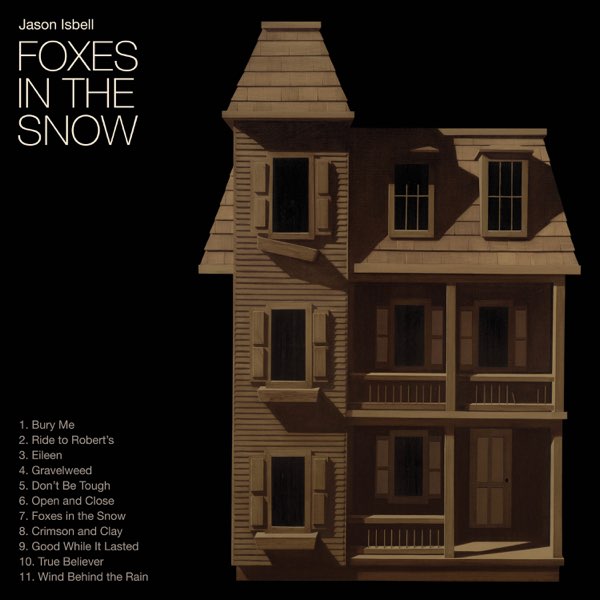
25. Jason Isbell, Foxes in the Snow
Earnest and quietly distraught, Jason Isbell’s Foxes in the Snow features only Isbell and an 85-year-old acoustic guitar, resulting in his most starkly realized effort to date. Isbell’s disposition is almost uniformly sincere and virtuous throughout. He’s one of the best craftsmen of uncool, old-fashioned, and irony-free country-rock, and the realizations that he’s come to as a sober and more contemplative person are humane in a way that comes close to anti-drama. Despite the chipper bluegrass riff of “Ride to Robert’s,” or the sky-reaching chord changes of songs like “Crimson & Clay,” this is a lonely, tortured album. It begins with an a cappella verse about where Isbell wants to be buried and it ends with a deafeningly minor key note. Like the grand but empty house that adorns the album’s cover art, the comrades who once lit up Isbell’s work, including Shires, aren’t here. It’s incredibly affecting to witness him contend with what that absence means. Lyons-Burt
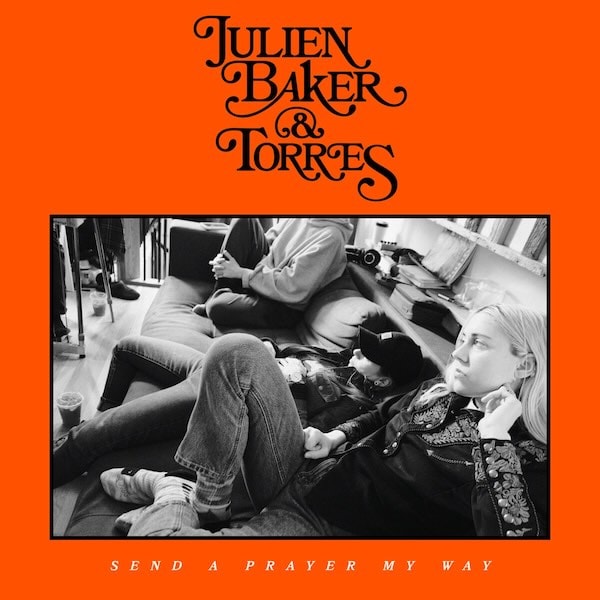
24. Julien Baker & Torres, Send a Prayer My Way
On Send a Prayer My Way, Julien Baker and Torres reclaim the honky-tonk music they grew up on. With familiar genre hallmarks like pedal steel and banjo, drinking songs, and honey-sweet harmonies, the pair demonstrates a deeper understanding of what makes authentic country music than many of the good ol’ boys in Nashville. The album sounds fresh and contemporary even as it reaches for, and strikingly captures, classic country vibes. Send a Prayer My Way may not reinvent the wheel musically, but by virtue of the fact that Baker and Torres are young, queer women, it does take on a subversive bent that challenges the cultural hegemony that’s all but co-opted the genre in the popular imagination. Winograd
23. Youth Lagoon, Rarely Do I Dream
On Rarely Do I Dream, his fifth studio album under the moniker Youth Lagoon, singer-songwriter Trevor Powers delves even deeper into his personal memories, extracting vivid textures from accounts of his childhood in Idaho from audio sourced from VHS tapes recorded when he was a toddler. The blithe innocence in those recordings accentuates the album’s frequently morose themes, namely drug abuse. “Tear me down like the dream/In the face of my daughter/I feel sorry/I’m a speed freak,” Powers sings on the clamorous “Speed Freak,” a chunky synth propelling each verse of the song. But while the album is Powers’s most grounded to date, many of the songs here, such as the standout “Gumshoe (Dracula from Arkansas),” retain the sense of wonderment that defined his earlier, more psychedelic music to dazzling effect. Mason

22. Lorde, Virgin
Lorde’s fourth album, Virgin, sees her embracing uncertainty even more unapologetically than ever. The album’s first track, “Hammer,” opens with a hesitancy—“I’m ready to feel like I don’t have the answers”—that it doesn’t care to resolve, while lead single “What Was That?” lingers in the confounding aftermath of a breakup. Lorde uses her singular vocals to greater effect here than on 2021’s Solar Power, rekindling the vocal dynamism that makes 2017’s Melodrama so riveting. Her voice moves from a pained rasp during the refrain of “Man of the Year” to the breathy whispers of “Shapeshifter” to the semi-rapped delivery of “If She Could See Me Now.” When the album’s production, vocals, and lyrics are in perfect harmony, the results are sublime. It’s there toward the end of “Man of the Year,” when Lorde cathartically describes “How I hope that I’m remembered” over a clatter of programmed drums and synths, and on “Shapeshifter,” whose bridge, for its layered synth-pop and musings on a relationship in flux, calls to mind Taylor Swift. In the end, though, it’s in the gray areas that Lorde seems to thrive. Williams
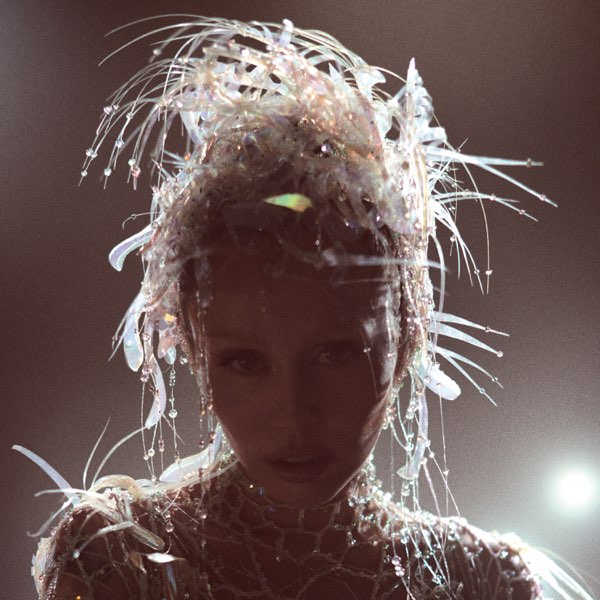
21. Miley Cyrus, Something Beautiful
The songs on Miley Cyrus’s Something Beautiful take their sweet time unfolding, luxuriating in sax solos, spoken interludes, and some loosely defined world-building in service of a post-apocalyptic narrative—something about ego death and the end of the world. The album’s back half, though, is a bona fide barnburner, dropping you into a dystopian discotheque. “Every Girl You’ve Ever Loved” is a feminist anthem that channels ballroom culture, while “Reborn” is dirty, dark, and rapturous. On the album’s final track, “Give Me Love,” Cyrus surveys humanity’s path from paradise to hell, inspired by a copy of Hieronymus Bosch’s painting “Garden of Earthly Delights” that she found at a yard sale in the Valley. In the end, she bids farewell to her “perfect Eden,” perhaps resigned to the realization that love can’t save the world after all. Cinquemani
20. Samia, Bloodless
Samia’s third studio album, Bloodless, is a gruesome, precise, and poetic act of self-surgery. Across 13 tracks built on complex tensions, the Minneapolis-based singer-songwriter dissects the performance of identity, the ache to be known, and the fear of being misunderstood. The result is often beautiful, but it doesn’t come easy. This is transformation by scalpel, told in songs that are messy, defiant, and unflinchingly honest. Throughout the album, Samia leans on metaphor as her sharpest tool for getting at the truth. On “Bovine Excision,” she picks leeches off of her underwear and meditates on bloodlessness as emptiness. “I wanna be untouchable/I wanna be impossible,” she sings. Bloodless ends with a final act of exposure: “I got nothing under these Levi’s,” Samia admits on “Pants,” stripped of metaphor, defense, everything. The track’s multipart structure, anchored by an interlocking bassline and vocal, feels like a hard-earned resolution: dirty but complete. In the end, Bloodless doesn’t try to clean up the mess—it just lays it bare. Seip
19. Model/Actriz, Pirouette
Pirouette is both sad and seductive, as Model/Actriz pushes its sound into a space where physical intensity and emotional delicacy thrive. Turning nervousness into movement, the New York band lets that tension soften enough to reveal what’s beating beneath. There are still industrial pulses and sweat-soaked choruses; now, though, there’s a newfound vulnerability. You can hear the shift in the way singer Cole Haden’s falsetto stretches, reaching to lengths that feel more fragile than anything on Model/Actriz’s debut. The band has always made bodies move, but here it makes that motion feel like empathy. Track by track, Model/Actriz walks a fine line, refining its instincts without dulling the jagged edges that made the band so gripping in the first place. Pirouette aches, beats, and ultimately invites you in—not with a shove or the accidental bumps of a crowded club floor, but with the kind of graceful pull. Kohner
18. Pink Pantheress, Fancy That
PinkPantheress’s latest mixtape, Fancy That, marks a decided shift from the primarily U.K. garage of her debut studio album, Heaven Knows, toward more overt four-on-the-floor club music. The two-and-a-half-minute opening track, “Illegal,” serves as a primer for what follows, kicking off with a familiar 2-step rhythm and a sample of the sleek synth pads from Underworld’s iconic “Dark & Long (Dark Train)” before building to a 4/4 beat for a succinct but sublime 30 seconds. The longest track on Fancy That barely scrapes the three-minute mark, though that seems epic compared to the tracks on the English singer’s 2021 mixtape To Hell with It. And yet, in just over 20 minutes, it still manages to leave a distinct impression. Cinquemani
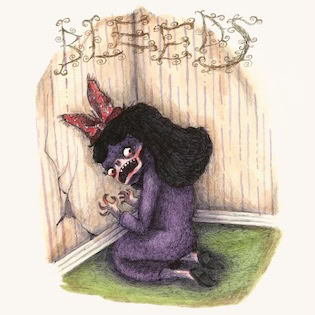
17. Wednesday, Bleeds
Karly Hartzman, Wednesday’s singer and primary songwriter, and MJ Lenderman, the band’s guitarist, ended their romantic relationship shortly before recording Bleeds. Lenderman also announced he would cease touring with the band. This is all probably a good explanation for why, compared to 2023’s Rat Saw God, there’s even more of a stylistic dividing line here, largely between grungy rock songs like “Wound Up Here (By Holdin On)” and country-rock tunes like the breezy “Elderberry Wine,” which could have fit right in on Lenderman’s Manning Fireworks. One element tying everything together is Hartzman’s knack for melodies that zig and zag all over the scale in wonderfully unexpected ways. She’s an incredibly expressive vocalist, often fearlessly pushing her range to its limits, like when she follows the roaming guitar riff at the end of “Townies” or tears her throat to shreds during the coda of “Pick Up That Knife.” She’s the perfect singer for a band that never deigns to obscure neither their ugliest inner turmoil nor their most tender feelings. Winograd
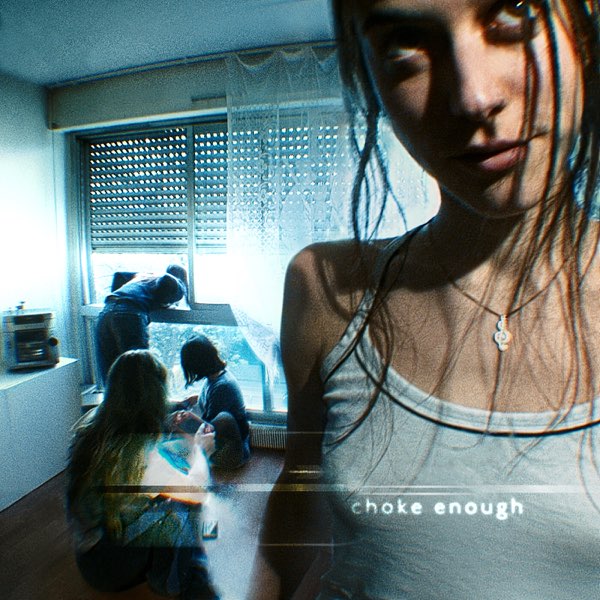
16. Oklou, Choke Enough
Oklou’s Choke Enough exists in a strange, beautiful in-between space—between the ambient and clubby, the hazy and crystalline, and the medieval and modern. The artist herself has described the album as a quest for meaning, and the music reflects that. Upon first listen, Choke Enough can feel distant, even coded. But give it time and it begins to unfurl. There’s a kind of quiet magic at work here: The vocals are lush but never indulgent, and the production is sleek and textural, detailed but never showy. You get the sense that many of these songs could explode into full-on club tracks, maybe even into pop ballads—but they don’t. That restraint gives them their power. This is an album that rewards curiosity. It doesn’t explain itself, but rather draws you in to explore. Seip
15. YHWH Nailgun, 45 Pounds
YHWH Nailgun’s 45 Pounds is one of the most adventurous rock albums in recent memory—if you can even call it rock. It’s twitchy, volatile, and hard to pin down. “Blackout” lands closer to Death Grips than anything in the current rock landscape. Everything about the NYC band’s approach feels off-kilter in the best way. The songs are built around the drums—rototom-heavy, technical, almost melodic. The guitars barely sound like guitars, and the synths are huge and bright. Poetic vocals come in like whispered screams from the back of the mix, gasping for air beneath the noise. And yet, there’s a poptimist strain lurking beneath the album’s punishing intensity. Spelling out “tear pusher” on the song of the same name feels more Village People or Chappell Roan than noise rock. On closer “Changer,” a floating, ghostly “Oooo” hints at something gorgeous, and suggests that YHWH Nailgun could go absolutely anywhere. Seip
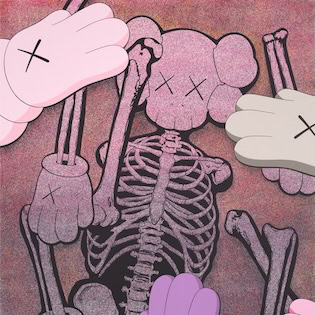
14. Clipse, Let God Sort Em Out
With Let Got Sort Em Out, Clipse returns after a 15-year hiatus with a clarity and precision that made the long wait well worth it. “So Be It” finds Pusha T and Malice, accompanied by a string sample that evokes the playful menace of a vintage Neptunes production, firing off shots at the current hip-hop landscape. Guests like Tyler, the Creator and Stove God Cooks deliver standout verses that slot right into Clipse’s cold universe. The cutting and urgent “M.T.B.T.T.F.” goes even further, tapping into the spirit of rap’s golden age in a way that can’t be mistaken for cheap nostalgia. But the album’s emotional core is right there from the start, on opener “The Birds Don’t Sing,” where both brothers confront the loss of their parents and the regrets that cling to it. They sound older, yes, but also somehow freer, returning not to relive their history but to reckon with it. Seip
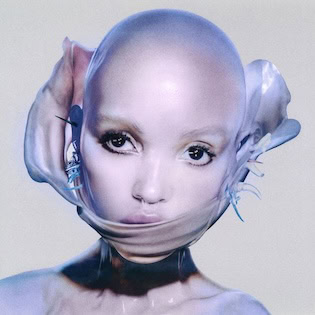
13. FKA twigs, Eusexua Afterglow
For an album whose title suggests a comedown from its predecessor’s euphoric high, the opening track of Eusexua Afterglow goes surprisingly hard. Backed by a relentless 4/4 throb, the fleeting “Love Crimes” finds FKA twigs equating corporal pleasure with mortality. The album’s 11 songs bleed into each other, linking each one to a loose narrative through line that extends from Eusexua, but it’s twigs’s psyche that emerges as the album’s fulcrum. Afterglow’s building blocks are the same as its predecessor’s: drum ‘n’ bass, swirling Ray of Light-esque arpeggios, and a preoccupation with pleasure, pain, and the human form. But the album also exists as a standalone work, with distinct elements like the distorted guitars and grindy synths that dirty up “Predictable Girl” and the shoegazy “Stereo Boy,” and indecipherably pitched-up vocals on tracks like “Cheap Hotel” that call fellow futurist Grimes to mind. And while Eusexua feels rooted in the moment, Afterglow is very much a reflection of what just happened. Cinquemani
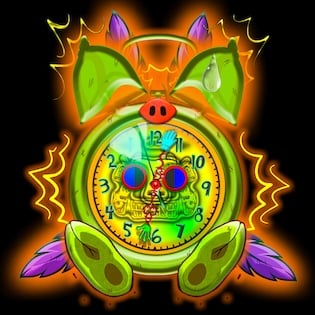
12. Los Thuthanaka, Los Thuthanaka
Los Thuthanaka’s self-titled debut is a thrilling collision of ancestral tradition, musical experimentation, and queer identity that defies easy categorization. Drawing on the sibling duo’s Aymara heritage, the album reimagines Andean rhythms through distorted synths and electric guitars, producing tracks that are as challenging as they are captivating. “Huayño ‘Phuju’” pairs syncopated huayño strums with bit-crushed electronics, while “Awila” transforms a 12-minute drum-and-piano march into a hypnotic, ecstatic journey that deepens with each passing moment. Across the album, Los Thuthanaka moves from ritual intensity to unruly momentum, shaping a sound rooted in the past but aimed somewhere that hasn’t yet been mapped. Their stripped-down approach follows its own internal logic, purposeful and unwavering, turning the album into something that speaks plainly in its own distinct and compelling language. The music Los Thuthanaka makes is unapologetically obtuse by conventional standards, yet it’s as baffling as it is breathtaking, as bold as it is beautiful. Attard
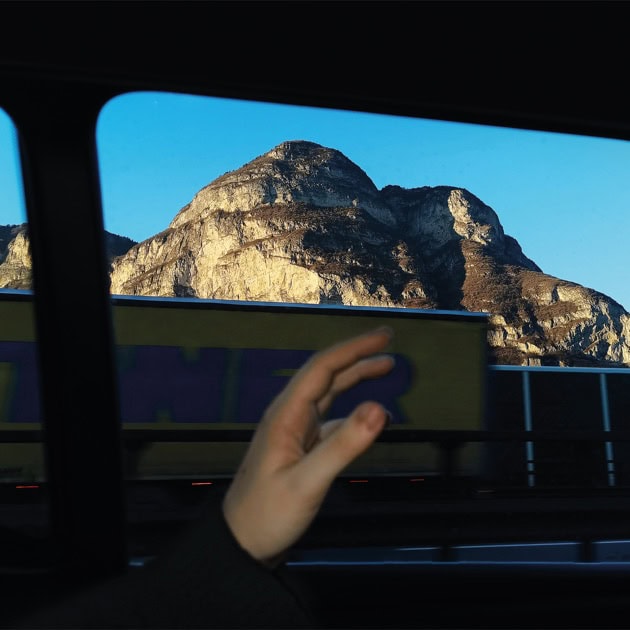
11. Caroline, Caroline 2
Caroline 2 is an album of collisions: between time and space, past and present, precision and spontaneity. The songs never settle, seemingly discovering themselves in real time. The album resists clean structures and resolutions, creating a space where songs feel less like finished products and more like living systems—always in motion and always on the verge of change. Part of what makes Caroline 2 so compelling is how closely its mysteries mirror its methodology. The lore behind the album’s writing and recording—the traveling mic, the cemetery sessions, the collaged demos—feels like an extension of the music itself. The songs build a world you can almost see but never fully grasp. The band understands that not knowing can be its own kind of truth. Seip
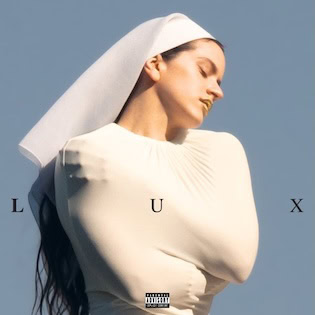
10. Rosalía, Lux
Rosalía sings in 13 languages throughout Lux, accompanied by the commanding presence of the London Symphony Orchestra, but the skittering percussion and distorted samples of songs like “Focu’Ranni” gesture outside this rarified world. The past and the present coexist across the album’s 18 tracks. Rosalía embraces the more contemporary, glitchy beats of hyperpop on “Reliquia,” but there are also traces of traditional flamenco on “Memoria” and “La Rumba del Pardon.” The album’s lyrics find reflections of Rosalía’s own experiences with love and fame in the lives of saints. And her desire to assert her worth as a woman and artist exists in parallel to a fixation on the place of women in Christianity. She makes plain her disappointment with the material world, and the distance between loving God and individual people. Lux is ambitious, challenging, and provocative. But it rewards patience—and repeat listens—as you luxuriate in the breadth of Rosalía’s transcendent world. Erickson
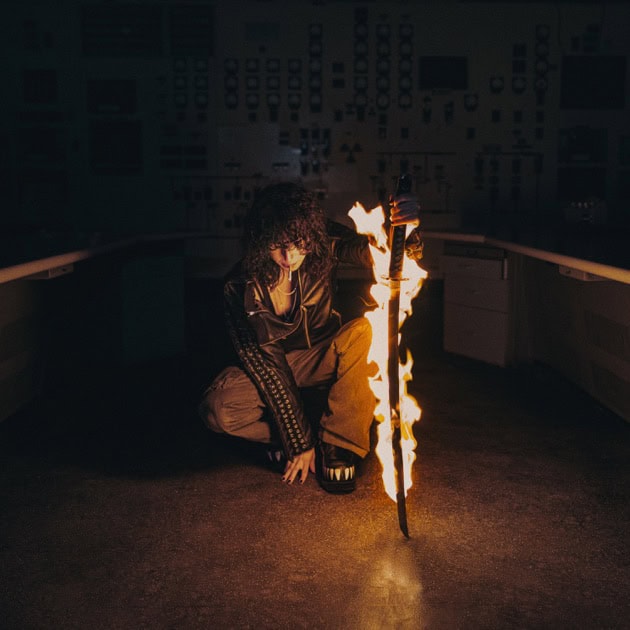
9. Jane Remover, Revengeseekerz
In a remarkably compressed run of three albums made from ages 17 through 21, Jane Remover has signaled their agitation and stylistic restlessness, but none of their work so far has brought that to bear as forcefully as Revengeseekerz. The album pummels you from the start with everything from clattering percussion to crushing bass. And songs are unstable, reformulating or recalibrating midway through, marked by explosions and beat switches. “Dancing with Your Eyes Closed,” for one, has a fittingly unstable gait, and sound seems to come from every direction, like a roof caving in on itself, on “Psychoboost.” Chaos calcifies into rhythmic bliss on “Experimental Skin,” and the hooks waft out of “Star People” despite the whole thing sounding like a blaring alarm system. Revengeseekerz is aurally assaultive, but beneath all the sonic detritus you’ll find surprisingly thoughtful and well-considered lyrics about self-destruction and a young person’s expanding, pained relationship to the world. Lyons-Burt
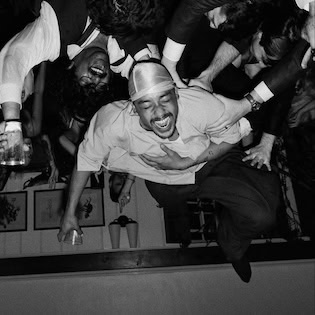
8. Dijon, Baby
With Baby, Dijon’s musical vision comes into full focus. The singer-songwriter-producer’s sophomore effort hits like a sensory overload. Upon first listen, it’s brash, chaotic, and overwhelming—bursting at the seams with ideas, feelings, and electricity. But the album’s wild, brain-melting production isn’t just a container for the songs. Distorted drums, strange arrangements, and an overcompression that gives these songs their signature tension—every choice feels jagged, deliberate, and just a little wrong in just the right way. Dijon’s music boasts the craft and swagger of Prince, the esoteric inner world of Frank Ocean, and the no-rules, hands-on impulse of Cody Chesnutt. It’s messy, fearless, and gloriously unconcerned with tradition. Rules were meant to be broken, but Baby pulverizes them and builds something entirely new. Seip
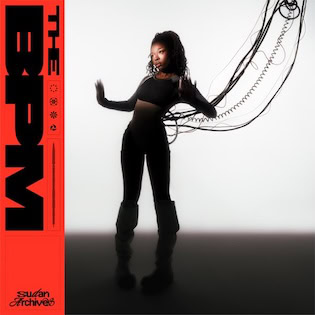
7. Sudan Archives, The BPM
“The BPM is the power,” Sudan Archives sings on the title track of her third studio album. Embodying “Gadget Girl,” a persona who empowers herself by making music through technology, Archives generates startlingly new sounds on The BPM. She covers a broad sonic range with her signature violin, treating the acoustic instrument like it’s electric throughout. On the surface, The BPM is a relatively accessible dance album, and Archives is far from the first artist to treat the nightclub as home. But it also features some uncommonly harsh sounds: Buzzing noises fill up the album’s empty spaces (these songs are best consumed on headphones), giving the proceedings a hallucinatory edge. The BPM finds excitement in disintegration, evoking a night out where druggy euphoria keeps threatening to morph into something more dangerous. hroughout the album, both the singer and the music itself are constantly on edge, and yet The BPM pulses with the kind of euphoria that can only come from letting loose on the dance floor. Erickson

6. Tyler Childers, Snipe Hunter
Tyler Childers’s seventh studio album, Snipe Hunter, homes in on a set of seemingly disparate topics—religion and our relationship to nature—alongside more personal issues like the singer’s alcoholism and life as a musician. Often tuneful, sometimes plaintive, these 13 songs are as electrifying and affecting as they are profound. The album’s most persistent theme is the supposed dominance of humans over nature. On the album’s opening track, “Eatin’ Big Time,” Childers’s voice, sounding almost enraged, is at odds with his words as he describes shooting and carving up livestock and the domestic comforts that separate him from the animals. The contrast between the vocal delivery and the lyrics suggests an ambivalence about the narrator’s impact on the world. By synthesizing a variety of sounds and themes into an unshakeable whole, Snipe Hunter is the rare album that is both an aesthetic and a thrillingly profound philosophical statement. Lane
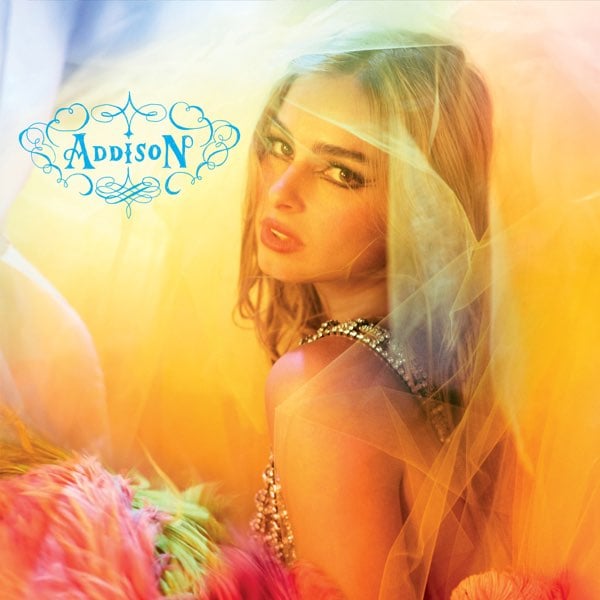
5. Addison Rae, Addison
Addison Rae’s debut album, Addison, is the hard-won culmination of the TikTok star’s lengthy and public-facing reinvention. It’s a slinky and scintillating album, poised between self-mythology and self-discovery: “Tell me who I am,” she sings in the opening seconds of “Fame Is a Gun”—at once a challenge and a plea. Throughout Addison’s fleet 33 minutes of breathy, sparkling, unapologetic pop, Rae makes roundabout moves to tell us who she is. That the singer never really arrives at an answer is part of what gives the album its conceptual thrust. Addison’s pleasures are right there on the surface, and though it’s compelling as a response to an identity crisis, the music speaks for itself. Like so much good pop music, Addison makes hard work seem like second nature. Alexander Mooney
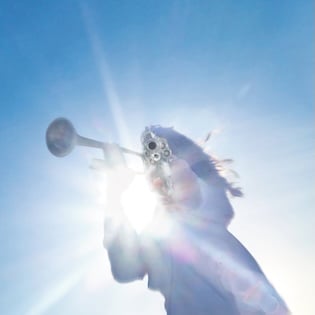
4. Geese, Getting Killed
Geese’s Getting Killed is an album of and for our times. Reportedly recorded in just 10 days, it thrives on sharp edges, sudden turns, and a kind of half-broken beauty. This is a band that moves so fast that it sounds like the songs are inventing themselves as they go. If 2023’s 3D Country was an attempt at mapping out a grand narrative, with a full-throttle sound to boot, Getting Killed is far more impressionistic. It’s a fragmentary portrait of daily life as an endless street fight, where cruelty and tenderness are two sides of the same coin. Throughout opener “Trinidad,” Cameron Winter and Emily Green’s jagged guitars collide with Max Bassin’s percussion, trumpet darting in and out like fireworks, while Winter howls about a bomb in his car until it feels less like a metaphor for everyday dread and more like a literal warning. The band sounds at once locked-in and reckless, as if they’ve discovered how to weaponize sloppiness and sprawl into pure momentum, and the result is never anything less than thrilling. Attard
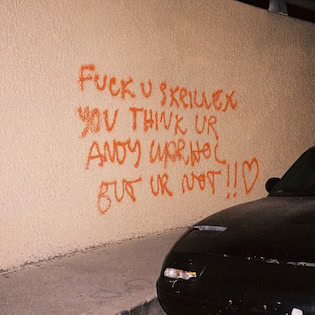
3. Skrillex, Fuck U Skrillex You Think Ur Andy Warhol but Ur Not!!
Surprise-released on April Fool’s Day and titled after a cheeky graffiti tag, Skrillex’s fourth studio album positions itself as little more than a lark. Between goofy DJ Smokey interludes, its 30-some-odd songs are, above all else, breathless fun, but the album is far from insubstantial. In fact, it’s the DJ-producer-singer’s foremost artistic triumph. Largely liberated from conventional pop forms, which never really suited him anyway, Skrillex makes a strong argument for dance music’s preternatural qualities by sustaining an unabated sense of euphoria. What’s more, he makes it all seem easy. The album is a thrilling transmission from his pleasure centers to yours. Maybe from his heart too: The closing statement—“We’ve gotta believe in the voltage that lives inside us, we’ve gotta believe there’s something more”—is as inspirational as any of the sonic trickery on display throughout. Lane
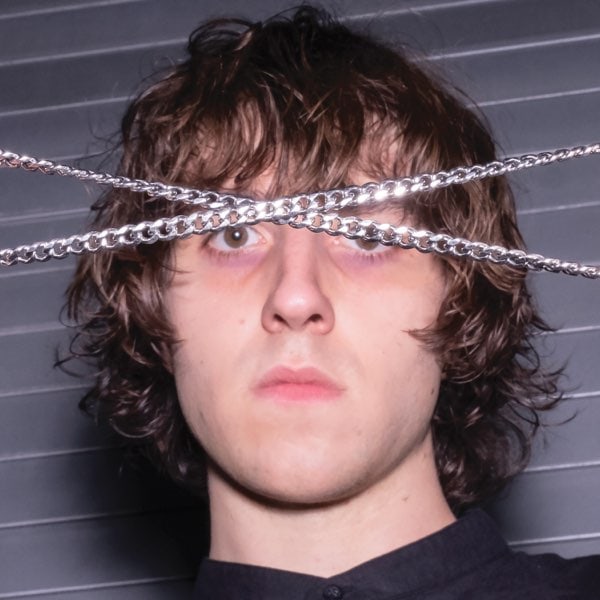
2. Cameron Winter, Heavy Metal
Stripped-back, strange, and deeply intimate, Geese frontman Cameron Winter’s Heavy Metal trades the band’s typical bombast for lyrical surrealism and raw, theatrical vulnerability. From the off-kilter poetry of opener “The Rolling Stones” to the slow-burning gospel climax of “$0”—where Winter wolfishly babbles, “God is real/God is real/I’m not kidding/God is actually real”—his croaking, Jim Morrison-esque drawl remains the magnetic, if polarizing, center. Musically, the album drifts through skeletal piano ballads, freaky lounge jazz, and weirdo pop, sometimes minimalist, other times lush, and always unquantifiable. It’s a confessional and chaotic album, one that toys with sincerity and absurdity in equal measure, but always in refreshingly fearless ways. It’s a bluesy lo-fi odyssey of unruly emotion, oddball wit, and, at times, overwhelming beauty. Attard
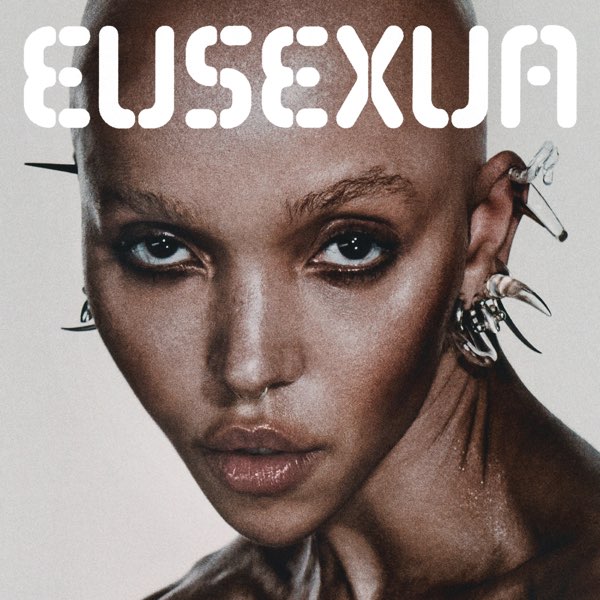
1. FKA twigs, Eusexua
Where FKA twigs’s debut, LP1, moved like molasses, Eusexua is mostly a briskly paced techno album. It’s propulsive and fun, but, like LP1, it’s wrapped in anguish. On “Sticky,” twigs sings, “I tried to fuck you with the lights on/In the hope you’d think I’m open,” a call-back to “Lights On.” After twigs’s first few projects obsessively catalogued the pains of codependence and stasis, Eusexua presents someone learning to find strength in near-constant movement: “Keep It, Hold It” sees her putting one foot over the other as a means of survival while trying to hold close what’s dear and protect it with all her power. Perhaps this gesture is one of protection against intrusive and abusive men, and this album finds her both focusing on herself and taking refuge in trysts with people she doesn’t—nor cares to—know. Lyons-Burt
Since 2001, we've brought you uncompromising, candid takes on the world of film, music, television, video games, theater, and more. Independently owned and operated publications like Slant have been hit hard in recent years, but we’re committed to keeping our content free and accessible—meaning no paywalls or fees.
If you like what we do, please consider subscribing to our Patreon or making a donation.