
As A.I. has become ubiquitous and its creators’ contempt for manmade art has grown louder, questions around what it means to be human in a tech-dominated world have taken on more existentially weighty dimensions. Certainly films have plumbed these questions for decades, but exploring them in new, adventurous ways feels essential in the face of technological forces seeking to stifle and eventually eradicate the artform.
Fortunately, filmmakers from around the world have met this challenge with resounding ambition and ingenuity. David Cronenberg’s The Shrouds fascinatingly explores how technology, as it mediates more than just feelings of grief, can rewire people’s understanding of death, while Albert Serra’s documentary Afternoons of Solitude draws an absorbingly painstaking line between the brutality and spectacle of bullfighting and masculine will.
Of course, part of being human is also ruminating how we’ve gotten ourselves into the geopolitical messes we constantly find ourselves in. And no less than two of our favorite films of the year examine the lingering repercussions of colonialism on 21st-century life, while an essay film by a German filmmaker holds up a mirror to America, pointedly chronicling the perpetual gulf between how a nation sees itself on the silver screen and how it really is.
Mostly, though, the films on our list are geared toward illuminating our uniquely human pattern instincts on a micro level, even ones as big in style as Ryan Coogler’s Sinners, which ferociously highlights the power of community in threatened spaces. Elsewhere, Joachim Trier’s Sentimental Value fascinatingly intertwines its depiction of a fraught father-daughter relationship with the making of a film and the transformation of an ancestral home, and it’s all the more resonant because the road to reconciliation here isn’t paved with easy apologies.
These 25 films are a rebuke to the tech bros who reduce humanity to dollar signs, celebrating the tremendous range of human expression that’s vital to our understanding the context of the age we live in and to the process of reaching for a better version of ourselves. Derek Smith
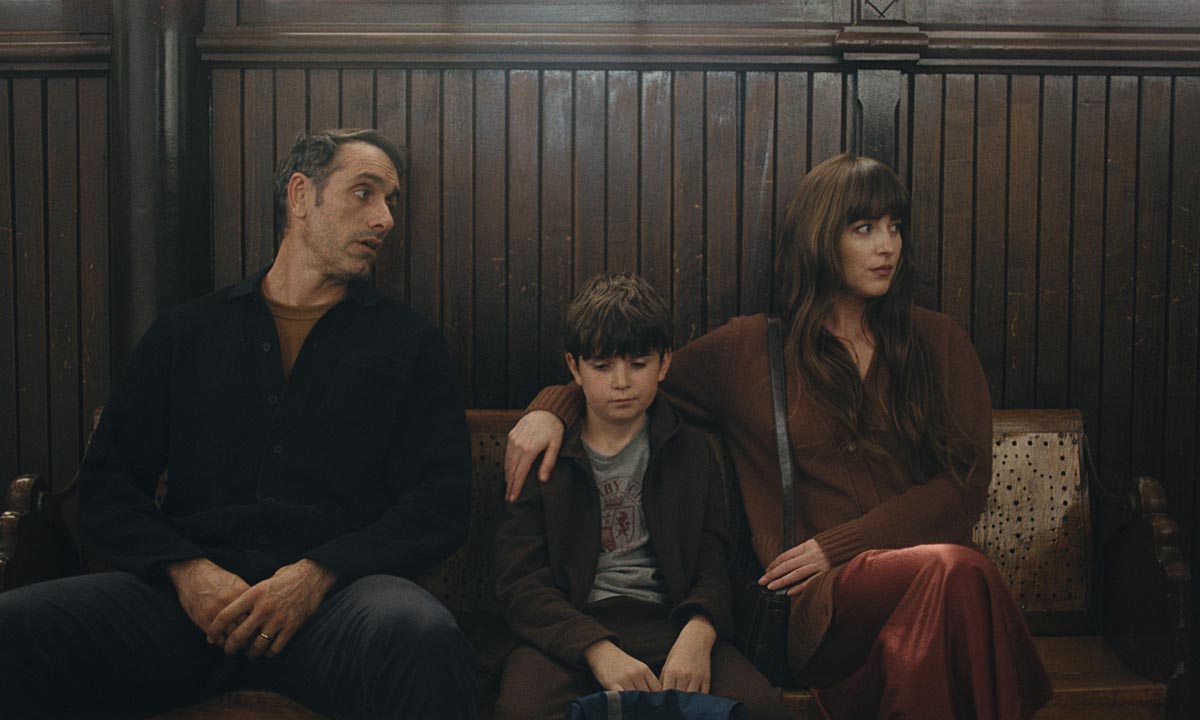
25. Splitsville (Michael Angelo Covino)
With their latest relationship-centric comedy, Splitsville, writer-director Michael Angelo Covino and co-writer Kyle Marvin contemporize the screwball comedy by focusing on characters who get really loose with their screwing around—and have a ball in the process. Mostly steering clear of judgment calls or grand statements in favor of observational comedy, Covino and Marvin offer an instructive lesson on the force of (human) nature that is marriage. The institution represents an attempt to harness equal and opposite reactions, corralling the unruliness of the heart and the messiness of the libido into something resembling order. Maintaining a balance of different perspectives and proclivities is the key to functional coupling. It’s something that Covino and Marvin sharply show through Splitsville, itself a marriage of influences and inclinations that dissolves what might otherwise present as internal divisions. Marshall Shaffer
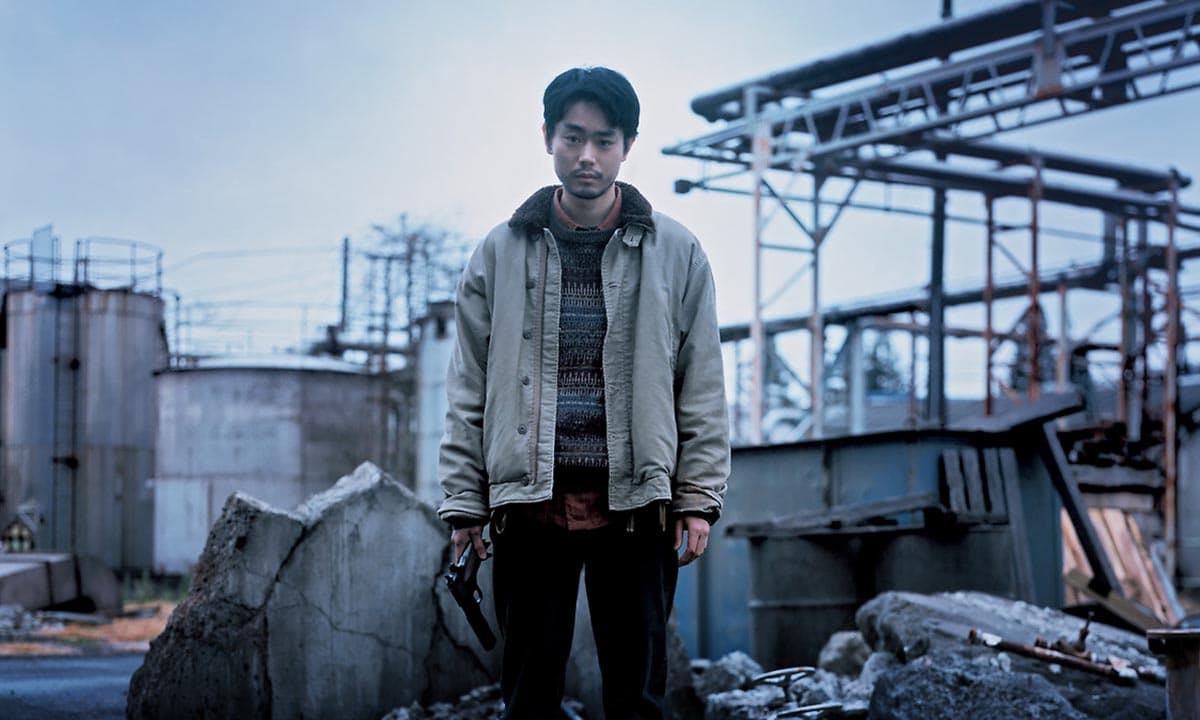
24. Cloud (Kurosawa Kiyoshi)
Like Pulse and Chime, Cloud is obsessed with media-stoked alienation, and it benefits mightily from Kurosawa Kiyoshi’s formal mastery. An empathetic but unsentimental poet of the modern void, Kurosawa twists one up in dread, with menacing long shots and pregnant pauses that seem to express wells of bitterness. He pulls us into Yoshii’s (Suda Masaki) hunger for success as the young man sells premium goods online under the username “Ratel.” The film grows more figurative as Ratel comes to dominate Yoshii’s life, spurring uproars online as consumers discover that he’s cheating them. Yoshii is vilified, and the online bashing that’s typically anonymous in real life is rendered intimate and physical by Kurosawa. It’s as if social media is a transmitted disease that turns people into video game assassins, opening up a fissure in reality, with the online cloud swallowing up the physical world. Chuck Bowen
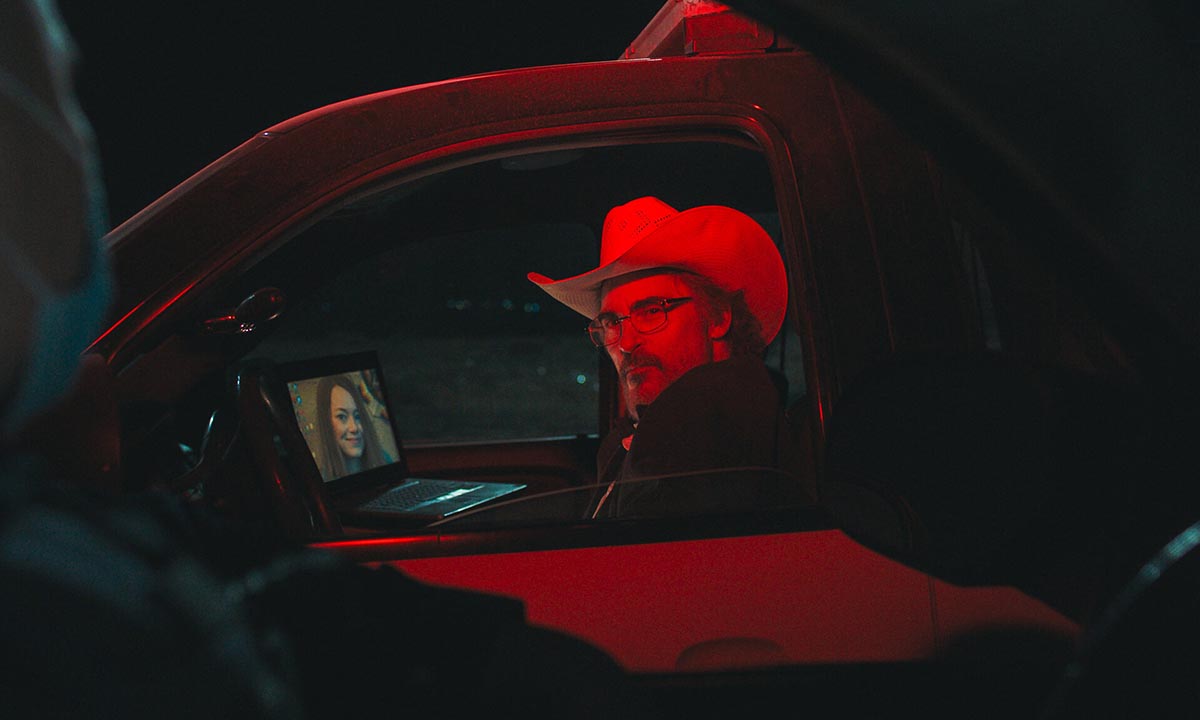
23. Eddington (Ari Aster)
Ari Aster’s Eddington looks back at the early days of the Covid-19 pandemic not with the clear vision afforded by retrospection, but from the bottom of the rift that America is still stuck in. It’s a fissure that, as Aster sees it, cracked wide open the moment that polarized politics, social and educational failings, and social media brain rot came up against a make-or-break crisis. Aster asserts that, even in spite of increasing awareness of social media as a form of self-surveillance, people are behaving worse than ever before, and, in the director’s version of 2020, there are no good faith actors. Everything across the spectrum of politics and rationality, from support for the Black Lives Matter protests to the need to speak out against satanic cabals of child-traffickers, is exposed as coming from a mercenary desire or unresolved trauma rather than stated principles or genuine conviction. Rocco T. Thompson
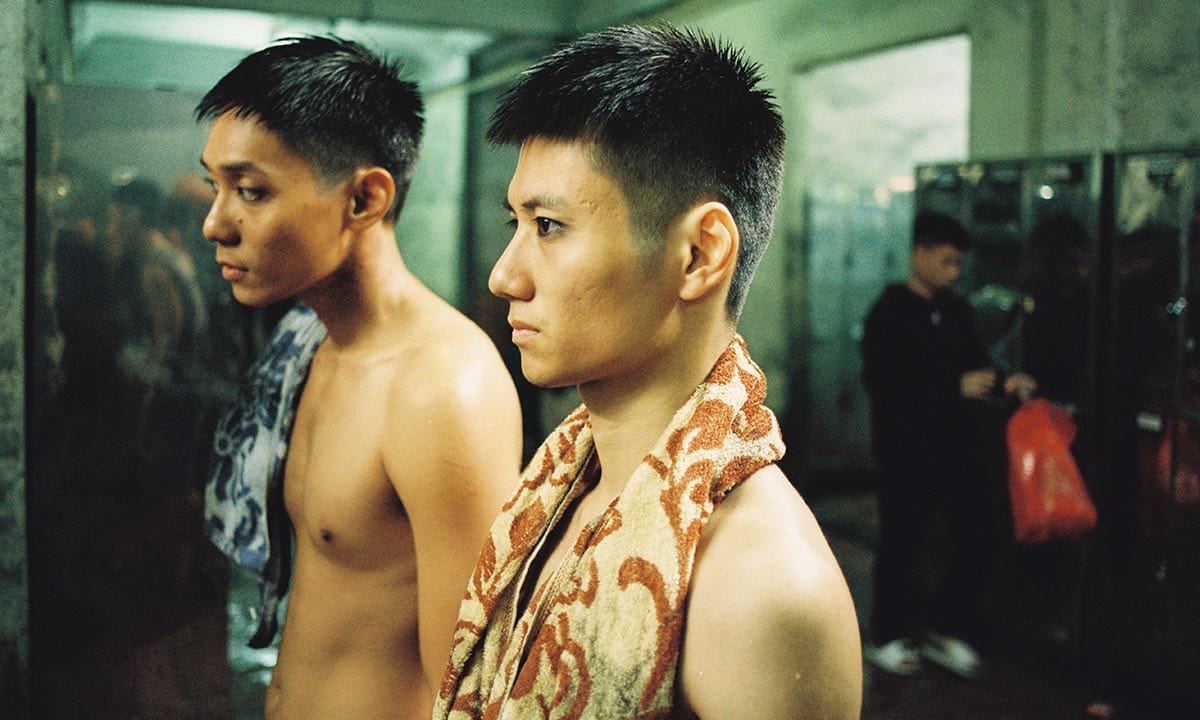
22. Viet and Nam (Truong Minh Quy)
Deliberately paced and prone to indulge in poetic intermezzos, at once earthy and otherworldly, Truong Minh Quy’s Viet and Nam has earned comparisons to the work of Apichatpong Weerasethakul, among others. But if the film is conversant with many of the prevailing trends in international art cinema, Quy doesn’t shy away from staring down the incensing specificities of current events. Quy has said in interviews that his film was at least partially a response to the deaths of 39 Vietnamese refugees, discovered in a refrigerated trailer outside of London in 2019. And interestingly enough, the further Viet and Nam progresses into its increasingly symbolic and fragmented second half—forget Weerasethakul, Quy at times seems to be channeling Muriel-era Alain Resnais—the more direct and polemical it also becomes. Eric Henderson
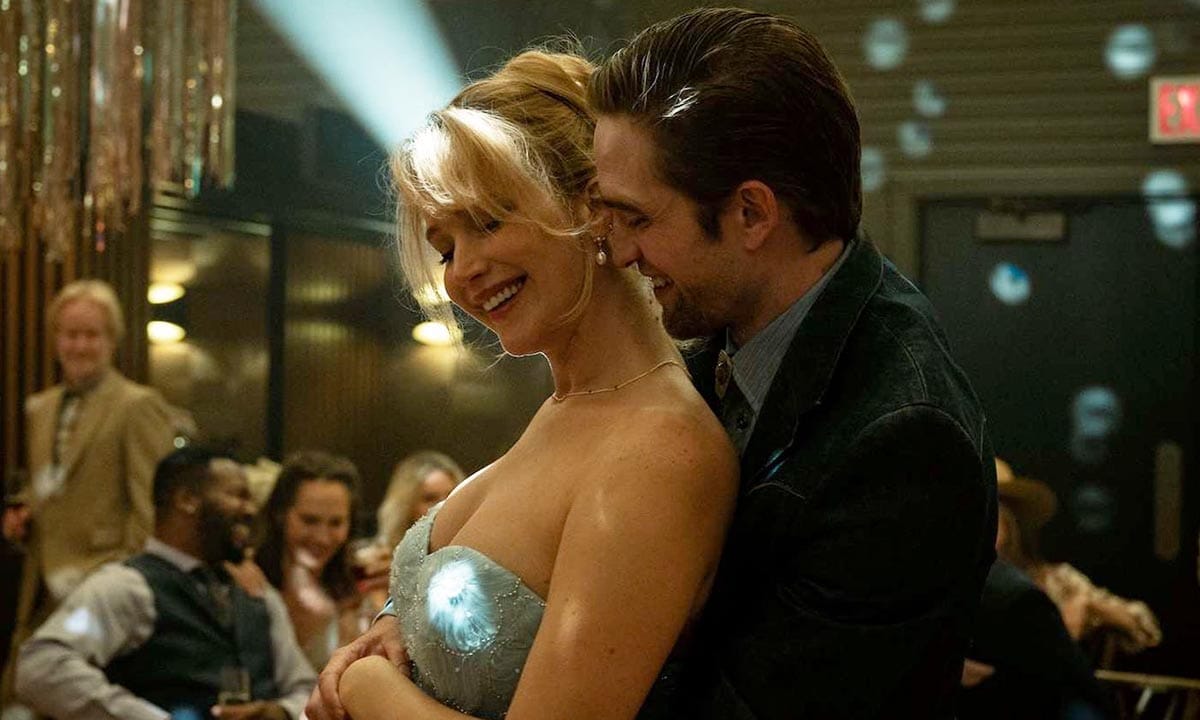
21. Die My Love (Lynne Ramsay)
Throughout Die My Love, Lynne Ramsay unleashes her most galaxy-brained concepts with a full-bodied commitment that should be the envy of filmmakers with similar ambitions. This is a film designed to rattle the viewer to the same extent as the experiences depicted here rattle Grace (Jennifer Lawrence) and Jackson (Robert Pattinson). Throughout, Lawrence’s performance externalizes all the impossible contradictions of becoming a mother. She squares the circle of a character who struggles to be erotic, empathetic, and energetic as she feels estranged from the person she was before giving birth. Even in the most dialed-up moments of domestic discord, Lawrence grounds the film in Grace’s hardscrabble, heartfelt struggle to maintain her tenuous connection to the humanity she once knew. Shaffer
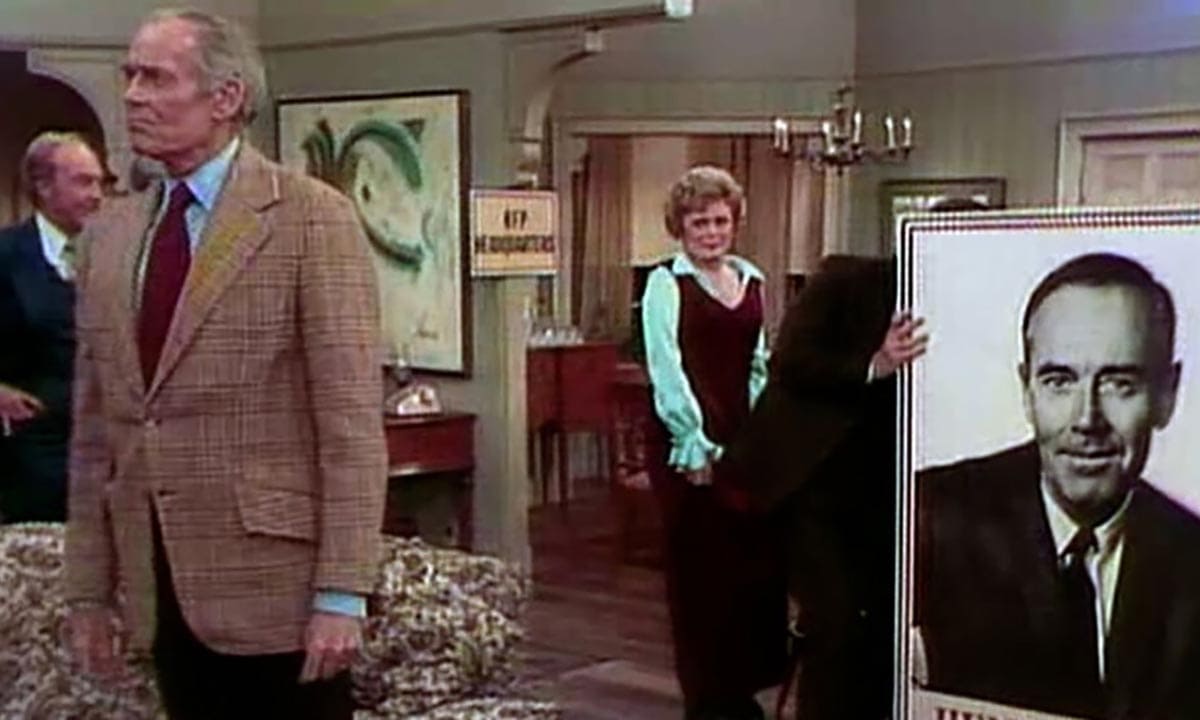
20. Henry Fonda for President (Alexander Horwath)
Alexander Horwath’s Henry Fonda for President rigorously unpacks the implications of Henry Fonda’s screen image. The film charts a more-or-less chronological course through American history and Fonda’s own life through the prism of his screen roles. Despite the mournful anti-war tone of Drums Along the Mohawk, its depiction of a Dutch settler community could still work as a “manual to genocide”; the Tombstone that Wyatt Earp cleaned up now exists as a tourist trap squeezing the last few dollars to be made out of the myths of the West; the exploitation that Tom Joad fought against in the migrant camps of the Salinas Valley is now more brutally visited upon Mexican workers. If Fonda was an avatar of American liberalism’s tolerance and self-scrutiny, the film suggests, so, too, does he represent its complicity in the nation’s sins and its failure to change its course in the direction of justice. Brad Hanford

19. No Other Choice (Park Chan-wook)
No Other Choice was adapted from Donald E. Westlake’s novel The Ax, a title that works as a double entendre for both the main character’s firing and his violence. Park Chan-wook’s title change speaks to the farcical approach that defines his biting new film, across which “no other choice” becomes a kind of disingenuous mantra, demonstrating how platitudes and apathy reinforce a violent status quo. Learning that his entire workforce has been replaced with A.I., Young Man-su (Lee Byung-hun) asks, “You’ll always need one man, right?” What he’s saying is that he will be that man, and by any means necessary. So long as there are people like Man-su, who becomes a symbol of capitalist competition and exclusion at its most extreme, the system will continue to churn. Which reveals No Other Choice less as a tragedy about one man and his family than it is about the state of the world. Taylor Williams

18. Caught by the Tides (Jia Zhang-ke)
Jia Zhang-ke’s Caught by the Tides attests to the fact that making art under the most adverse conditions can prove to be serendipitous. If shooting a film from scratch wasn’t feasible under China’s restrictive Covid lockdowns, Jia viewed the situation as a formal constraint, in the same way a poet might approach the rules of a sestina. Turning to his existing body of work, he recycled earlier material, editing together unused footage with what could be shot under the circumstances. The result is a bricolage of documentary, minimalist drama, and experimental remake. As Jia’s filmography is inseparable from the career of his spouse and longtime collaborator, actress Zhao Tao, the film also operates as a dual retrospective. William Repass
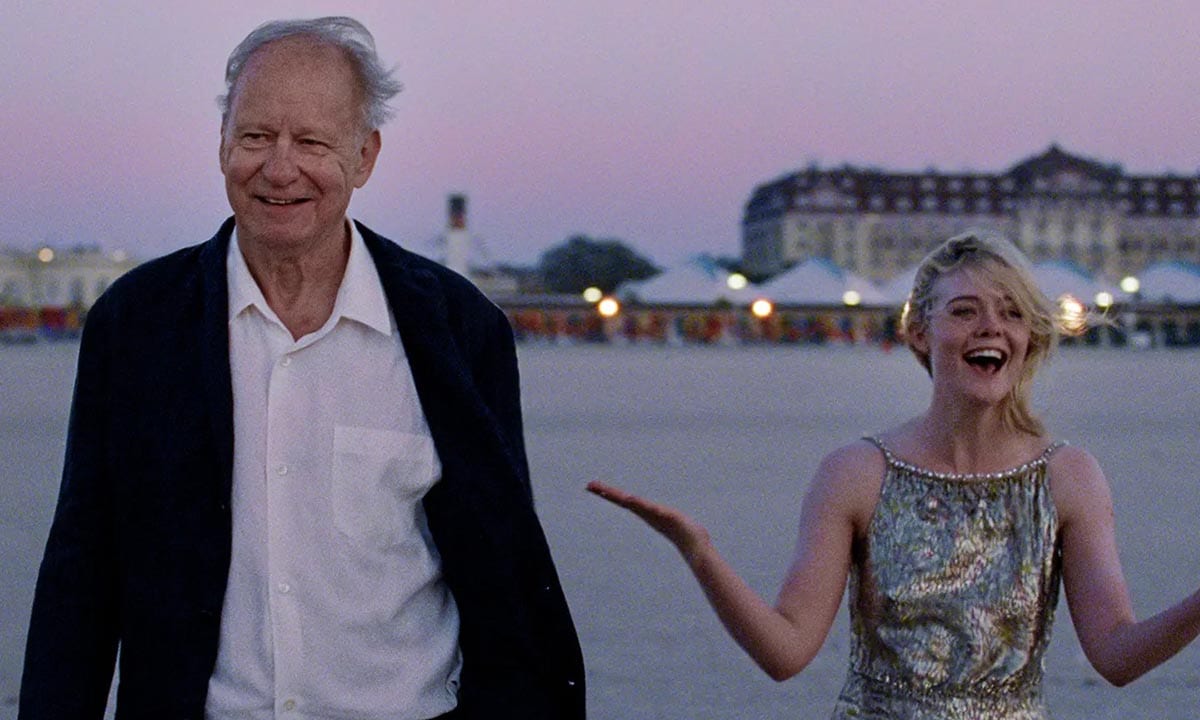
17. Sentimental Value (Joachim Trier)
As Nora, a successful stage actor who’s struggling with stage fright and a love life limited to an ongoing fling with a married co-star, Jakob (Anders Danielsen Lie), Renate Reinsve is magnetic in Joachim Trier’s Sentimental Value. She conveys fragile desperation and weary sadness in a refreshingly unaffected way, from an opening scene in which Nora demands Jakob slap her out of an anxiety attack, to her more subdued interactions with family members. Indeed, for all of the film’s intelligent dissection of historical trauma and creativity, its most resonant scene is an intimate heart-to-heart between Nora and her sister (Inga Ibsdotter Lilleaas), as they reflect on the ways in which their lives have diverged since childhood. Potent in its simplicity and directness, it’s the clearest expression of the film’s emotional core, in which lies a genuine melancholy that Trier’s artisanal compulsions can never fully obscure. David Robb
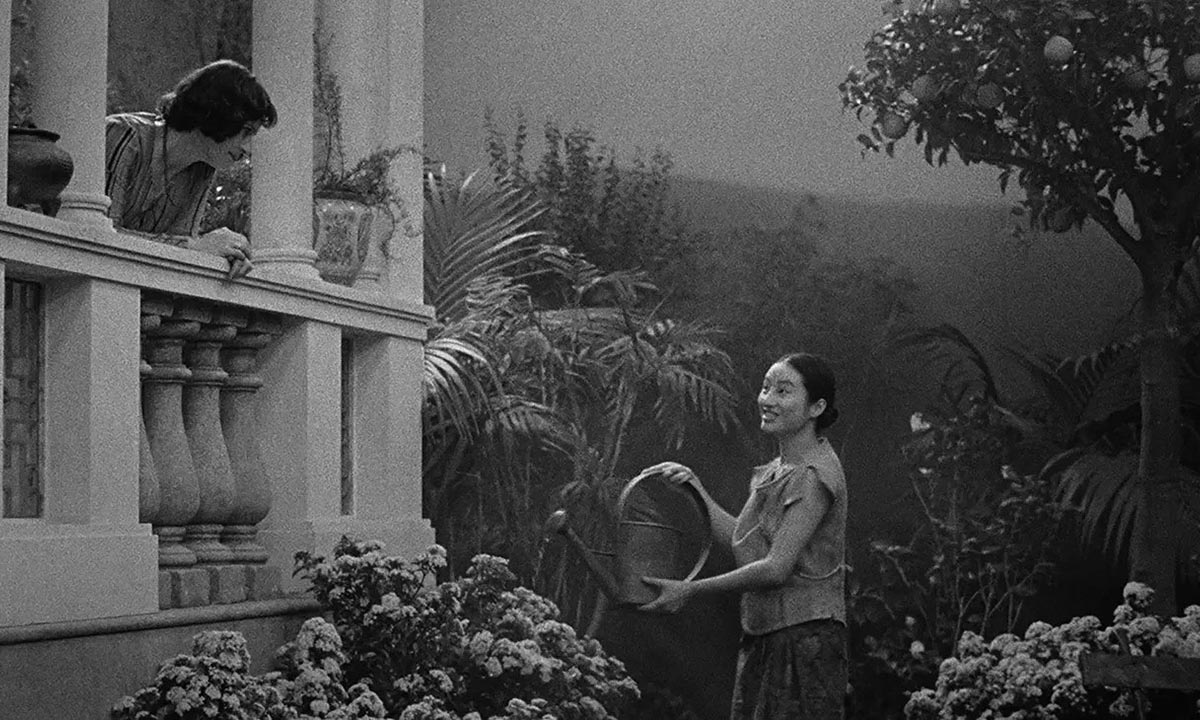
16. Grand Tour (Miguel Gomes)
Miguel Gomes’s Grand Tour takes its title from an established travel itinerary known as the Asian Grand Tour, a popular option with Westerners seeking a broad but surface-level introduction to the continent in the early 20th century. Proceeding from Mandalay to Rangoon (present-day Yangon) to Singapore, and then on through Bangkok, Saigon, Manila, and Osaka, before ending in Shanghai, the tour was ideally designed to satisfy the era’s popular taste for Eastern exoticism in an efficient, tourist-friendly package. It’s easy to see the appeal for Gomes, a director for whom boundaries of space and time have always been ripe for cinematic manipulation. Grand Tour retraces the steps of the journey with the imagination and playfulness of his best work, indulging its globetrotting impulses while casting a satirical eye on its uncomfortable basis in colonial conquest. Hanford
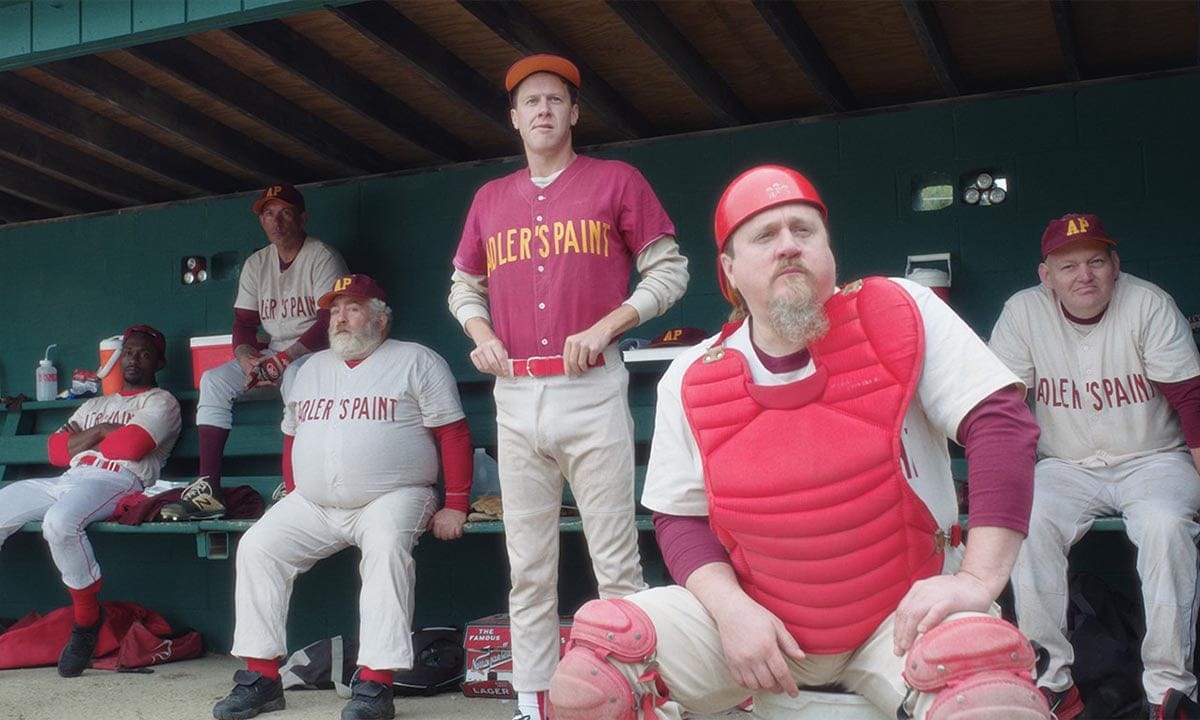
15. Eephus (Carson Lund)
Carson Lund’s Eephus subtly tasks us with thinking of its characters as extensions of the titular pitch: weapons of deception and surprise, not least of which for how they increasingly reveal their passion for the sport and each other as the final game between their teams at an intramural field due to be paved over unfurls. Though set in the 1990s, Eephus feels keyed to the current anxiety over the erosion of public gathering spaces and America’s so-called loneliness epidemic. While the characters care deeply for baseball, their desperate efforts to prolong the game, in lieu of making far simpler plans for future meet-ups, make it obvious that their reasons for doing so go well beyond sport. It’s an irony that hangs over the final stretch of the film, and it’s one that Lund treats with elegiac empathy for the power of a shared interest. Jake Cole

14. By the Stream (Hong Sang-soo)
Hong Sang-soo’s By the Stream opens on a pastoral autumn landscape of Seoul, with a stream running toward a bridge. Wide landscape shots are unusual for Hong, and this image introduces this stream as the first of several refrains that will run through the film as, well, currents. Amid a vast narrative, especially for Hong, one that’s rich in scandals and disappointments and broken promises, there’s the relief for the characters of the stream, the foliage, and the moon. So many of Hong’s films, but especially By the Stream, derive their volatility from his interest in the pitfalls of individuals making and consuming art, namely selfishness and isolation, which exist irreconcilably with the potential of art as a vehicle of personal expression and social unity. Art is a mode of potential connection built in large part on narcissism, then, and Hong is without peer these days in wrestling that irony onto the screen. Bowen

13. Afternoons of Solitude (Albert Serra)
The tantalizing difficulty of pinning down Peruvian matador Andrés Roca Rey’s motivations, let alone director Albert Serra’s stance toward bullfighting, can make Afternoons of Solitude an uneasy viewing experience, at once immersive and distancing. Whatever feelings you may have with this mixture of pageantry, masculinity, barely sublimated ritual sacrifice, nationalism, and sensuality, Serra’s first documentary affords ample opportunity to explore them. It’s hard to shake the suspicion, though, that Afternoons of Solitude is only incidentally about bullfighting. Considered in the context of his other work, it may be that Serra’s real, secret subject here is a protean need to brush up against death, to taunt it, even inflict it, in an irrational, futile, at times beautiful effort to shrug off its inevitability. Repass
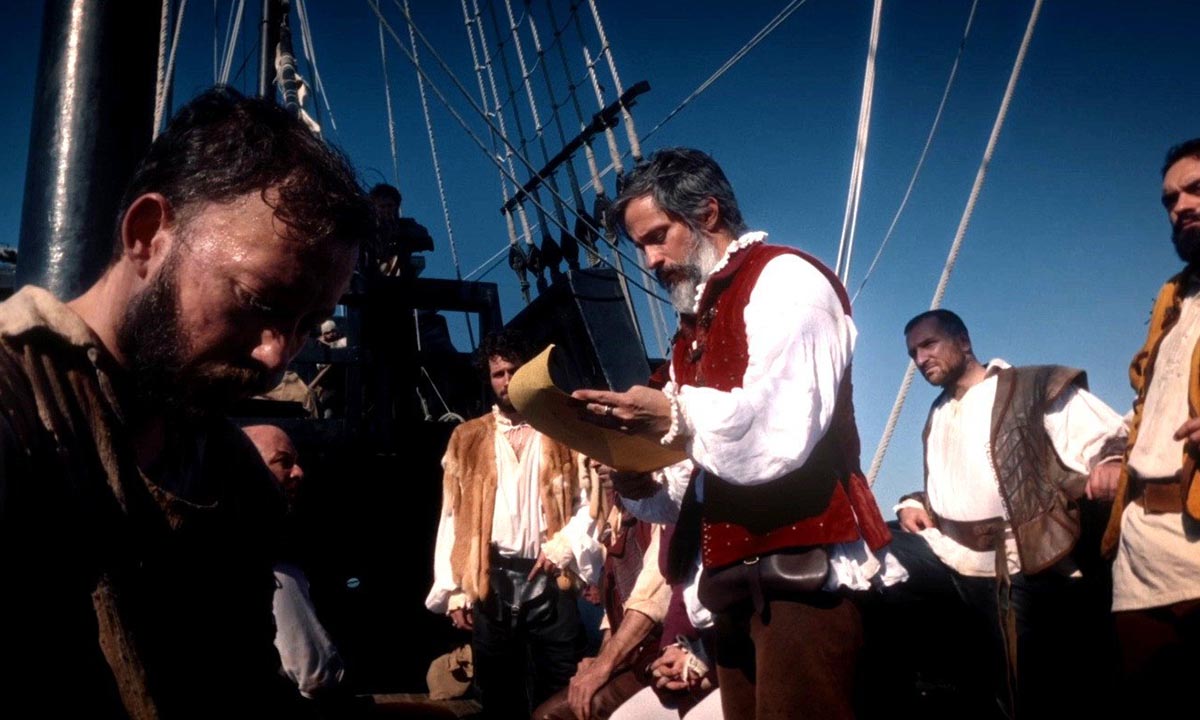
12. Magellan (Lav Diaz)
Lav Diaz has built his reputation making black-and-white, epic-length portraits of everyday Filipinos, so when his Magellan was announced, it raised eyebrows among his fans. Here is a 160-minute biopic made in color, with an honest-to-God movie star, Gael García Bernal, at its center. But fears that Diaz has surrendered to the conventional are quickly assuaged by the film, which toys with expectations of what a biopic from the filmmaker would look like without turning into a meta-commentary on his work. Fernando Magellan’s journey and his conquest of the Philippines are historical fact, but Diaz’s film suggests a series of medieval tapestries depicting the knight-errant who, in his dragon-like mania, slew and was slain. That such a tale is woven enchantingly only adds to the mythic quality of historical horror at its center. Zach Lewis
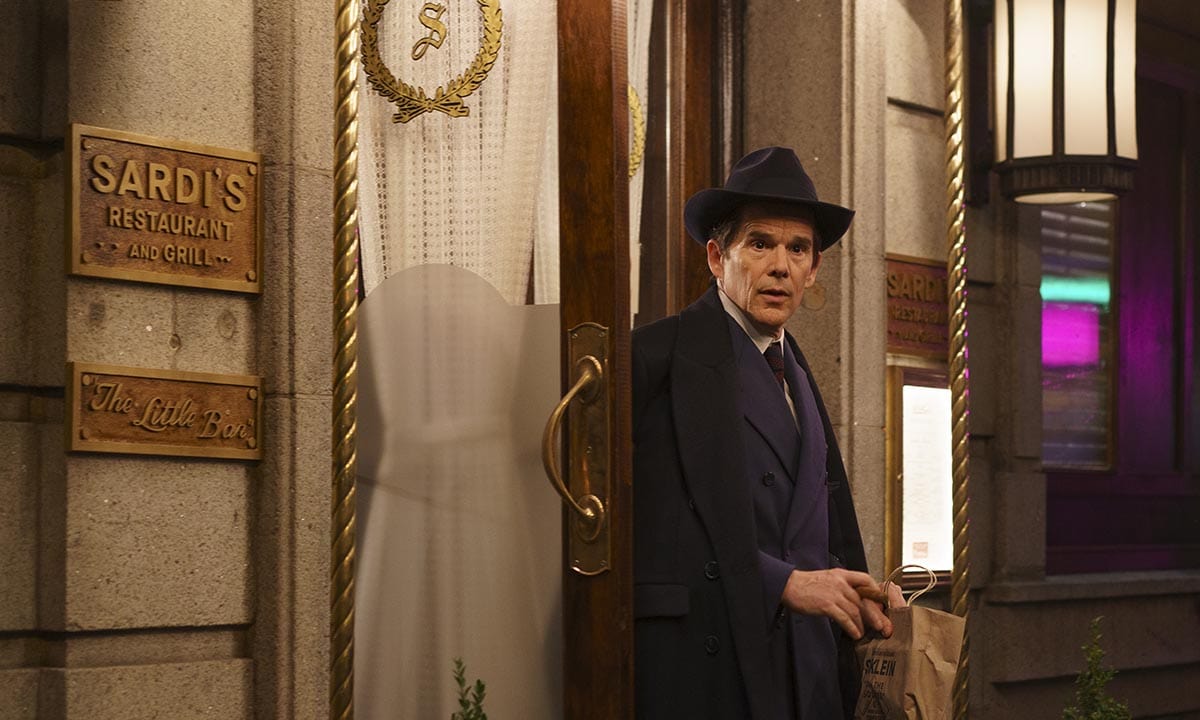
11. Blue Moon (Richard Linklater)
Seven months before Lorenz Hart’s (Ethan Hawke) passing, a single night at Sardi’s led to the devastating realization that both the culture and his collaborators had left him behind. Surrounded by portraits of the industry’s brightest talents, the space becomes like a mausoleum to Hart as he frets about how his legacy will inevitably be flattened like one of the restaurant’s famed line-drawing caricatures. Though he didn’t write Blue Moon’s screenplay, it’s not hard to see what attracted Richard Linklater to the story, given the degree to which it lingers in a specifically bracketed liminal period. Here, that’s when a work passes ownership from the artist to the audience. As the critical reviews roll in over the phone, there’s a steady drumbeat reminding the creators of their tenuous control over the art over which they labor. Shaffer

10. If I Had Legs I’d Kick You (Mary Bronstein)
“Mommy is stretchable,” claims the daughter of Rose Byrne’s Linda at the outset of Mary Bronstein’s If I Had Legs I’d Kick You. Cinematographer Christopher Messina already captures the actress in a tight close-up from the first frame, and his camera pushes in as close as a single eyeball while she feverishly disputes her child’s characterization. It’s a dynamic established early on for the visual style as well as the narrative: The more Linda protests, the more claustrophobic she becomes. The camera scarcely ever leaves Byrne’s face in an extended prologue that culminates in a ceiling collapsing into Linda’s apartment, flooding it and forcing her to shack up in a dingy motel with her daughter. Once the title card hits, Bronstein never takes her foot off the gas across this tense tale of a mother swirling in a vortex of burnout. Shaffer

9. Sound of Falling (Mascha Schilinski)
Death is a paradox, at once the most familiar part of our world and, per Shakespeare, “the undiscovered country.” Mascha Schilinski’s haunting Sound of Falling, which is set across the entirety of the last century in rural eastern Germany, probes at the inner lives of four girls of different generations who live in close proximity to death—and to each other. Visual and audio motifs tie the worlds of these girls’ together: a hole in the barn door that offers escape or capture, vaguely threatening eels that live in a river, characters who look to the sky and mutter the word “warm” to themselves, photographs that turn the living into ghosts and project the dead into the world of the living. Schilinski’s poetic interweaving of four generations suggests, well, the sound of falling, of the past resonating in the present. Pat Brown
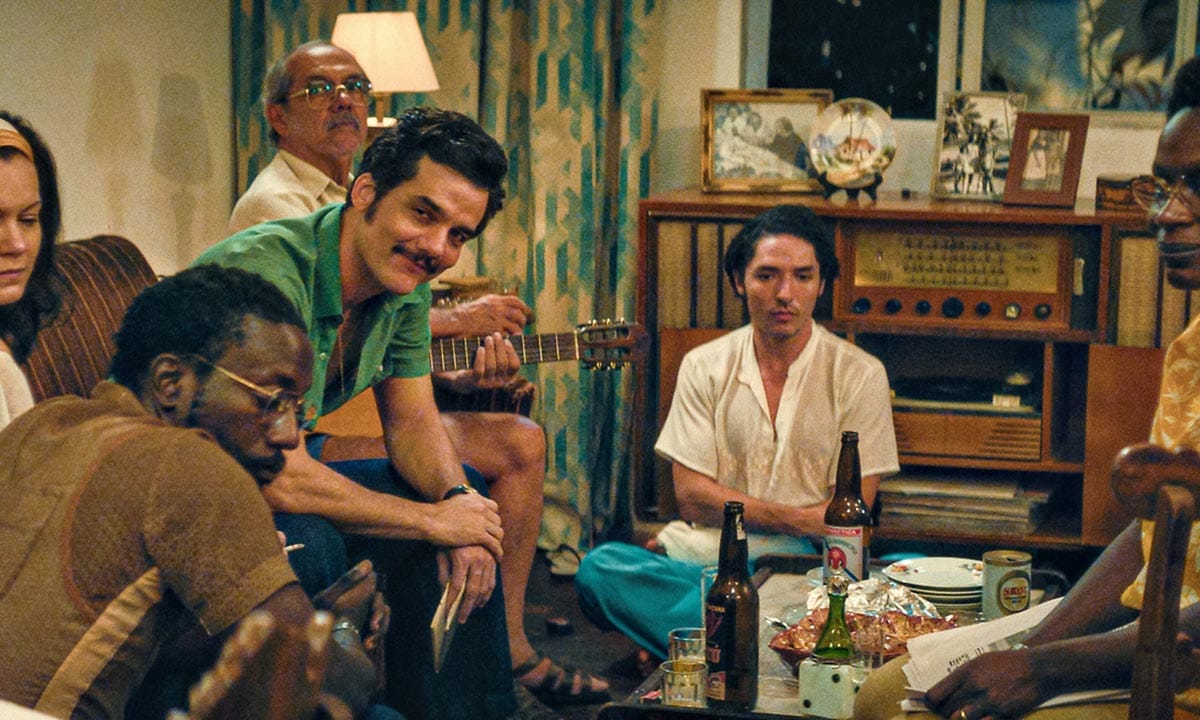
8. The Secret Agent (Kleber Mendonça Filho)
Pictures of Ghosts saw Kleber Mendonça Filho reminiscing about the cinemas he frequented as a child and young adult in his hometown of Recife. His latest, The Secret Agent, at first suggests a film from a bygone era, its ’70s-set tale of institutional corruption and surveillance recalling the likes of Three Days of the Condor and The Parallax View. This propulsive thriller, which begins with a title card that cheekily establishes the 1977 setting as “a time of great mischief,” hatches a byzantine plot centered around a widowed ex-tech researcher, Armando (Wagner Moura), who’s been reduced to living in hiding ever since his leftist political sentiments put him on the radar of Brazil’s military dictatorship. More broadly appealing than Mendonça Filho’s past films, The Secret Agent is still unmistakeably the work of an artist who’s deeply fascinated with the ways in which cinema, politics, and personal history co-mingle. Mark Hanson
7. The Mastermind (Kelly Reichardt)
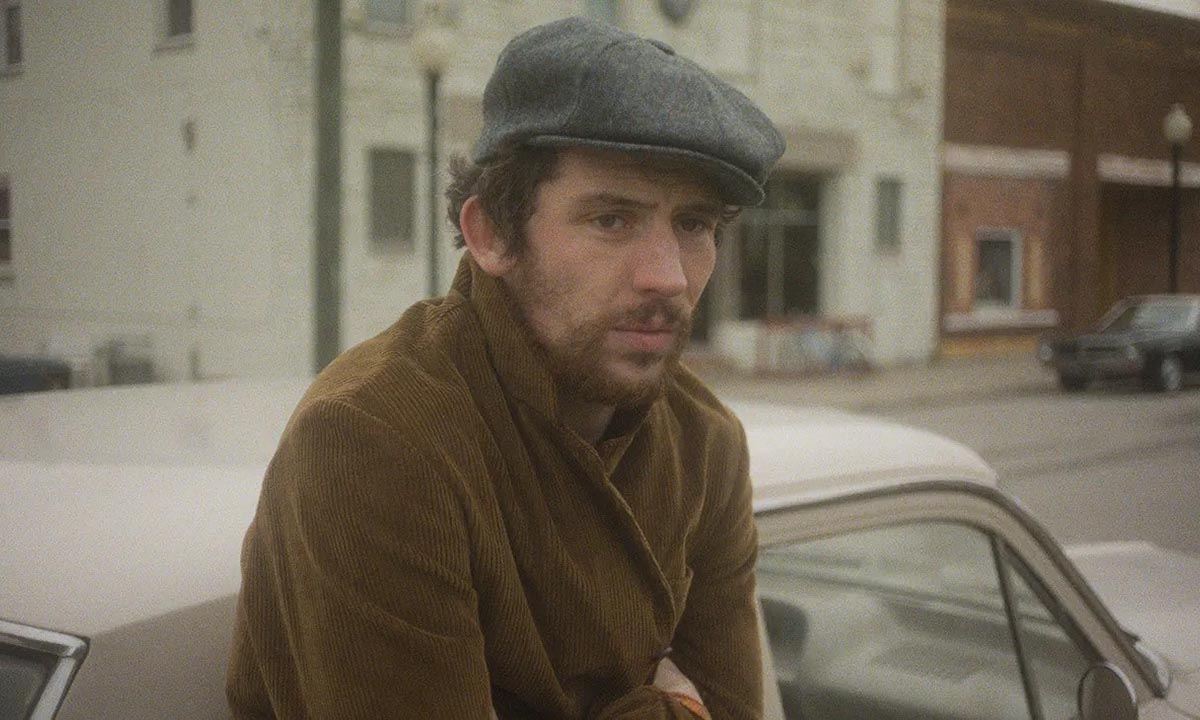
The Mastermind marks a new chapter in Kelly Reichardt’s ongoing tapestry of American life through the eyes of its eccentric outsiders, specifically capping off a trilogy about the intersection of art and commerce at differing stages of American capitalism. But where First Cow and Showing Up offer sympathetic portraits of artists striving for personal expression despite adverse material conditions, Reichardt’s script here focuses on the (attempted) exploitation of others’ expression for material gain. There’s more than a hint of envy to J.B.’s (Josh O’Connor) plan, with his desire to possess and profit from art without doing the work of an artist representing another of his characteristic shortcuts. For Reichardt, who struggled to finance a follow-up to her feature debut, 1994’s River of Grass, for a 12-year period that nearly drove her out of filmmaking, the subject feels personal. Hanford
6. Sinners (Ryan Coogler)
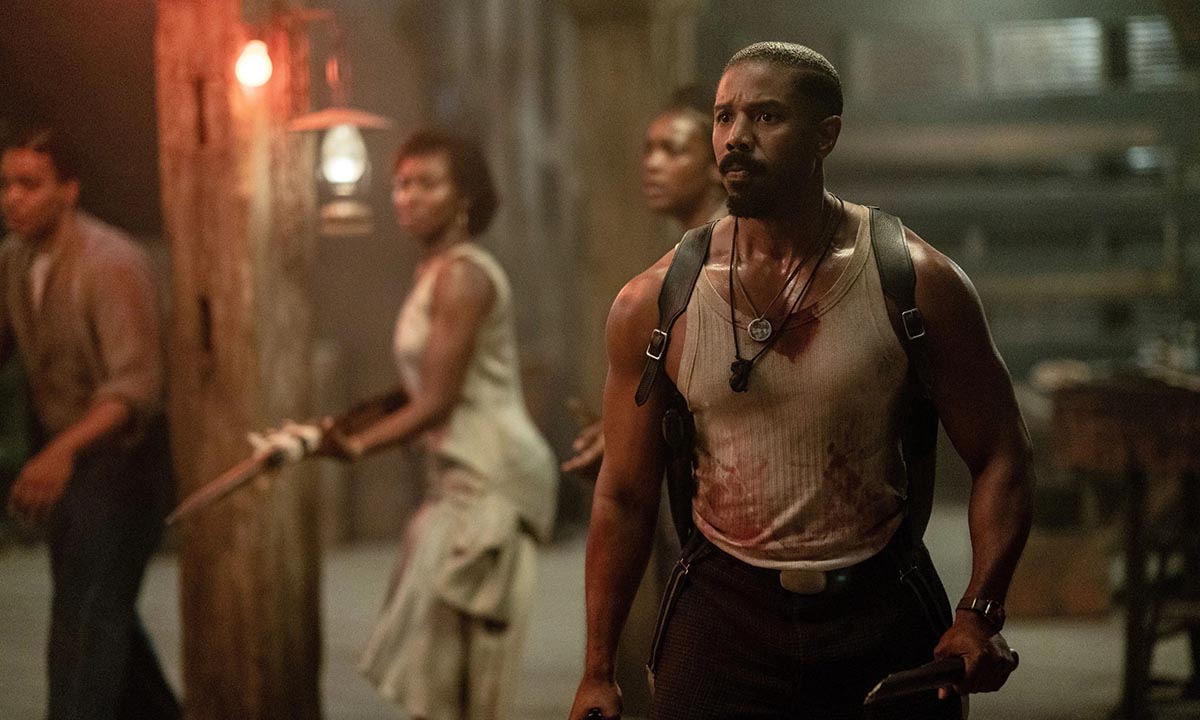
Remarkably, Sinners delays the reveal of its genre bona fides for nearly its entire first half, devoting time to establishing the quotidian horrors of Jim Crow Mississippi. The film’s most bravura moment doesn’t even hinge on vampire carnage. Instead, it’s a spotlight on music, which Sammie (Miles Caton) plays with such heart that he begins to commune with the history of Black music, past, present, and future. This transcendent show of solidarity ultimately becomes the subject of a fascinating contrast with the vampires who descend upon the juke joint. The images of voracious white predation are potent, but Coogler pushes past this obvious metaphor for something more provocative as Remmick (Jack O’Connell) slowly turns his growing mass of thralls into a musical troupe of his own. Not unlike the Hands Across America parody of Jordan Peele’s Us, an image of harmony becomes a sick reminder of the illusion of “post-racial” life in a nation founded on ethnic hierarchy. Cole
5. Marty Supreme (Josh Safdie)
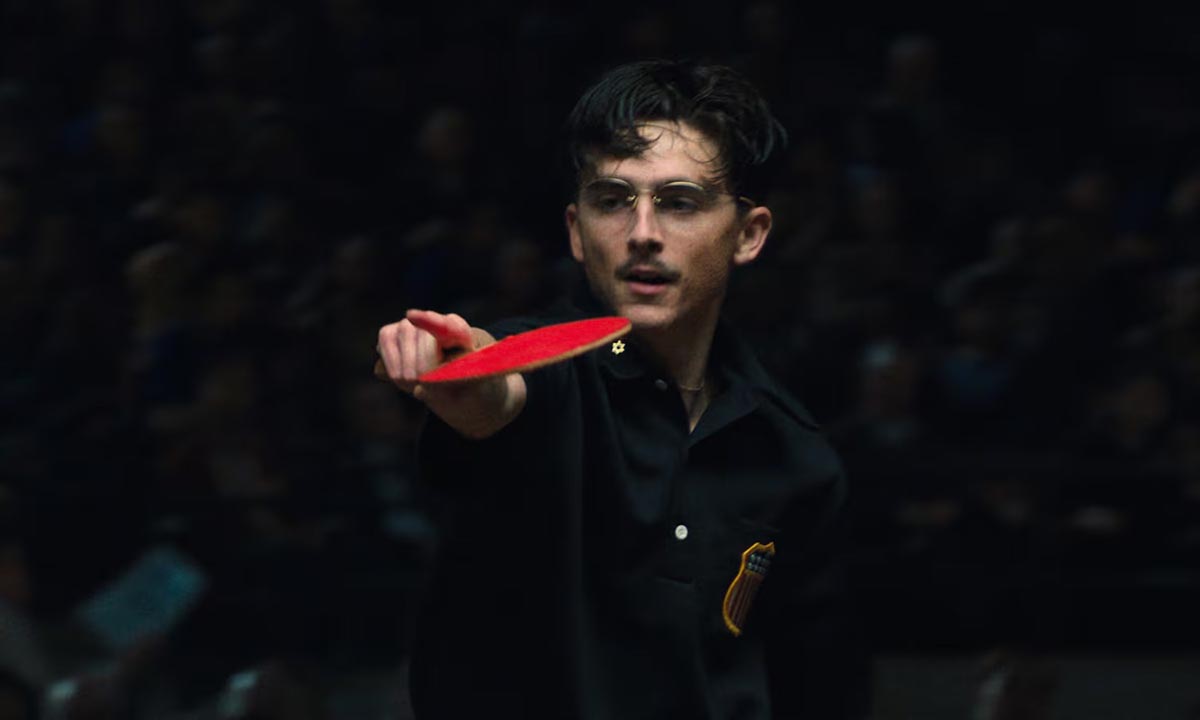
Josh Safdie’s Marty Supreme rapturously reprises a siren song that transcends any single American era, beckoning hustlers to heed its call. Safdie, like many a great New York director before him, treats his hometown as a larger-than-life backdrop against which an extraordinary story realistically unfolds. Just as the Big Apple represents the U.S. at its most exemplary and excessive, Marty Mouser (Timothée Chalamet) is an embodiment of this epicenter of a nation’s activity. Chalamet lives, breathes, and even bleeds this New York energy as Marty’s silver tongue and swinging dick land him in a series of predicaments that ultimately humble him. As Marty sets out to prove his mettle through circumstances that would grind down a less resilient person, the film recognizes that the difference between a dream and a delusion is often the resolve of an individual to bend the world to their reality. Shaffer
4. It Was Just an Accident (Jafar Panahi)
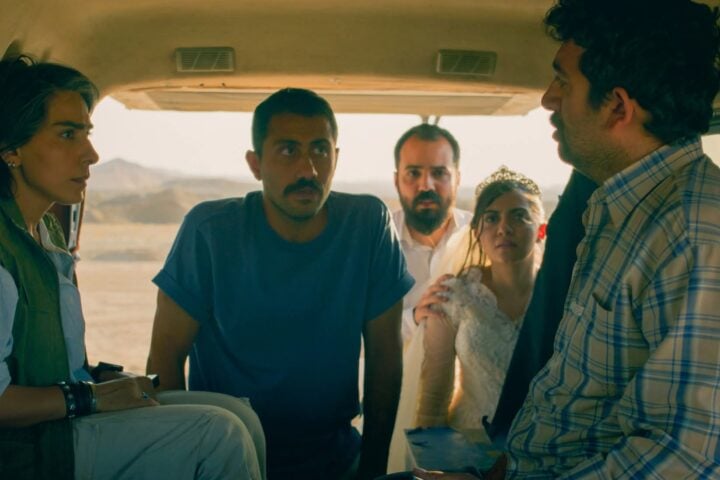
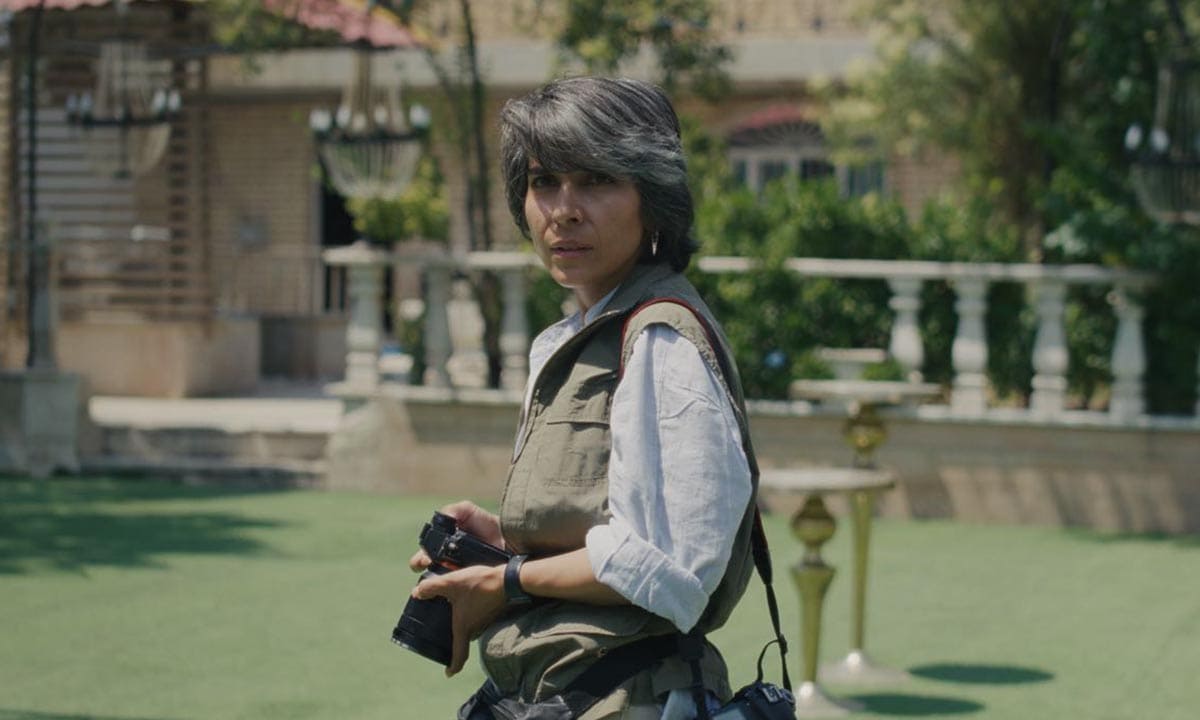
Across It Was Just an Accident, Jafar Panahi is most interested in exploring how life under tyranny turns everyone into the worst versions of themselves. This and other thematic ingredients are familiar from many of his previous films, and with It Was Just an Accident, he stirs them into a more conventional narrative framework. Which isn’t to say that Panahi’s anti-authoritarian spirit doesn’t flow through the film, as evidenced by his deliberate decision to not have his female characters wear hijabs, in defiance of Iran’s strict religious rules. And It Was Just an Accident’s final moments bring the filmmaker’s critique of contemporary Iran into especially grim focus, as an ostensibly happy conclusion morphs into existential dread with the realization that no matter what the oppressed do to move past the trauma of what they’ve experienced, it will always be one triggering thought, or sound, away. Hanson
3. Misericordia (Alain Guiraudie)
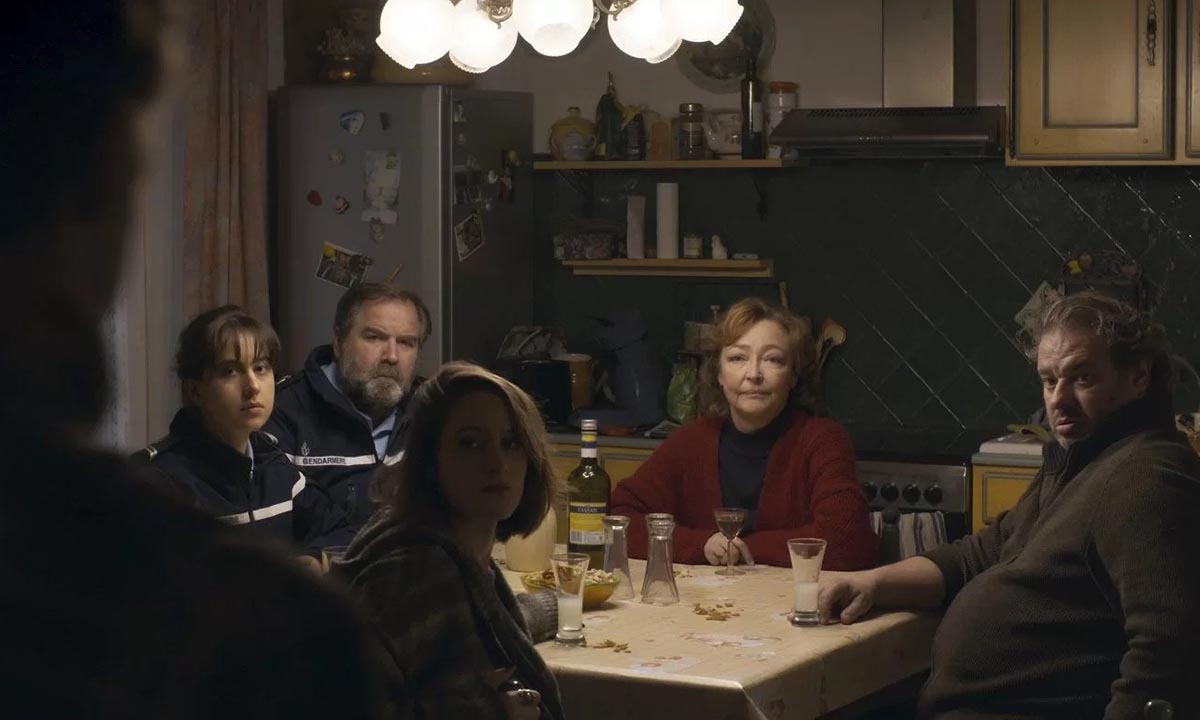
Fans of Alain Guiraudie’s work may take the opening sequence of Misericordia as a sign that they’re in familiar terrain. A view from behind the windshield of a car winding its way through back roads to a small hillside village, it announces the premiere chronicler of lust and violence in the French countryside’s return to the milieu in which he made his name. Indeed, Misericordia finds Guiraudie revisiting old standbys—a linking of queer desire and mortality, a distanced but lighthearted absurdism, and a refusal to get moralistic about transgressive behavior—under a relatively conventional set of aesthetic strategies. Fortunately, the ideas roiling under the former wildman’s newly placid surfaces are as potent as ever. Hanford

2. The Shrouds (David Cronenberg)
One could see in The Shrouds a cautionary tale of the limits of technology in dealing with complex human emotions, especially when such technology can be so easily manipulated by outside forces. Even more disquieting is David Cronenberg’s refusal to pass easy judgment on Karsh Relikh (Vincent Cassel), who, in response to the death of his wife, Becca (Diane Kruger), creates a technology that allows people to monitor their loved ones’ corpses with the help of special shrouds—outfits with many tiny X-ray cameras embedded inside—that they don when they’re underground. The Shrouds may see a great filmmaker in a more settled frame of mind, but that doesn’t mean that his inner provocateur is dormant, as he’s still clearly willing to dive headfirst into the depths of twisted human desire. Kenji Fujishima
1. One Battle After Another (Paul Thomas Anderson)
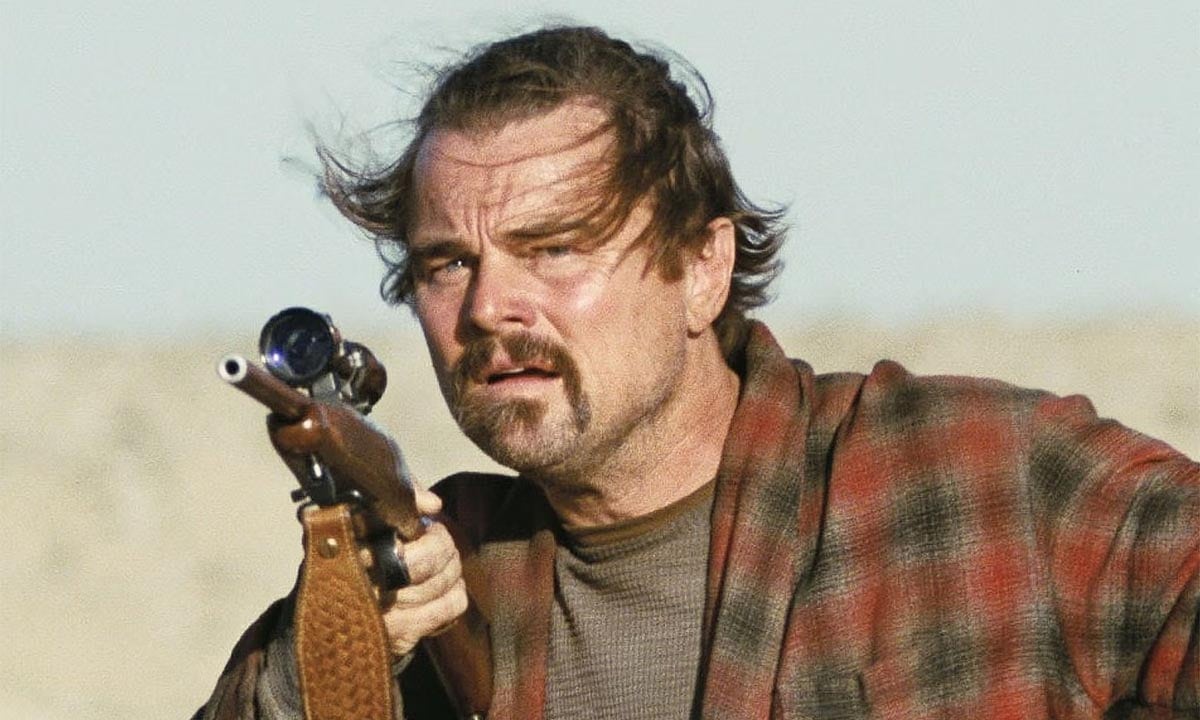
After years spent in the annals of the alienated American past, Paul Thomas Anderson returns to the present day to remind us that the more things change, the more they stay the same. In One Battle After Another, robber barons are still plundering our land and people, as they were in There Will Be Blood, while obsessives and crackpots and aspiring revolutionaries are still adrift among their vain scattershot politics, as in The Master and Inherent Vice. Anderson seems to be fashioning, across many distinctive works, an epic concerned with American identity as a swamp of intersecting personal and infrastructural neuroses. For Anderson, yesterday’s gifted and alienated loner is tomorrow’s diseased American foundational ethos.
We’ve seen this thematic density in Anderson’s work many times before. It’s the tone of One Battle After Another that’s so dramatically different, though, as this is his wildest and most muscular and funny and eager-to-please film since his 1997 break-out, Boogie Nights. In this film, a contemporary concern of how to bring America back from radicalization corresponds with a question of how to make a modern blockbuster that has sizzle and soul and engages people who’ve been numbed by social media and CGI monoliths alike.
The challenge of melding blockbuster ethos with matters of the personal and the political seems to have emboldened Anderson to reach beyond the cryptic brilliance of his recent work, fashioning a hallucinatory paranoid action epic for our pressurized times, a chase film that has I.C.E. in casual, terrifying combat with an ineffectual far left movement that’s more interested in style than efficacy. One Battle After Another is doom-scrolling as screwball action poetry, melded with Anderson’s wounded, defiant humanism. Bowen
Our Runners-Up
Resurrection (Bi Gan), The Fishing Place (Rob Tregenza), The Phoenician Scheme (Wes Anderson), Black Bag (Steven Soderbergh), Vulcanizadora (Joel Potrykus), Train Dreams (Clint Bentley), Father Mother Sister Brother (Jim Marmusch), The Testament of Ann Lee (Mona Fastvold), Peter Hujar’s Day (Ira Sachs), Baby Invasion (Harmony Korine), On Becoming a Guinea Fowl (Rungano Nyoni), Sirāt (Oliver Laxe), Bugonia (Yorgos Lanthimos), Grand Theft Hamlet (Pinny Grylls and Sam Crane), My Undesirable Friends: Part I – Last Air in Moscow (Julia Loktev), Highest 2 Lowest (Spike Lee), The Smashing Machine (Benny Safdie), Below the Clouds (Gianfranco Rosi), Cover-Up (Mark Obenhaus and Laura Poitras), Sorry, Baby (Eva Victor), The Perfect Neighbor (Geeta Gandbhir), Direct Action (Guillaume Cailleau and Ben Russell), Hurry Up Tomorrow (Trey Edward Shults), Reflection in a Dead Diamond (Bruno Forzani and Hélène Cattet), 28 Years Later (Danny Boyle)
Individual Ballots
Chris Barsanti
1. One Battle After Another
2. Eddington
3. The Perfect Neighbor
4. Black Bag
5. Blue Moon
6. 2000 Meters to Andriivka
7. Weapons
8. The Long Walk
9. Sinners
10. Friendship
Honorable Mention: Apocalypse in the Tropics, Cover-Up, Lurker, Materialists, On Becoming a Guinea Fowl, Peter Hujar’s Day, The Phoenician Scheme, Sirāt, Testament of Ann Lee, Warfare
Chuck Bowen
1. The Secret Agent
2. Misericordia
3. It Was Just An Accident
4. Eephus
5. The Mastermind
6. Cloud
7. Sinners
8. Sirāt
9. By the Stream
10. One Battle After Another
Honorable Mention: Afternoons of Solitude, Black Bag, Blue Moon, Cover-Up, A Little Prayer, Peter Hujar’s Day, The Phoenician Scheme, Splitsville, The Things You Kill, Videoheaven
Justin Clark
1. The Chronology of Water
2. Sinners
3. One Battle After Another
4. Die My Love
5. The Secret Agent
6. The Testament of Ann Lee
7. Marty Supreme
8. Hamnet
9. The Life of Chuck
10. The Long Walk
Honorable Mentions: 28 Years Later, Bugonia, Companion, Frankenstein, Friendship, Materialists, Ne Zha 2, No Other Choice, Sovereign, Together
Jake Cole
1. Caught by the Tides
2. One Battle After Another
3. If I Had Legs I’d Kick You
4. The Shrouds
5. Resurrection
6. The Fishing Place
7. Sinners
8. Magellan
9. No Other Choice
10. Marty Supreme
Honorable Mention: Afternoons of Solitude, Avatar: Fire and Ash, By the Stream, Die My Love, Grand Tour, It Was Just an Accident, The Mastermind, Misericordia, My Undesirable Friends: Part I – Last Air in Moscow, On Becoming a Guinea Fowl
Clayton Dillard
1. Baby Invasion
2. The Shrouds
3. The Smashing Machine
4. Afternoons of Solitude
5. Hurry Up Tomorrow
6. Highest 2 Lowest
7. One Battle After Another
8. Caught by the Tides
9. The Testament of Ann Lee
10. Misericordia
Honorable Mention: Below the Clouds, Bugonia, Henry Fonda for President, The Ice Tower, Magellan, Marty Supreme, Sound of Falling, Videoheaven, Việt and Nam, Went Up the Hill
Kenji Fujishima
1. Misericordia
2. The Shrouds
3. It Was Just an Accident
4. Father Mother Sister Brother
5. Magellan
6. Sinners
7. Vulcanizadora
8. Train Dreams
9. Grand Tour
10. The Phoenician Scheme
Honorable Mention: Below the Clouds, Black Bag, Cover-Up, Highest 2 Lowest, Kiss of the Spider Woman, Mickey 17, No Other Choice, The Secret Agent, Superman, Where to Land
Ed Gonzalez
1. Misericordia
2. The Shrouds
3. The Mastermind
4. One Battle After Another
5. Afternoons of Solitude
6. It Was Just an Accident
7. By the Stream
8. Splitsville
9. Eddington
10. Sound of Falling
Honorable Mention: Blue Moon, Cover-Up, Die My Love, Eephus, The History of Sound, Reflection in a Dead Diamond, The Secret Agent, Sentimental Value, Sinners, Sirāt
Wes Greene
1. One Battle After Another
2. The Secret Agent
3. Grand Tour
4. Misericordia
5. Sinners
6. Splitsville
7. Eephus
8. Henry Fonda for President
9. Blue Moon
10. The Mastermind
Honorable Mention: By the Stream, Cover-Up, Father Mother Sister Brother, Grand Theft Hamlet, It Was Just an Accident, Marty Supreme, Pavements, The Perfect Neighbor, The Phoenician Scheme, The Shrouds
Brad Hanford
1. The Shrouds
2. By the Stream
3. The Fishing Place
4. Henry Fonda for President
5. Eephus
6. Broken Rage
7. Caught by the Tides
8. Cloud
9. Blue Moon
10. One Battle After Another
Honorable Mention: Grand Tour, Highest 2 Lowest, If I Had Legs I’d Kick You, The Phoenician Scheme, Magellan, The Mastermind, Misericordia, The Secret Agent, Vulcanizadora, Where to Land
Mark Hanson
1. Magellan
2. Direct Action
3. The Visitor
4. Sirāt
5. Familiar Touch
6. Misericordia
7. Sound of Falling
8. Pepe
9. The Shrouds
10. Vulcanizadora
Honorable Mention: Collective Monologue, Cloud, If I Had Legs I’d Kick You, On Becoming a Guinea Fowl, Resurrection, The Mastermind, Afternoons of Solitude, Videoheaven, The Fishing Place, The Secret Agent
Seth Katz
1. One Battle After Another
2. Vulcanizadora
3. The Phoenician Scheme
4. Father Mother Sister Brother
5. Blue Moon
6. It Was Just an Accident
7. The Shrouds
8. The Klezmer Project
9. The Mastermind
10. Reflection in a Dead Diamond
Honorable Mention: Black Bag, Bugonia, Eephus, The History of Sound, Misericordia, No! You’re Wrong, or: Spooky Action at a Distance, Relay, Roofman, Weapons, Where to Land
Zach Lewis
1. Afternoons of Solitude
2. The Fishing Place
3. Henry Fonda for President
4. Magellan
5. The Testament of Ann Lee
6. Final Destination: Bloodlines
7. The Secret Agent
8. The Shrouds
9. No Other Choice
10. The Mastermind
Honorable Mention: Baby Invasion, BLKNWS: Terms & Conditions, Blue Moon, Caught by the Tides, Eephus, Father Mother Sister Brother, Grand Theft Hamlet, In the Lost Lands, One Battle After Another, Sinners
Charles Lyons-Burt
1. The Shrouds
2. One Battle After Another
3. Blue Sun Palace
4. Magellan
5. The Secret Agent
6. Grand Tour
7. Weapons
8. If I Had Legs I’d Kick You
9. Roofman
10. It Was Just an Accident
Honorable Mention: Black Bag, Cactus Pears, Familiar Touch, Henry Fonda for President, Marty Supreme, My Sunshine, On Becoming a Guinea Fowl, The Phoenician Scheme, Sentimental Value, Splitsville
Ross McIndoe
1. One Battle After Another
2. Blue Moon
3. Black Bag
4. The Mastermind
5. Marty Supreme
6. Sorry, Baby
7. 28 Years Later
8. Mountainhead
9. Train Dreams
10. Islands
Honorable Mention: Baby Assassins 3, Eephus, Father Mother Sister Brother, Hamnet, Mistress Dispeller, Presence, Predators, Sinners, The Threesome, Wake Up Dead Man: A Knives Out Mystery
Alexander Mooney
1. By the Stream
2. Peter Hujar’s Day
3. Blue Moon
4. The Ice Tower
5. The Shrouds
6. It Was Just an Accident
7. One Battle After Another
8. Seven Veils
9. Cloud
10. The Phoenician Scheme
Honorable Mention: Grand Tour, Happyend, Invention, Magellan, The Mastermind, Misericordia, On Becoming a Guinea Fowl, The Secret Agent, Sorry, Baby, Việt and Nam
William Repass
1. Oceans Are the Real Continents
2. Eddington
3. One Battle After Another
4. The Secret Agent
5. Direct Action
6. Vulcanizadora
7. Die My Love
8. No Other Choice
9. Afternoons of Solitude
10. Sanatorium Under the Sign of the Hourglass
Honorable Mention: 28 Years Later, Bring Her Back, Caught by the Tides, Friendship, It Was Just an Accident, The Mastermind, On Becoming a Guinea Fowl, Weapons, The Shrouds, You Burn Me
Steven Scaife
1. No Other Choice
2. If I Had Legs I’d Kick You
3. Sound of Falling
4. Misericordia
5. Eephus
6. Sinners
7. The Mastermind
8. Magellan
9. It Was Just an Accident
10. Blue Moon
Honorable Mention:
28 Years Later, Boys Go to Jupiter, Bugonia, Cloud, Marty Supreme, On Becoming a Guinea Fowl, The Phoenician Scheme, Splitsville, Train Dreams, Vulcanizadora
Diego Semerene
1. Việt and Nam
2. Young Hearts
3. Dreams
4. Sex
5. Love
6. Apocalypse in the Tropics
7. The Gullspång Miracle
8. The Fishing Place
9. Baby
10. Sound of Falling
Honorable Mention: 2000 Meters to Andriivka, Eternal, La Grazia, It Was Just an Accident, The Love that Remains, Parthenope, Resurrection, The Secret Agent, Trains, The Visitor
Marshall Shaffer
1. Marty Supreme
2. Train Dreams
3. If I Had Legs I’d Kick You
4. Bugonia
5. Sound of Falling
6. Die My Love
7. The Voice of Hind Rajab
8. On Becoming a Guinea Fowl
9. Misericordia
10. The Plague
Honorable Mention: The Alabama Solution, Cover-Up, Diciannove, Eephus, A House of Dynamite, Lurker, The Naked Gun, Reflection in a Dead Diamond, Sentimental Value, The Shrouds
Derek Smith
1. Sound of Falling
2. One Battle After Another
3. My Undesirable Friends Part 1: Last Air in Moscow
4. It Was Just An Accident
5. Henry Fonda for President
6. Marty Supreme
7. If I Had Legs I’d Kick You
8. Grand Tour
9. Sinners
10. Sentimental Value
Honorable Mention: Afternoons of Solitude, Cover-Up, Magellan, The Perfect Neighbor, Predators, Reflection in a Dead Diamond, Resurrection, The Shrouds, Sorry, Baby, The Things You Kill
Rocco Thompson
1. Viet and Nam
2. The Shrouds
3. Marty Supreme
4. If I Had Legs I’d Kick You
5. Sentimental Value
6. Alpha
7. Grand Theft Hamlet
8. Die My Love
9. The Plague
10. Dracula
Honorable Mention: Afternoons of Solitude, Cactus Pears, Eddington, KPop Demon Hunters, The Long Walk, No Other Choice, 28 Years Later, Plainclothes, The Testament of Ann Lee, The Voice of Hind Rajab
Kyle Turner
1. Grand Theft Hamlet
2. One of Them Days
3. It Was Just an Accident
4. Boys Go to Jupiter
5. One Battle After Another
6. Mistress Dispeller
7. Black Bag
8. Blue Moon
9. Grand Tour
10. To a Land Unknown
Honorable Mention: Final Destination: Bloodlines, Hedda, If I Had Legs I’d Kick You, Lurker, Peter Hujar’s Day, The Secret Agent, The Shrouds, Sinners, Sorry Baby, The Ugly Stepsister
Taylor Williams
1. One Battle After Another
2. The Shrouds
3. Below the Clouds
4. Sentimental Value
5. No Other Choice
6. It Was Just an Accident
7. Peter Hujar’s Day
8. By the Stream
9. Videoheaven
10. Eephus
Honorable Mention: Afternoons of Solitude, Cloud, The Code, Die My Love, Eddington, If I Had Legs I’d Kick You, Magellan, Misericordia, Sorry, Baby, Sound of Falling
Keith Uhlich
1. The Shrouds
2. Misericordia
3. The Mastermind
4. Good Boy
5. Die My Love
6. Roofman
7. Eddington
8. The Secret Agent
9. Father Mother Sister Brother
10. Frankenstein
Honorable Mention: Caught Stealing, Final Destination: Bloodlines, Happyend, Highest 2 Lowest, It Was Just an Accident, Peter Hujar’s Day, The Phoenician Scheme, Presence, Sentimental Value, Wake Up Dead Man: A Knives Out Mystery
Anzhe Zhang
1. Resurrection
2. Marty Supreme
3. Caught by the Tides
4. Sentimental Value
5. Hamnet
6. Cloud
7. Misericordia
8. Sound of Falling
9. Companion
10. Rebuilding
Honorable Mention: Blue Moon, Bring Her Back, By the Stream, If I Had Legs I’d Kick You, It Was Just An Accident, The Mastermind, Materialists, No Other Choice, One Battle After Another, Sinners
Since 2001, we've brought you uncompromising, candid takes on the world of film, music, television, video games, theater, and more. Independently owned and operated publications like Slant have been hit hard in recent years, but we’re committed to keeping our content free and accessible—meaning no paywalls or fees.
If you like what we do, please consider subscribing to our Patreon or making a donation.