The singer probes the hardship of living in the shadow of his father, Ghostface Killah.



Steve Erickson lives in New York and writes regularly for Gay City News, Cinefile, and Nashville Scene. He also produces music under the name callinamagician.
The singer probes the hardship of living in the shadow of his father, Ghostface Killah.

The album rewards patience as you luxuriate in the breadth of the singer’s world.

The album pulses with the kind of euphoria that comes from letting loose on the dance floor.

The album brings a rock sensibility to the duo’s brand of dance music.

The album sets up shop comfortably on the border between R&B and lo-fi indie pop.

As much as the album relies on attitude, it never feels one-note or settles for mere edginess.

Some oddly deconstructed influences pop up on Pulp’s first album in 23 years.

The singer embraces, albeit wistfully, the pleasures of stability throughout the album.

There’s little to no mystique to the album’s stories of spiritual crisis.

A range of genres is complemented by lush production and creeping dissonance.
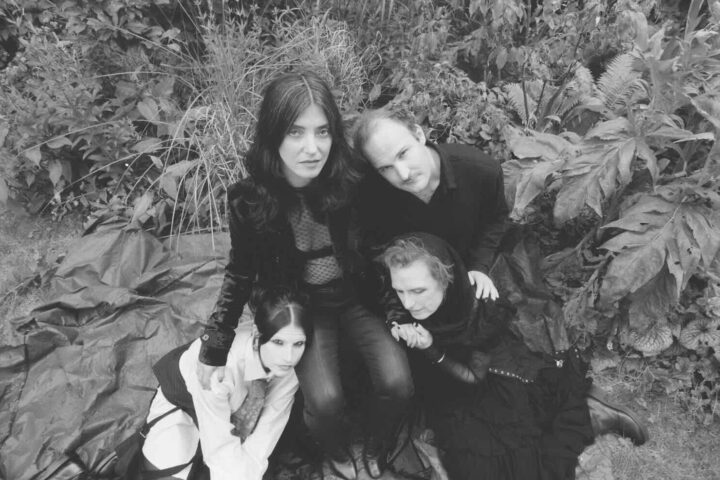
The unease running through the album is finally answered by the reward of love.

The album captures the feeling of looking at oneself through a distorted mirror.

The singer attempts to illustrate how grim being a woman can be with mixed results.

The album defies easy categorization, which ultimately offers a welcome challenge.

The album draws its power from its ability to keep multiple balls in the air.

While the former Low singer avoids plumbing the deepest wells of his grief, its presence is impossible to miss.

If ever an album resisted sinking into algorithmic complacency, this is it.

The band’s newfound reflectiveness comes at the expense of urgency.
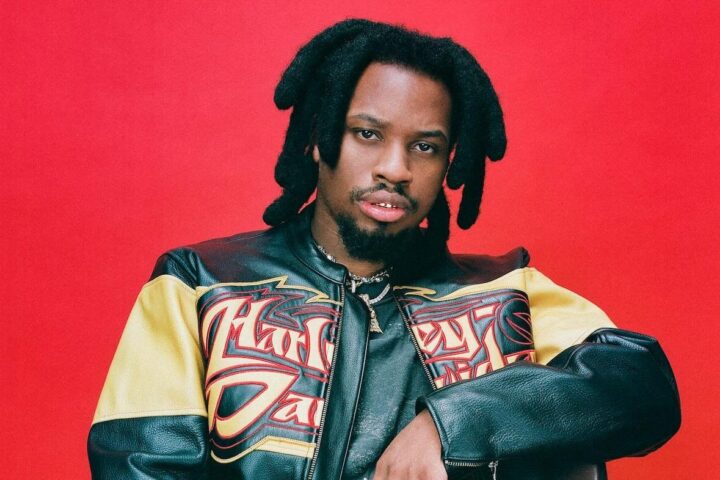
The album’s braggadocio is countered by the enthusiasm that the rapper brings to it.
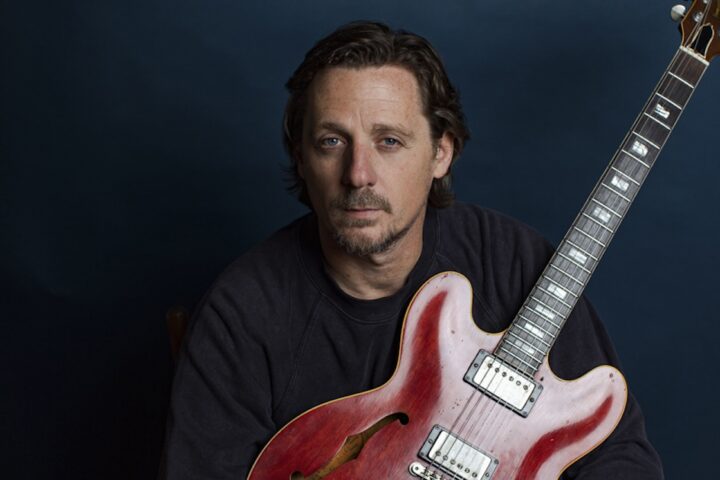
In the end, the album’s serenity belies an intense human longing.