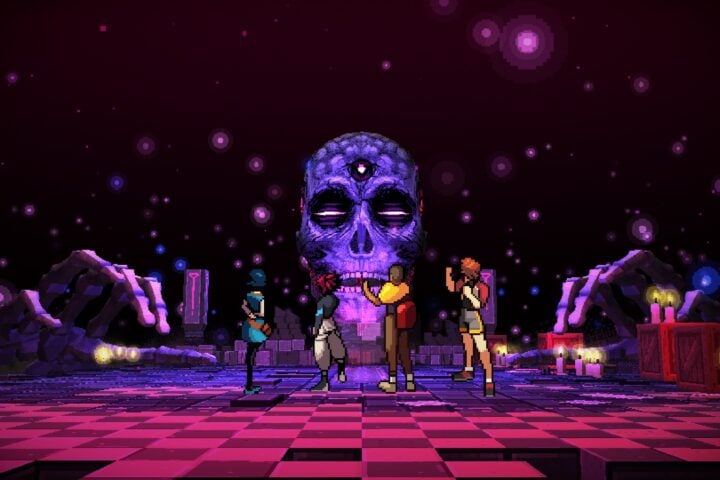
The combat is beyond reproach, but the game mistakes violence for drama.


Niv M. Sultan is a writer based in New York. His writing has appeared in the Los Angeles Review of Books, The Drift, Public Books, and other publications.
The combat is beyond reproach, but the game mistakes violence for drama.
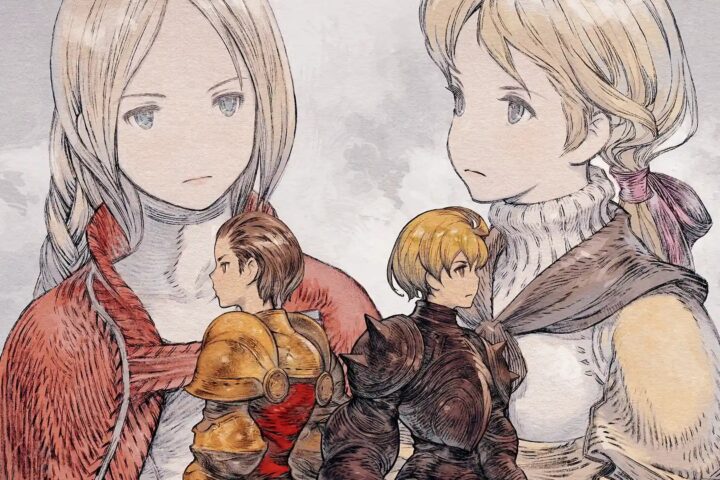
The Ivalice Chronicles brushes a foundational work’s sharp teeth.
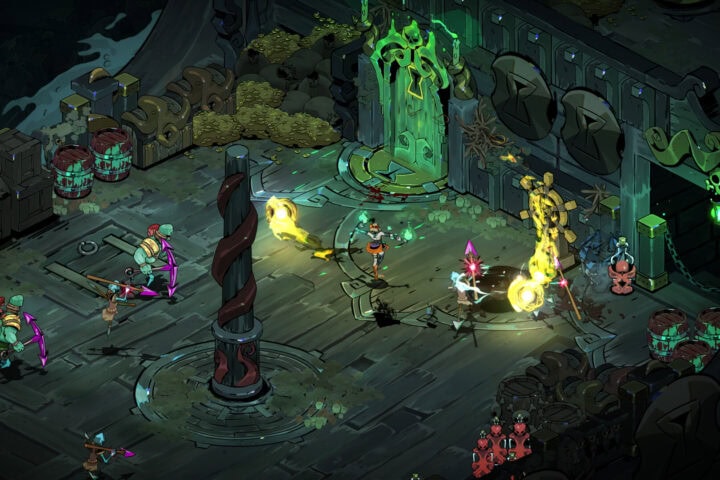
Hades II’s use of the roguelite form compellingly evokes the oral tradition of Greek myth.
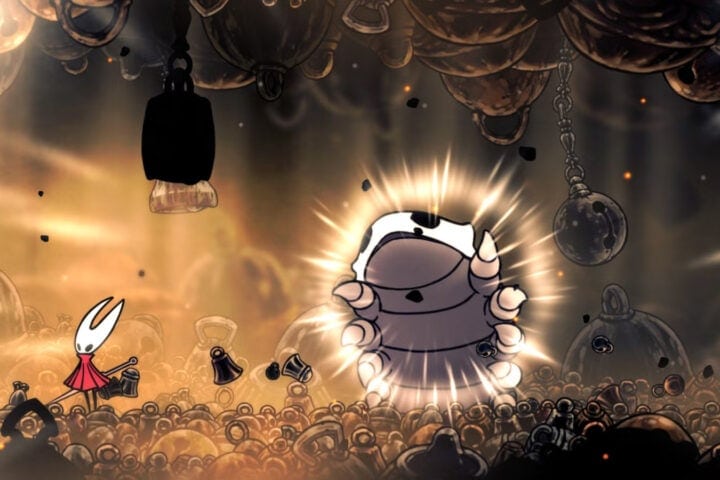
This seven-years-in-the-making sequel is a work of vast, idiosyncratic personality.
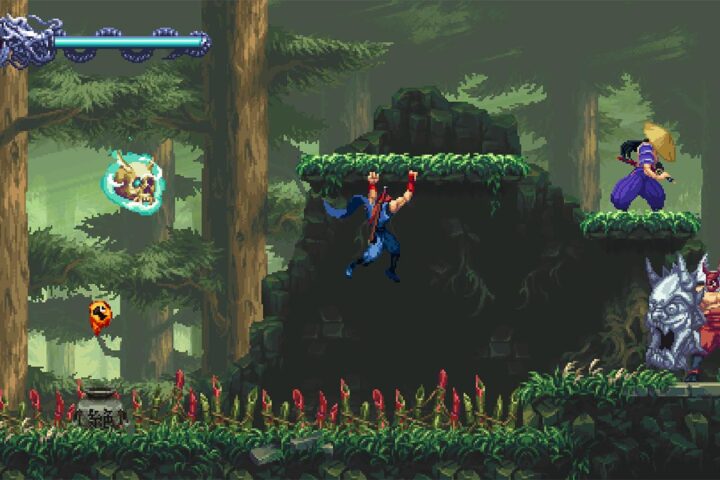
Across Ragebound, the action becomes breezy, even meditative, as muscle memory kicks in.
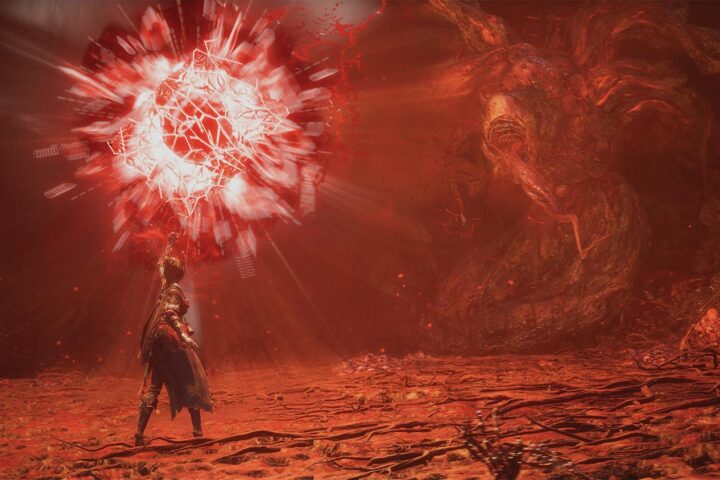
The game’s politics, like its labyrinthine world, gesture at meaning but find nothing to grasp.
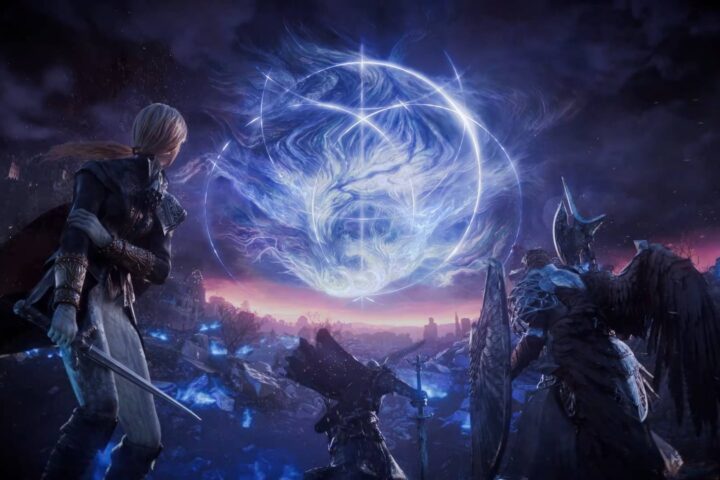
Nightreign is a thrilling roguelite riff on FromSoftware’s open-world masterpiece.
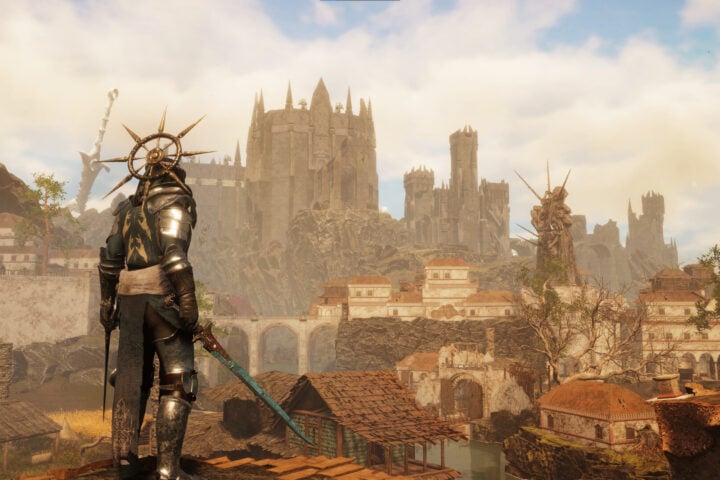
Despite the artificiality that creeps into the game, its intimate moments remain resonant.
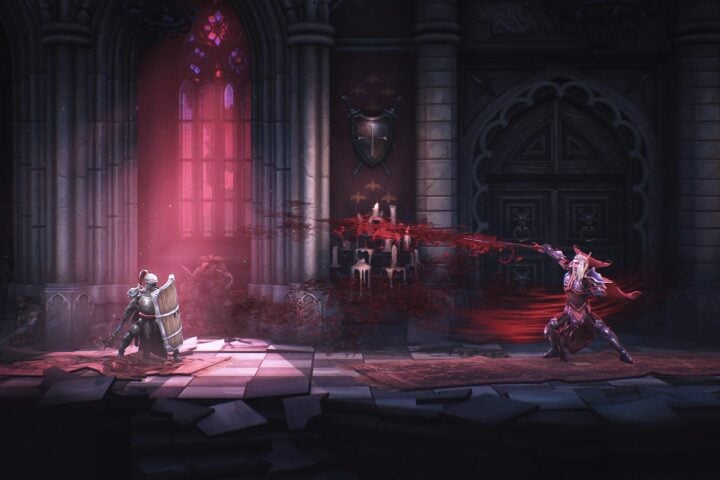
Mandragora conjures a deftly oppressive atmosphere throughout its campaign.

The new season packs a bite, but it still feels as if it’s prowling on familiar ground.
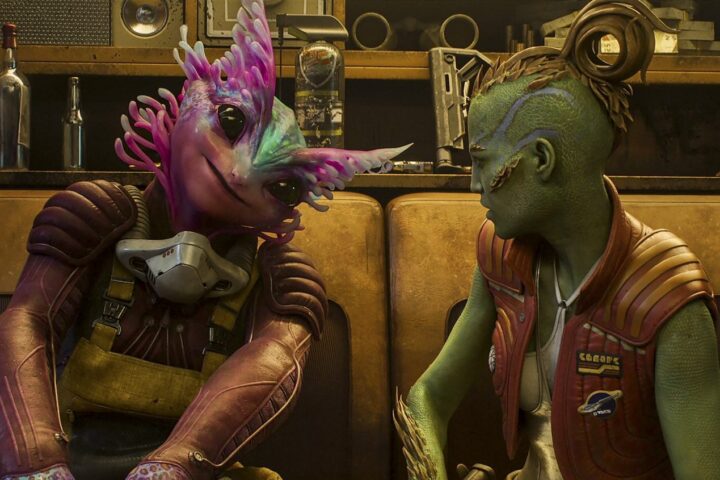
The series fails to shake off the cynicism of its commercial function and blinkered politics.
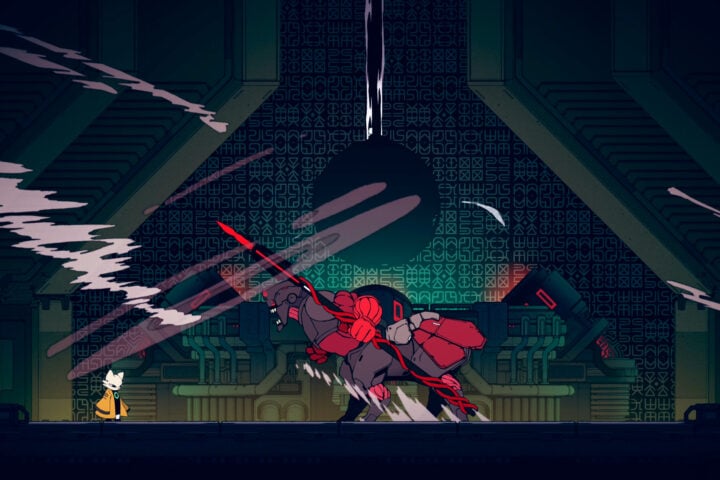
This atmospheric Metroidvania is mechanically, emotionally, and philosophically electrifying.
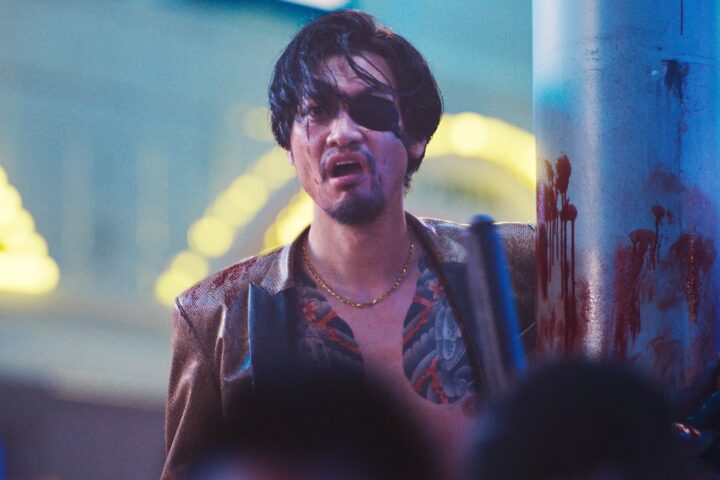
The series is too staid to capture the idiosyncratic, fiercely political spirit of its source material.
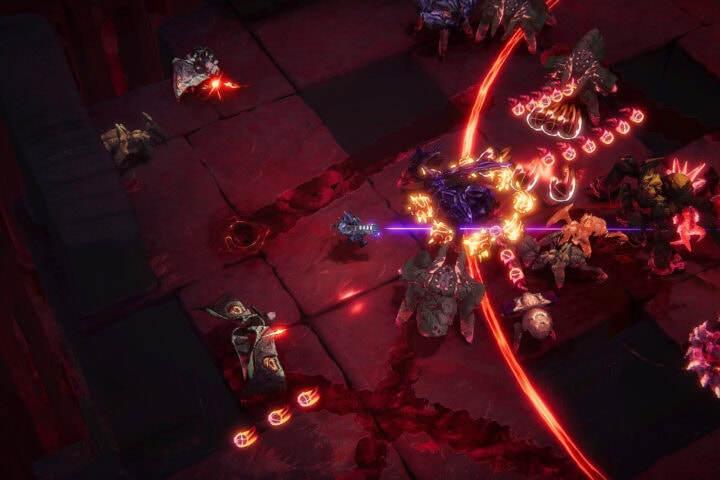
PlaySide Studios’s game is a breathlessly kinetic ride through the abyss.
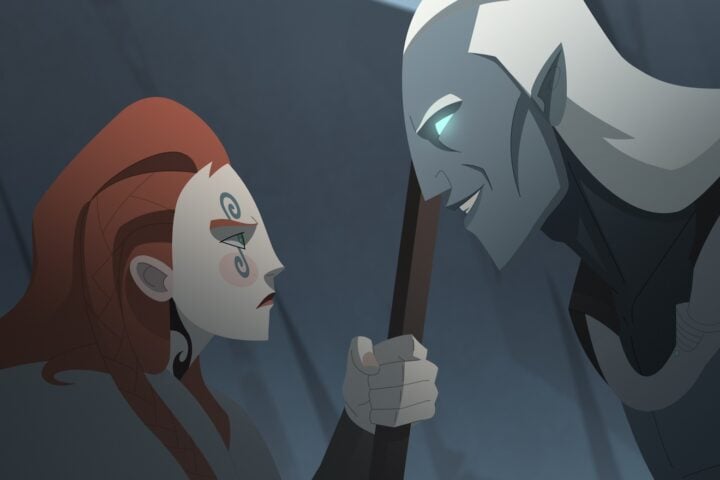
The animated series evokes the historical and literary contours of Norse mythology.
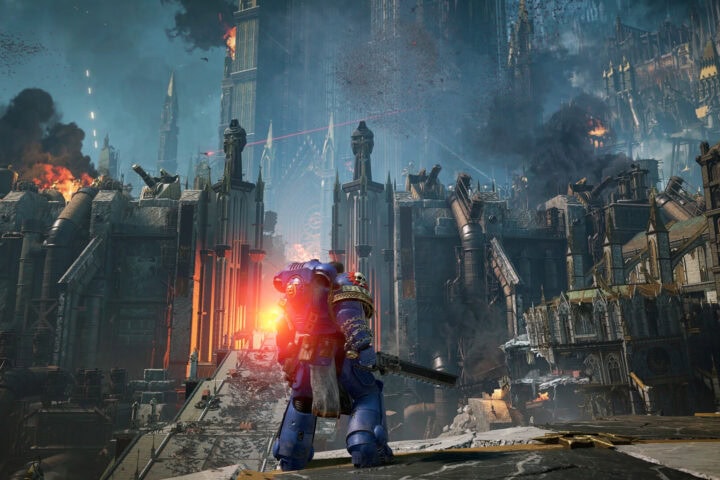
The game consistently ups its sense of spectacle, all but ripping the dial off the amplifier.
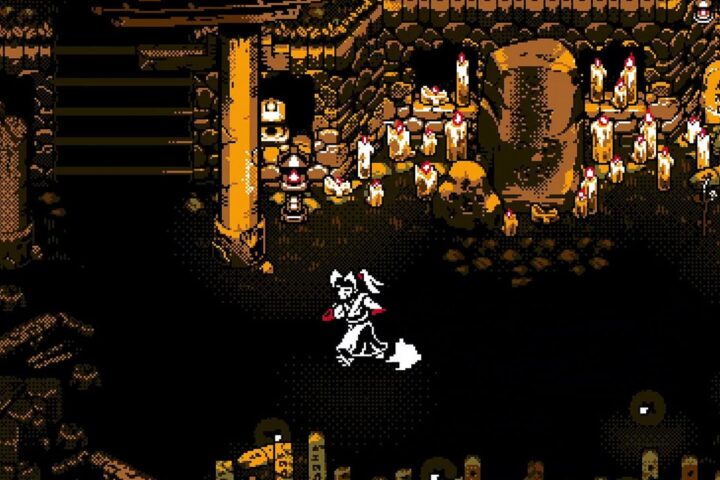
By making its world feel universal—like it could be anywhere—it ends up nowhere at all.

At its most formidable, the series finds remarkable pathos amid its absurdity.
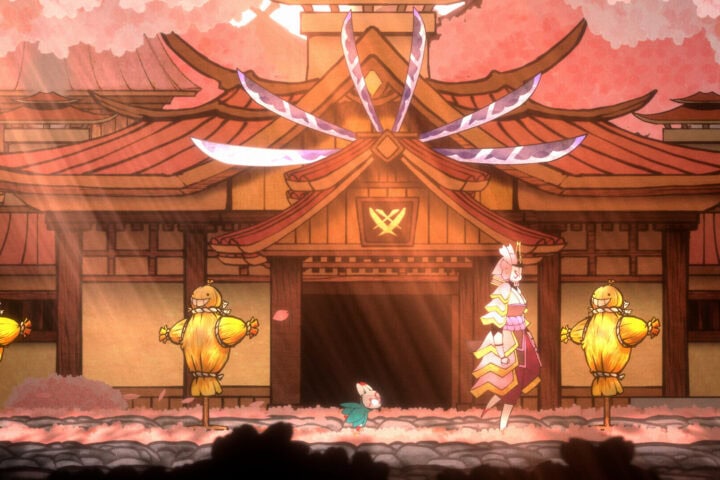
The game’s frustrations dent but don’t fully crack its wondrous sense of atmosphere.
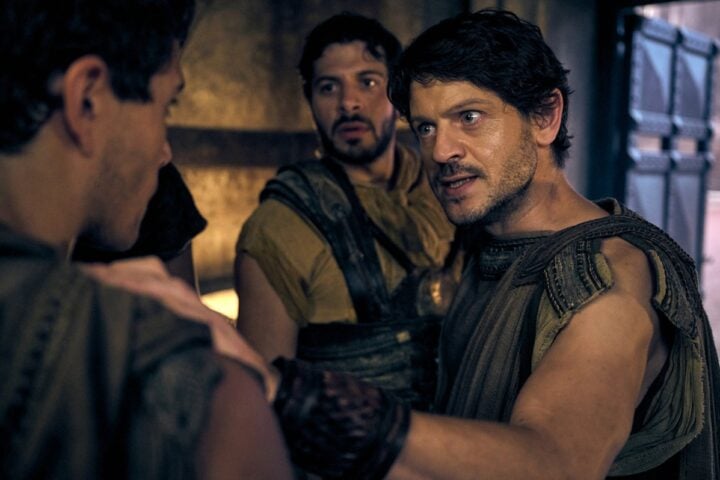
The series achieves striking emotional depth in its study of violence, subjugation, and ambition.