The film at once wrings its premise for whimsical absurdism and slow-burn suspense.

Eli Friedberg is a freelancer whose writing has also appeared in The Film Stage.
The film at once wrings its premise for whimsical absurdism and slow-burn suspense.

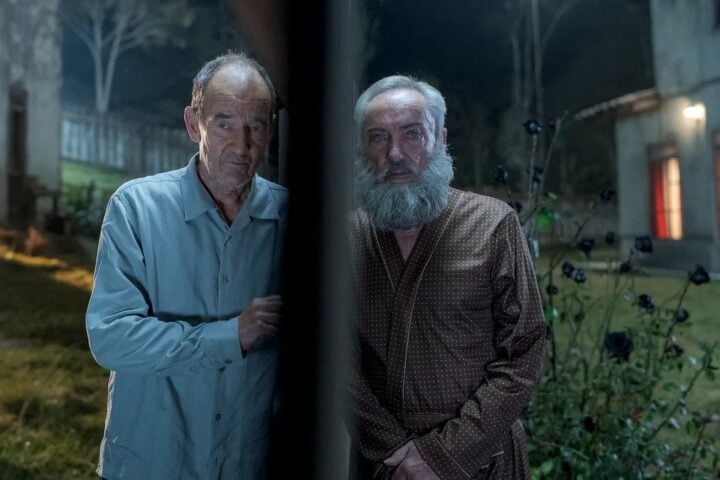
The film is more than a reflection on barriers and bridges in the age of screen omnipresence.

The game’s gruesome, lightning-fast trials preserve and build upon the core of its ancestors.
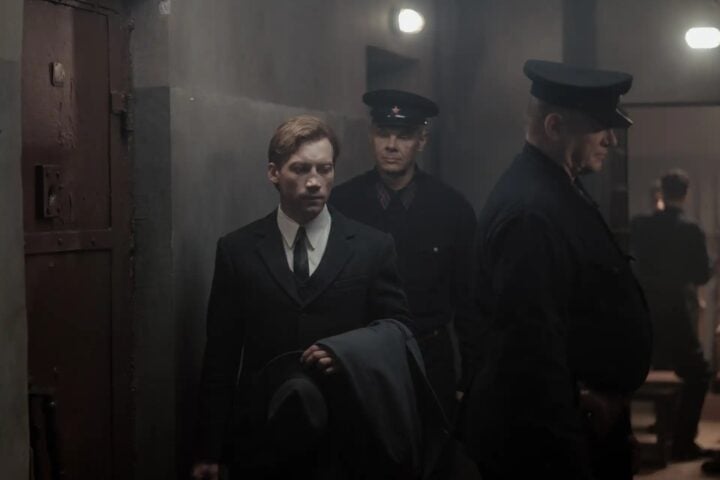
The film is a satiric look at Stalinism and bureaucracy with shades of Kafka, Orwell, and Gogol.
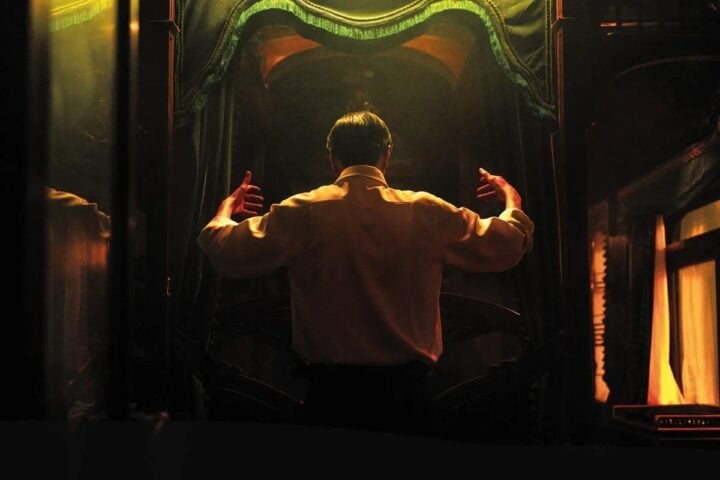
At times, Resurrection seems to outright taunt viewers for trying to make sense of it all.

A House of Dynamite stares down impossible questions about an unthinkable scenario.

The film seems eager to challenge Leni Riefenstahl’s postwar self-portrayal as a “pure artist.”
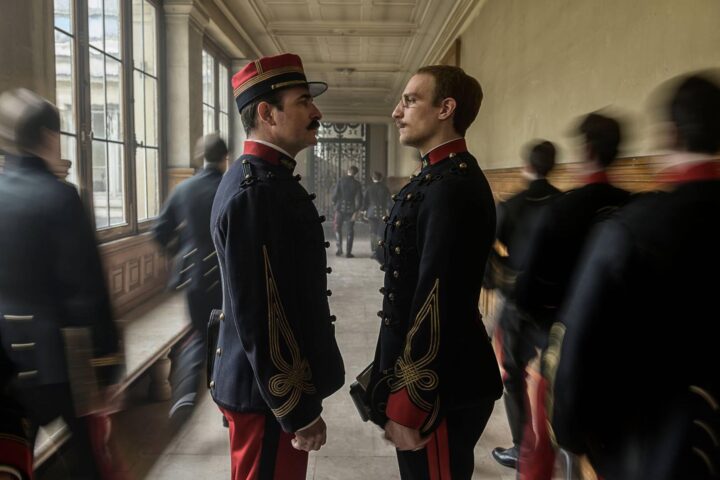
An Officer and a Spy has the appropriate cynicism to end on a note of ambivalence.
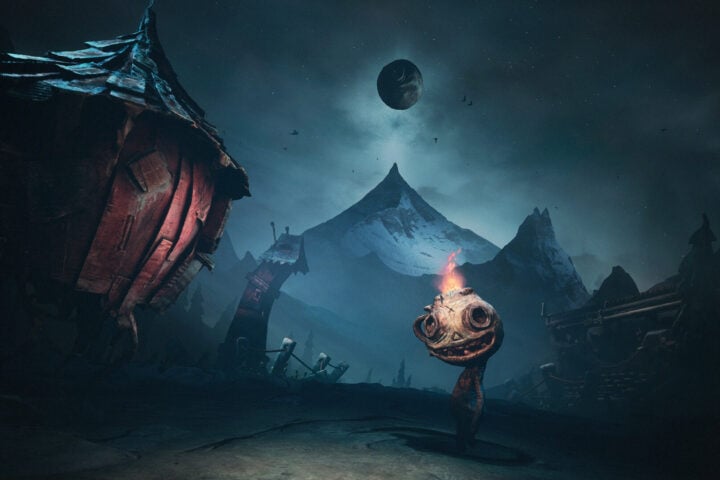
The game is a sumptuous but brief shot of bedtime-story vibes.
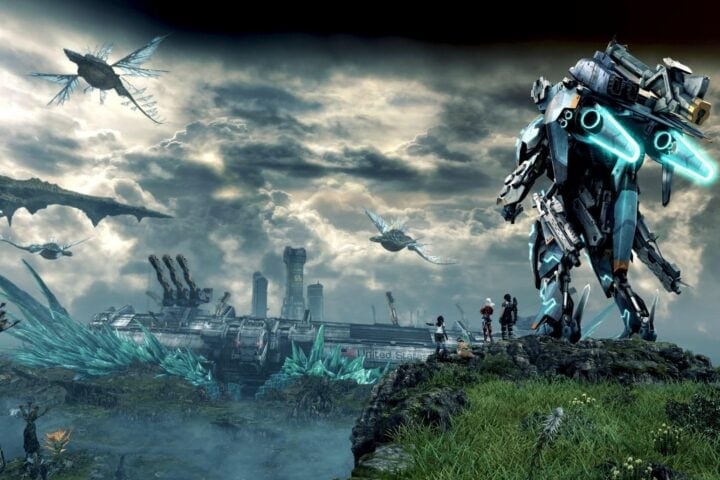
The game is an optimistic, transcendental vision of a mythical America from a distant admirer.

The film’s pleasures are ultimately more textural and academic than those of Tár.
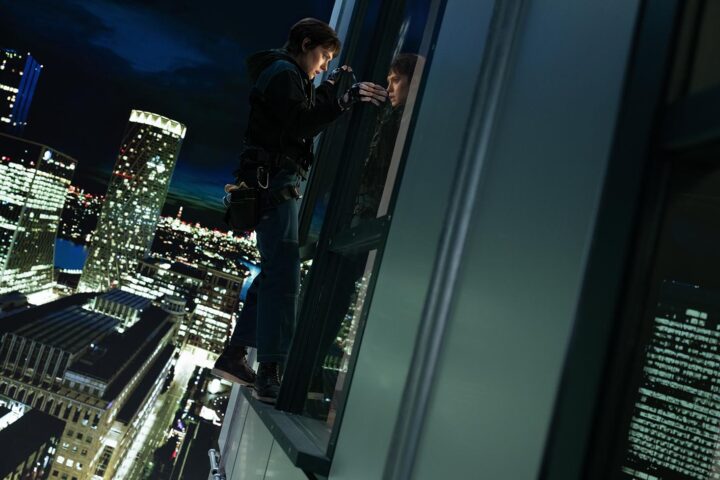
The film does with the inside-outside perspective that’s embedded in its premise.

The film attests to the power of art-making to affirm life in the face of omnipresent death.
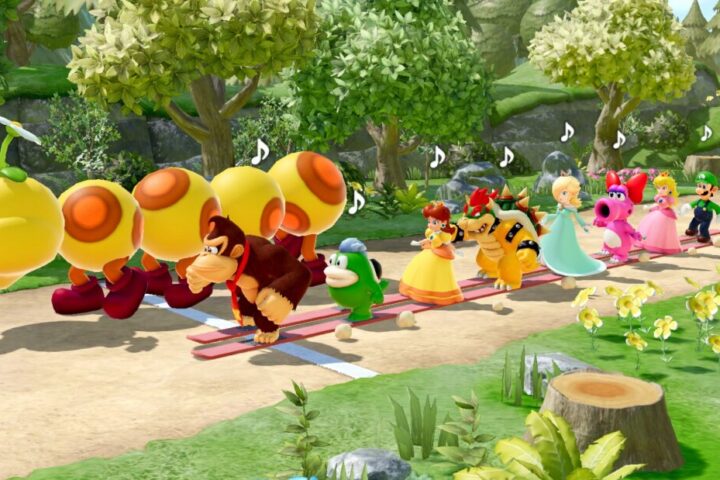
The game rewards players for strategic planning, adaptability, and more.

Nocturnes is one of the most reverent treatments of scientific process in recent memory.
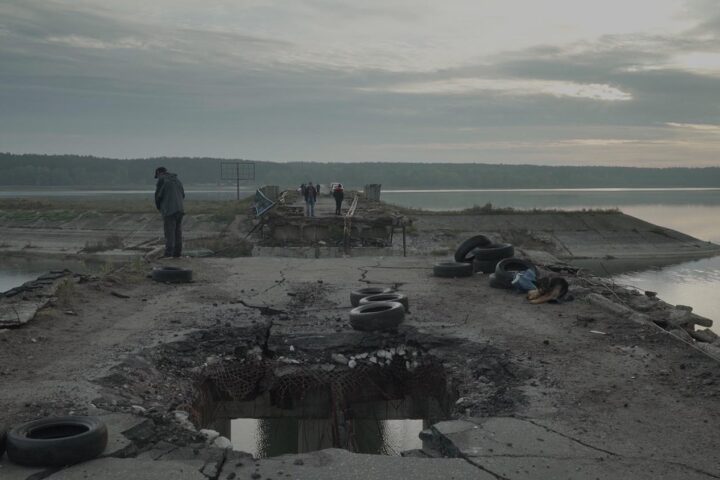
The film’s images and words are an imprint of tremendous state violence.