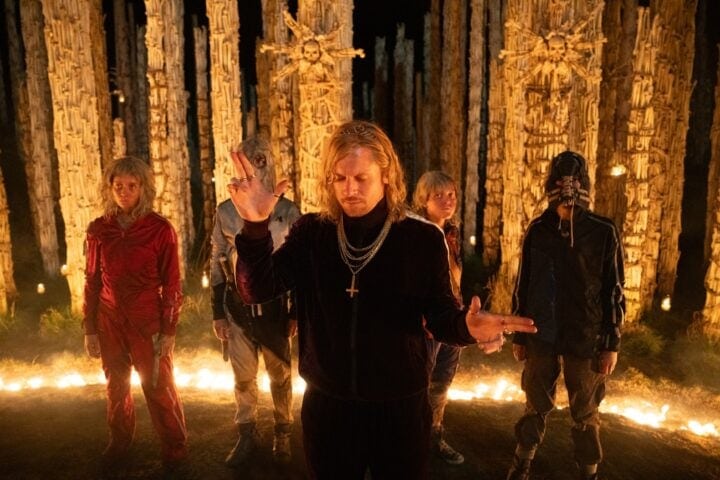
The Bone Temple doesn’t pack the moment-to-moment kineticism of the prior films.


Rocco is a film journalist, critic, and podcaster based out of Austin, Texas.
The Bone Temple doesn’t pack the moment-to-moment kineticism of the prior films.

William Golding’s influence is felt in the film’s exploration of teenage social hierarchy.
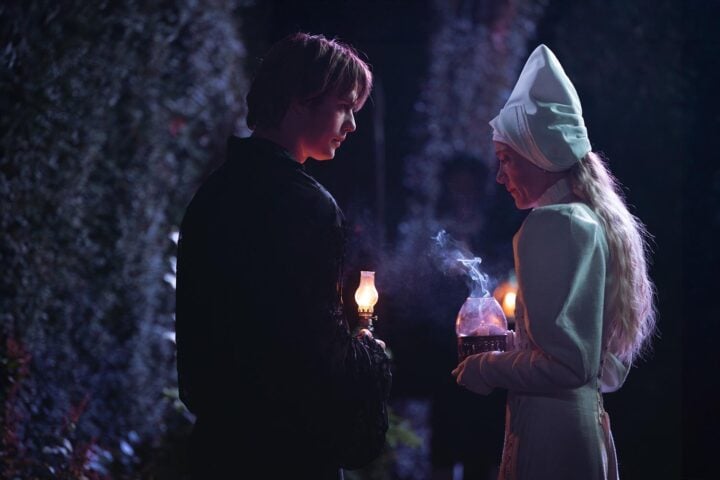
This adaptation of Isabel Greenberg’s graphic novel is as insubstantial as candy floss.
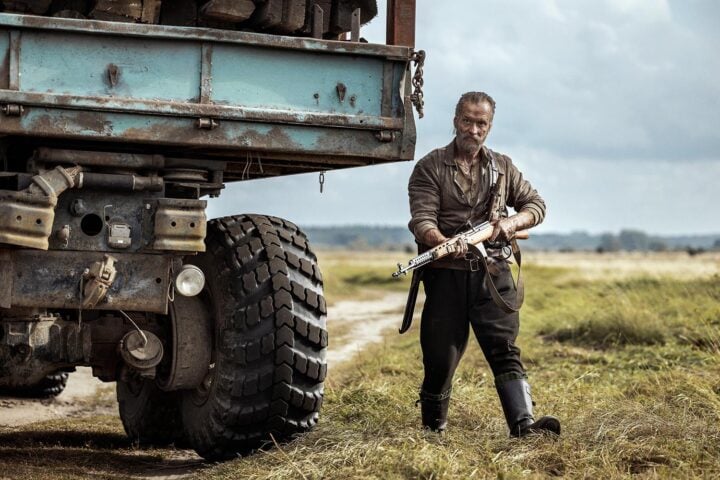
The filmmaker discusses his influences and inventing weird ways to kill people.
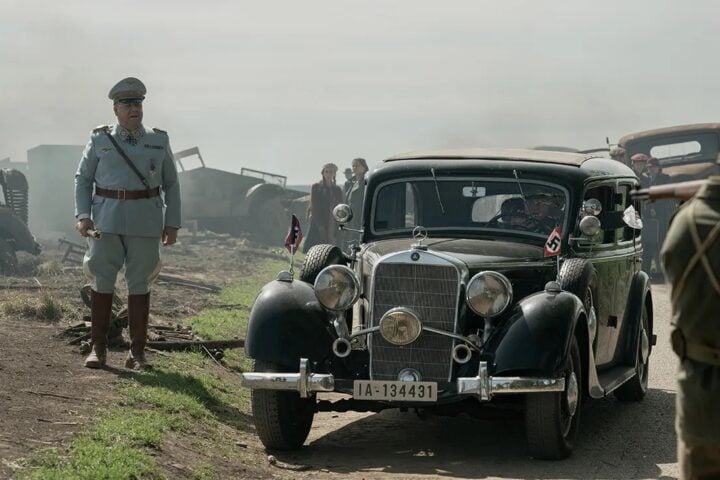
James Vanderbilt’s film is in direct conversation with the moment in which it was made.
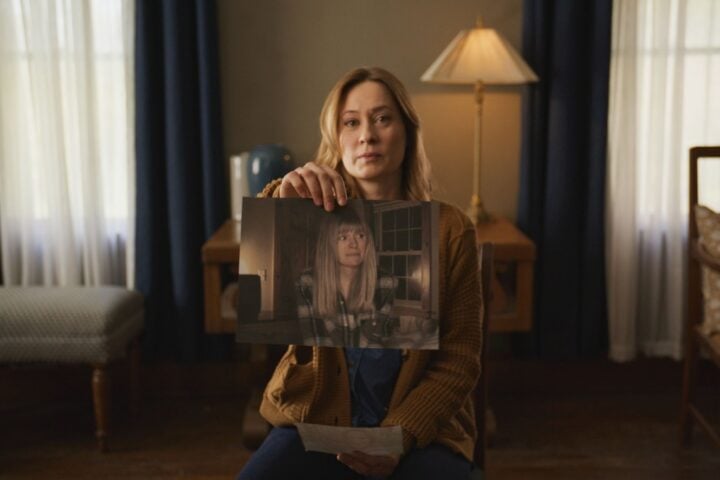
Chris Stuckmann’s feature directorial debut arrives packing some major clout.
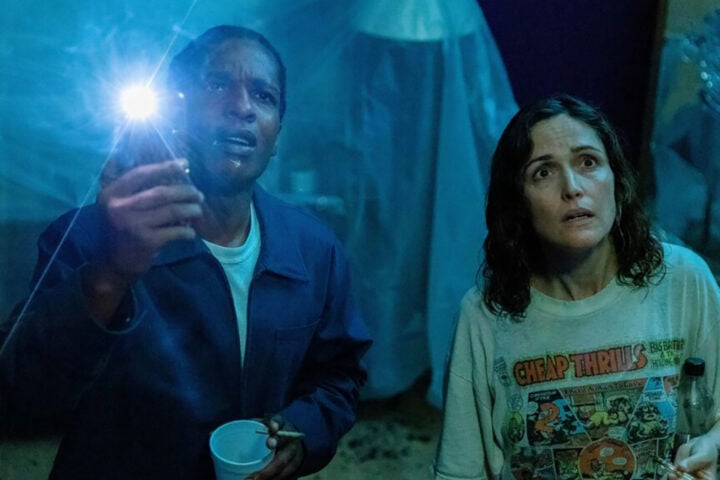
Bronstein discusses her approach to telling stories drawn from her own pain and anxiety.
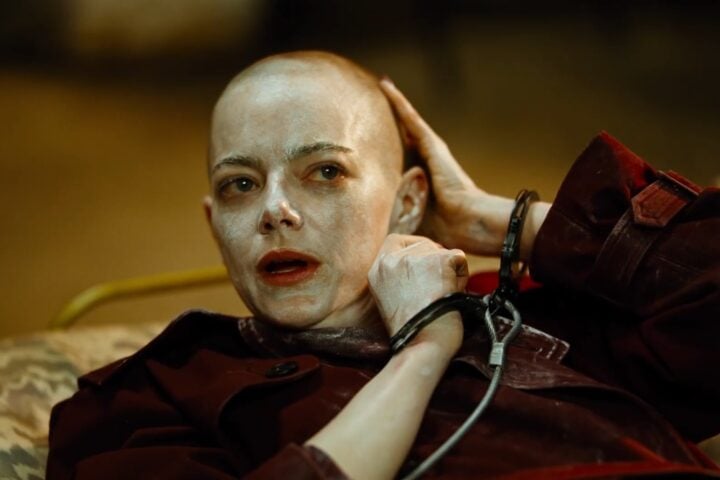
The film unearths new depths of existential anxiety engendered by our tumultuous times.
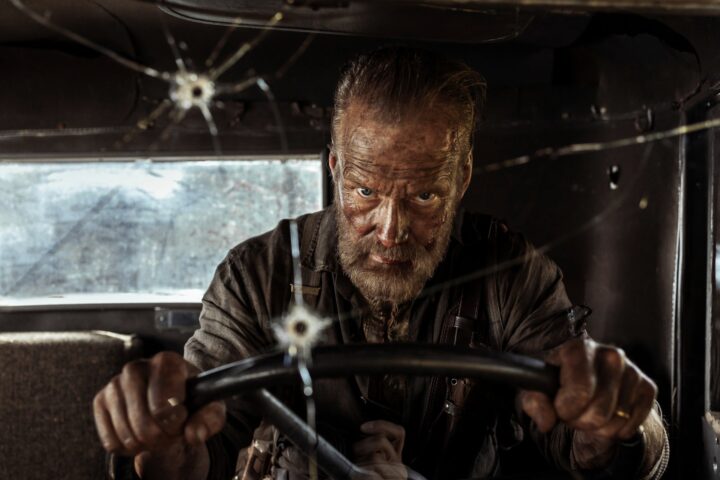
Much of Road to Revenge plays like a spectacularly gory silent film.
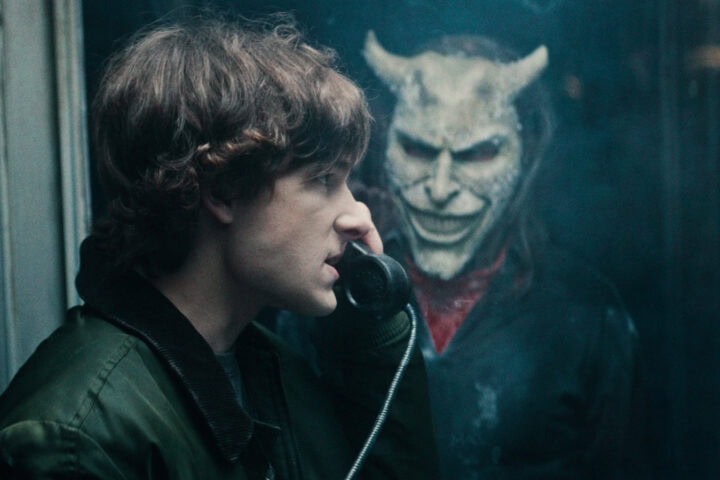
The film collapses dreams, reality, past, and present into a singular cinematic haunted space.
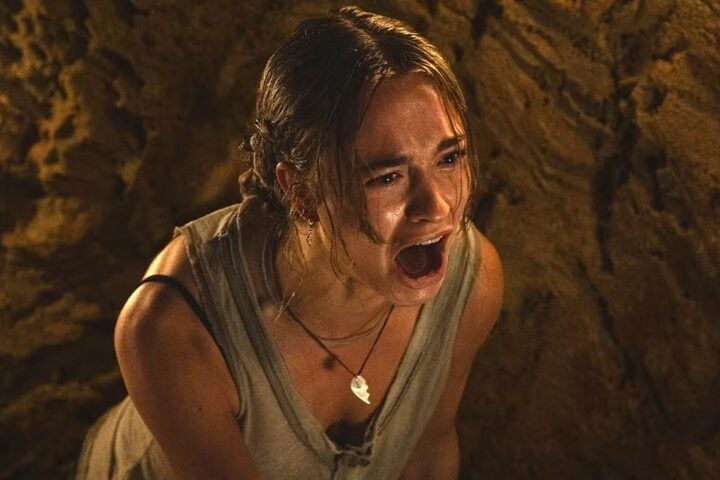
It’s telling that Primate is high-strung in its eagerness to get down to the carnage.
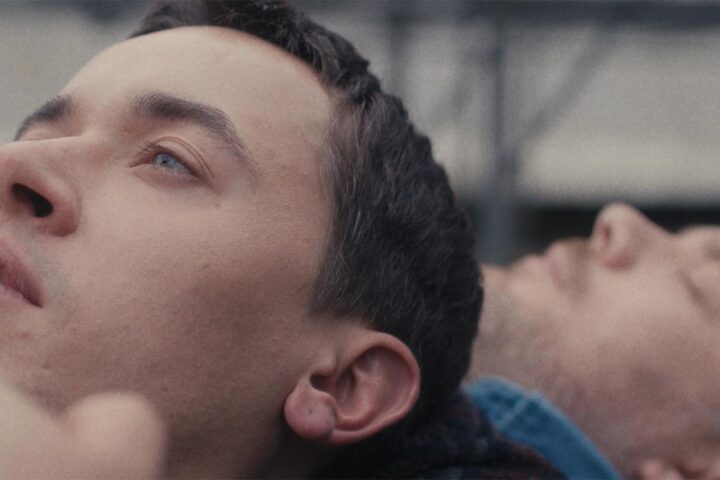
The actors discuss the film’s richly fragmentary style, its frank sex scenes, and more.
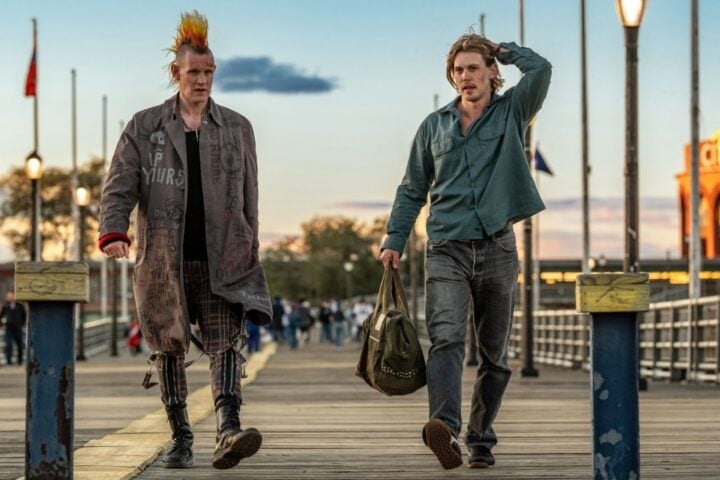
The story’s boilerplate setup gets a noticeable lift thanks to Darren Aronofsky’s style and focus.
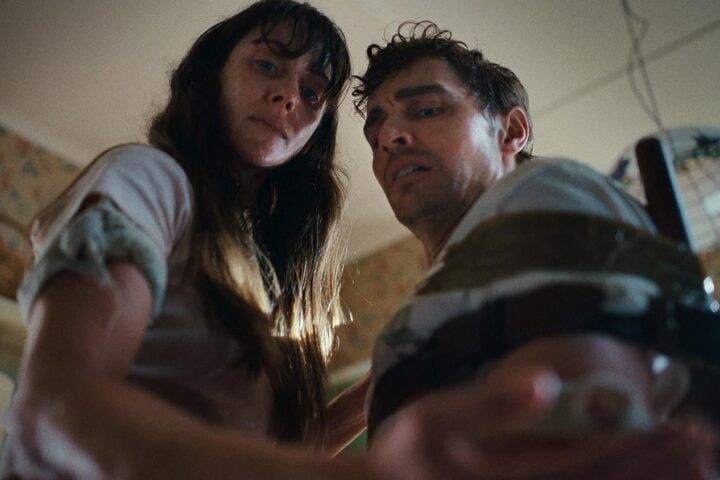
The film sees its body horror as just another wrinkle in the complexities of loving someone else.
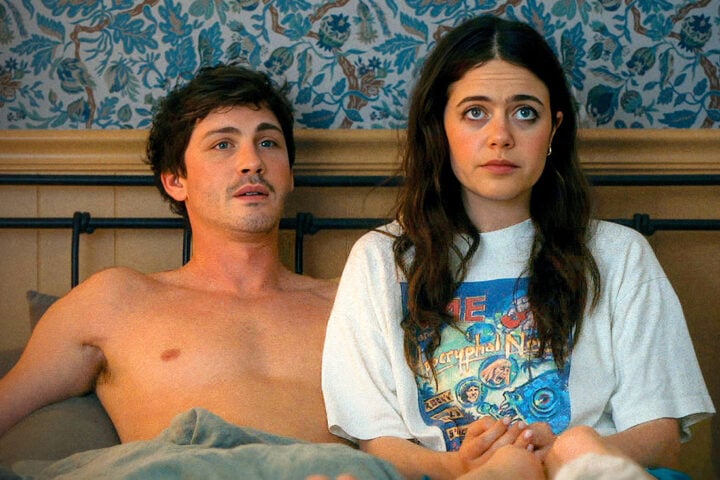
After its very promising opening act, the film gets silly fast.
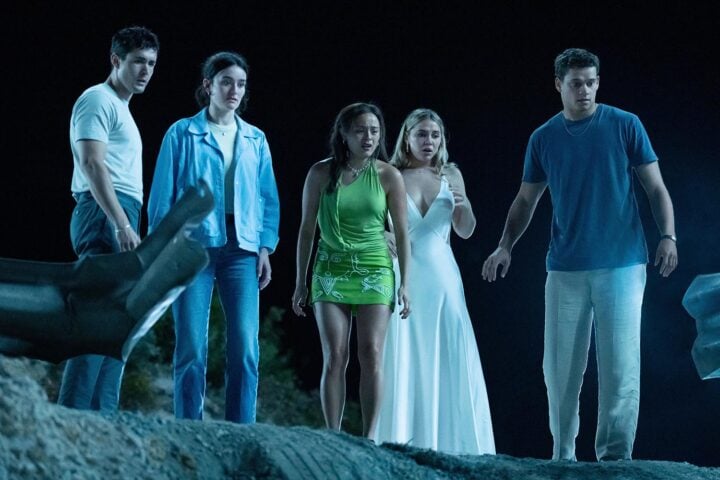
This new I Know What You Did Last Summer is truly a copy of a copy.
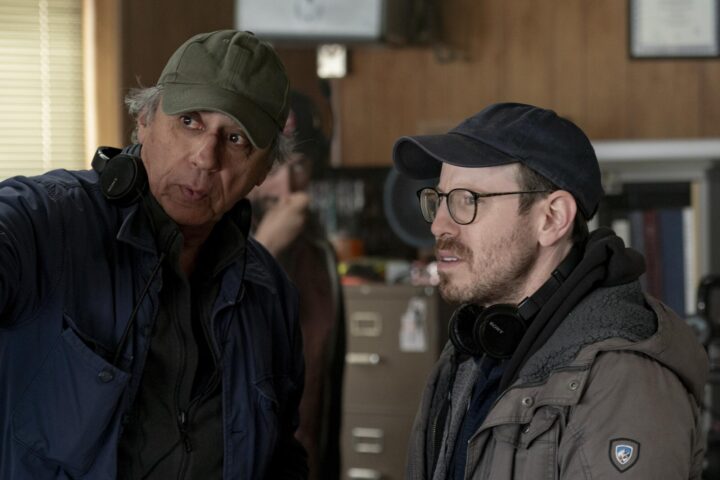
Aster discusses what his pandemic-era dark comedy has to say to audiences in 2025.
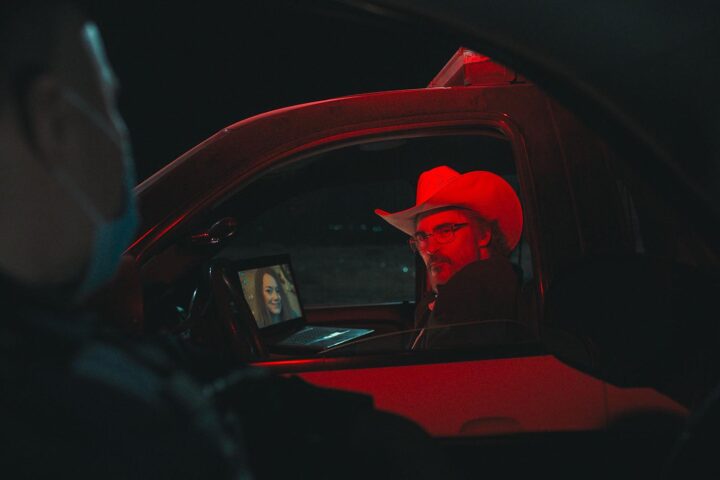
Not for nothing does Eddington arrive with the tagline “Hindsight is 2020.”
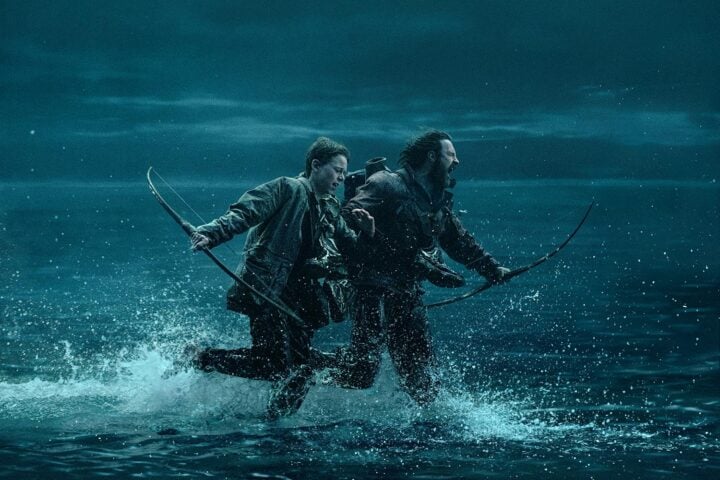
The film’s conception of the future, perceptively, looks back to humankind’s primeval past.
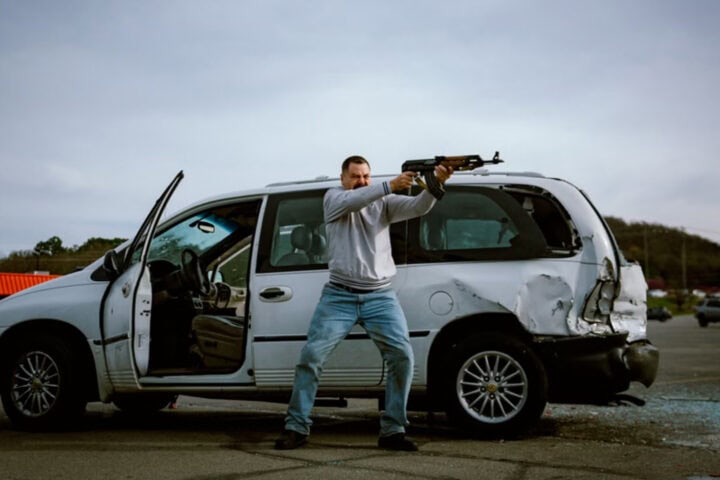
Swegal’s feature-length directorial debut is like staring into a national wound.