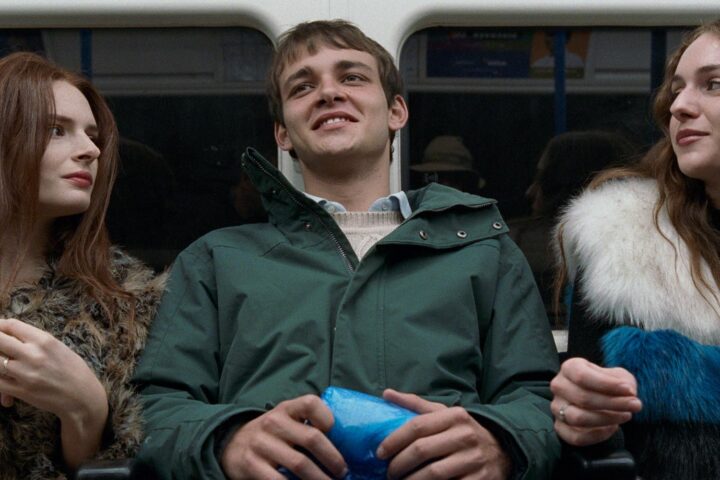
A spirit of restless reinvention characterizes Tortorici’s aesthetic approach.


Marshall Shaffer’s interviews, reviews, and other commentary also appear regularly in Slashfilm, Decider, and Little White Lies.
A spirit of restless reinvention characterizes Tortorici’s aesthetic approach.
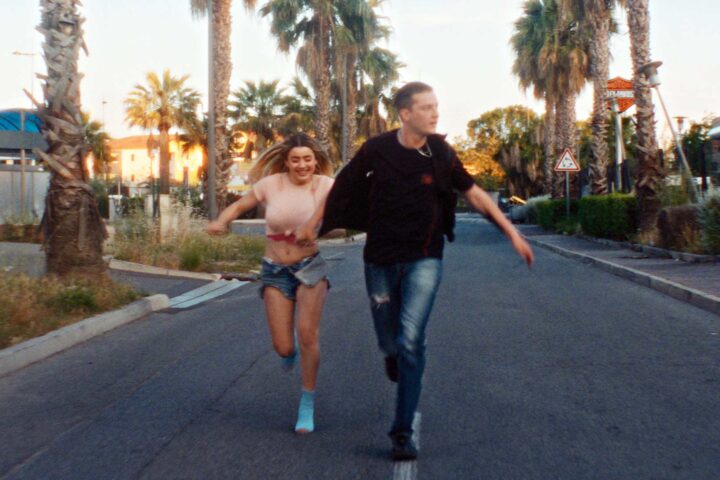
The film is at its best when it’s keyed to its main character’s breakneck energy.
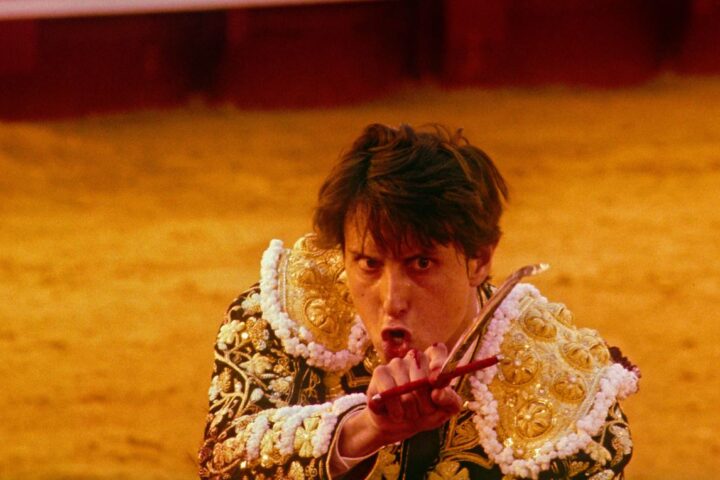
Serra discusses how being close to a torero taught him to take risks in his work.
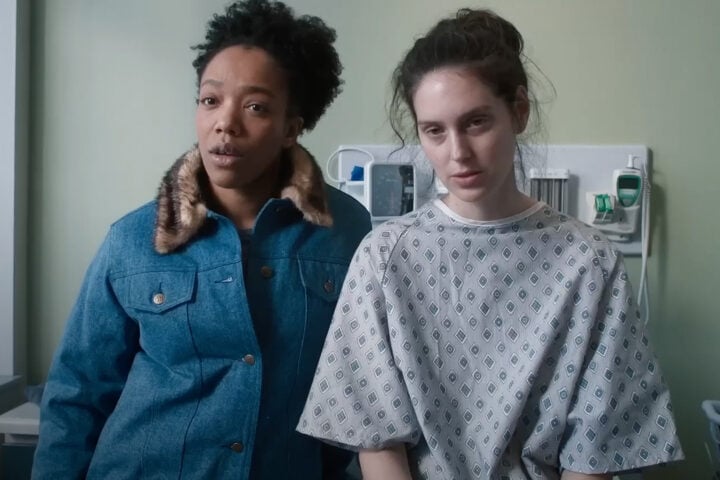
The writer-director-actor discusses how the film is in conversation with other depictions of sexual assault.
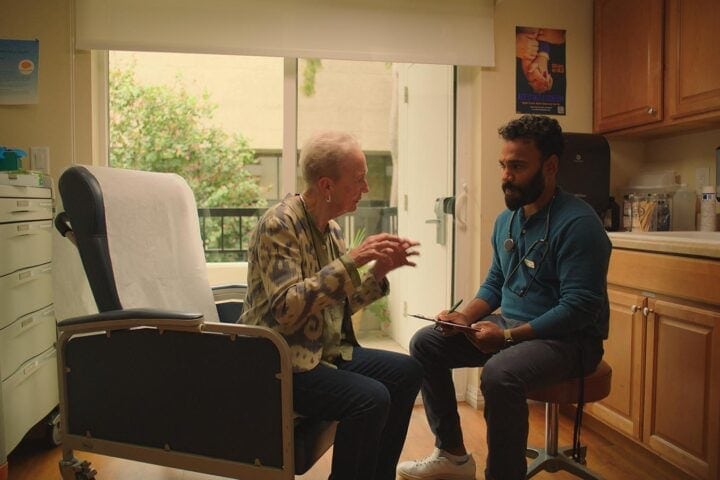
Friedland and Chalfant discuss aesthetics adding empathy to the recreation of dementia.
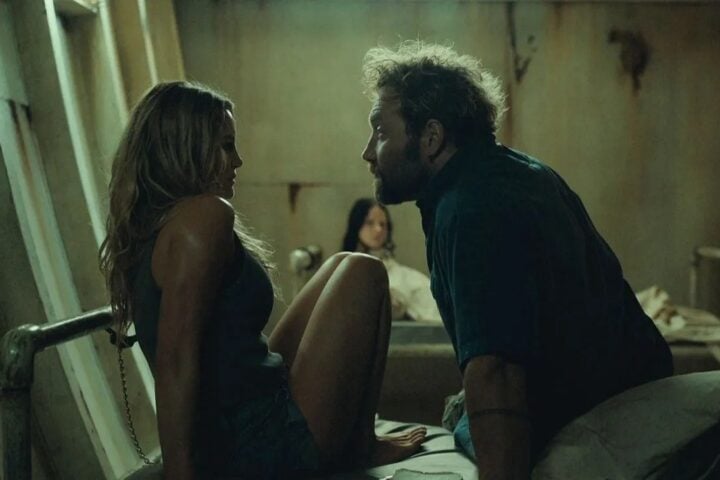
Byrne’s film is an unsuccessful fusion of creature feature and slasher.
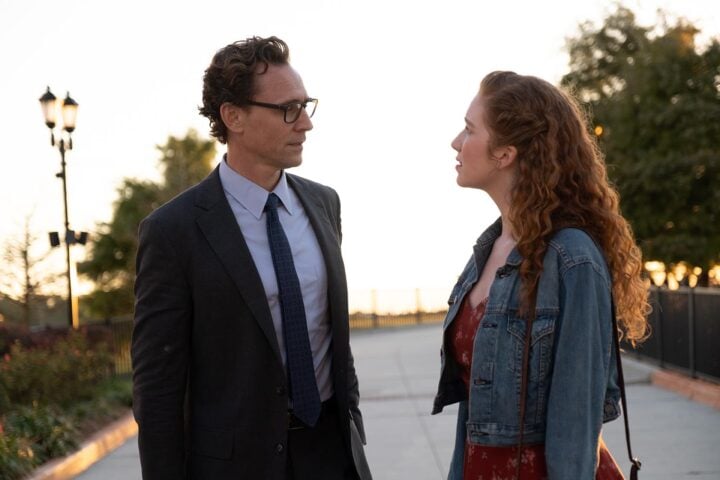
Flanagan’s film doesn’t escape the mires of unpersuasive pop psychology.
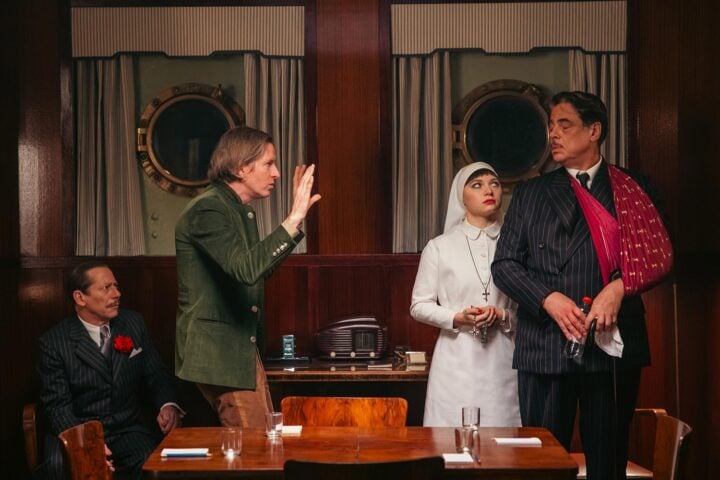
Anderson and Cera discuss why they reject the film being classified as “deadpan.”
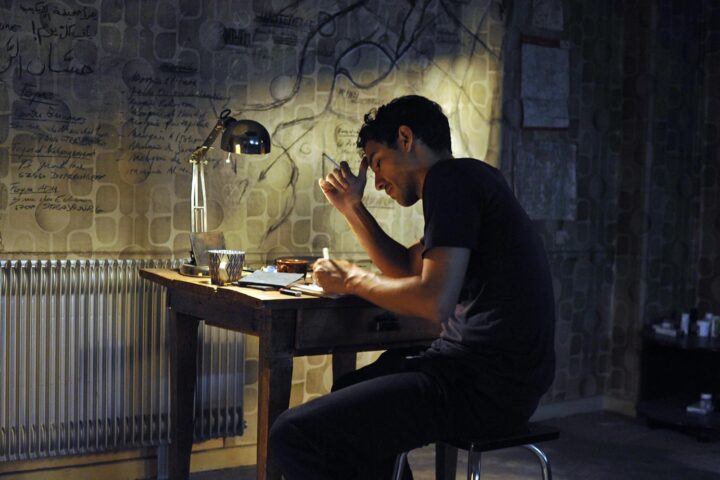
Millet’s film is unconvincing and unnaturally contorted into its shape.
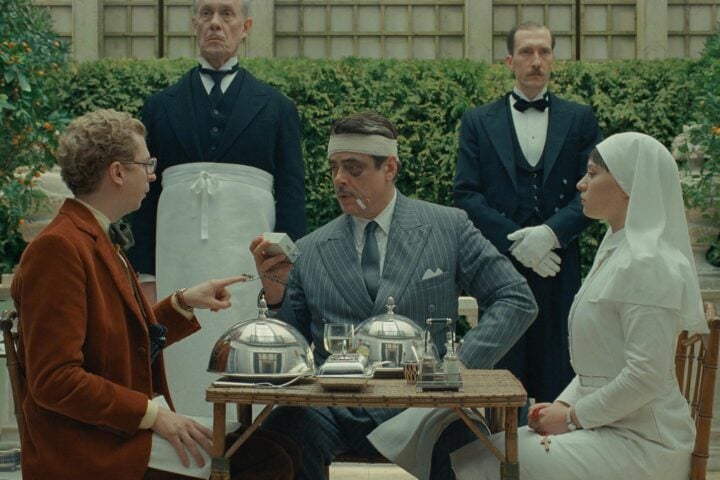
The raw emotion underlying The Phoenician Scheme peeks out at unexpected times.
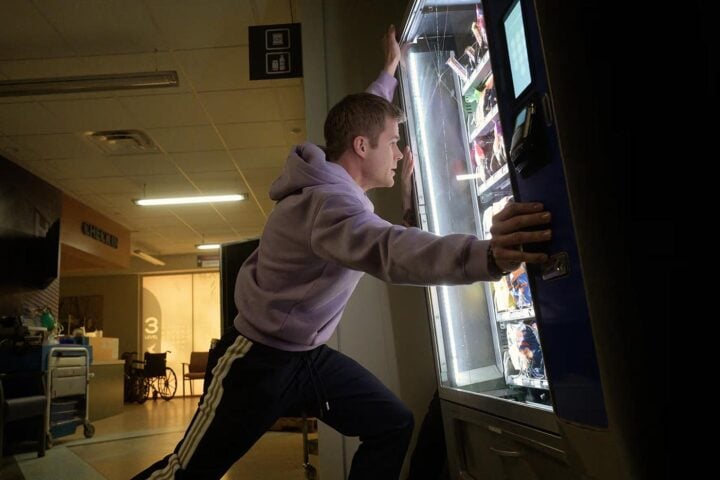
Bloodlines finds frights and fun alike in a string of gory kills.
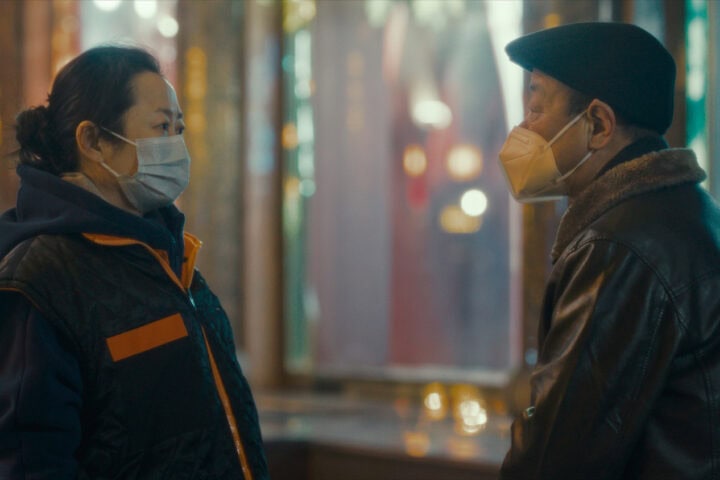
Jia discusses why he thinks the shifting nature of society has also shifted our conception of time.
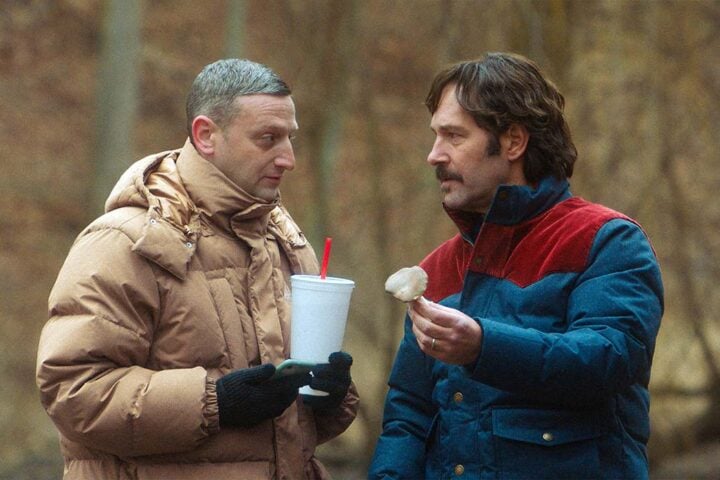
The film plays right into Robinson’s sweet spot of surrealistic and satirical comedy.
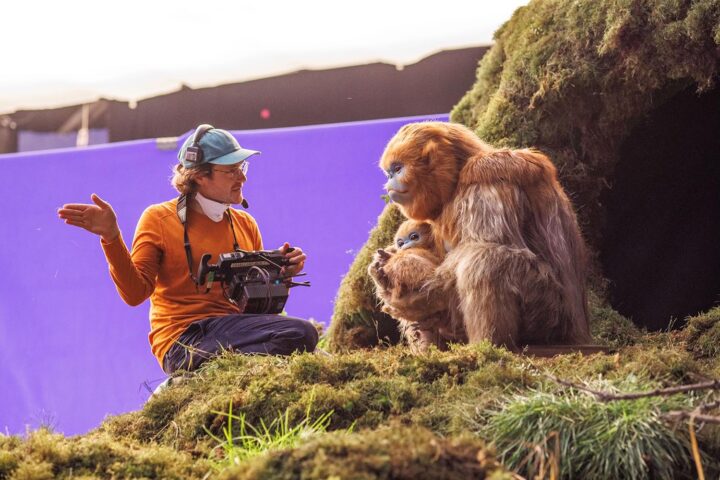
Saxon discusses what he sees as the relationship between technology and nature.
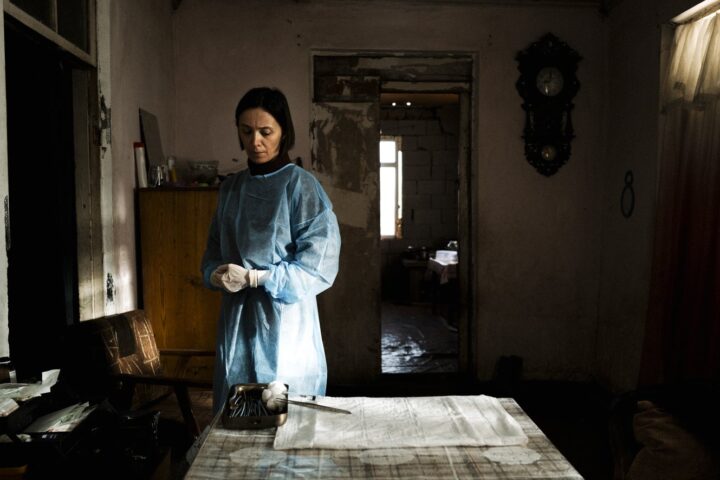
Kulumbegashvili discusses why she wants to sabotage expectations every time she makes a film.
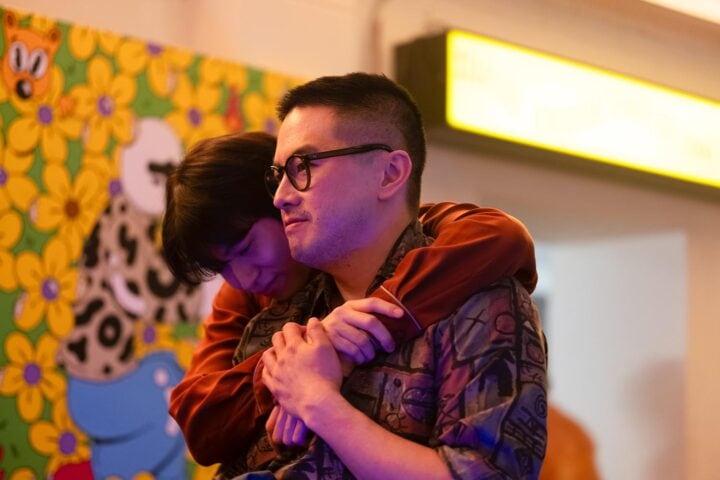
Ahn talks about what he hopes audiences will take away from his spin on the material.
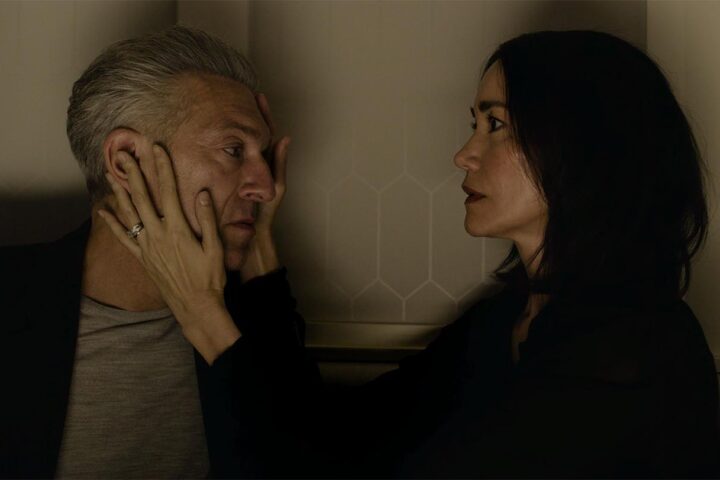
Cronenberg discusses the pull of A.I., taking to the dead, and the optimism of the film’s ending.
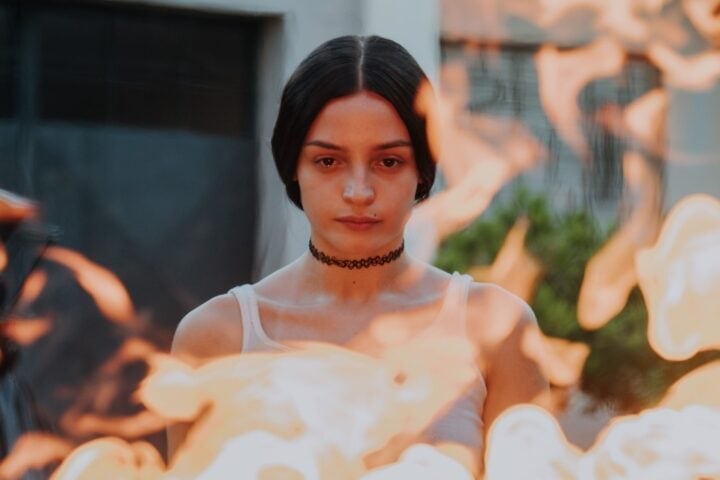
Laura Casabé abstracts the typical emotions of tortured teens, only to then amplify them.

The film amounts to more than a slow cinema-inflected riff on the Final Destination series.
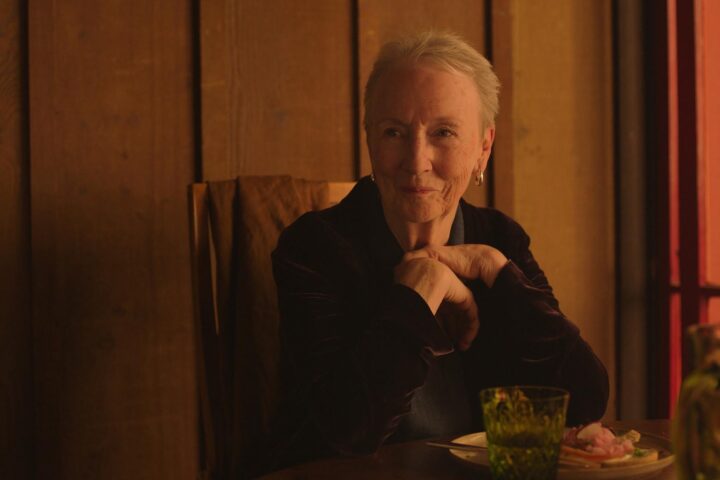
The film embodies the cruel ironies of a woman’s declining state in story and style alike.