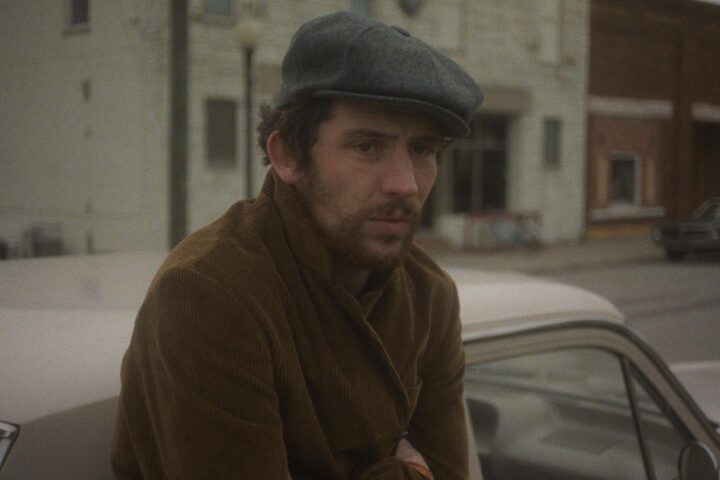
O’Connor discusses how he came to understand America by immersing himself in an era.


Marshall Shaffer’s interviews, reviews, and other commentary also appear regularly in Slashfilm, Decider, and Little White Lies.
O’Connor discusses how he came to understand America by immersing himself in an era.
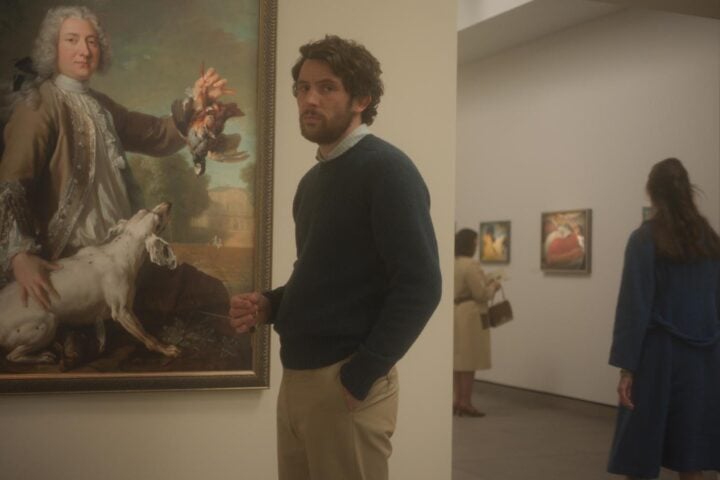
Reichardt discusses the political climate of an era, collaborating with Josh O’Connor, and more.

Panahi discusses the meaning of “accident” and how nothing can stop him from making movies.

Byrne discusses where she sees similarities between performing comedy and horror.

Osit discusses To Catch a Predator, Chris Hansen’s thoughts on the documentary, and more.
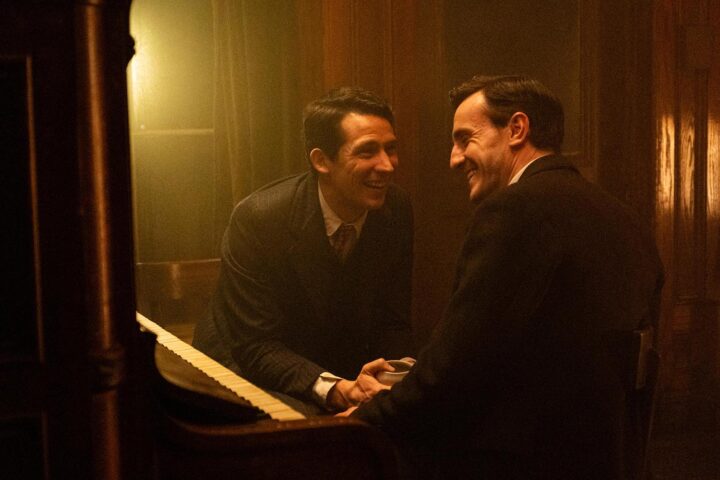
The film movingly conjures the feeling of music’s creation of a suspended present tense.
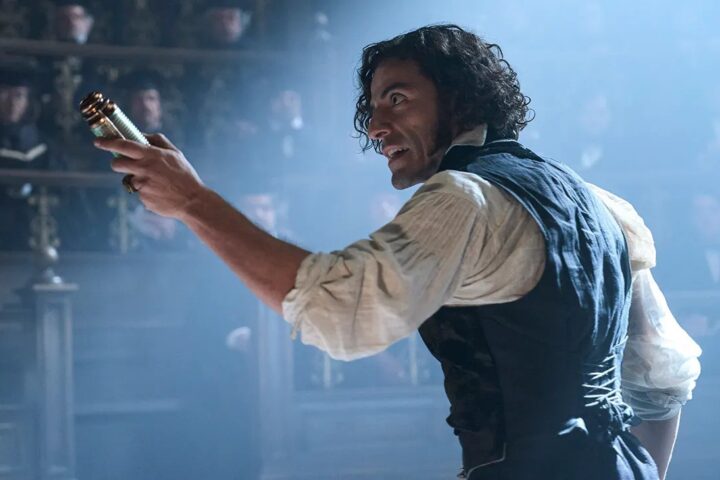
Del Toro’s adaptation resonates most profoundly on a mythic, archetypal level.
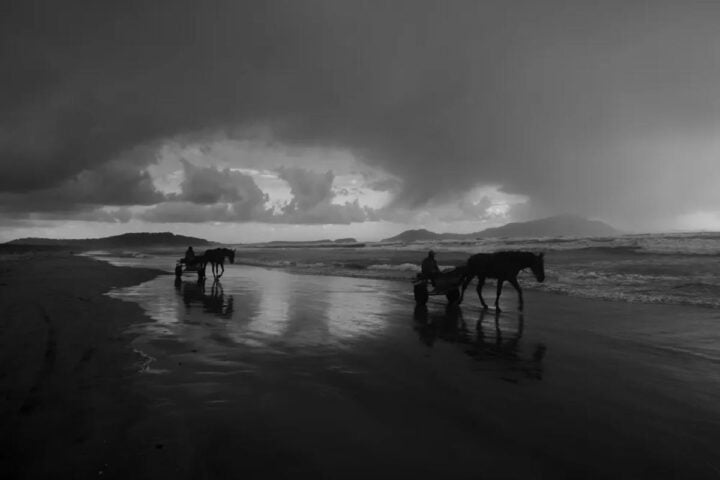
The film leaves us with a haunting sense of life in Naples existing in a liminal state.

The film’s desire to resist easy storytelling paradigms is admirable, but only up to a point.

The film attests to a craft’s enduring importance at a time when resources for it have declined.
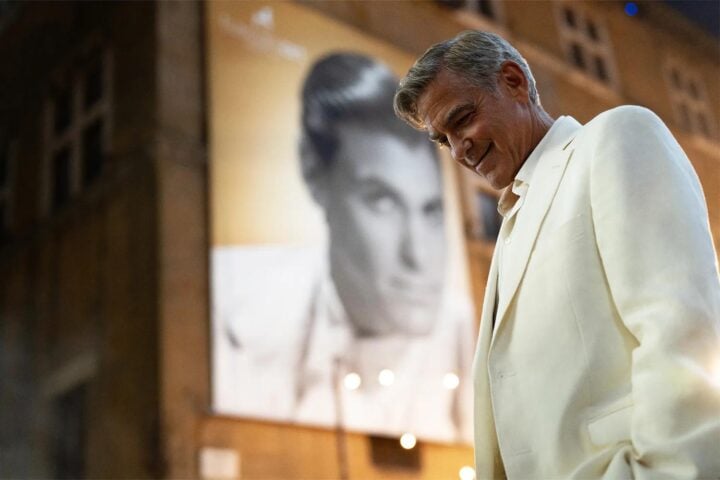
Jay Kelly represents the moment when Baumbach has gone fully soft.

For Marcello, the only responsible art in times of need is a responsive art.

The duo provide fascinating insight into how they understand the relationship between twins.

The film is less a portrait of one martyred man than a mosaic of a resistant community.
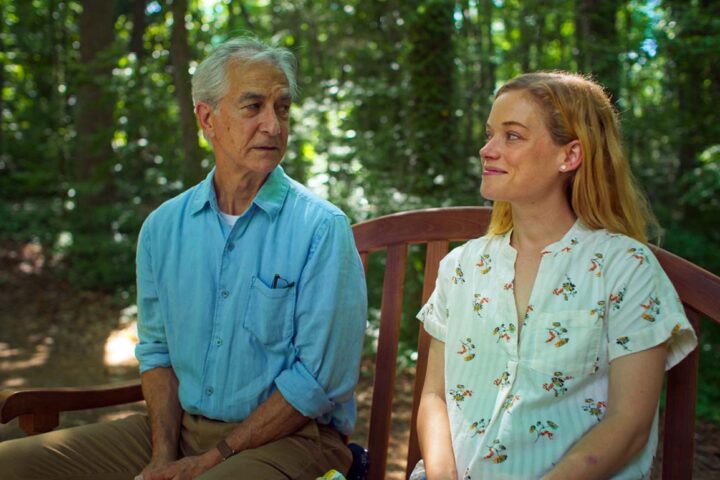
The film patiently illustrates how places imprint themselves upon us and guide our actions.

Covino and Marvin discuss balancing visual and verbal humor, shooting on film, and more.

Splitsville proves that Covino’s The Climb was no fluke.
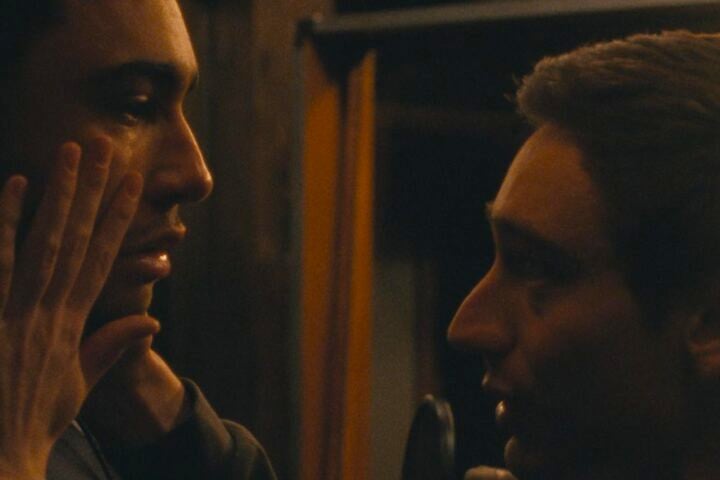
Russell discusses how he updated The King of Comedy for today’s world of fans and stans.
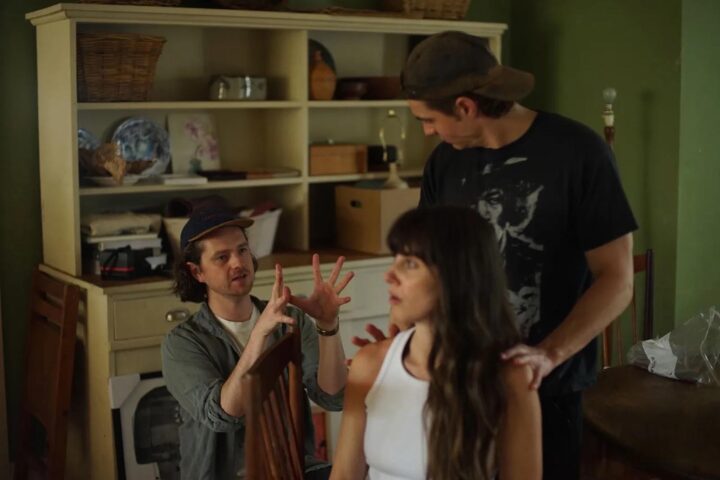
Shanks discusses Together’s bodily contortions and what the ending means to him.
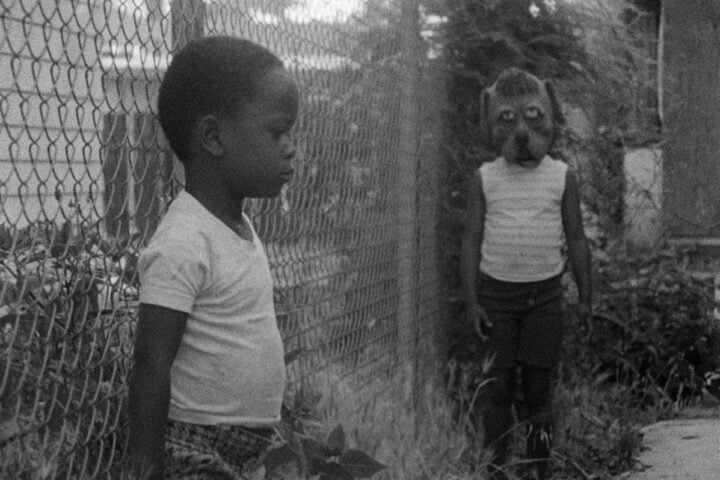
Burnett discusses why it remains so important to show Black life as it is.