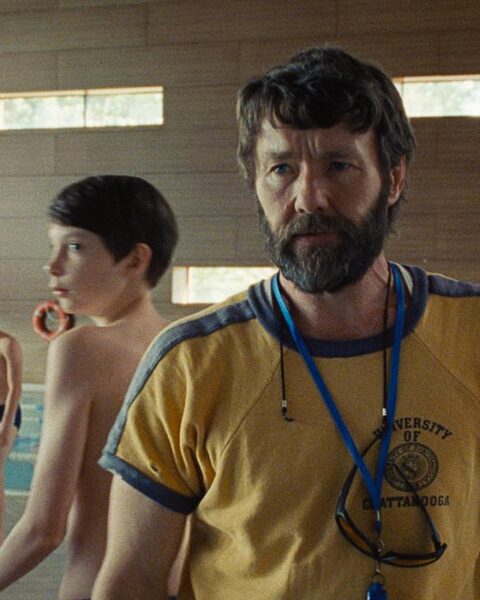
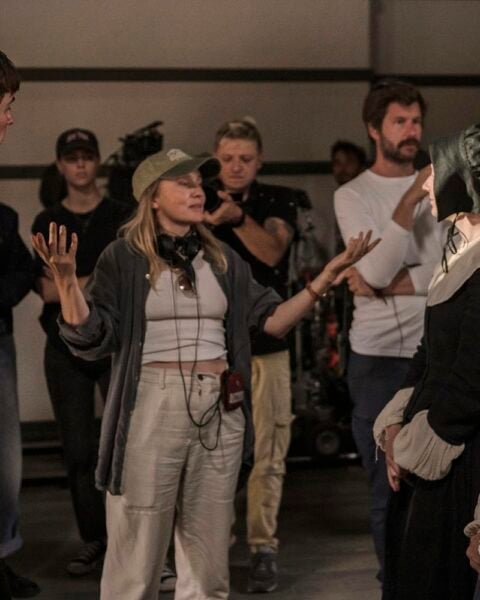
Birney discusses where he sees connective tissue between cinema and video games.
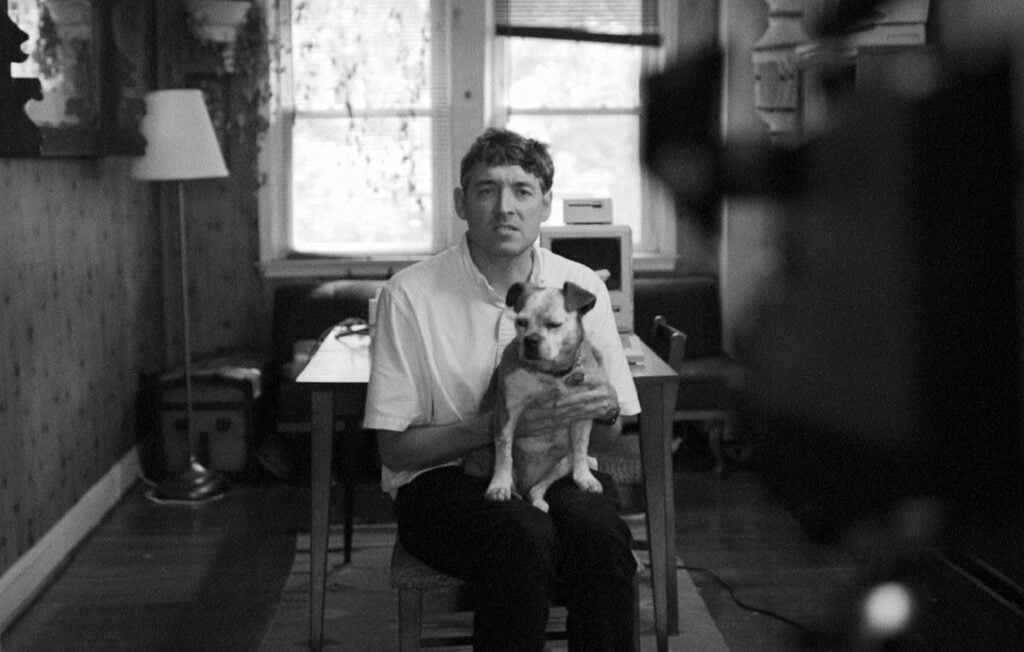

Birney discusses where he sees connective tissue between cinema and video games.

Skinner and Baram discuss coming out, sex on campus, and their show’s bratty soundtrack.
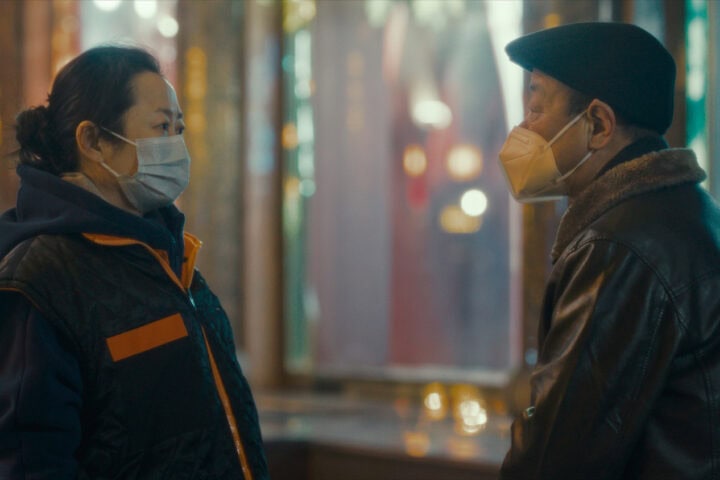
Jia discusses why he thinks the shifting nature of society has also shifted our conception of time.
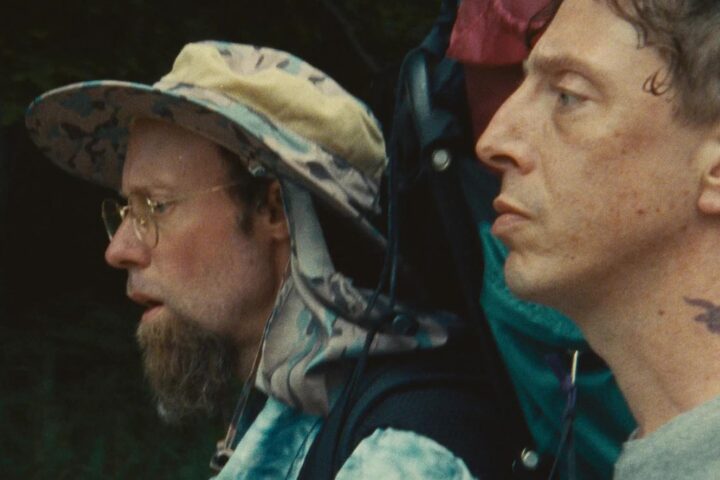
Potrykus discusses ’90s nostalgia, his favor-based production method, and more.
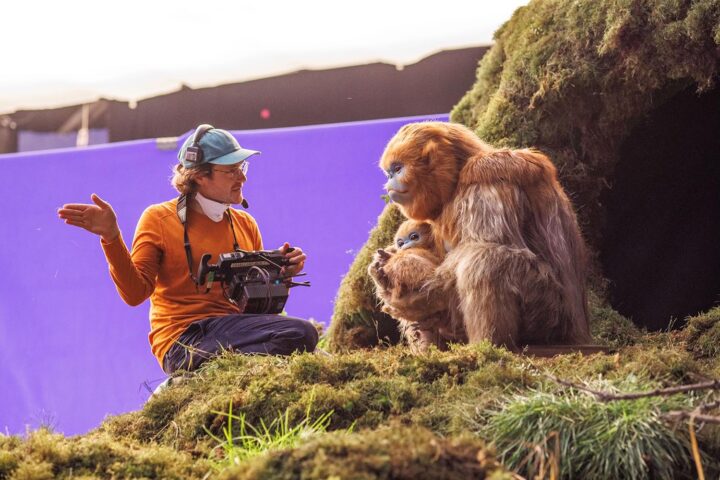
Saxon discusses what he sees as the relationship between technology and nature.

Kulumbegashvili discusses why she wants to sabotage expectations every time she makes a film.
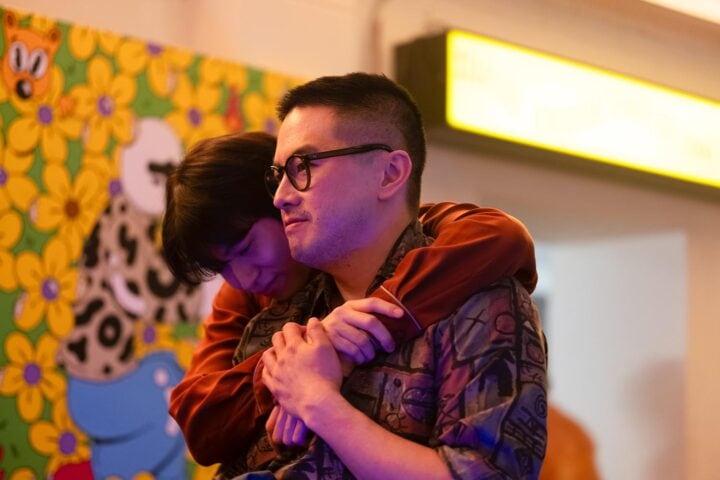
Ahn talks about what he hopes audiences will take away from his spin on the material.
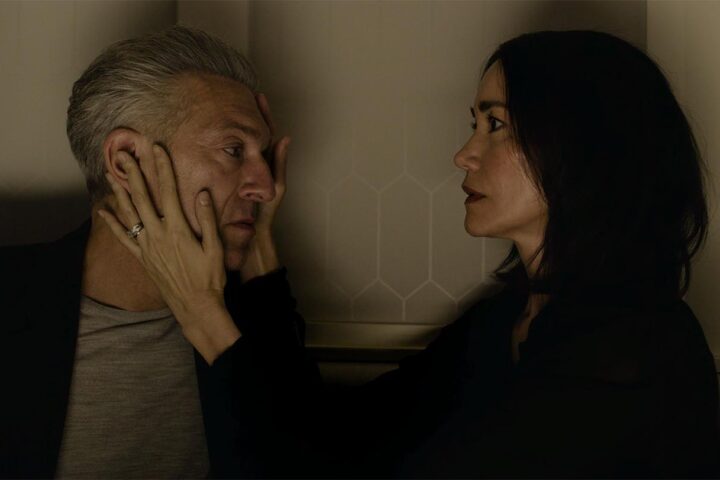
Cronenberg discusses the pull of A.I., taking to the dead, and the optimism of the film’s ending.
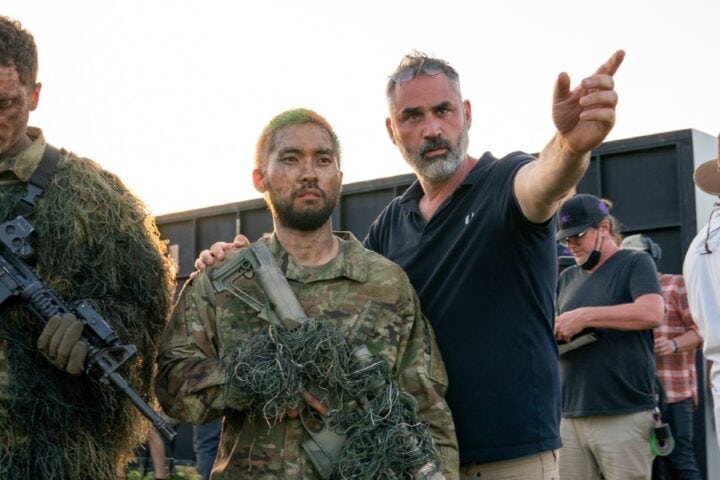
Garland and Mendoza adhering to a Dogme 95-esque code of purity while making the film.
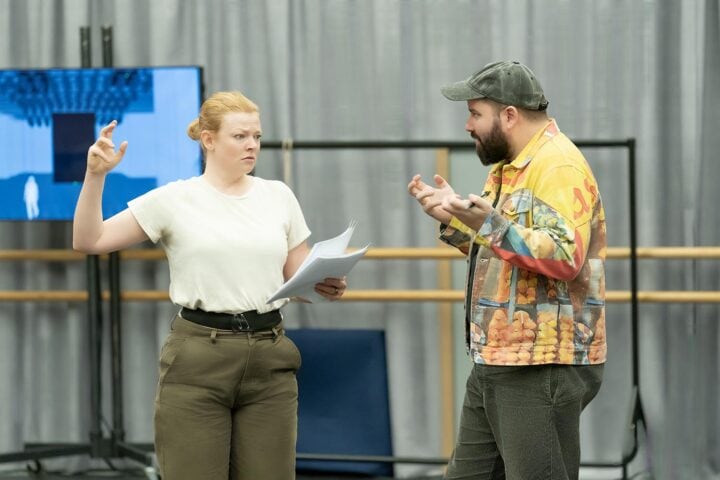
Williams discusses working with Sarah Snook and adapting Oscar Wilde’s legendary novel.
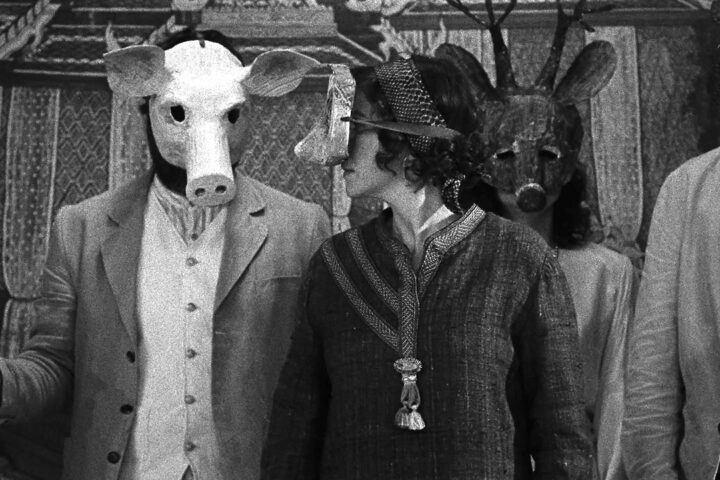
Gomes discusses the film’s “ping-ponging” dialectic, interpretations of the film, and more.
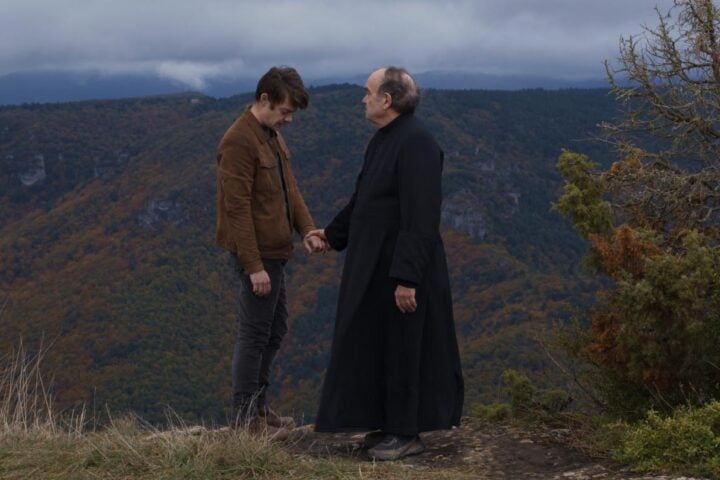
The French filmmaker discusses how he formalized a Freudian gaze for the film.
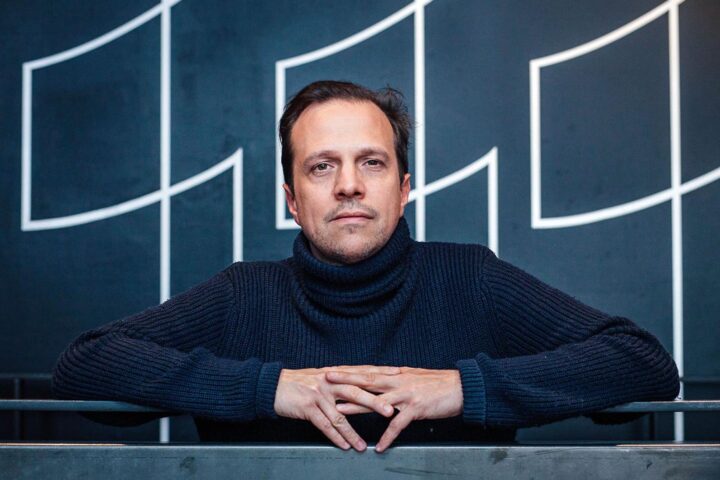
Lesage discusses the struggles faced by more than just youth across his films.
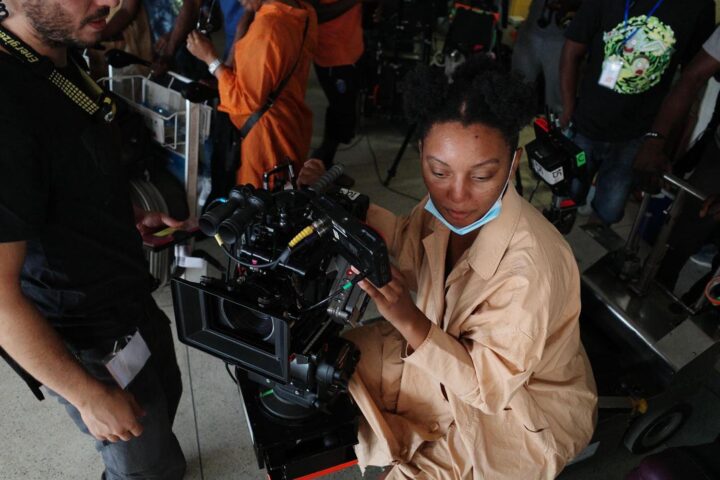
Nyoni and Susan discuss how they collaborated to develop the inscrutable character of Shula.

Lund discusses how Wiseman, the legacy of baseball movies, and criticism influenced Eephus.
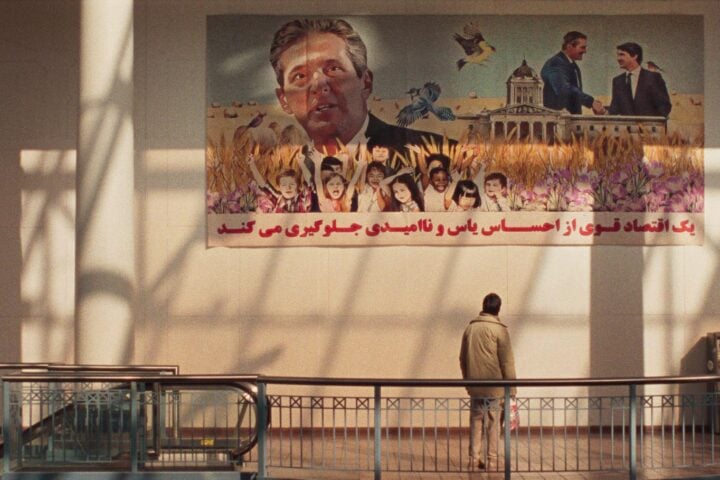
Rankin discusses why he rejects the idea that fakeness in cinema is inherently bad.
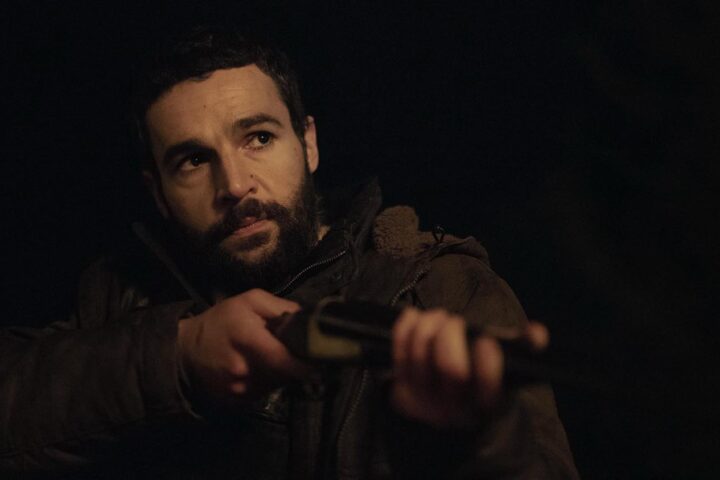
Abbott discusses the merging of character and self and how the film fits into his career arc.

Dibbern and Larson discuss how writing about film led them back to writing about themselves.
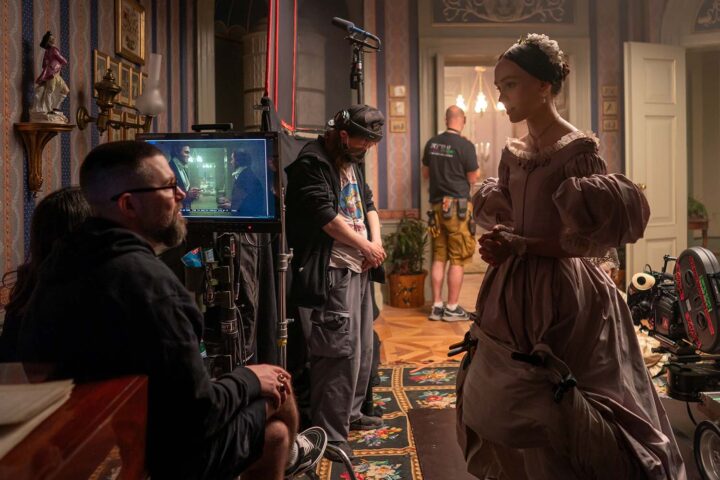
Eggers discusses the film, its origins, and how the story was received in its birthplace.
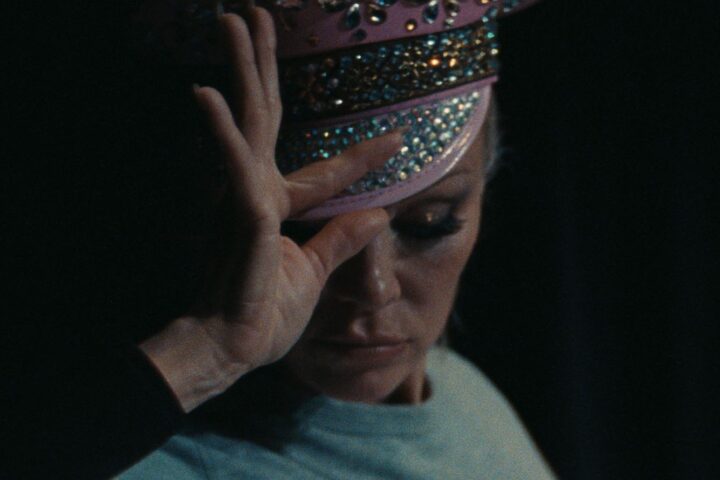
Anderson and Curtis discuss how their experiences as actresses colored their roles.
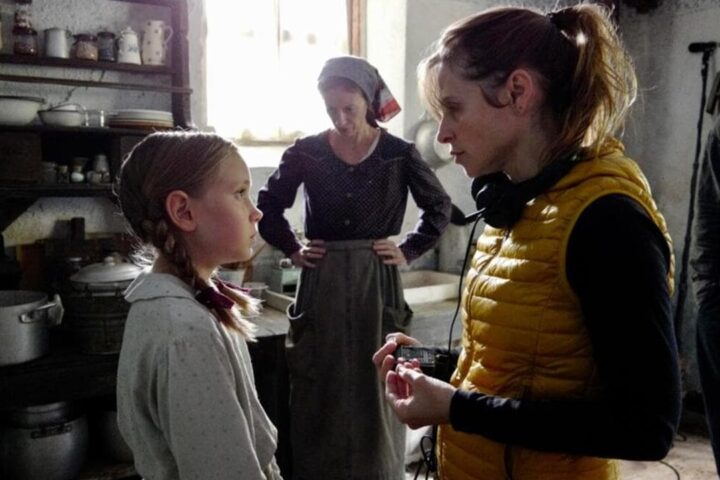
Delpero discusses what she hopes spending time in a bygone era offers to modern viewers.