Birney discusses where he sees connective tissue between cinema and video games.
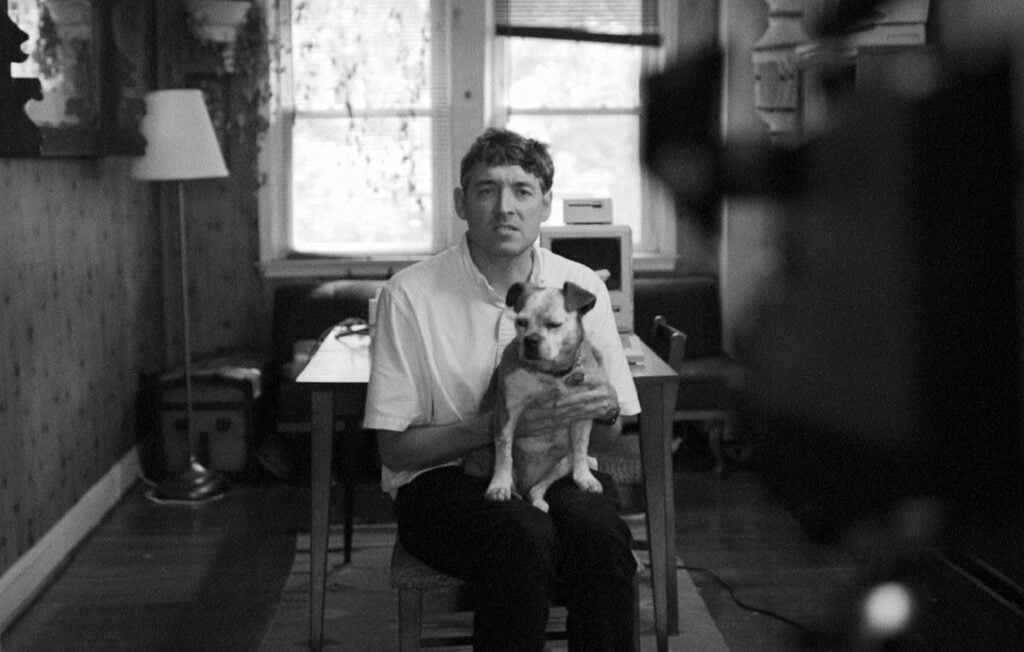

Birney discusses where he sees connective tissue between cinema and video games.
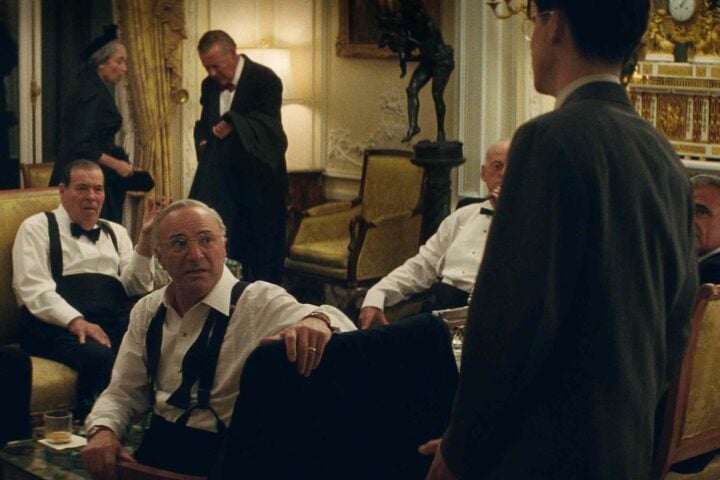
O’Leary discusses what he learned from working alongside Safdie and Timothée Chalamet.
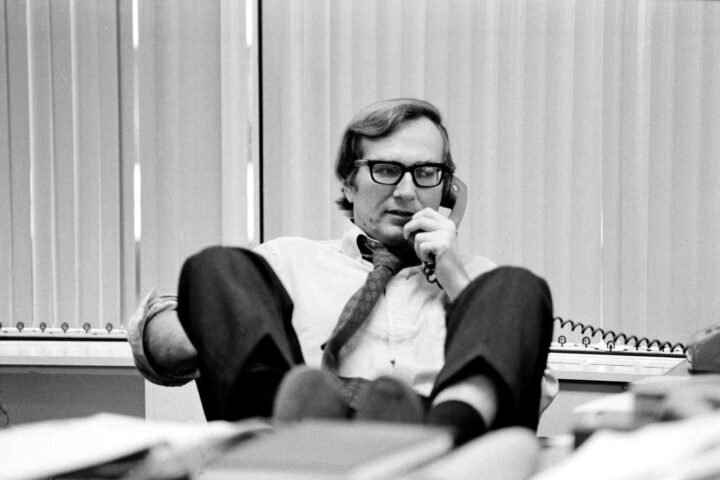
The filmmakers discuss what keeps them going in their mission of holding power to account.
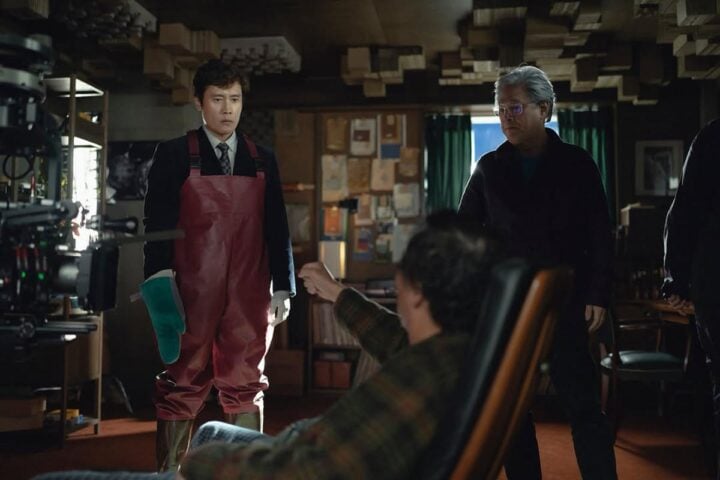
Park and Lee discuss the film’s mordant satire about the cutthroat nature of capitalism.
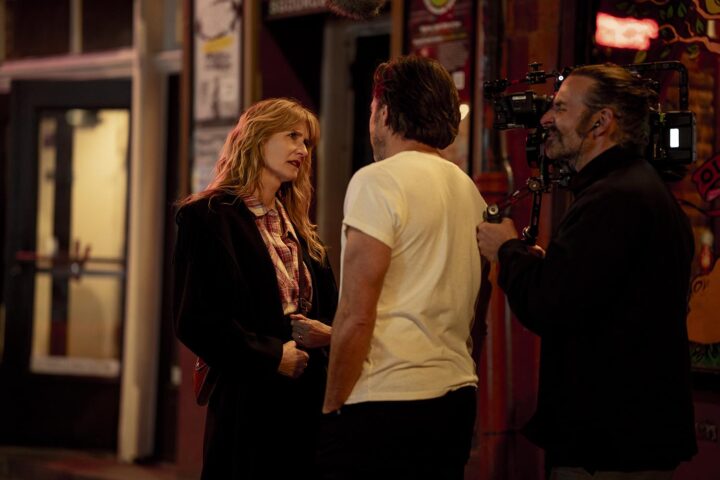
Arnett and Dern discuss why they resisted intellectualizing their characters during shooting.
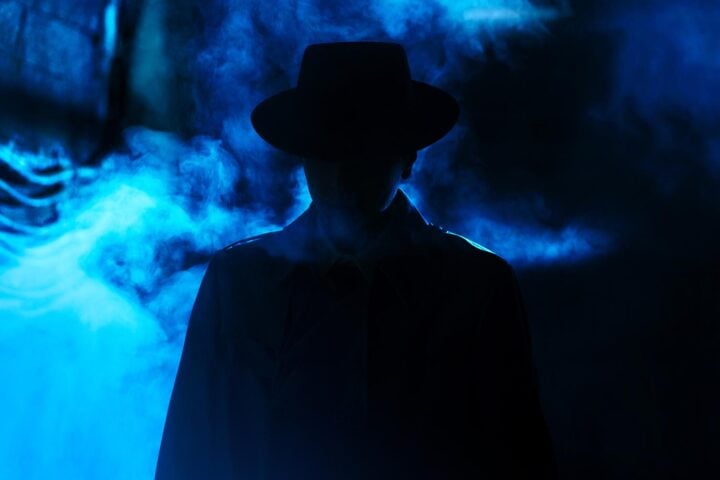
Bi discusses how he translated his narrative ideas into a sensory dimension.
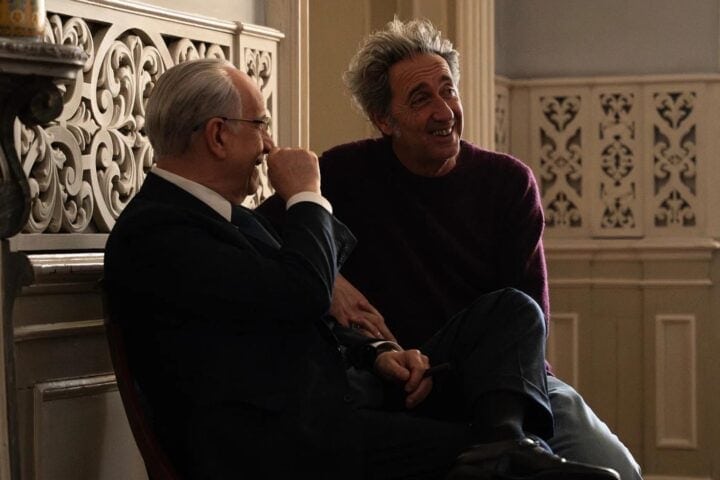
Sorrentino discusses why it was important to reflect an ideal version of politics in his film.
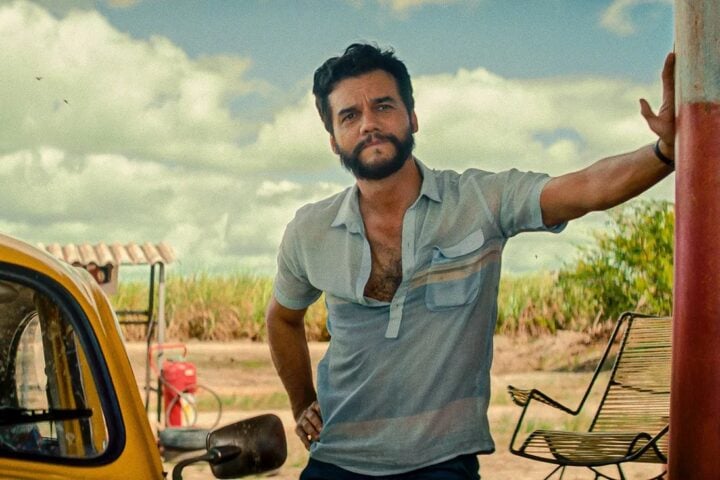
Mendonça Filho and Moura discuss the role of cinema in making social change.

Schilinski discusses the film’s sound and her research into the reverberations of trauma.

The filmmaker discusses his influences and inventing weird ways to kill people.
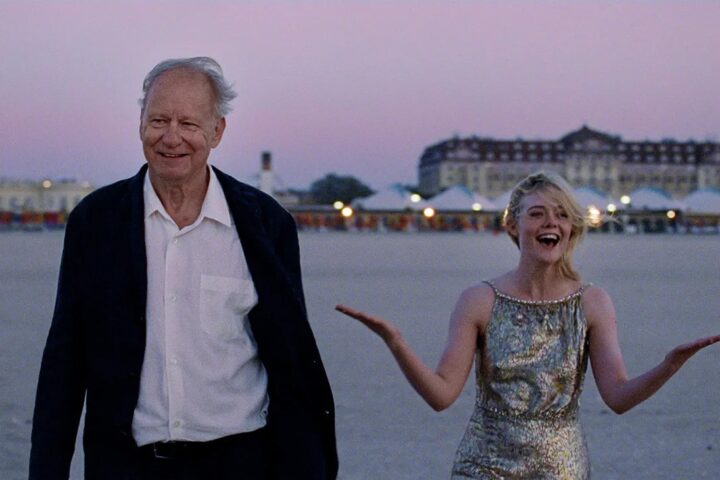
The actors discuss how they approached the lightly satirical elements of Joachim Trier’s film.

Laxe and López discuss what they took away from grappling with the imminence of death.
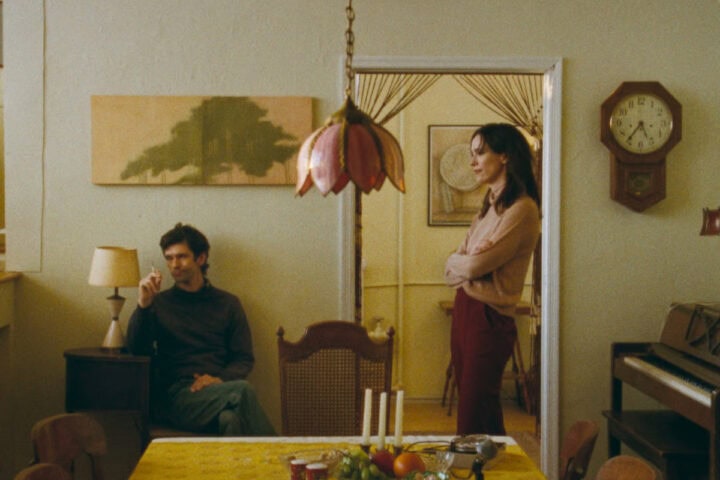
Sachs and Rosenkrantz discuss what attracts them to the everyday lives of artists.
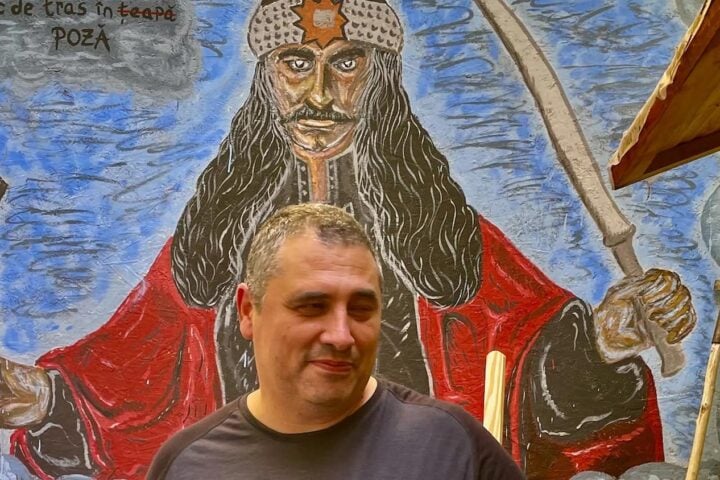
Jude discusses why cinema being in a state of constant crisis exhilarates him.
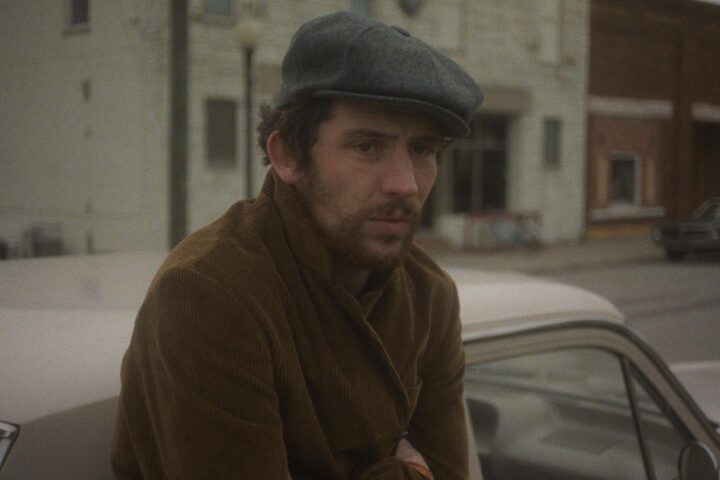
O’Connor discusses how he came to understand America by immersing himself in an era.
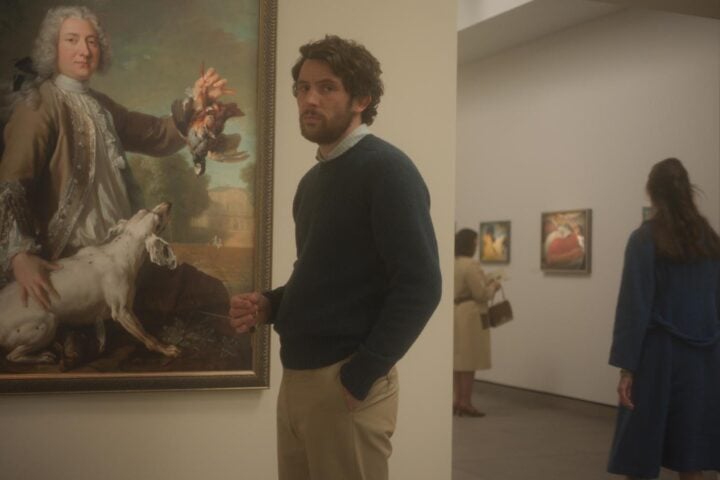
Reichardt discusses the political climate of an era, collaborating with Josh O’Connor, and more.
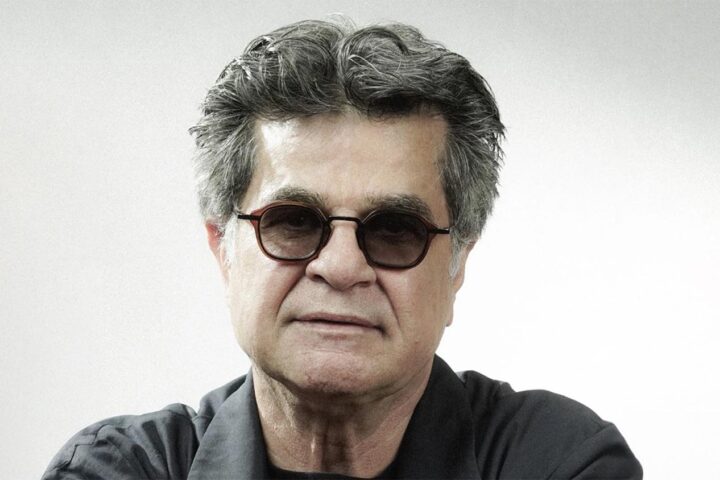
Panahi discusses the meaning of “accident” and how nothing can stop him from making movies.